
What A Hardcover Book Gives You
A hardcover book uses a rigid cover board wrapped and finished for a firm outer shell, with the printed text block bound inside. That makes it better suited to titles that need to hold their shape on shelves, travel through repeated handling, or present a more formal look than a softcover edition.
In practical terms, case binding is a good choice for annual reports, company histories, yearbooks, school and library titles, collector editions, training manuals and commemorative books. It gives the publication weight and presence, but it also protects the pages from daily wear. For many clients, that extra protection matters more than the cover look alone.
- Rigid case bound cover for long-life use
- Suitable for premium and reference publications
- Works well for smaller print runs and larger editions
- Can be combined with lamination, foil finishing or section sewing
Sizes, Page Counts And Finish Options
Hardcover books can be made in common sizes such as A5, 210 x 297 mm, 170 x 240 mm and custom trim sizes for special projects. Page count depends on the binding method and paper selection, but many hardcover books sit comfortably from around 64 pages through to several hundred pages. We’ll advise on spine width, paper bulk and cover board thickness before production starts.
There are several finish choices to suit the job. A matt or gloss laminated cover is common, while foil blocking can be added for titles, logos or limited edition marks. Dust jackets may be used for a more formal presentation, and end papers can be selected to suit the subject or branding. If the content has heavy images, we will recommend paper and board options that keep the book flat and easy to handle.
- Trim sizes can be standard or custom
- Cover board thickness selected to suit page count and use
- Optional dust jackets, foil details and cover lamination
- Spine width confirmed during prepress checks
Where Hardcover Books Work Best
Hardcover books suit projects where the publication must do more than simply carry information. Publishers often use them for special editions, prestige titles and long-life reference material. Businesses choose them for anniversary books, donor recognition volumes, product catalogues, staff handbooks and presentation copies. Schools, libraries and institutions also use them when the book needs to last through frequent use.
Because the format feels substantial in the hand, it is often selected for retail books that need stronger shelf appeal. It also works well for books with photography, maps, timelines and archival material. For coastal clients, the added protection of a case bound format can help when books are stored or transported in humid conditions, though the storage area still matters and should be dry and clean.
- Publishing and retail editions
- Corporate histories and awards books
- School, library and training titles
- Reference books that need frequent handling
Printing, Binding And Finishing Process
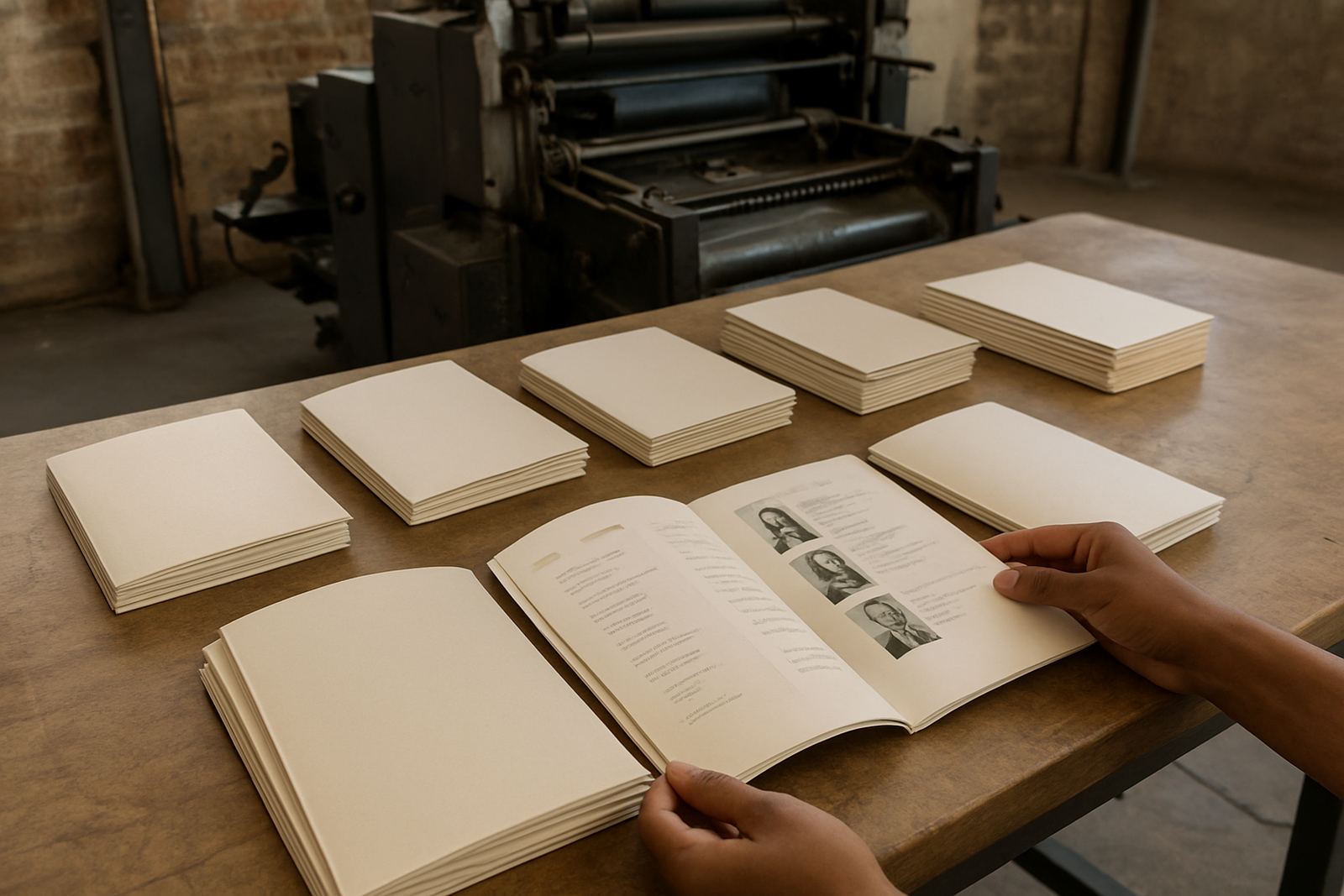
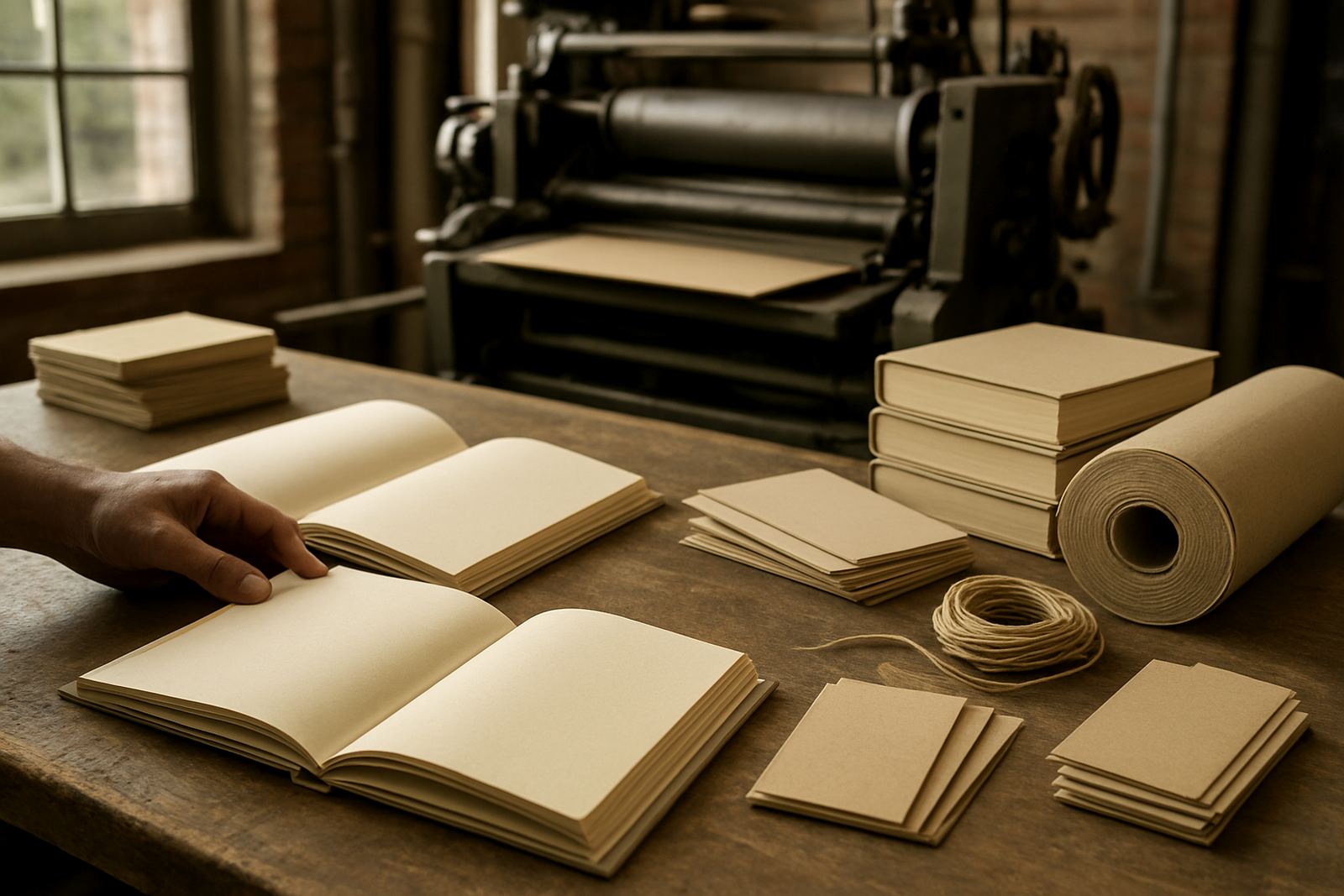
We manage hardcover work through offset or flexo printing, depending on the job setup, run length and paper choice. Text pages are printed after prepress checks and colour proofing, then folded, gathered and bound. Section sewing is used where extra strength is needed, especially on books with higher page counts or repeated use. The cover is then made up as a separate case and attached to the text block during case binding.
Finishing can include cover lamination, foil finishing, die cutting for custom windows or shapes, and careful packing and dispatch once the books pass final checks. Our bindery team watches the hinge, spine and square of the book closely, because that is where a hardcover job can show poor handling if the work is rushed. We keep an eye on the details so the final book opens well and sits straight.
- Offset printing for consistent text and image quality
- Flexo printing for selected packaging or wrap related work
- Section sewing for added strength on longer books
- Final packing for nationwide delivery from Johannesburg
What To Check Before You Order
The main things to confirm are the finished size, page count, binding style, paper weight and the way the cover should look. If your book includes photos, charts or fine text, send final files with enough resolution and clear margins. Bleed, trim and spine details must be checked early, because hardcover production leaves less room for late changes than a simple soft cover job. It saves time and cost when all that is set out at the start.
You should also confirm the print quantity, delivery destination and whether the books will need individual wrapping or carton packing. If the books are for retail sale, ask about barcodes, cover proofing and any special labelling needed by your distributor. For books going to publishers nationwide, we can plan delivery to Johannesburg, Pretoria, Sandton, Randburg, Midrand, Roodepoort and the East Rand, or further afield as required.
- Finished size and page count
- Paper choice for text and cover
- Need for sewing, lamination or foil
- Delivery point and packing instructions
Care, Storage And Servicing For Best Results
Hardcover books do not need power or gas for use, but they do need sensible storage and careful handling. Keep them flat in cartons until dispatch, away from damp floors and direct sun. In Johannesburg during dry months, static and dust can be an issue; on the coast, humidity can affect paper and cover boards if books are stored in a hot room. A clean, dry store room is better than a cramped area with temperature swings.
For long shelf life, avoid stacking heavy loads on top of finished books, and keep them off the ground during transport. If a title will be used often, ask us to recommend a binding structure and cover finish that suits the job. Hardcovers are meant to last, but the right paper and bindery setup make a real difference. That is where a proper spec sheet helps, even for a straightforward run.
- No installation, electricity or gas required
- Store in a dry, well ventilated place
- Avoid direct sun, wet floors and crushing weight
- Ask for advice on paper and board selection for heavy use
Key facts
| Binding | Case bound hardcover with rigid cover board |
|---|---|
| Trim sizes | A5, 170 x 240 mm, A4 and custom sizes |
| Page range | Typically from 64 pages to several hundred pages |
| Print methods | Offset printing and flexo printing where suitable |
| Finish options | Lamination, foil finishing, dust jacket, die cutting |
| Delivery | Nationwide from Industria, Johannesburg |