





Home / Journal

Print Journal

Our journal shares practical editorial content about commercial book and magazine printing in South Africa. Articles cover planning, production quality, binding decisions, and ways to get better results from every run.

Print Journal
Offset Vs Flexo

Offset Vs Flexo

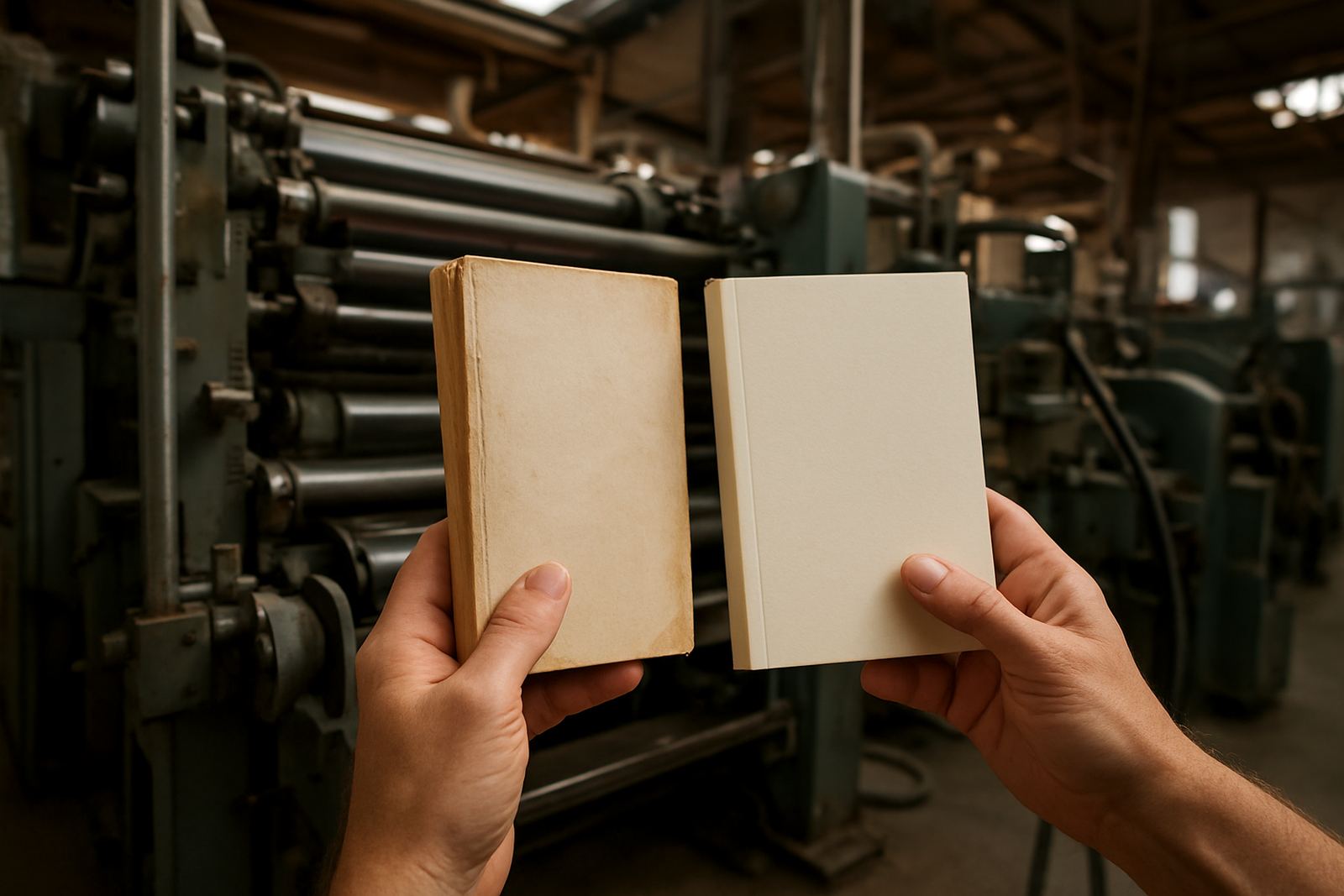
A plain-language look at where offset and flexo fit within different print requirements.

Choose Book Binding

Choose Book Binding

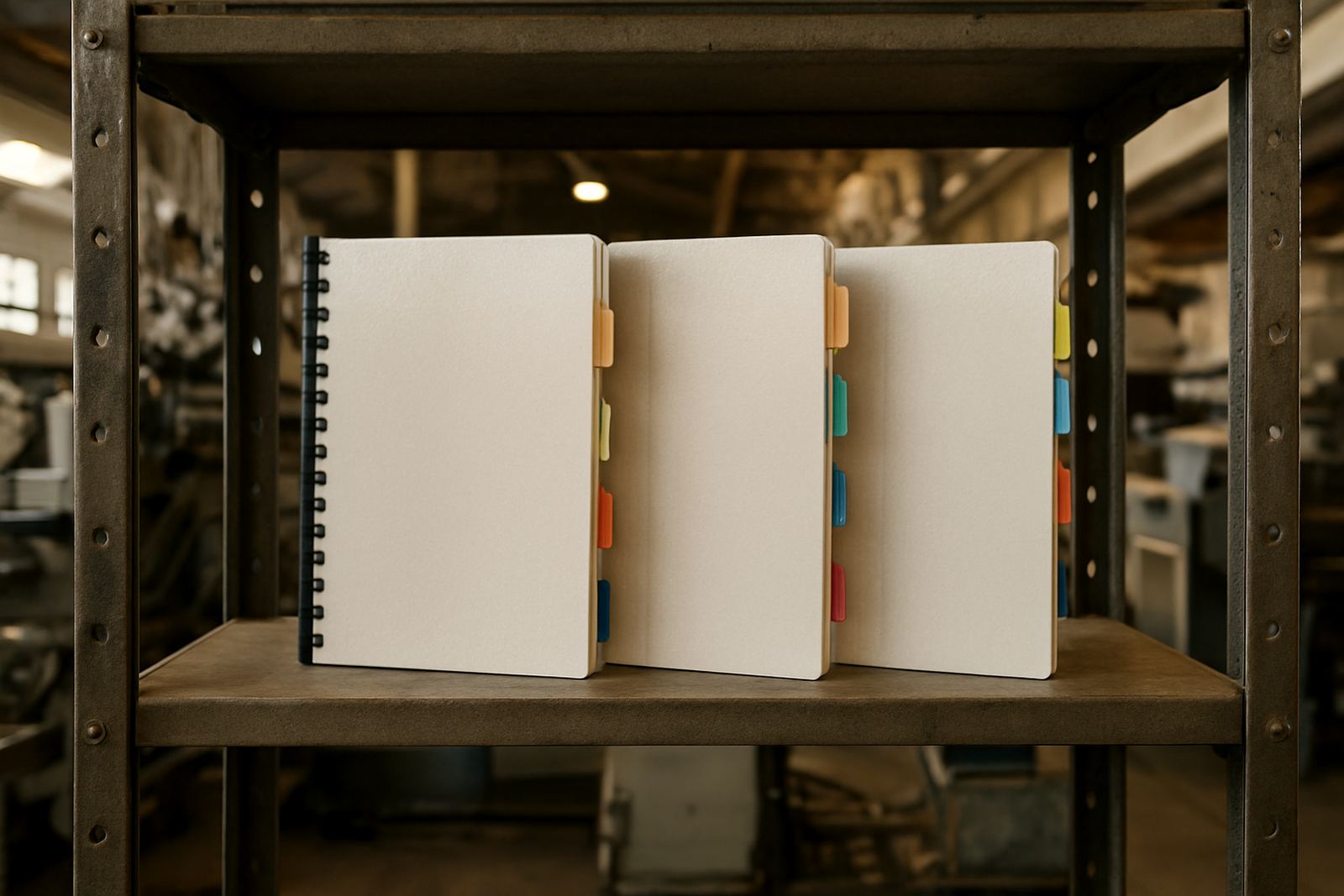
How to match binding style to page count, use, and budget.

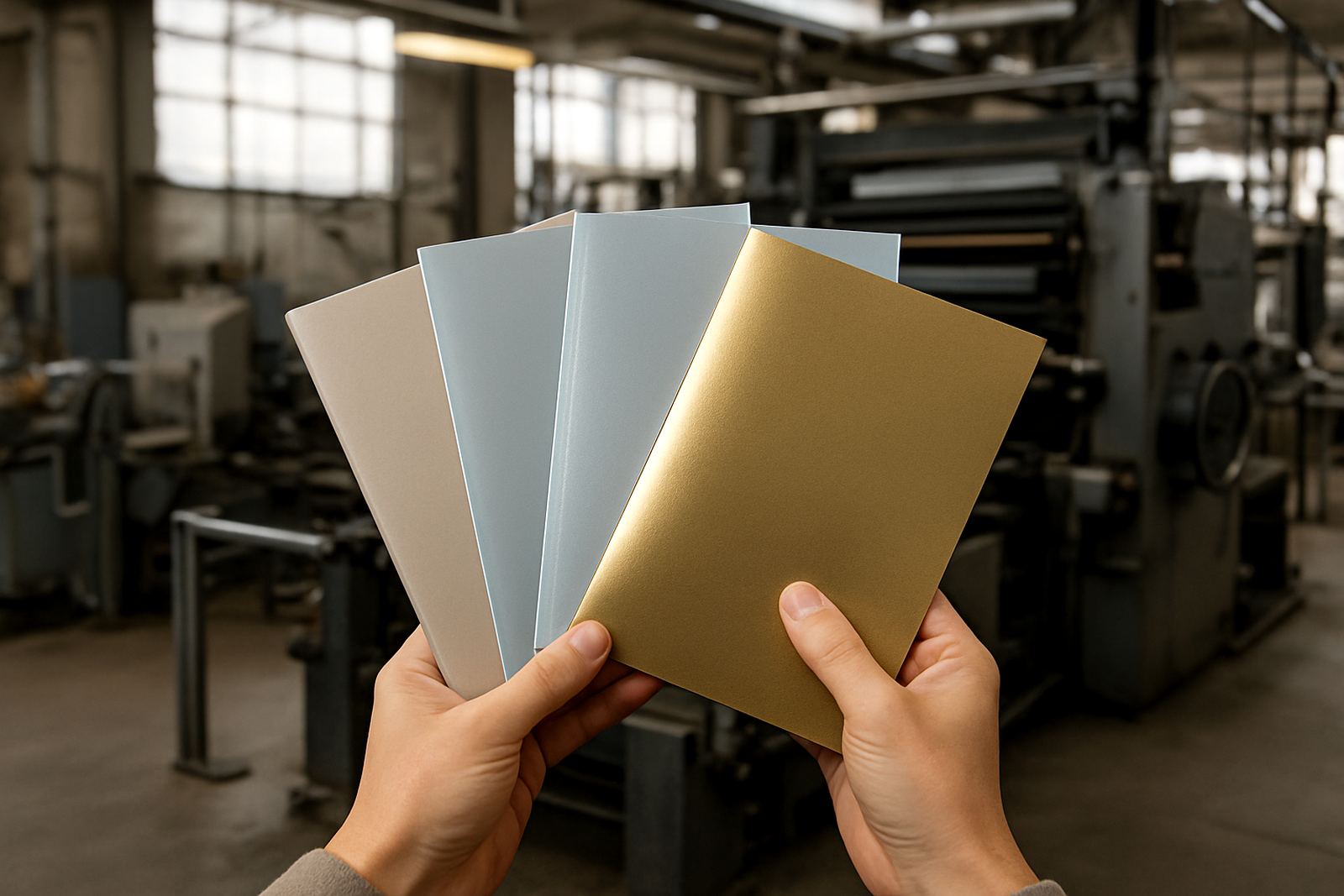
Magazine Paper Options

Magazine Paper Options

An overview of coated and uncoated paper choices for magazine production.

Book Cover Finishes

Book Cover Finishes

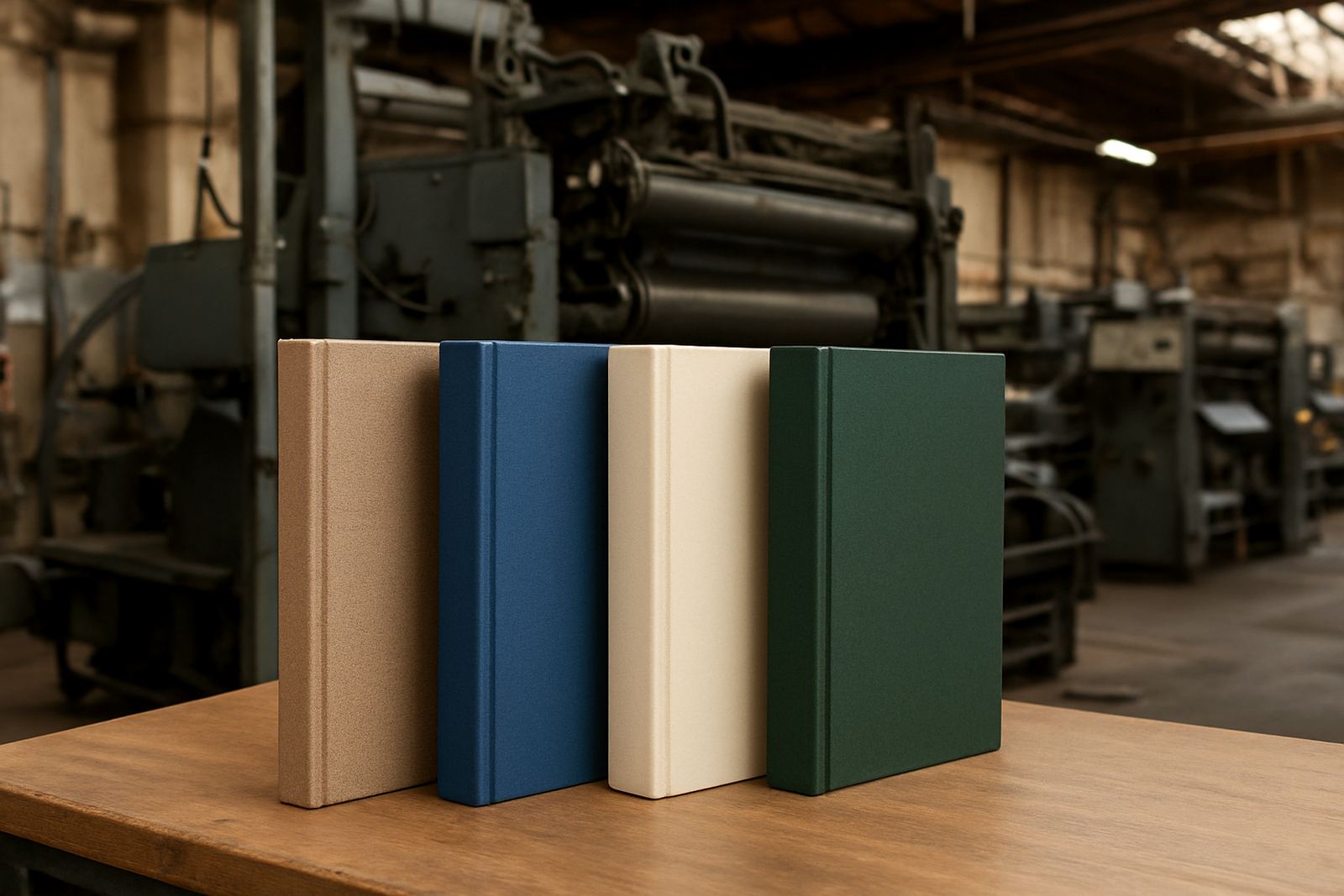
Popular cover finishing options that affect look, feel, and durability.

Prepare Print Files

Prepare Print Files

Essential checks before sending artwork for books, magazines, and reports.

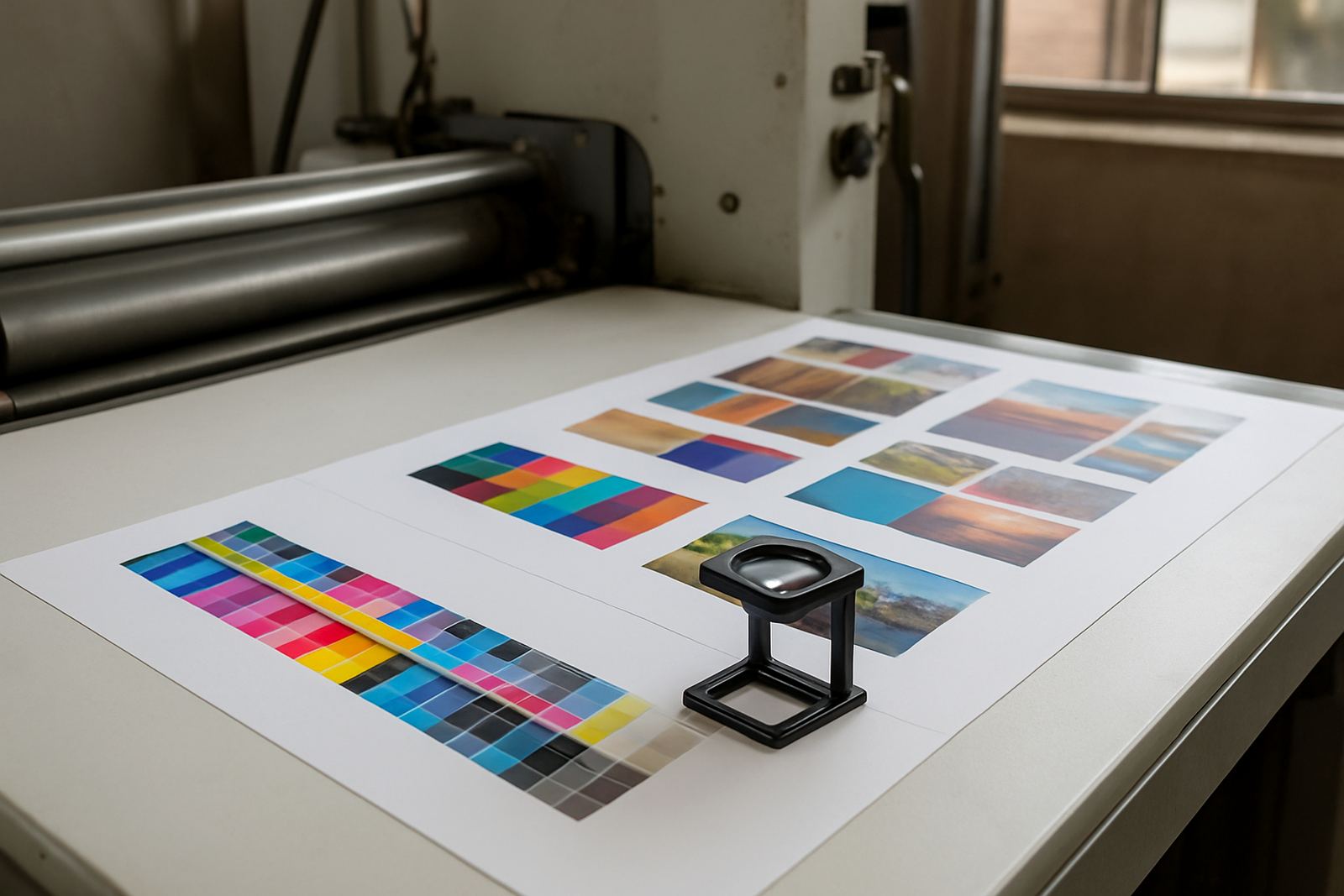
Colour Consistency Tips

Colour Consistency Tips

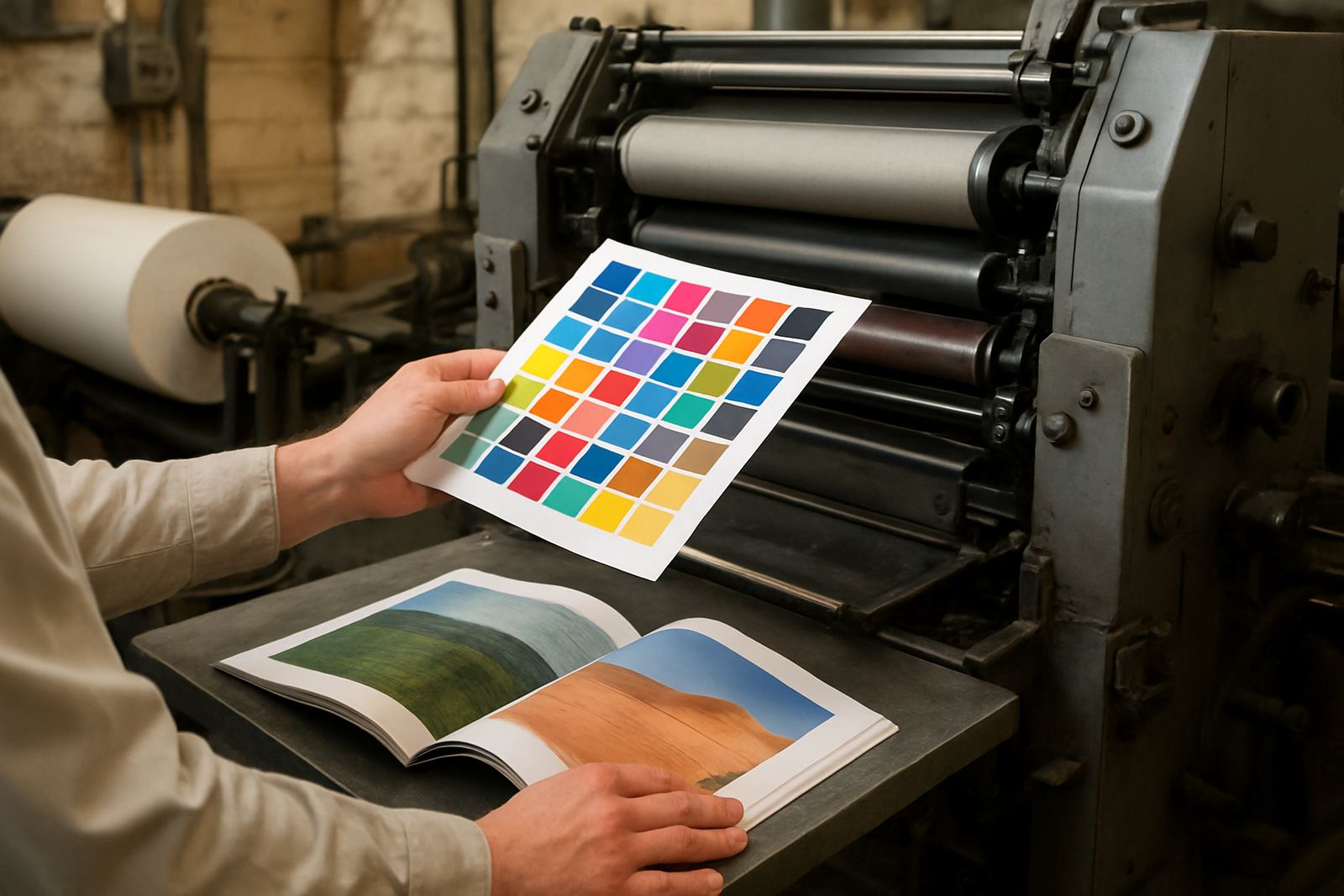
Ways to improve colour control from proofing through to final print.

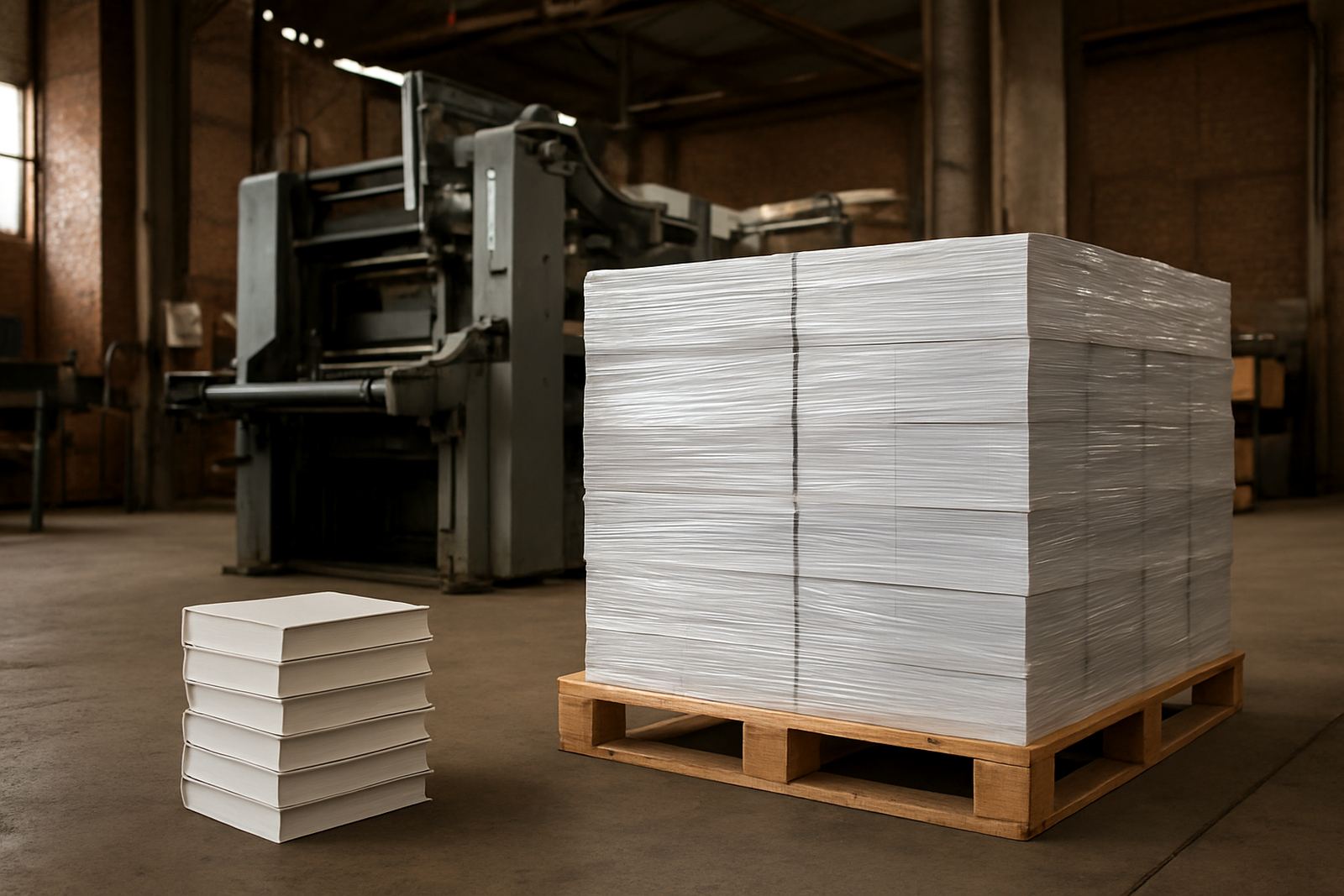
Print Run Planning

Print Run Planning

How to estimate quantities without overprinting or risking shortages.

Short Vs Long Runs

Short Vs Long Runs

A cost and production comparison between smaller and larger publication runs.

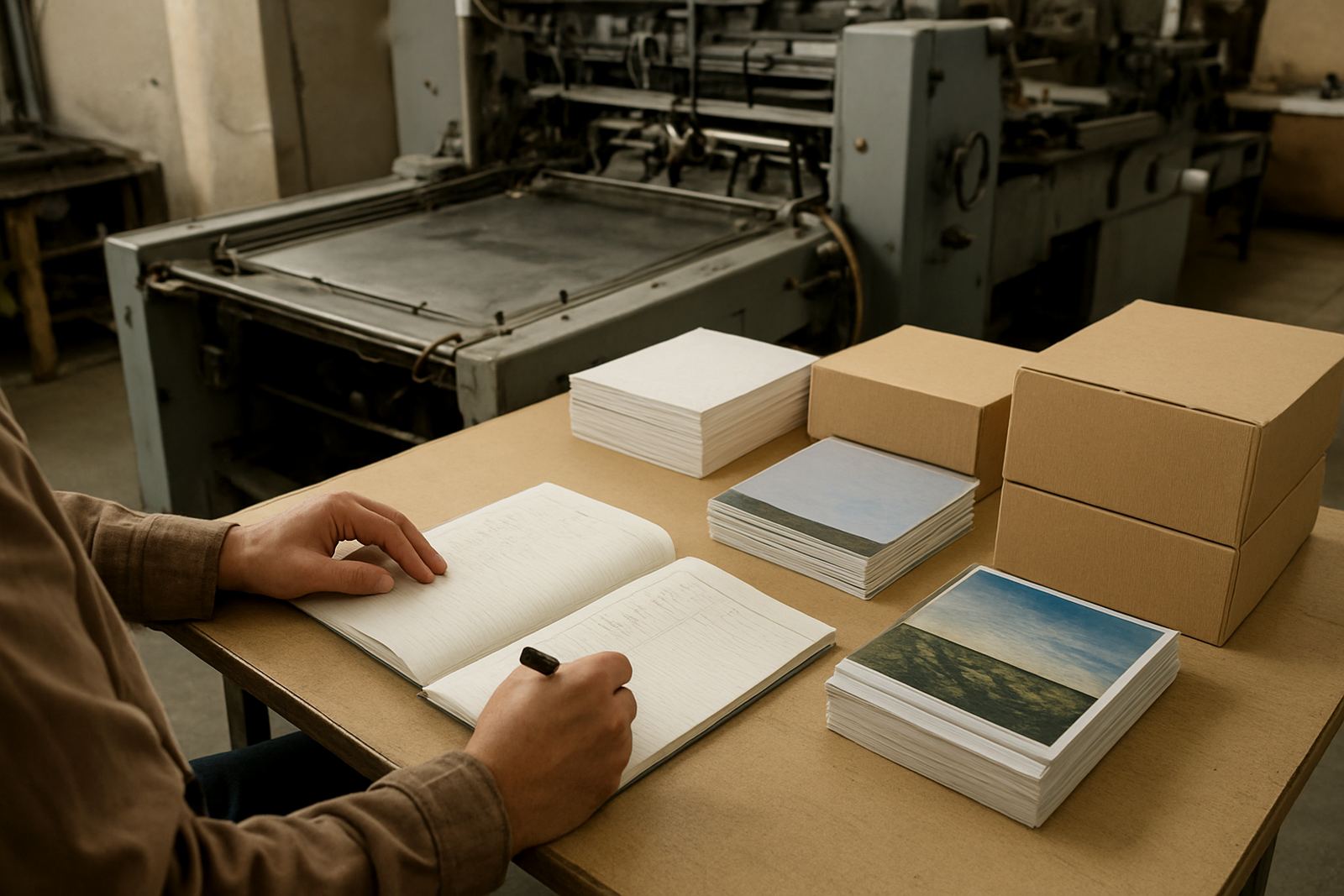
Proofing Before Production

Proofing Before Production

Why sign-off stages matter for content, colour, and pagination accuracy.

Perfect Bound Spines

Perfect Bound Spines

What affects spine width, cover setup, and title readability.

Sewn Books Benefits

Sewn Books Benefits

When sewn sections justify the added investment in book production.

Lamination Explained

Lamination Explained

The difference between gloss and matte lamination for print covers.

Foil On Covers

Foil On Covers

How foil can add emphasis and when it suits a publication.

Trim Size Basics

Trim Size Basics

How publication size shapes costs, layouts, and reader experience.

Bleed And Margins

Bleed And Margins

Simple layout rules that help avoid costly production mistakes.

Pagination Checks

Pagination Checks

Common pagination issues to catch before a job goes on press.

Advert Placement

Advert Placement

Planning ad positions so magazines balance revenue and reader flow.

Yearbook Photo Quality

Yearbook Photo Quality

How image resolution and correction affect school yearbook results.

Paperback Durability

Paperback Durability

What influences how well a paperback stands up to regular use.

Hardcover Value

Hardcover Value

When a hardcover format makes sense for prestige and lifespan.

Workbook Practicality

Workbook Practicality

Design and finishing considerations for educational workbook printing.

Factory Manuals

Factory Manuals

Why layout clarity and robust finishing matter in operational manuals.

Annual Report Look

Annual Report Look

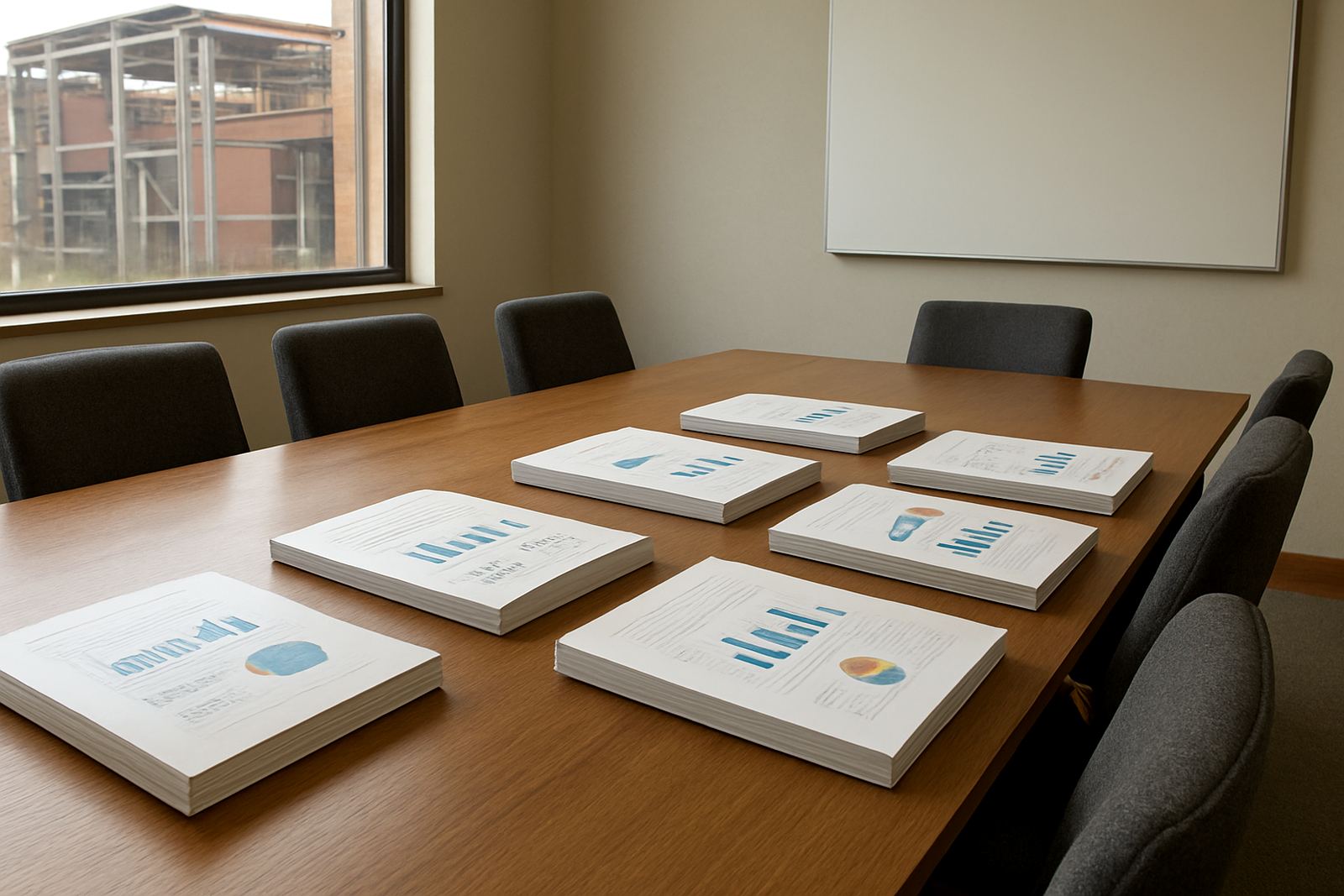
Creating a polished report through stock, binding, and cover choices.

Catalogue Image Reproduction

Catalogue Image Reproduction

How to keep product images sharp and appealing in catalogues.

Journal Consistency

Journal Consistency

Maintaining recurring issue quality across academic or trade journals.

Dispatch Without Damage

Dispatch Without Damage

Packing methods that help books and magazines arrive in good condition.

Author Launch Quantities

Author Launch Quantities

Estimating sensible print quantities for a first author event.

Reprint Timing Signs

Reprint Timing Signs

Signals that it is time to plan a reprint before stock runs out.

Cover Stock Selection

Cover Stock Selection

Balancing stiffness, printability, and budget in cover material choices.

Inside Paper Feel

Inside Paper Feel

Why paper texture and bulk shape the reading experience.

Book Block Quality

Book Block Quality

What a strong, even book block says about production care.

Fold Accuracy

Fold Accuracy

How folding precision supports neat magazines and booklets.

Reading Open Flat

Reading Open Flat

Binding choices that improve how a publication opens in use.

Finishes And Budget

Finishes And Budget

How decorative finishing affects total publication cost and lead time.

Magazine Binding Choices

Magazine Binding Choices

A guide to deciding between stitched and perfect bound magazines.

Paper Grain Direction

Paper Grain Direction

Why grain direction matters in folding, binding, and finished feel.

Avoiding Spine Crack

Avoiding Spine Crack

Practical ways to reduce visible cracking on heavy printed covers.

Client Approvals

Client Approvals

Keeping sign-off organised so production moves smoothly and accurately.

How to plan a print run that suits your title

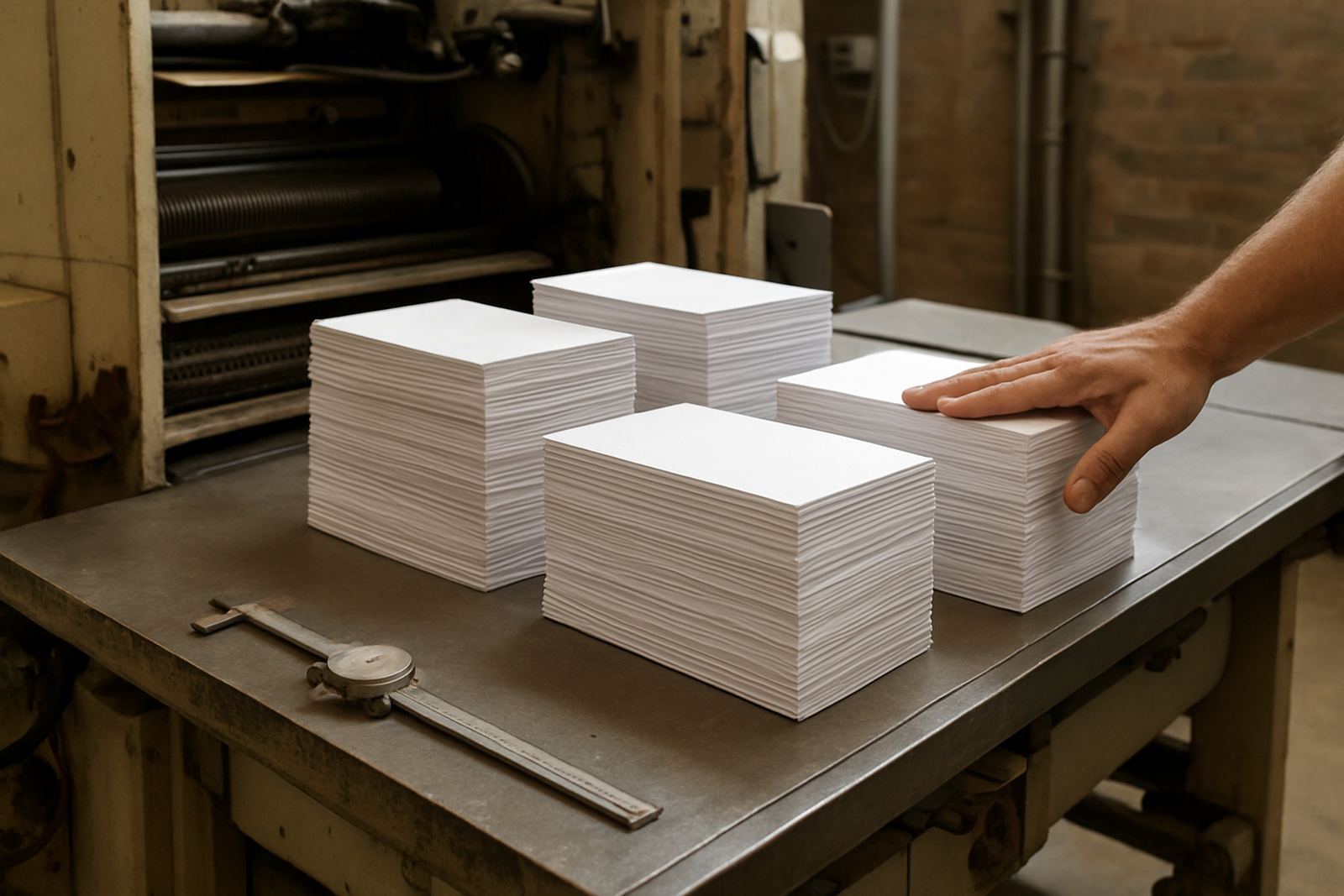
Every book or magazine starts with a decision about quantity, paper, size and finish. That is where cost, turnaround and final quality are shaped. For publishers in Johannesburg, Pretoria and further afield, the best results usually come from matching the print method to the run size and the way the title will be used. A 96-page magazine for monthly distribution needs a different setup from a 240-page hardcover title for shelf sale.

We share articles that help you plan with fewer surprises at press stage. Expect practical notes on trim size, page count, image resolution, bleeds, paper selection and how to allow for binding creep on thicker sections.

  • Work out the real page count before artwork starts
  • Check whether your title needs short-run flexibility or longer-run consistency
  • Allow for packing, dispatch and delivery to publishers nationwide

When offset printing is the better choice

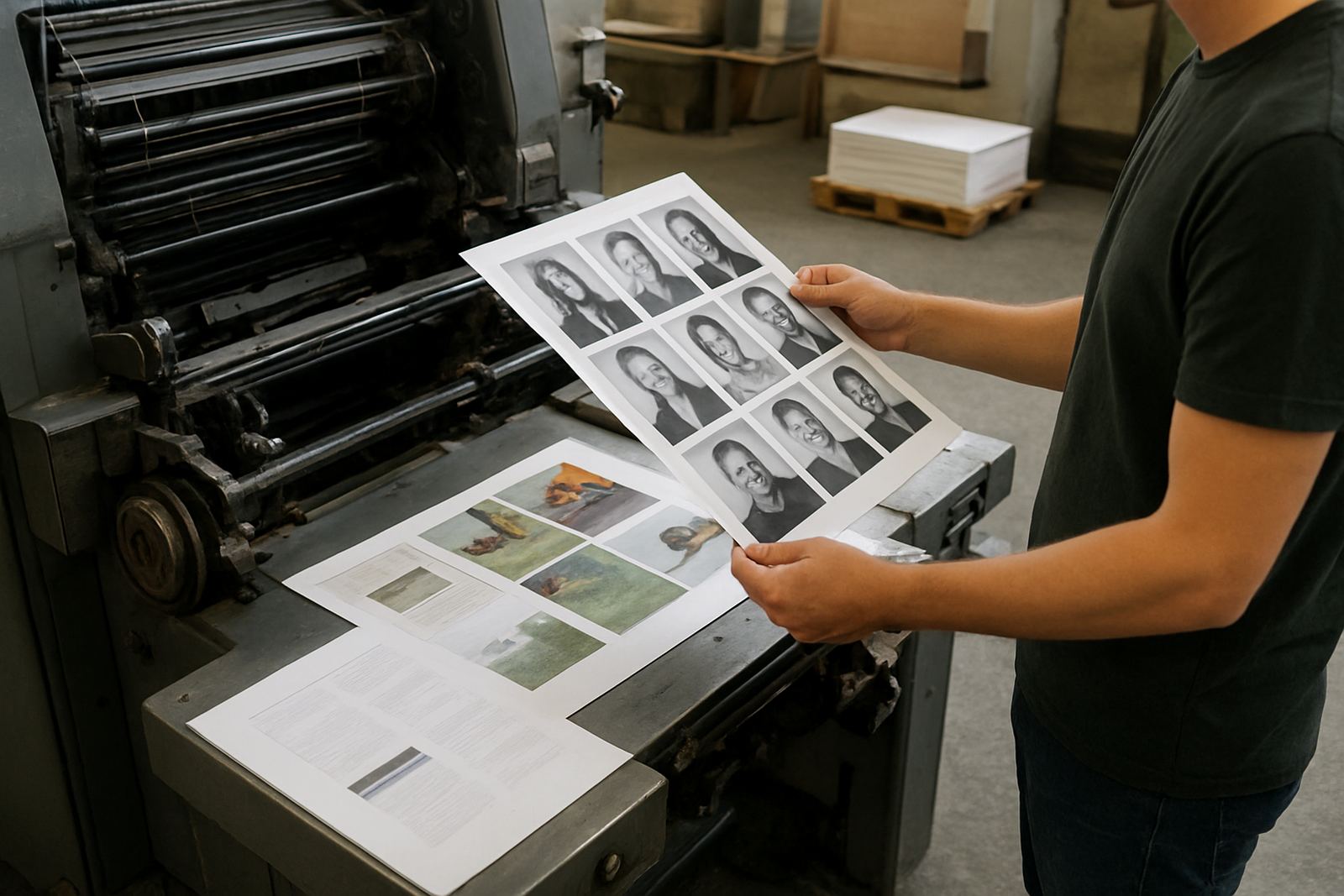
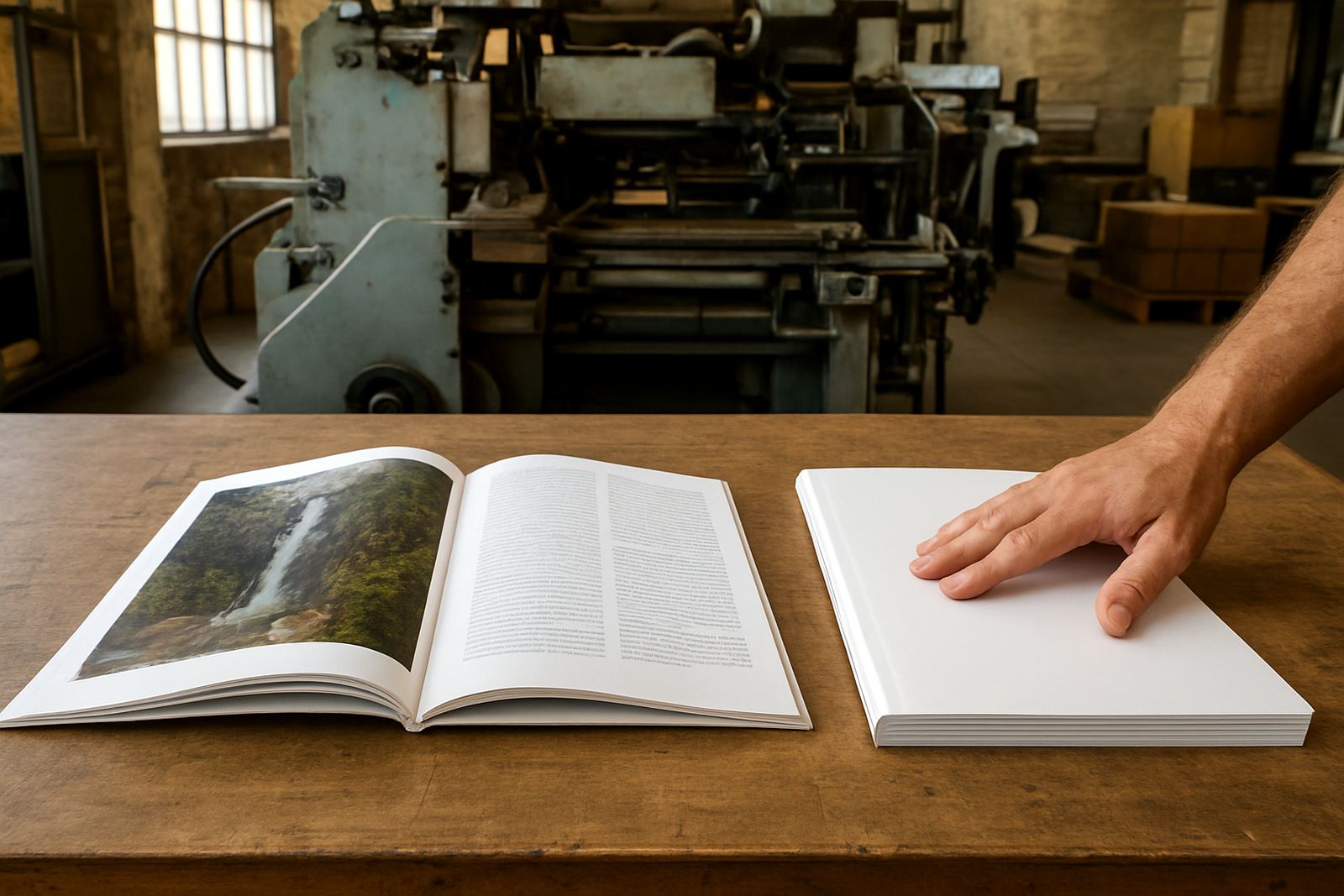
Offset printing suits titles that need tight colour control, repeatable quality and efficient unit costs at volume. It is often the right fit for magazines, catalogues, annuals and books with a stable print order. If your pages carry solid colour blocks, fine type, spot images or strict brand colours, offset gives a dependable result when the prepress work is handled properly.

Our journal articles explain what to look for before approval, including proof checks, trapping, ink coverage and how paper choice affects the finished look. In South African conditions, humidity and storage time can also influence paper movement, so planning matters from the start.

  • Best for medium to high quantities
  • Useful when colour consistency matters across the whole run
  • Suitable for publication work that must arrive packed and ready for distribution

Binding choices that affect how your publication lasts

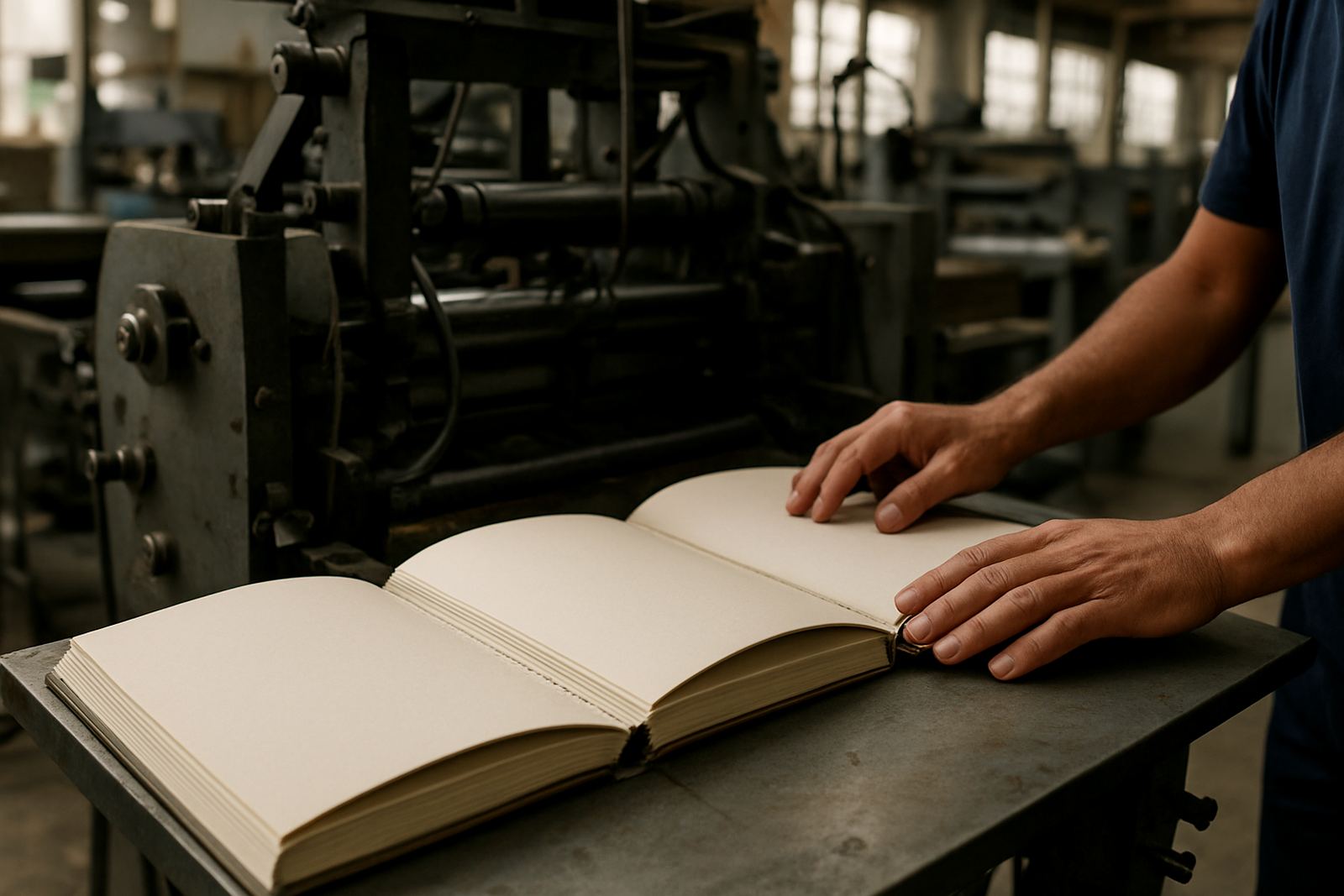
The binding method changes how a publication opens, how it wears and how it presents on a shelf. That is why we cover saddle stitching, perfect binding, case binding and section sewing in practical detail. A short magazine might only need clean saddle stitching, while a reference book or annual report may call for perfect binding or section sewing for better life span.

For coastal deliveries into places like Durban and Port Elizabeth, moisture resistance and cover protection are worth thinking about. For office use in Gauteng, the main concern may be flat opening and a neat spine for filing. The right choice depends on page count, use and budget, not just appearance.

  • Saddle stitching for lighter magazines and booklets
  • Perfect binding for thicker titles with a square spine
  • Case binding and section sewing for premium or long-life books

Prepress checks that save time at press

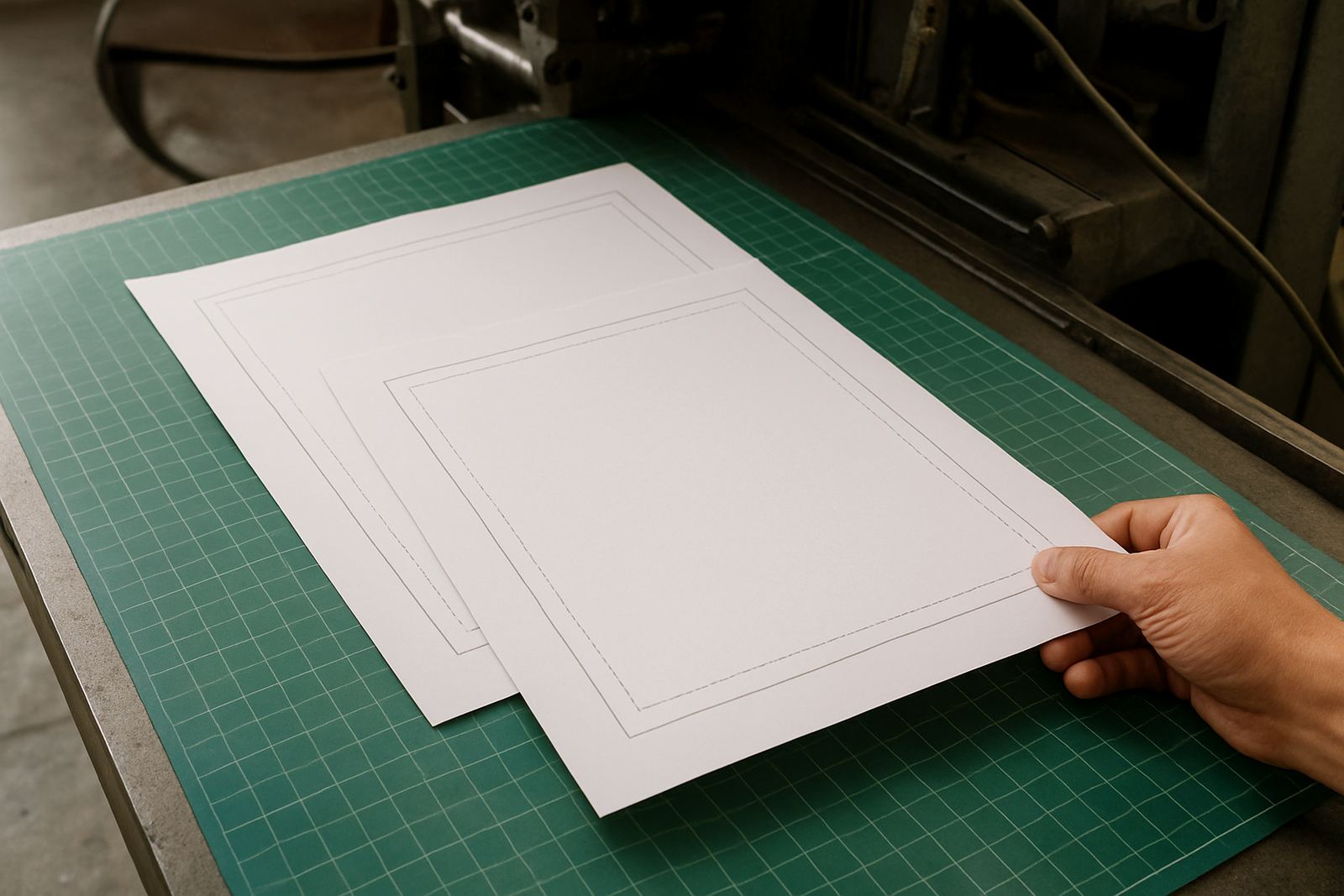
Good printing starts well before the press is switched on. Our prepress notes cover image checks, font issues, colour builds, overprint settings and PDF readiness. Small errors in artwork can lead to delays, extra cost or avoidable reprints. A missing bleed or low-resolution image can show up quickly once the job reaches plate making or proofing.

Editors, designers and production teams use these articles to check files before they are sent for approval. That saves time for everyone and helps keep production moving, especially when deadlines are tight and load-shedding has already squeezed the day.

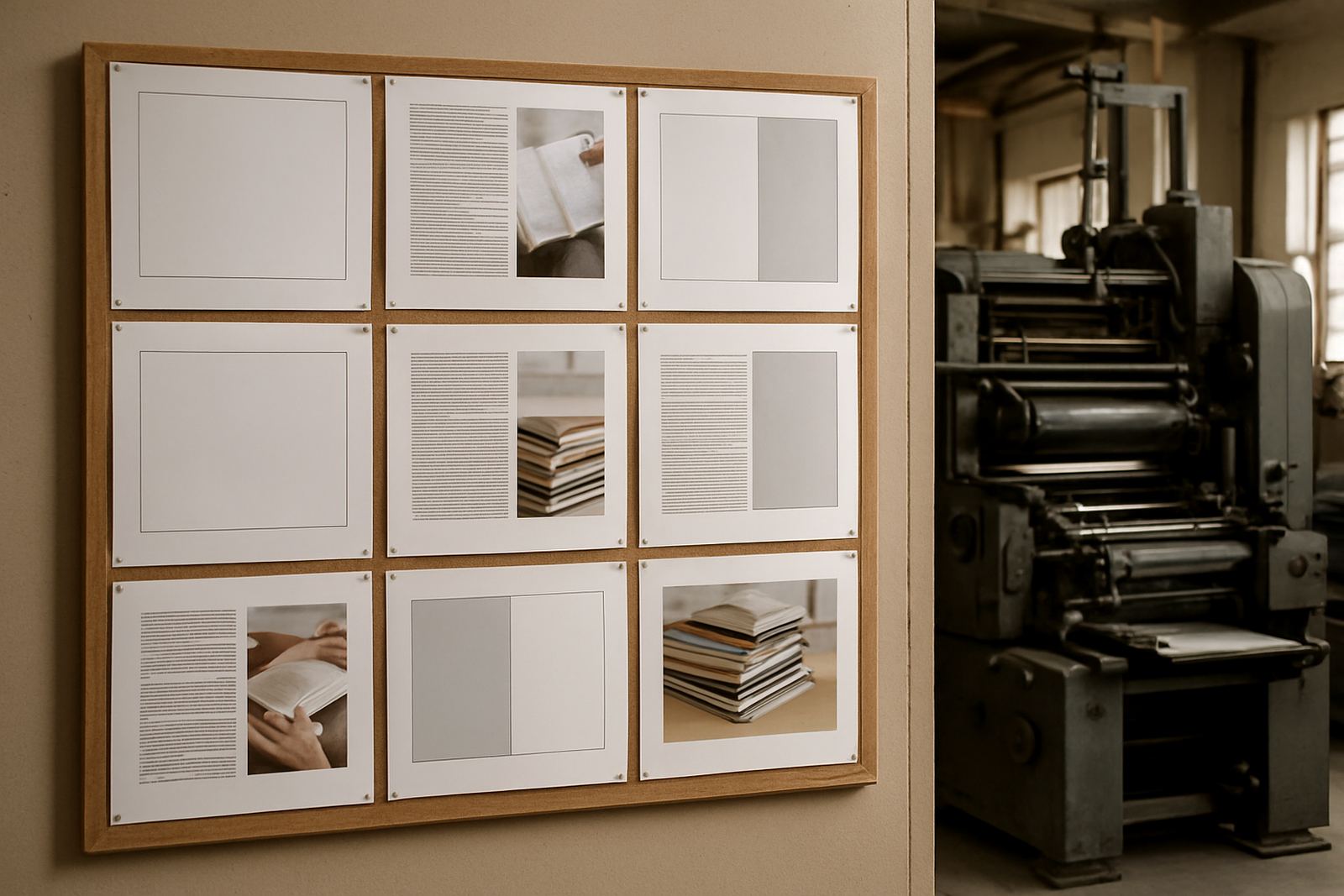
  • Confirm trims, bleeds and page order
  • Check that images are sized correctly and print clearly
  • Review colour proofing before final sign-off

Finishing details that make a publication easier to use

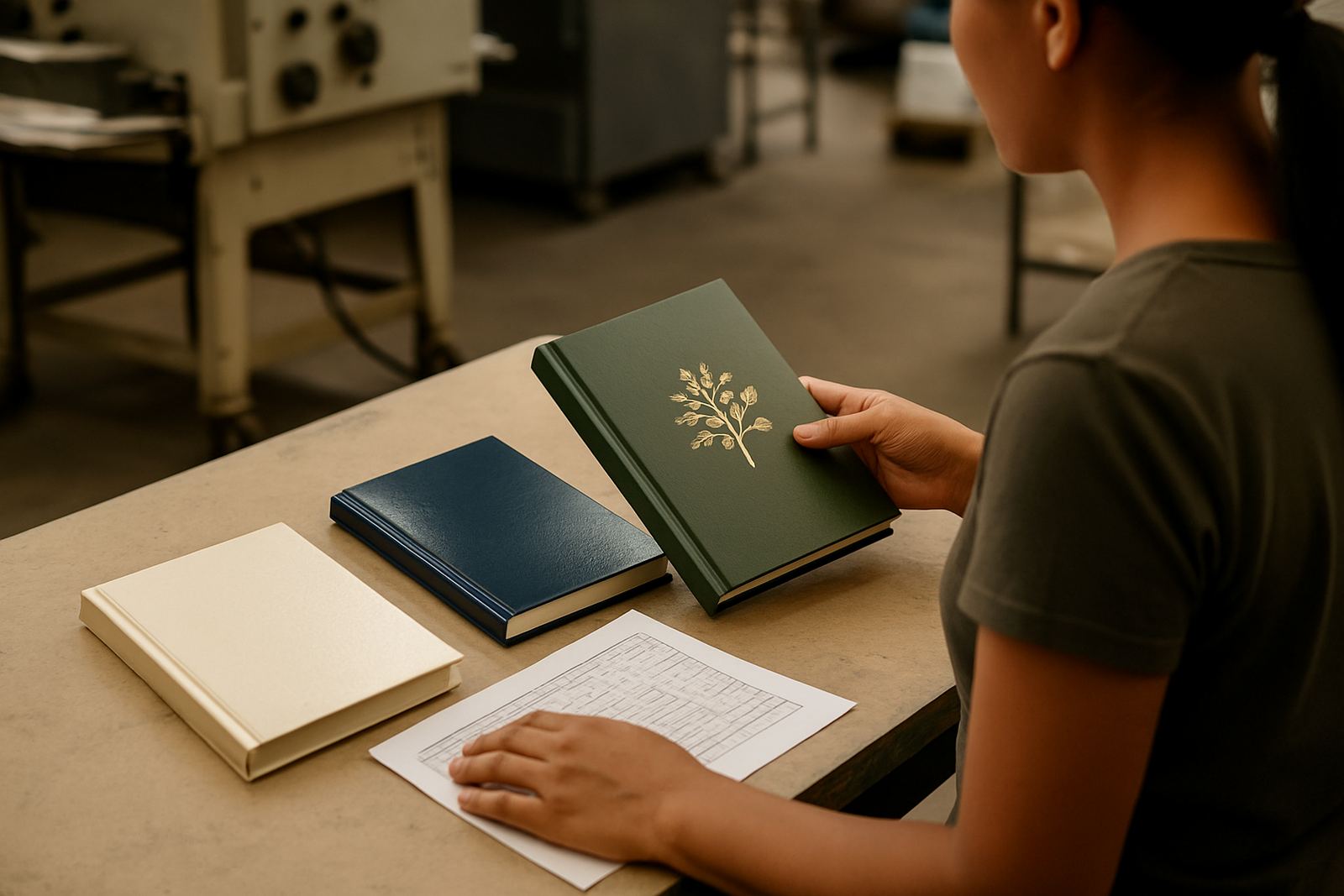
Finishing is where a printed piece gains its final practical value. We cover lamination, foil finishing, die cutting and packing so publishers can assess what is worth adding and what is not. A laminated cover can help a title withstand transport and retail shelving more effectively. Foil can help a special edition stand out. Die cutting can create a custom shape or opening, but it must be planned around cost and handling.

Finishing choices should match the purpose of the publication. A trade magazine for a business audience may need clean handling and strong first impressions, while a training manual may need durability above all else. The right finish should support the content, not distract from it.

Print guidance for publishers and businesses

If you are managing a launch in Sandton, a reprint in Randburg or a national distribution schedule from Industria, the same basic questions apply: what quantity, what binding, what finish and what delivery plan will work best.

The journal is also useful when you need to brief a team member or compare options before requesting a quote. It gives you a practical starting point, so you can come in with clearer specs and fewer back-and-forth changes.

  • Helpful for publishers, authors and business clients
  • Focuses on real print decisions, not theory
  • Supports better planning for jobs delivered nationwide

Questions we get asked

What topics does the Print Journal cover?

It covers planning, prepress checks, colour proofing, binding decisions, finishing options and practical ways to improve commercial book and magazine print results.

Who should read these articles?

Publishers, authors, production teams and businesses that need clear guidance on print quality, layout checks and choosing the right binding or finish.

Can the advice help with national print projects?

Yes. Jobs can be collected in Johannesburg or delivered to publishers nationwide, and the prepress and binding checks stay the same either way.

Send a book or magazine brief.

Contact form