

Start With The Publication Type And Run Size
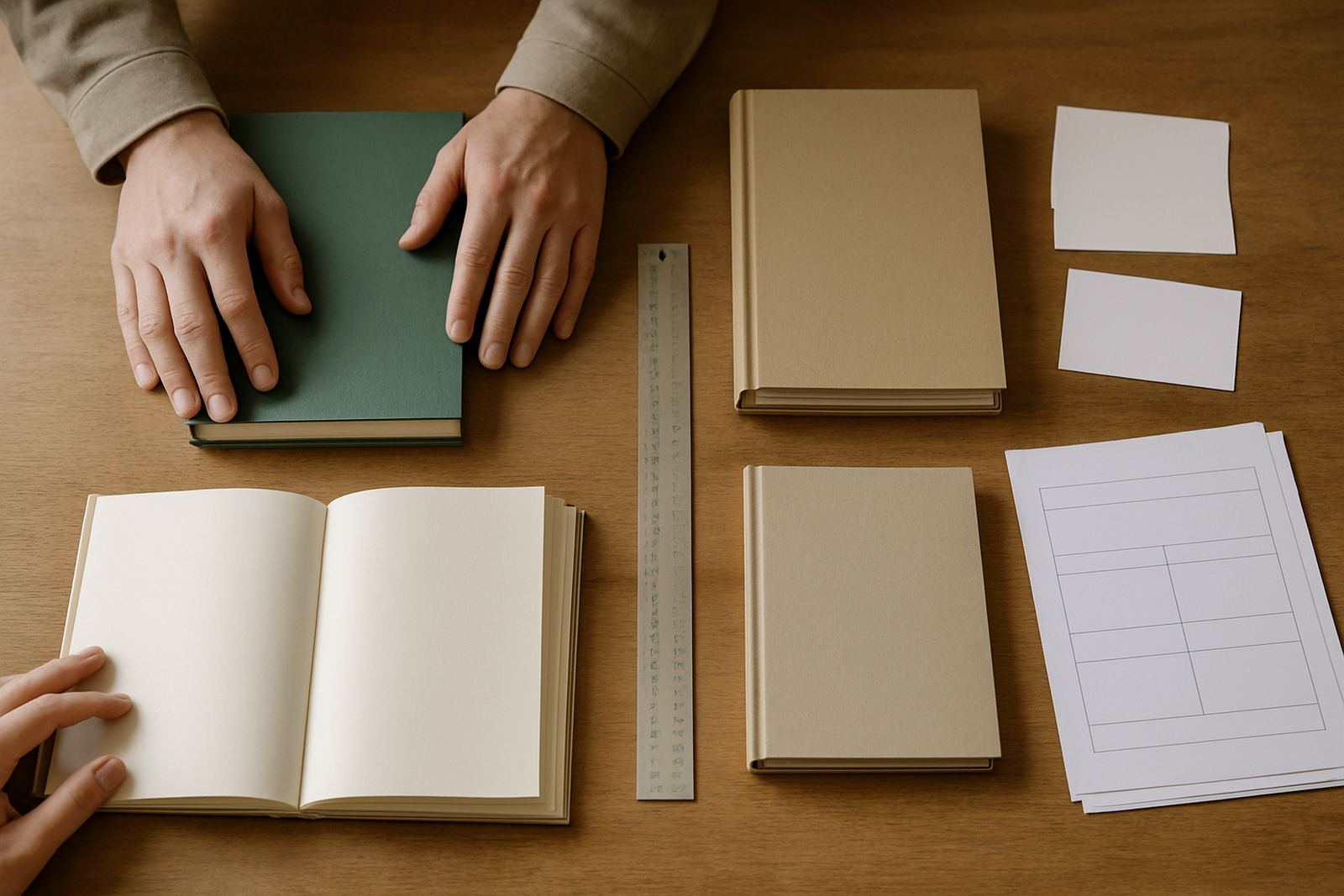
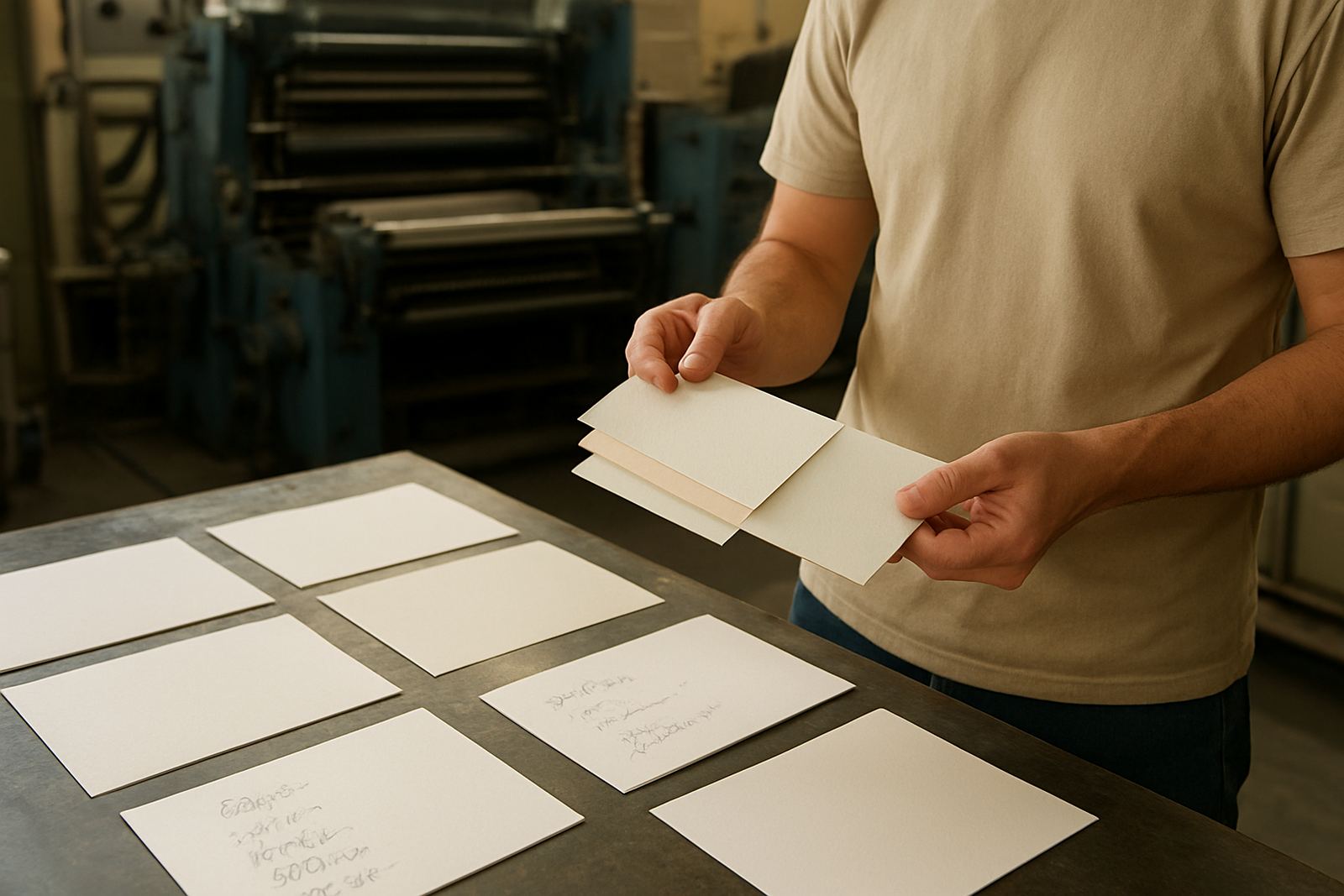
Every print job begins with the basics: what you are printing, how many copies you need and how the finished piece will be used. A short internal report, a trade magazine, a school reader and a retail title all have different needs. The more clearly you define the purpose, the easier it is to choose paper, binding and finish without paying for extras you do not need.
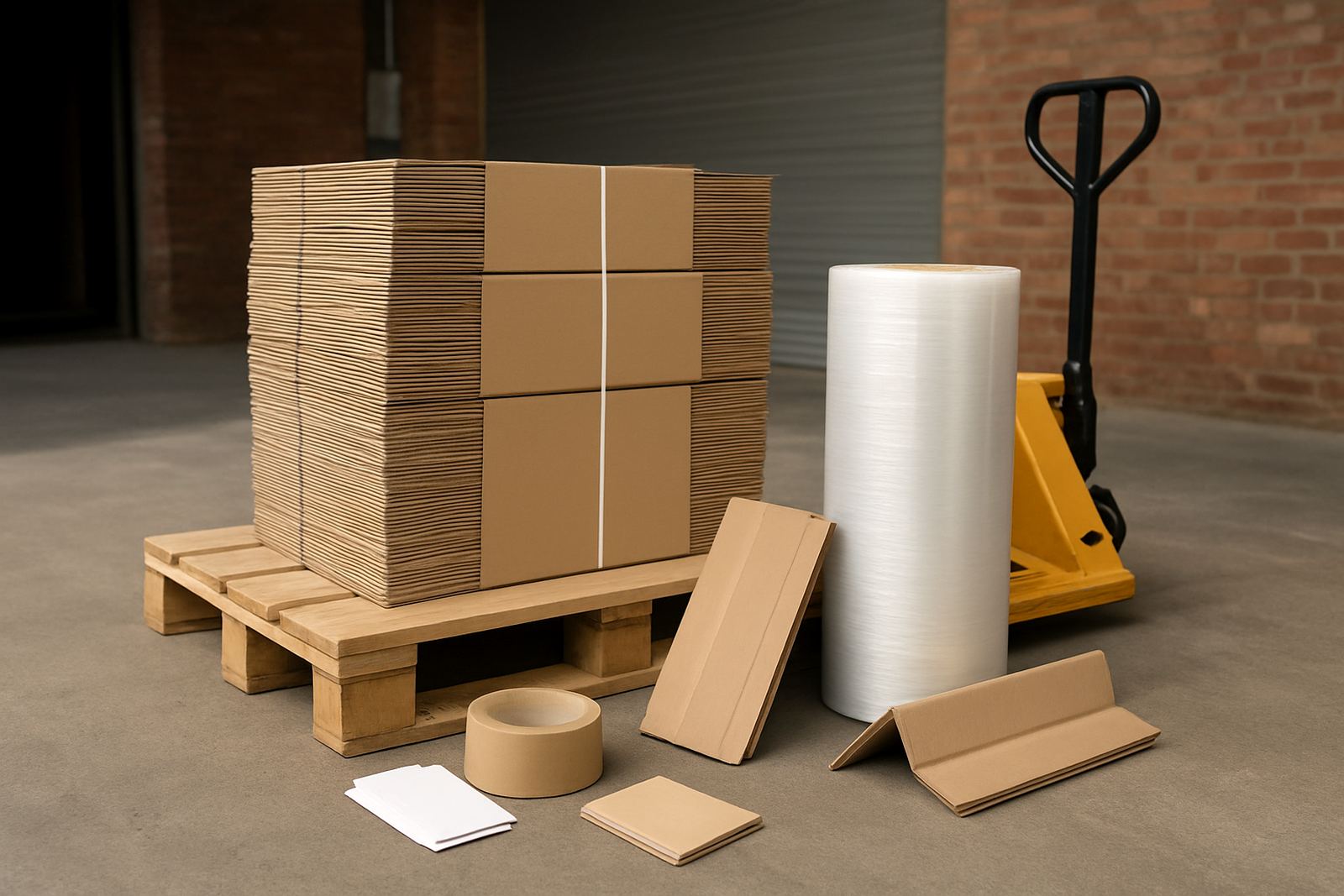
If you are printing for publishers or businesses in Johannesburg, Sandton, Randburg, Midrand or Pretoria, it also helps to think about storage and delivery. A 500-copy job for a launch event is planned differently from a 10 000-copy run that must be packed and dispatched nationwide. Our guides help you match the job size to the right production method, so the result fits the budget and the deadline.
- Confirm final trim size before asking for a quote
- Check whether the title is sold, handed out, or archived
- Decide how many copies need to reach each branch or distribution point
Choose The Right Printing Method For The Job
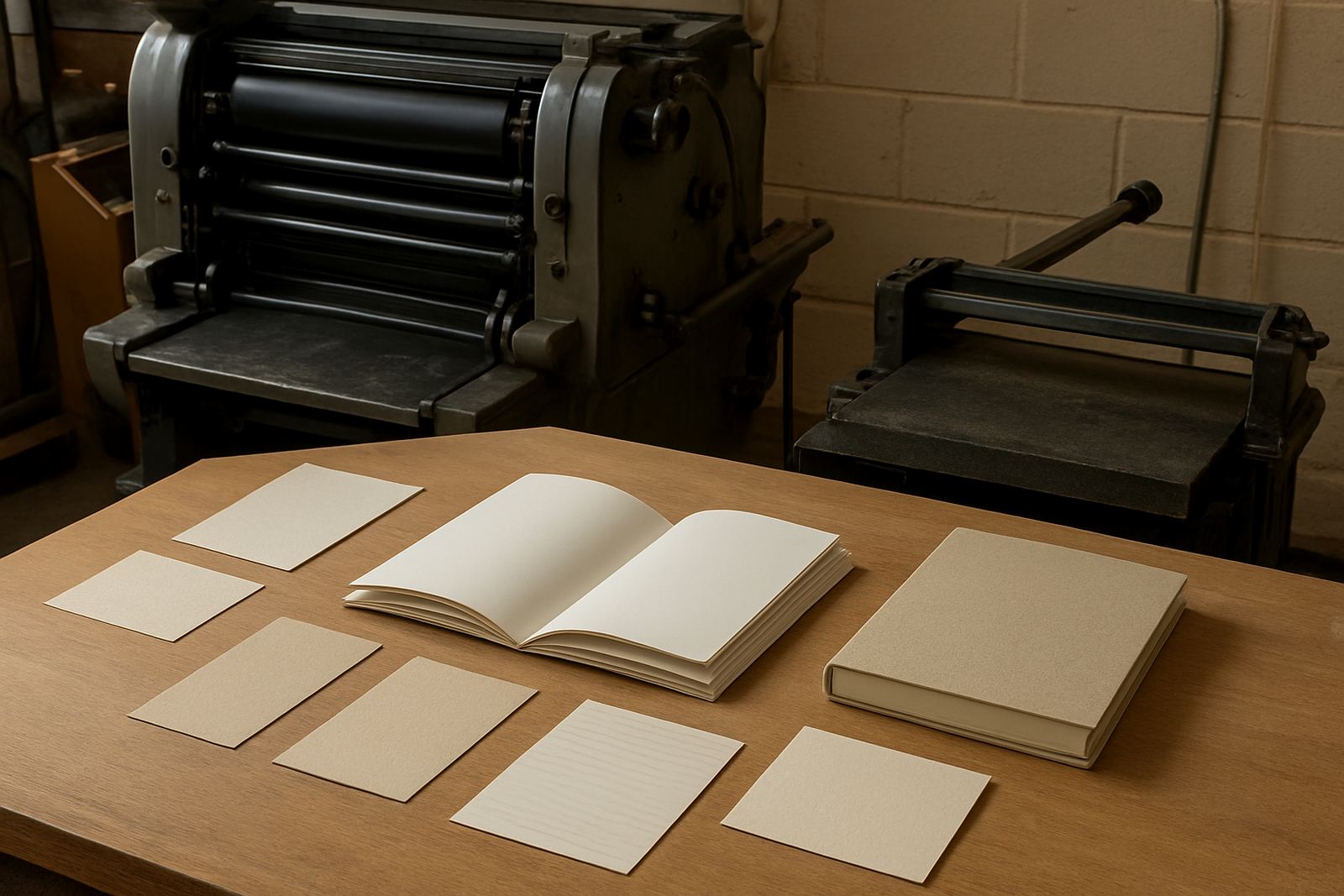
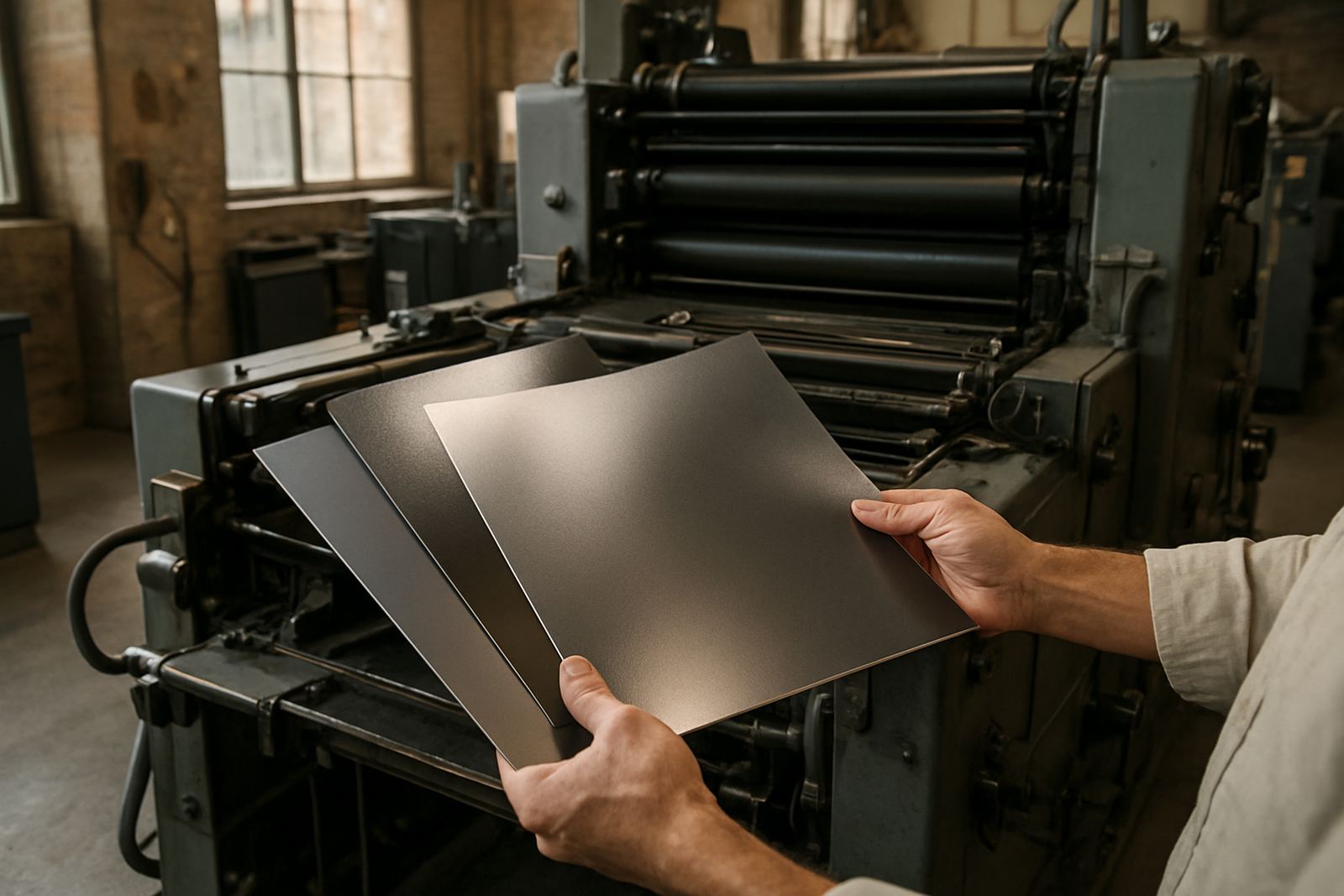
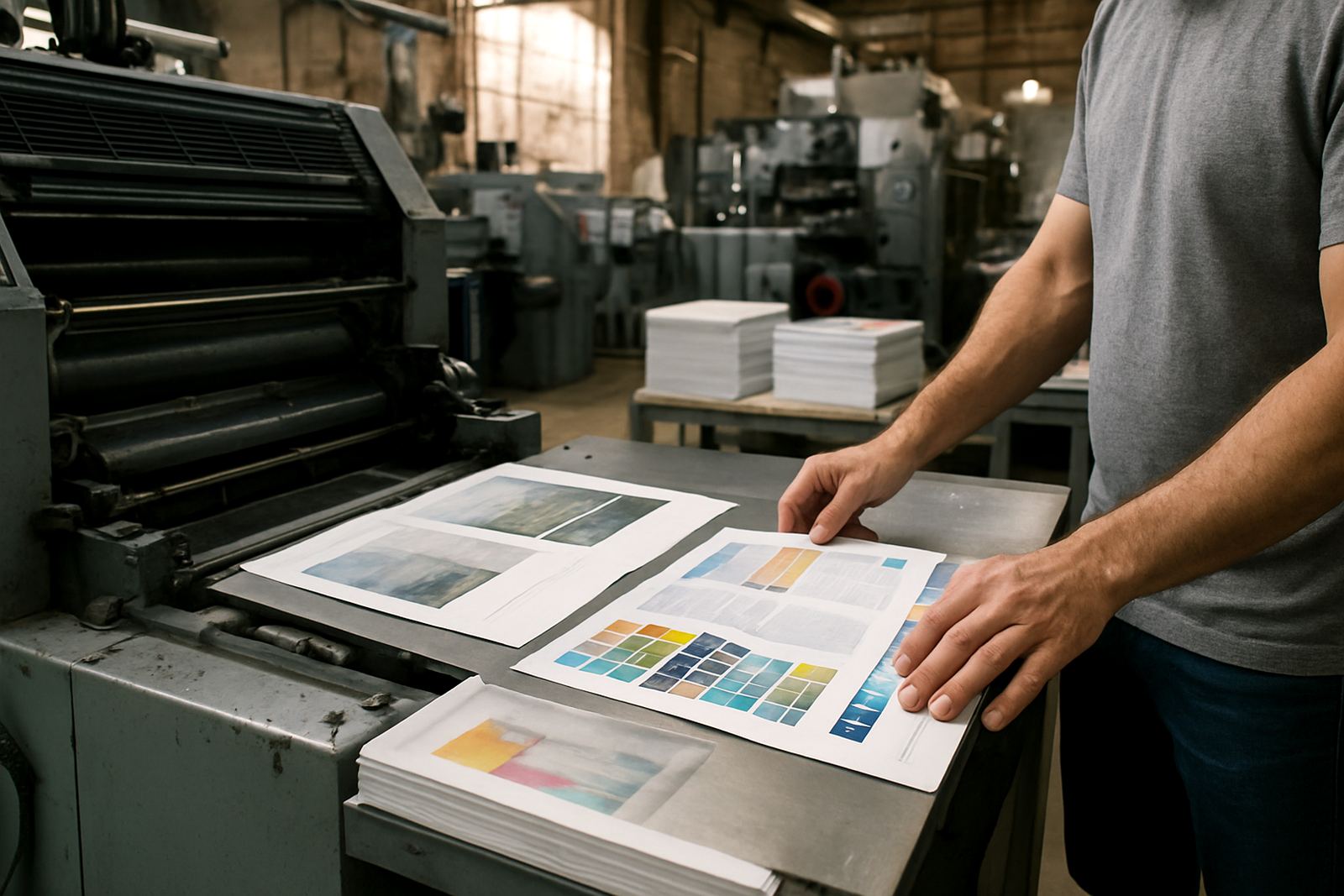
Offset printing and flexo printing serve different needs, and the right choice depends on volume, stock type and how consistent the artwork must be across the run. Offset is often chosen for books, magazines and collateral where image detail, text clarity and colour control matter. Flexo is commonly used where production speed and repeatability are important.
These guides explain what to expect from each method, including setup time, paper choices and the sort of artwork that produces the cleanest result. If you are planning a publication with multiple sections, solid colour areas or fine type, you need to know how each process handles those elements before the plates go on press.
- High detail and rich image work usually benefit from offset printing
- Larger repeat runs may justify different production planning
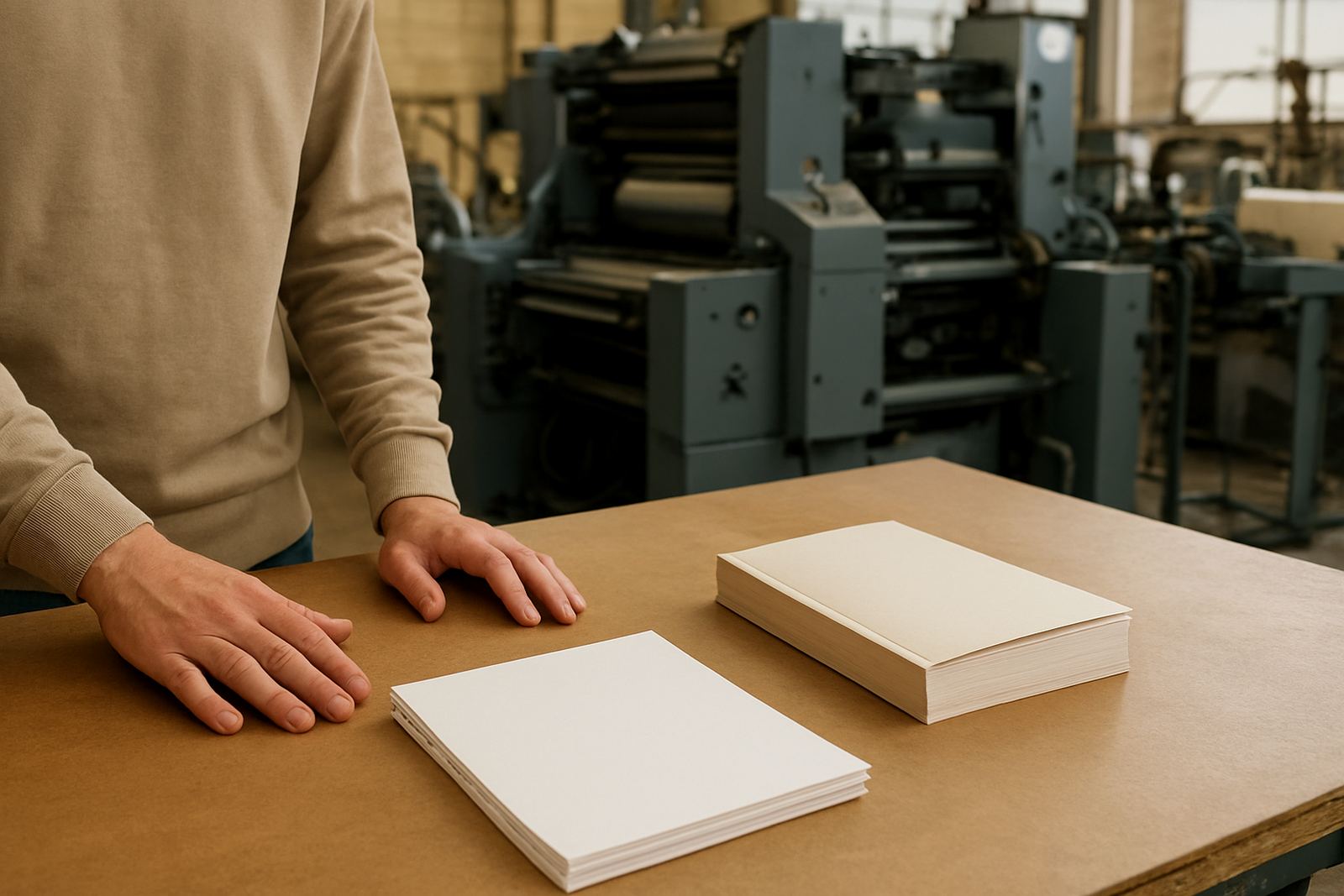
- Speak up front about recycled stock, coated paper or lighter uncoated sheets
Plan Prepress Checks Before You Sign Off
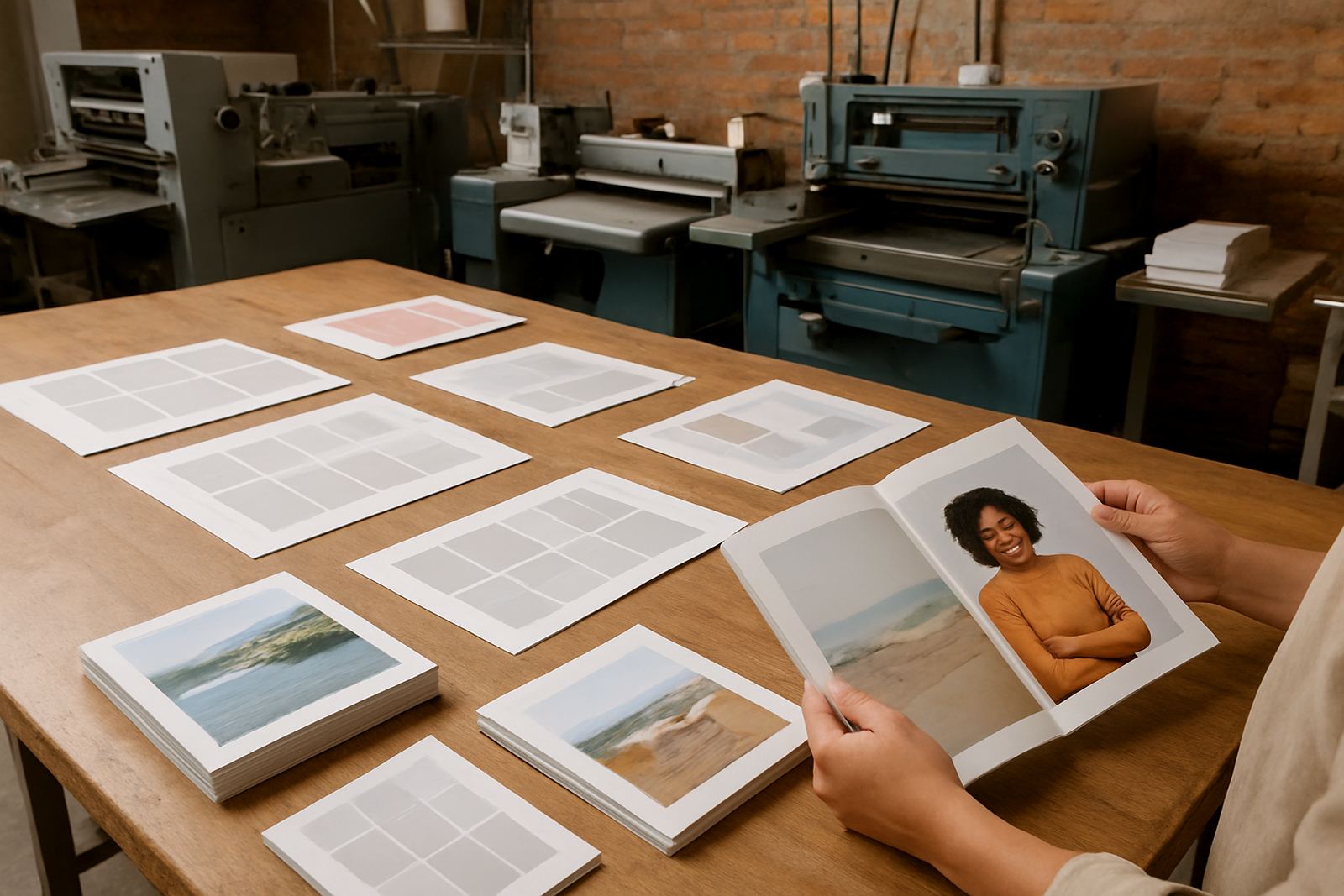
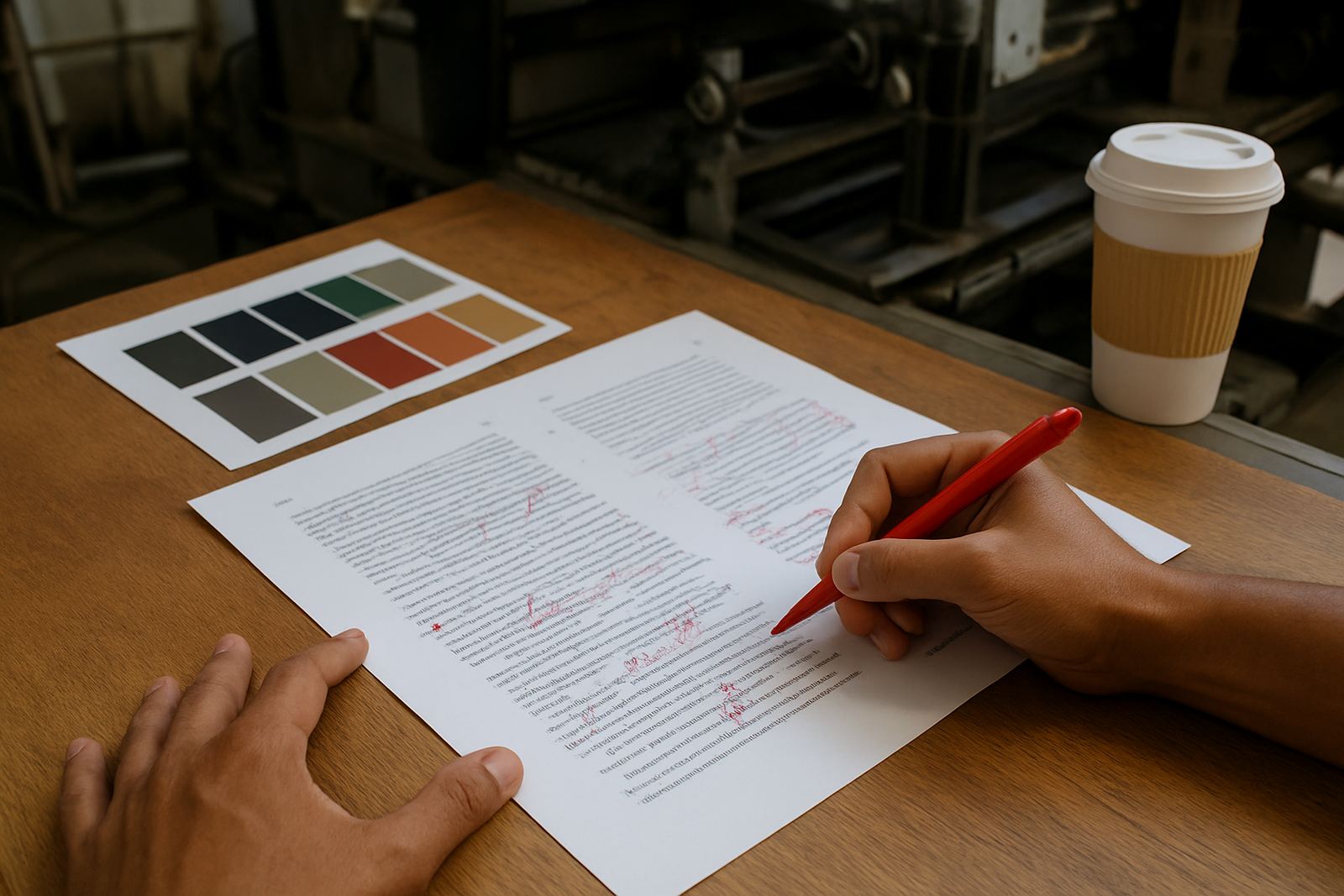
Most print problems are cheaper to fix before printing starts. Prepress checks look at file setup, image resolution, bleeds, margins, font issues and page order. For a book or magazine, even a small error can mean delays, wasted stock or pages trimmed too close to the text. That is why careful checking matters just as much as the press itself.
Our guides show what to verify before approval, including the key items that affect trim, fold and binding. If your team works across Johannesburg Central, the East Rand or further afield, a solid prepress process keeps everyone on the same page and reduces last minute changes.
- Check bleeds and safe margins on every page
- Review page numbers, section order and image resolution
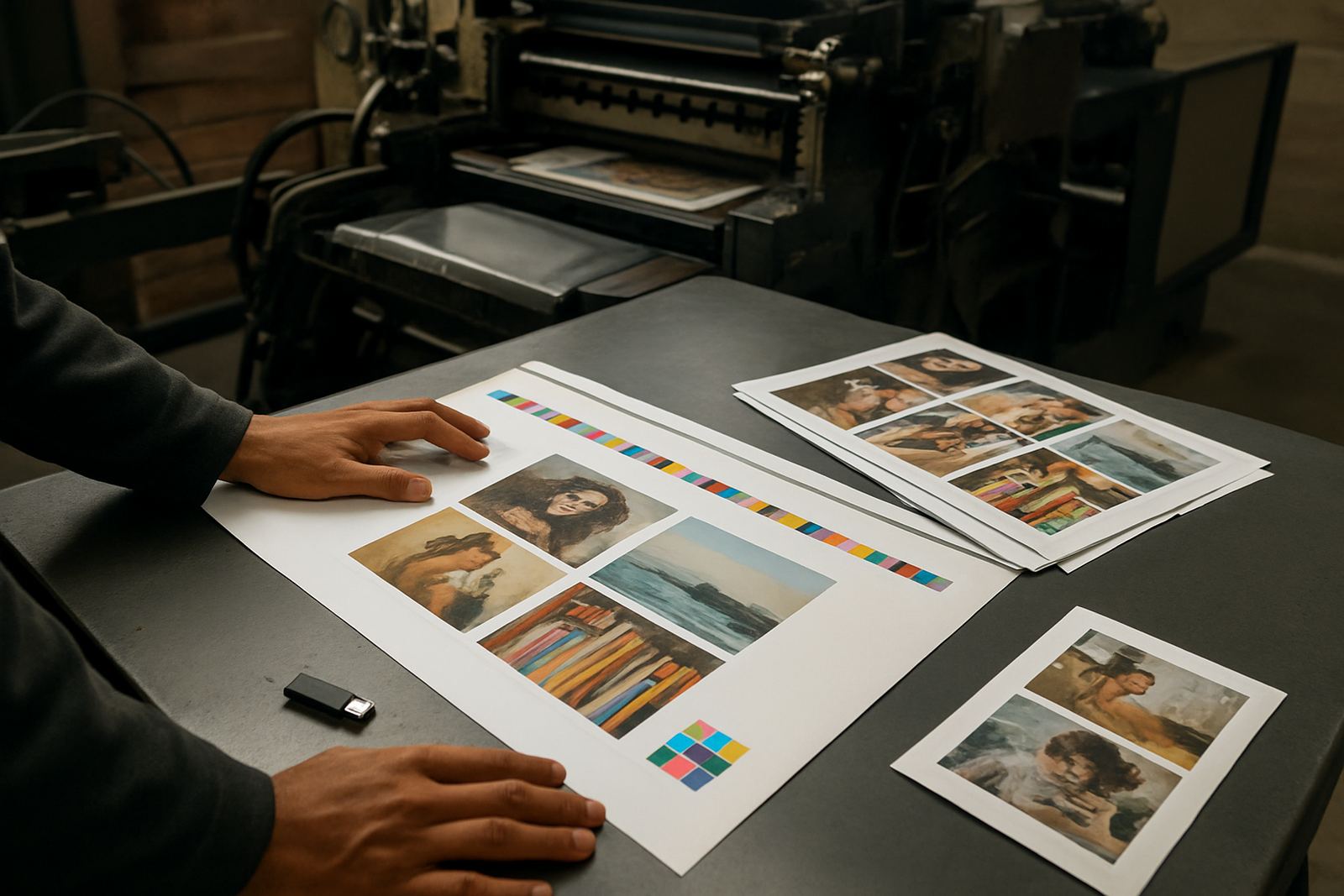
- Approve colour proofing only after all corrections are made
Understand Binding Styles And Finishing Options
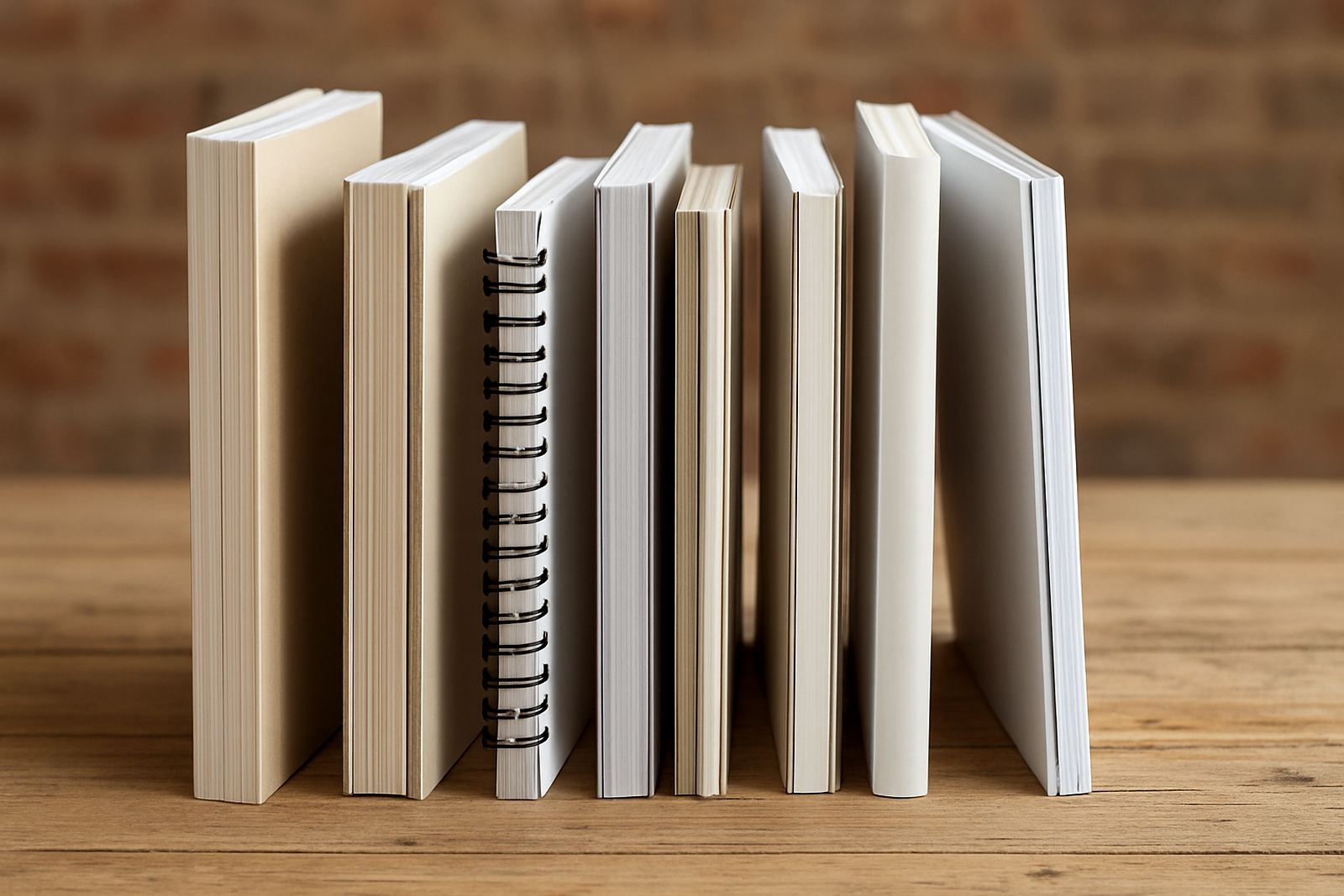
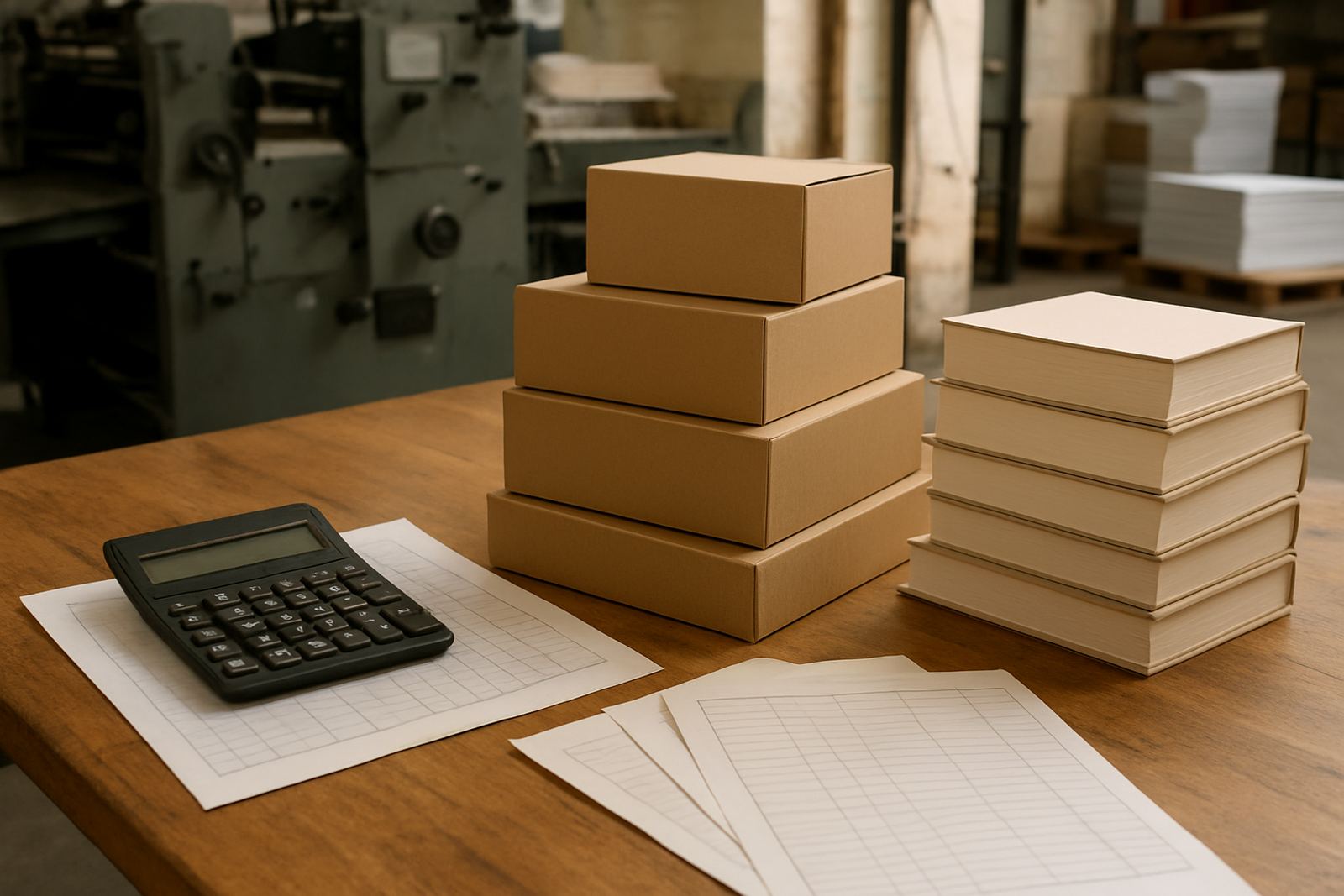
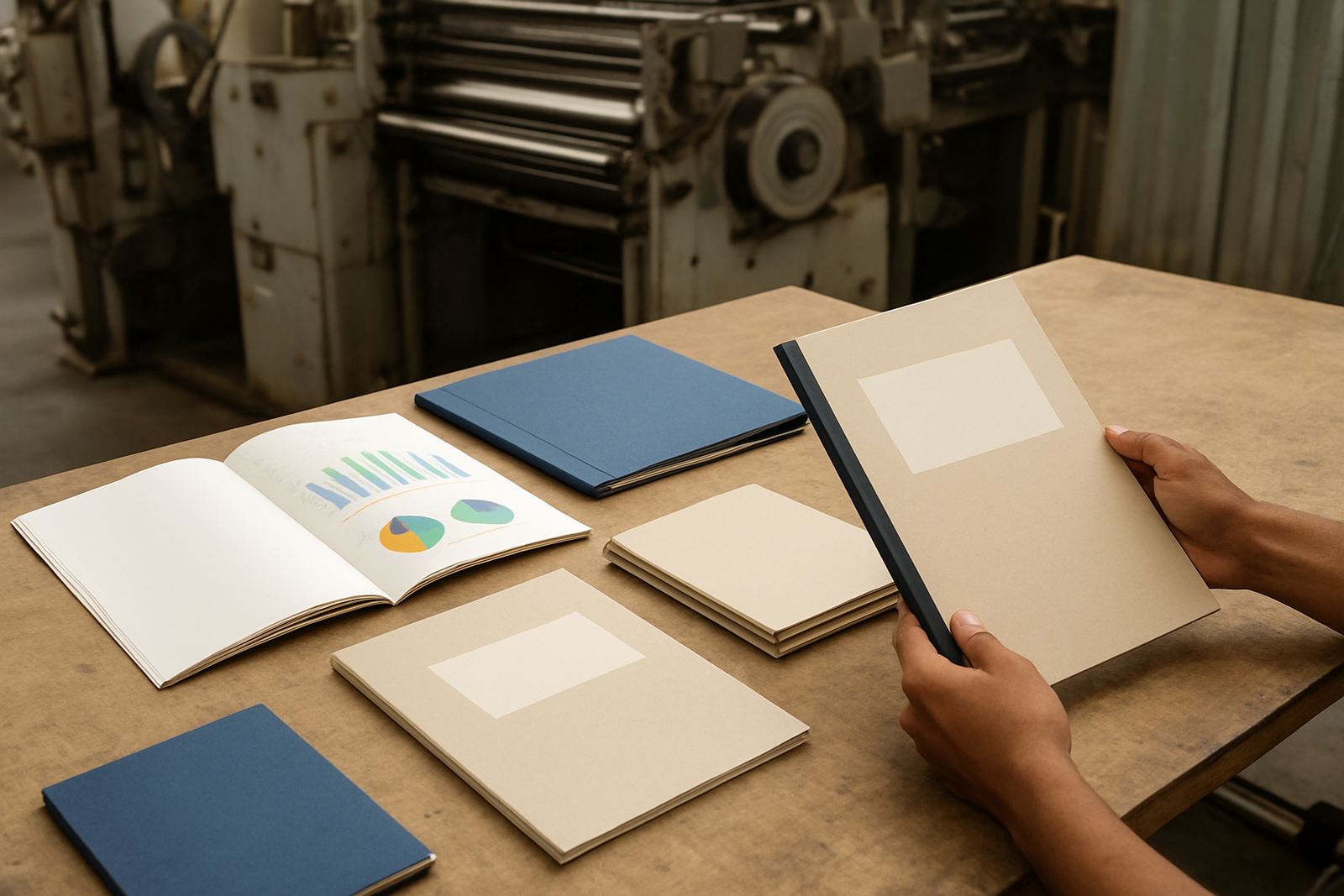
Binding changes how a publication reads, opens and lasts. Saddle stitching suits slimmer magazines and booklets. Perfect binding is common for thicker titles that need a square spine. Case binding is used where a more durable finish is needed for long-term use. Section sewing adds strength for heavier books or editions that need to stand up to frequent handling.
Finishing choices also affect the final look and feel. Cover lamination, foil finishing and die cutting can improve presentation, but each option should suit the purpose of the publication. A finance report for investors may need a clean professional finish, while a launch catalogue may call for a more distinctive cover. We help buyers decide what adds value and what simply adds cost.
Prepare For Colour, Paper And Production Conditions
Colour can shift depending on paper, ink coverage and the way a file is prepared. If you want consistent results across a magazine run or a book reprint, the specifications need to be settled early. Paper choice also matters in South Africa’s climate, especially in coastal humidity where stock can react differently in storage and during finishing.
Power interruptions, transport timing and warehouse handling can all affect the production schedule too. Good planning allows for proofing, drying time and packing before dispatch. That is why these guides focus on practical steps rather than guesswork, so your publication is ready for real-world printing conditions.
- Match paper weight to the page count and binding method
- Allow for drying and finishing time on full colour jobs
- Keep stored stock in a dry, stable environment where possible
Use The Guides To Brief Your Printer Clearly
The best print brief is one that answers the production questions before they are asked. When you know the format, run size, binding style, finish and delivery needs, the quoting process is faster and the print plan is clearer. That saves time for everyone, from authors and publishers to production managers handling multiple titles at once.
Printing House supports clients from Industria in Johannesburg to publishers nationwide, with practical guidance from prepress through packing and dispatch. If you are comparing options for a new title or planning a reprint, these guides are the right place to start. They help you move from idea to specification with fewer surprises and a cleaner final result.