











Publishers Needing Consistent Runs and Clean Finishing
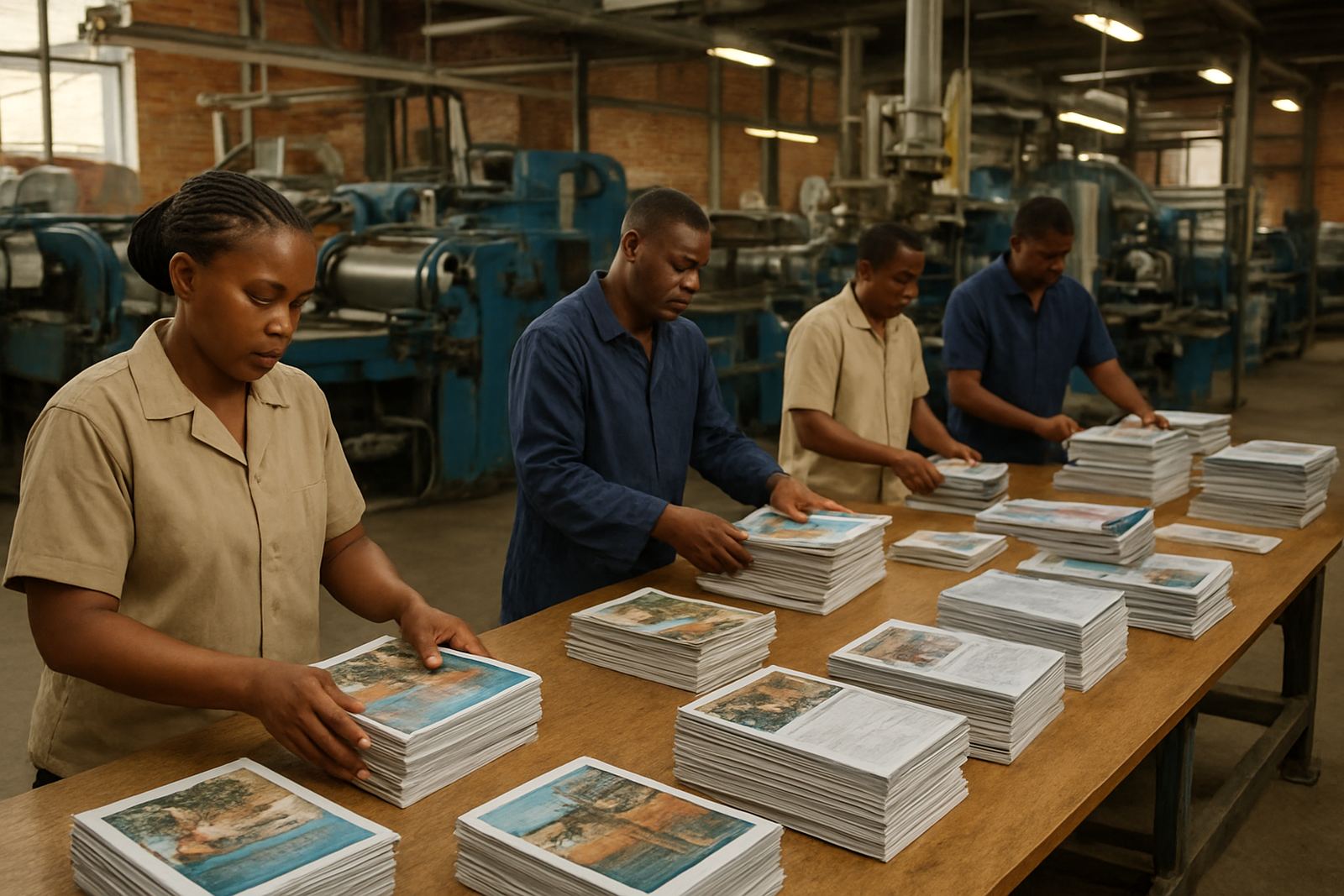
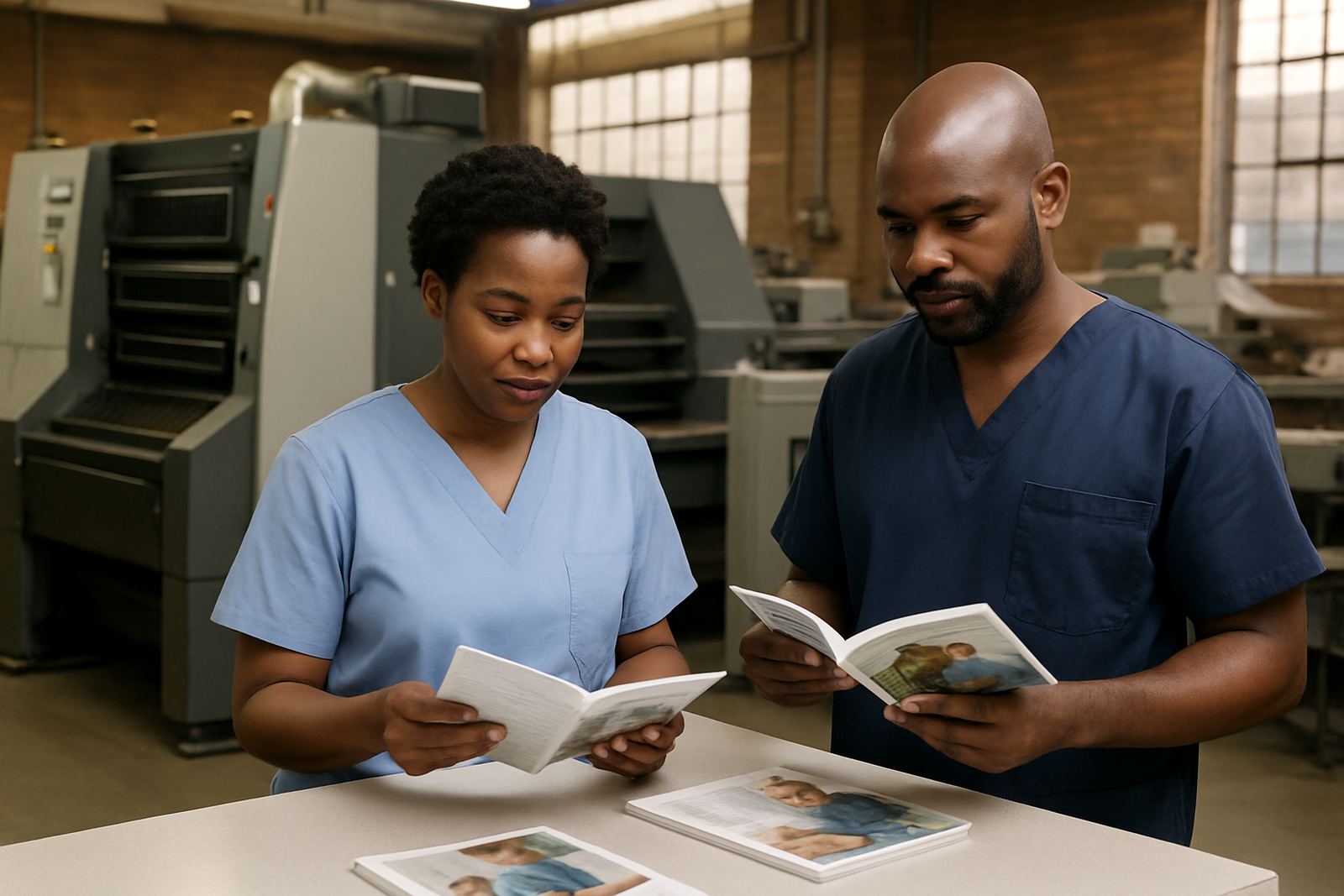
Publishers need repeatable results. Whether the job is a monthly magazine, a catalogue or a trade title, the print must match from one run to the next and the binding must hold up in circulation. In Industria, we plan for stable colour, neat trims and practical packing so finished work leaves the press ready for distribution across Johannesburg and further afield.
For longer print runs, offset printing is often the right fit because it gives steady quality and good value on volume. Where the publication needs flexible quantities or a different stock mix, we look at the best production route for the job rather than forcing a single method onto every title.
Authors, Self Publishers and Shorter Book Projects
First books, memoirs, training manuals and limited edition titles all need careful handling. The choice between saddle stitching, perfect binding, section sewing or case binding depends on page count, finish, usage and the look the publisher wants. A slim handbook for a seminar is very different from a hardcover book meant for libraries or retail shelves.
- Short page counts suit saddle stitching and fast turnaround
- Medium length books usually work well with perfect binding
- Heavier use books often benefit from section sewing or case binding
- Cover lamination helps protect against scuffing and handling
Businesses Printing Catalogues, Reports and Branded Material
Many businesses need publication printing that does more than sit on a shelf. Annual reports, product catalogues, training books and internal manuals must look professional and hold together under regular use. We help clients in Sandton, Midrand, Roodepoort and Pretoria choose finishes that suit office circulation, client meetings and mail out packs.
For a report that must make a strong first impression, foil finishing and clean cover lamination can add detail without overdoing it. If the job includes inserts, tabs or special trims, die cutting can be used to create the right shape and structure. It is often the small production choices that make a publication easier to handle and better to keep.
Flexible Production for Different Distribution Methods
How the print will be distributed affects the way it should be produced. A publication going into retail stores needs strong packing and a finish that survives handling. A school or corporate manual going direct to offices may need simpler binding and dependable quantity control. For publishers sending stock nationwide, good dispatch planning matters just as much as the print itself.
- Retail distribution needs stronger covers and secure packing
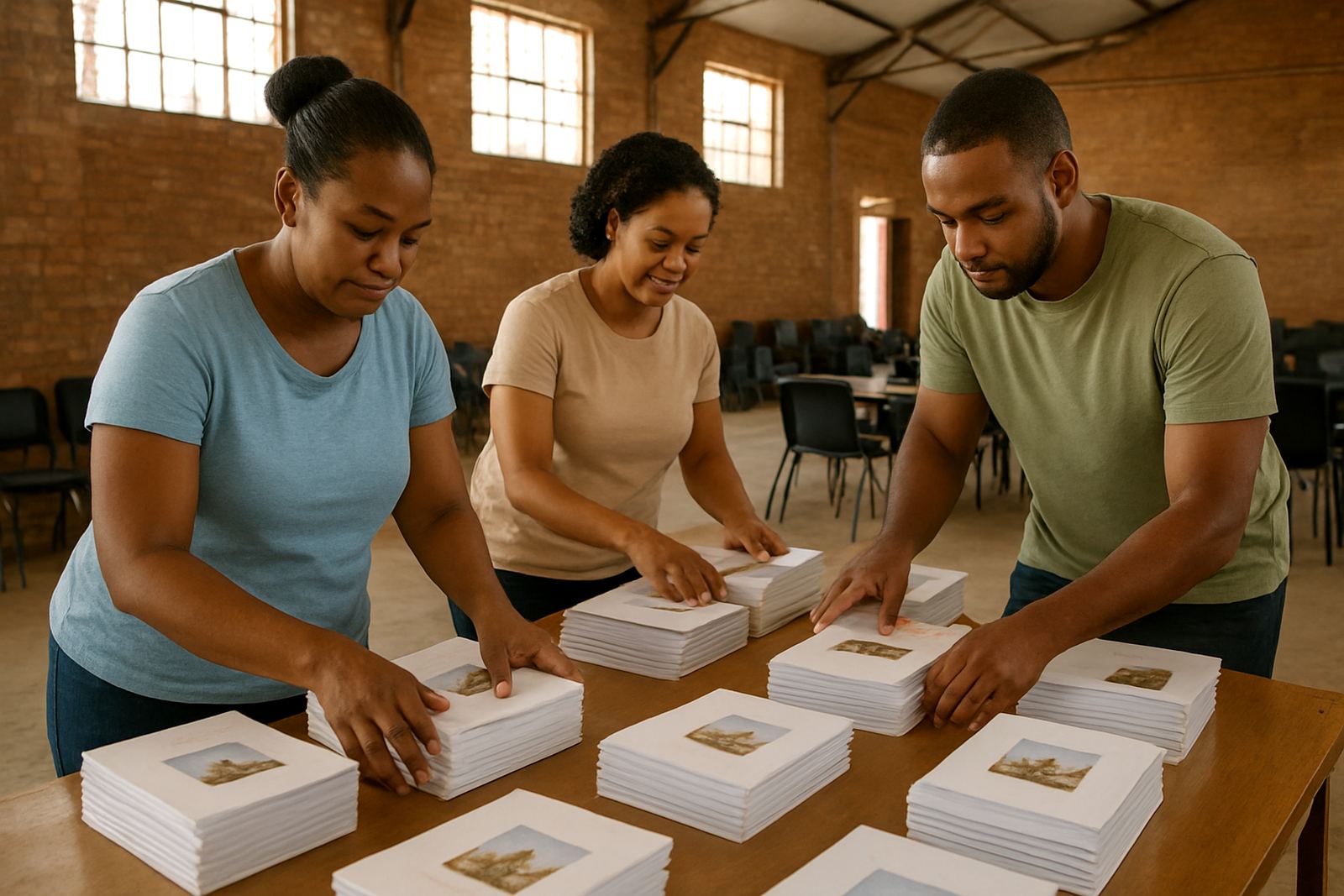
- Direct-to-client deliveries need accurate collating and labelling
- Bulk fulfilment benefits from clear batch planning
- Coastal deliveries may need extra protection against humidity
When Flexo Printing Makes Sense
Flexo printing is useful where the job needs efficient production on suitable materials and the print content is straightforward. It is not for every book or magazine, but for the right project it can support tighter budgets and practical turnaround times. We assess the paper, format and quantity before recommending a route, because a poor match between method and product usually costs more later.
For some business publications, packaging inserts or repeated printed components, flexo can give a sensible balance between cost and output. The aim is always the same: the print should arrive on time, read clearly and fit the job's purpose.
Why Production Planning Matters Before the First Sheet Is Printed
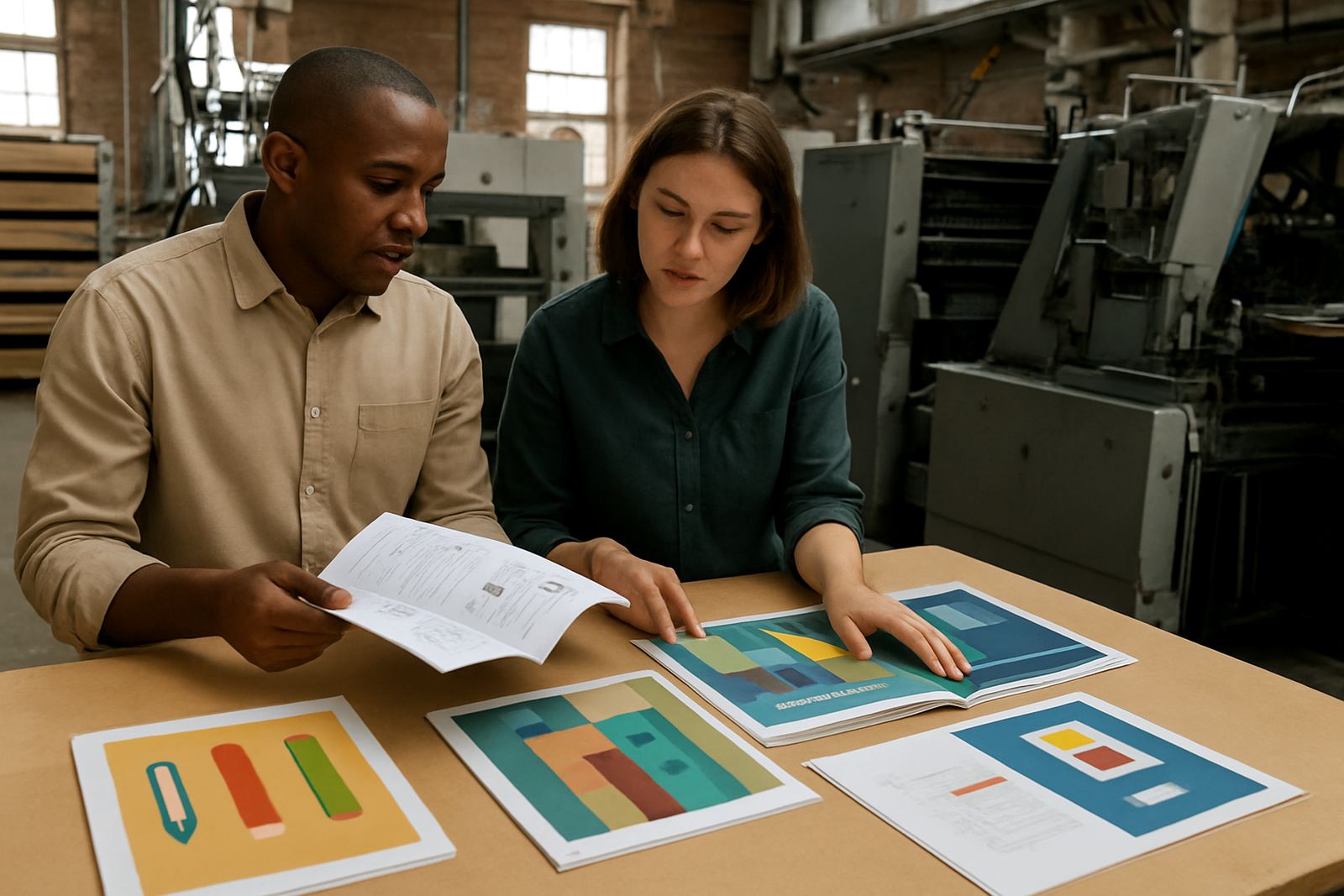
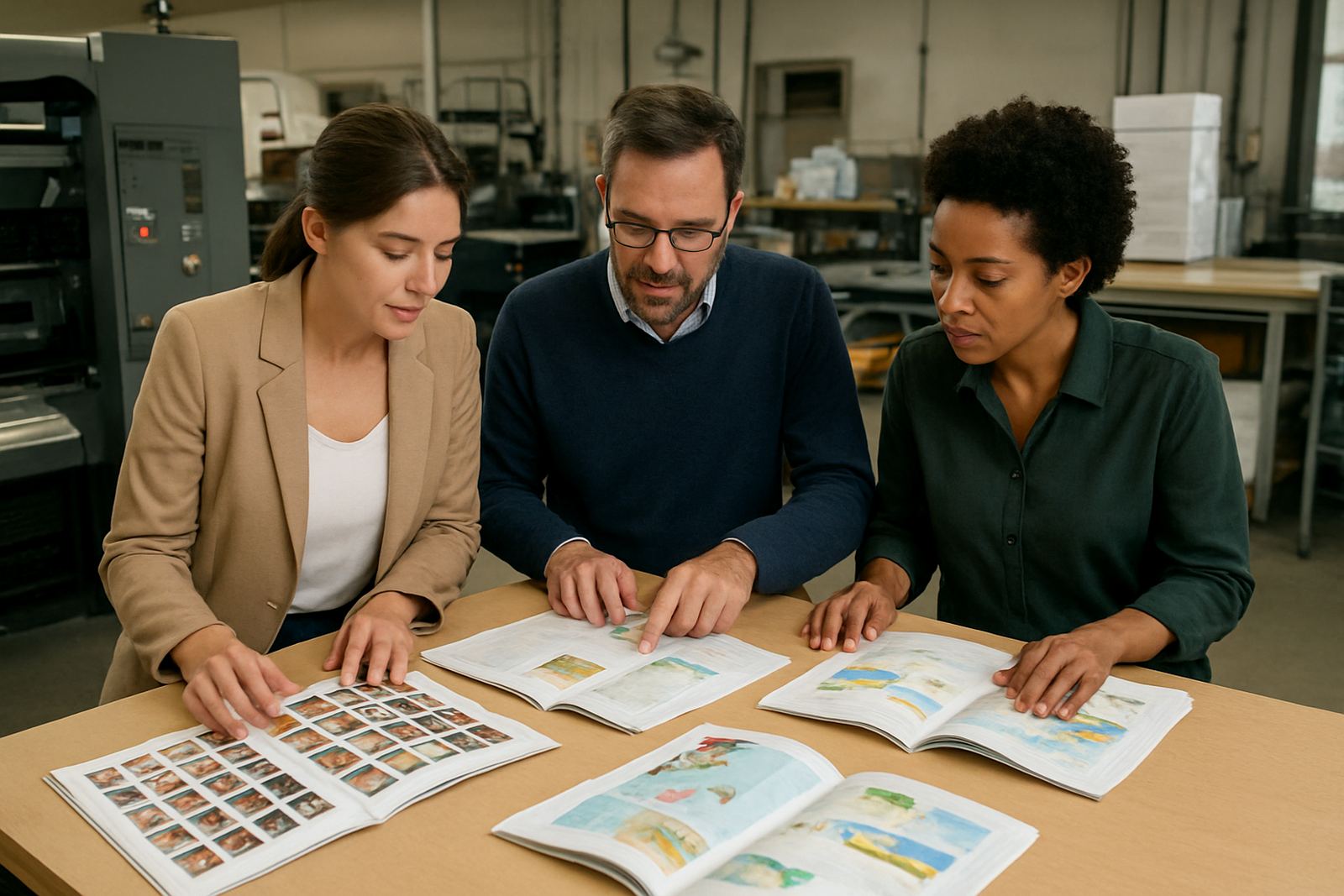
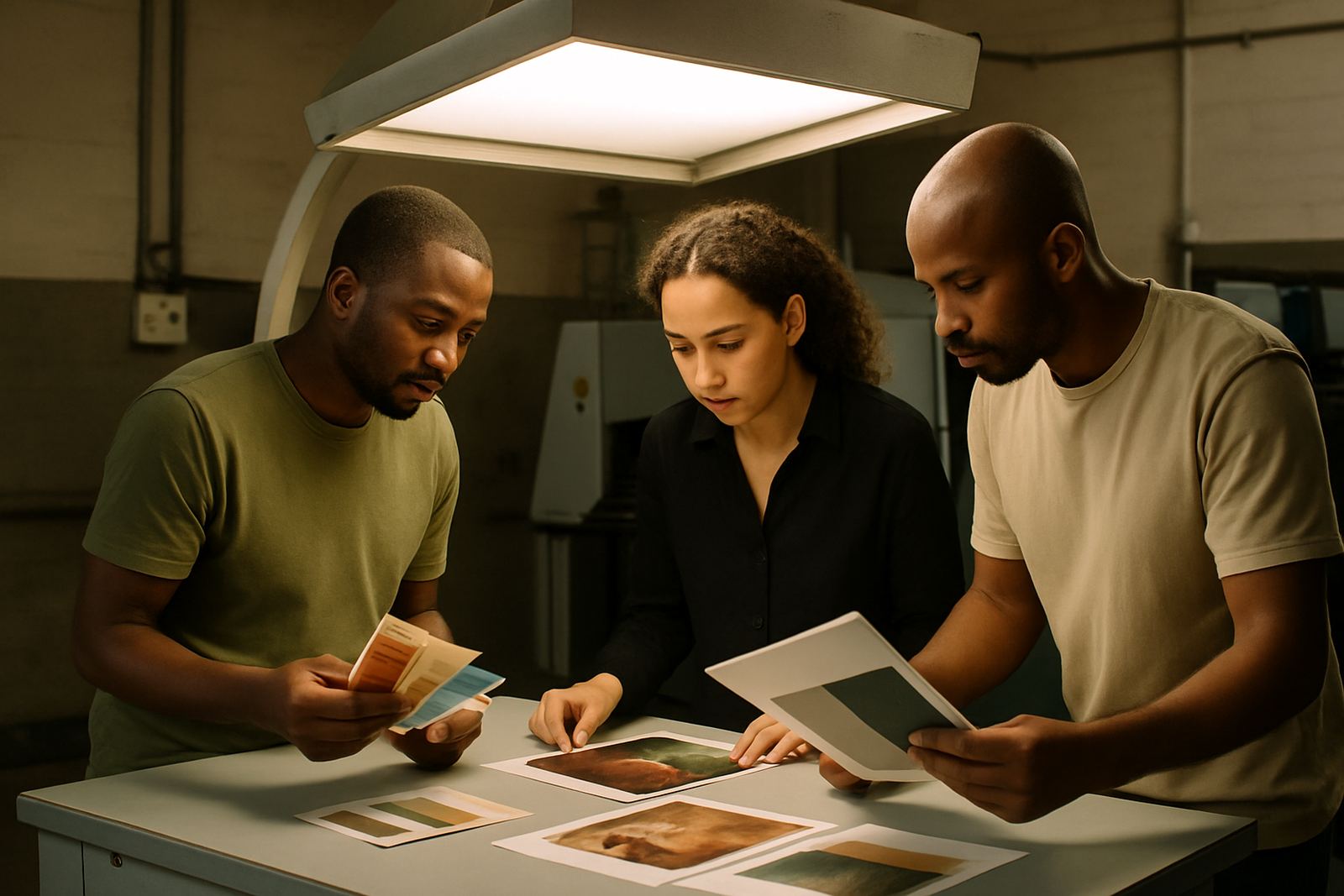
Good print starts well before machine time. Prepress checks catch layout issues, colour proofing reduces surprises, and finishing choices should be agreed early so the project moves through the plant without delays. That planning is especially important when a title has multiple versions, tight launch dates or a mix of local and nationwide delivery points.
Our team in Industria keeps the process practical from quote to dispatch. Busisiwe Motaung manages production flow, Johan van der Merwe oversees prepress, Siyanda Ramaboa supports client services, Farieda Adams coordinates bindery, Siphamandla Ngwenya runs press production and Leanne Naidoo plans logistics. With clear handovers, there is less back-and-forth and fewer avoidable hold-ups, even when load-shedding or courier timing becomes part of the day.