
Trade magazines that read well and hold together
Trade magazines are printed for a specific professional audience, so the text must stay clear, photos must reproduce neatly and the final book must open and close properly. We produce magazines for associations, supplier groups, chambers, industry bodies and companies that need a regular publication for clients, members or staff.
Most trade titles need a practical balance between cost and finish. That means choosing the right paper weight, binding method and print process for the page count and the way the magazine will be used. A 32 page quarterly for a membership group has different needs to a 96 page catalogue style magazine mailed nationwide.
Sizes, page counts and binding choices
Trade magazines are usually planned around common trim sizes and standard paper flows so production stays neat and delivery stays on time. We can print A4, A5 and custom sizes, with portrait or landscape layouts depending on the content. Shorter runs can be printed and bound efficiently, while larger volumes suit planned repeat issues.
- Common sizes: A4, A5, square formats and custom trims
- Typical page counts: 16 to 128 pages, depending on content and binding
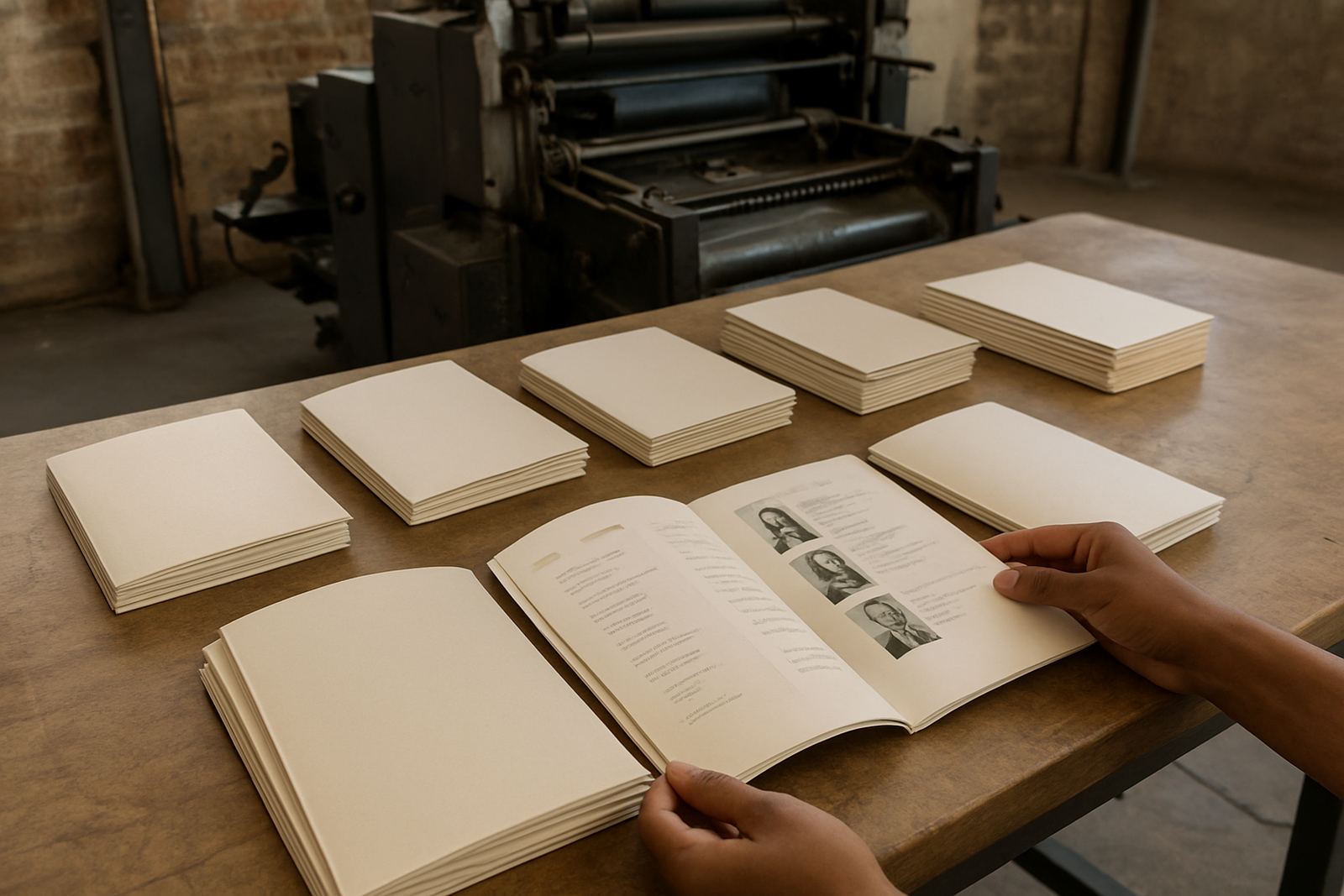
- Binding options: Saddle stitching for lighter issues, perfect binding for thicker magazines, section sewing and case binding for premium long-life editions
- Finishing: Cover lamination, foil finishing and die cutting where the layout calls for it
For thicker publications, perfect binding gives a neat spine and a more formal shelf presence. If the magazine is handled often or posted, section sewing can improve durability. For event guides or seasonal editions, saddle stitching may be the most cost-effective choice.
Where trade magazines work best
Trade magazines suit organisations that need to communicate technical updates, product launches, member news, event listings or editorial articles in a format people can keep on a counter or in a reception area. They are common in manufacturing, property, logistics, mining supply, professional services, retail support and membership groups.
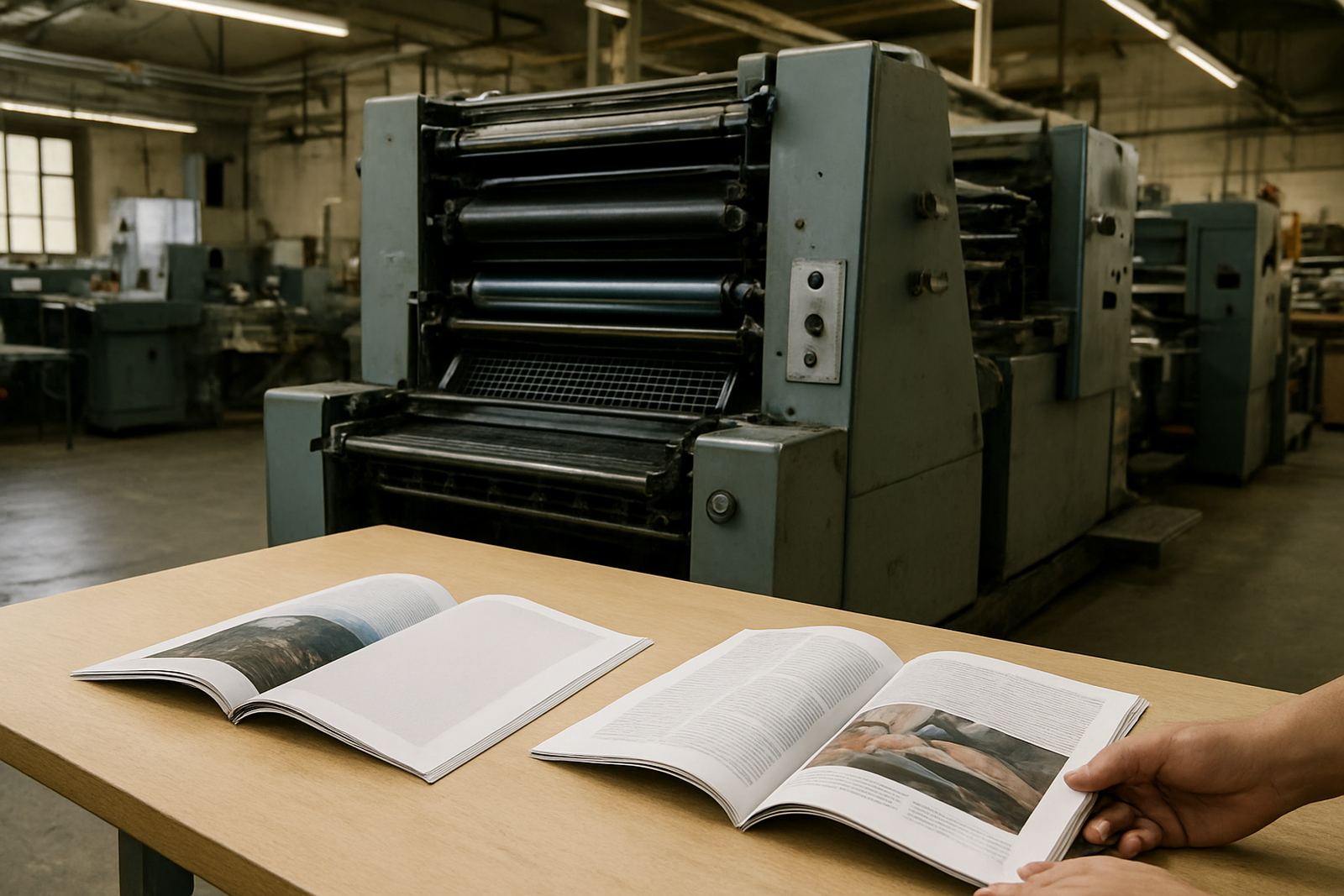
Because these magazines are often kept for reference, the print quality needs to stay consistent from cover to cover. We use prepress checks and colour proofing to help catch issues before a full run starts. That matters when the issue includes charts, product photos, fine type or adverts supplied by different contributors.
- Association magazines and member communications
- Supplier and product catalogue publications
- Conference guides and annual review issues
- In-house industry titles for clients and teams
- Mail-out publications for national readerships
Print process, colour and finishing details
Printing House handles offset printing for longer runs and flexo printing where the project suits that process and material choice. Offset is often preferred for magazines with detailed photography, precise brand colour and consistent page reproduction. Flexo is useful for certain publication styles and finishing requirements, especially where volume and turnaround need careful planning.
Cover and inside pages can be matched to suit the look of the title, from a lighter text stock to a heavier cover that takes lamination well. Matte lamination gives a softer finish, while gloss adds sharper contrast. Foil finishing can be used on covers or special features, and die cutting may be added for tabbed covers or shaped openings. It is worth checking the stock first, because some papers show fingerprints more easily and some coatings suit coastal humidity better than others.
Power, setup and care after delivery
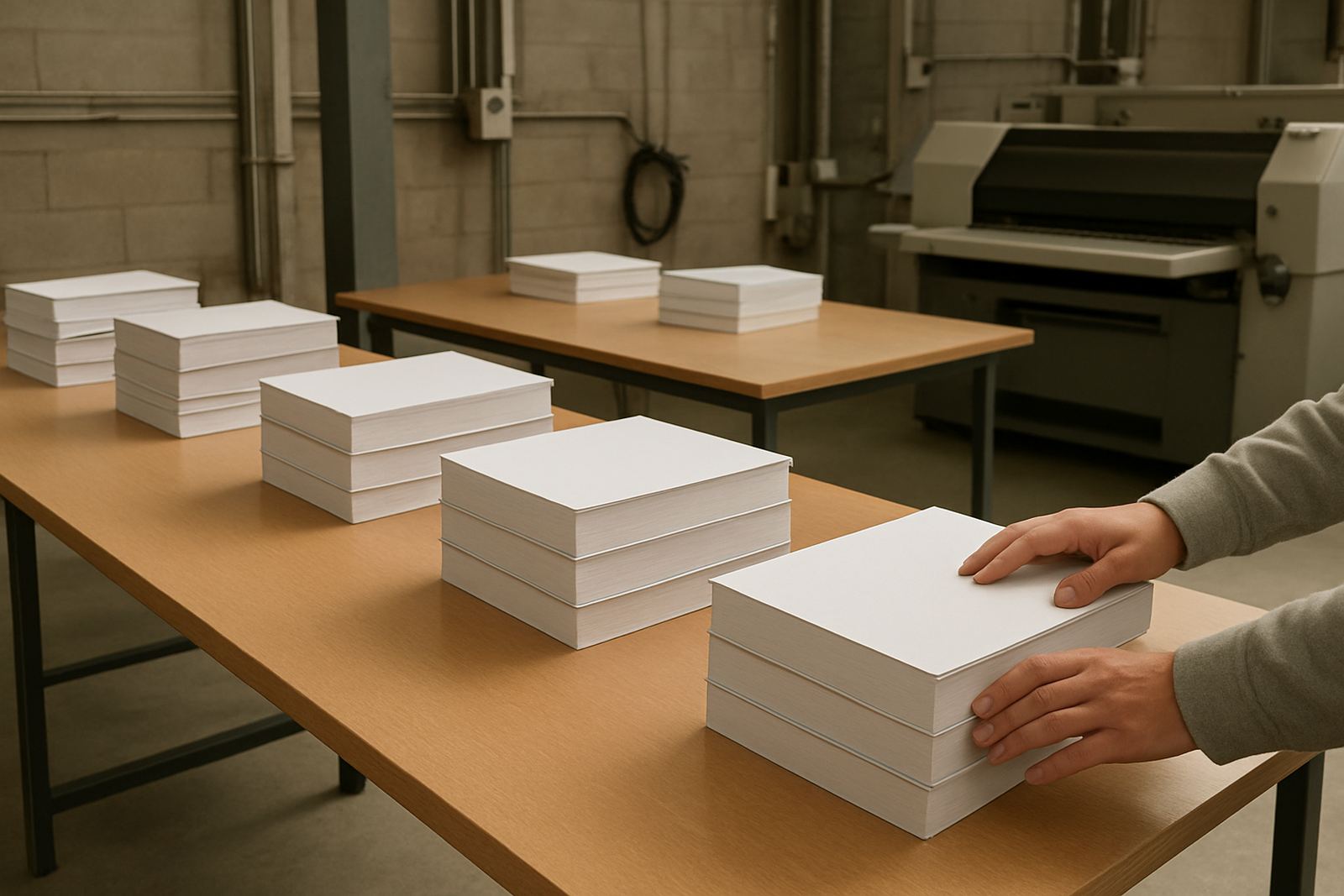
Trade magazines do not need installation, gas, or site power to use them. Once printed they are ready for packing, dispatch and shelf use. The main care point is storage. Keep cartons flat, dry and off the floor, especially in Johannesburg winters or humid coastal conditions where paper can pick up moisture if left in the wrong place.
If the magazines are going out with a mailing or at a launch, make sure the packaging and dispatch plan are confirmed before print starts. That helps avoid damage in transit and reduces the chance of bent corners or marked covers. We pack for delivery from Industria to publishers nationwide, including Johannesburg Central, Sandton, Randburg, Roodepoort, Midrand, Pretoria and the East Rand.
- Store in a dry room away from direct sun
- Do not stack too high if the issue has a soft cover
- Leave wrapped cartons closed until dispatch
- Check postal or courier requirements before confirming page count
Key details to finalise before booking your annual report
Before ordering a trade magazine, confirm the page count, trim size, paper choice, binding method and any special finishes. Also check whether adverts, product images and editorial pages are all supplied at the right size. A late change to the content can affect the spine width, trim and packing quantities, so it is better to lock those details early.
For regular publications, ask for a production plan that matches your release dates through the year. That helps with repeat schedules, proof approval and delivery to different branches or members. Our team in Industria works with publishers, associations and businesses that need clear communication and dependable turnaround, and our client services team can help keep each issue on track.
- Confirm the exact number of pages before layout is final
- Check if the issue needs a spine or not
- Approve colour proofing for brand-sensitive pages
- Ask about lamination if the magazine will be handled often
- Confirm delivery points for national distribution
Key facts
| Product type | Trade magazines for associations, suppliers and professional readerships |
|---|---|
| Print methods | Offset printing and flexo printing |
| Common sizes | A4, A5, square formats and custom trims |
| Binding options | Saddle stitching, perfect binding, section sewing, case binding |
| Finishes | Cover lamination, foil finishing, die cutting |
| Delivery area | Johannesburg, Gauteng and nationwide dispatch |
| Base | Industria, Johannesburg |