
The brief for a steady monthly mailing
The client needed a repeat newsletter batch for members and stakeholders in and around Kempton Park, with copies also going out to other provinces. The publication had a set format each month, but the content changed often and that meant the production team had to stay organised from prepress through to dispatch. The brief was simple on paper: print neatly, bind accurately and get every parcel out on time.
The newsletter was produced as a short-run publication with a consistent page count, common A4 trim and a clean, professional finish. We worked to a recurring schedule so the client could plan content approval, internal sign-off and distribution without having to chase the print stage at the last minute.
- Regional service organisation newsletter batch
- Monthly production cycle with repeat specifications
- A4 trim with full colour covers and inside pages
- Delivery to Kempton Park and publisher contacts nationwide
Press work and colour control
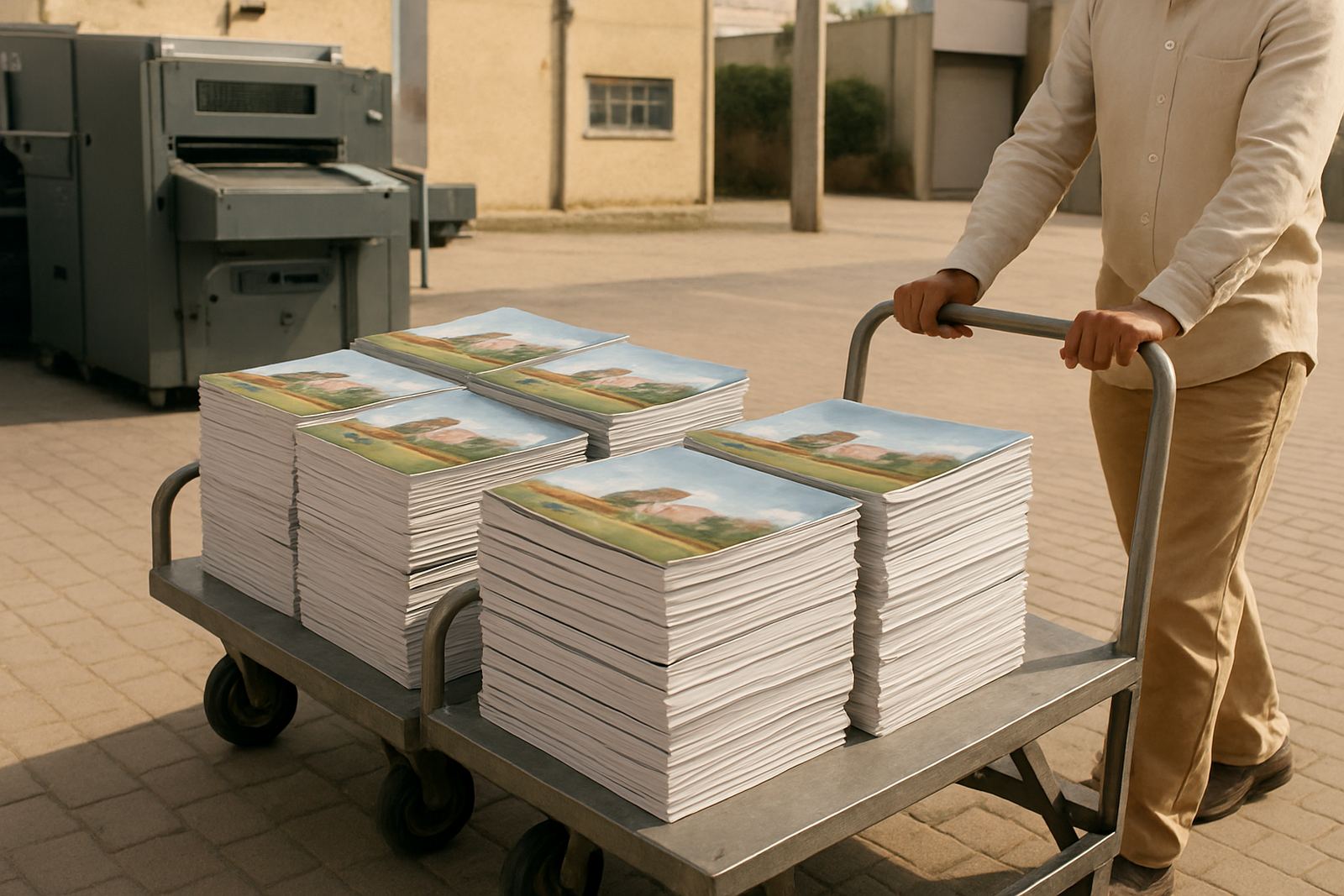
Because the newsletter carried a mix of photos, charts and text-heavy pages, we used offset printing for the main run to keep colour even across the batch. The client wanted a clean read on uncoated and coated stock combinations, so we checked ink laydown, density and page alignment before the press run moved ahead. For any pages with lighter tints or small reversed text, prepress checks were critical.
We ran colour proofing against the approved artwork and matched the output to the intended paper tone. That helped avoid muddy greys and weak blues, which can happen when a newsletter has both office-type graphics and photographic images. The team also made sure the page numbers, live matter and folds were correct before the job entered finishing. In a recurring project like this, a small layout error can repeat across hundreds of copies if it is not caught early.
- Offset printing for stable, repeatable colour
- Prepress checks on bleeds, trims and pagination
- Proofing for photos, charts and small text
- Consistent output across each monthly batch
Binding and finishing that suited the format
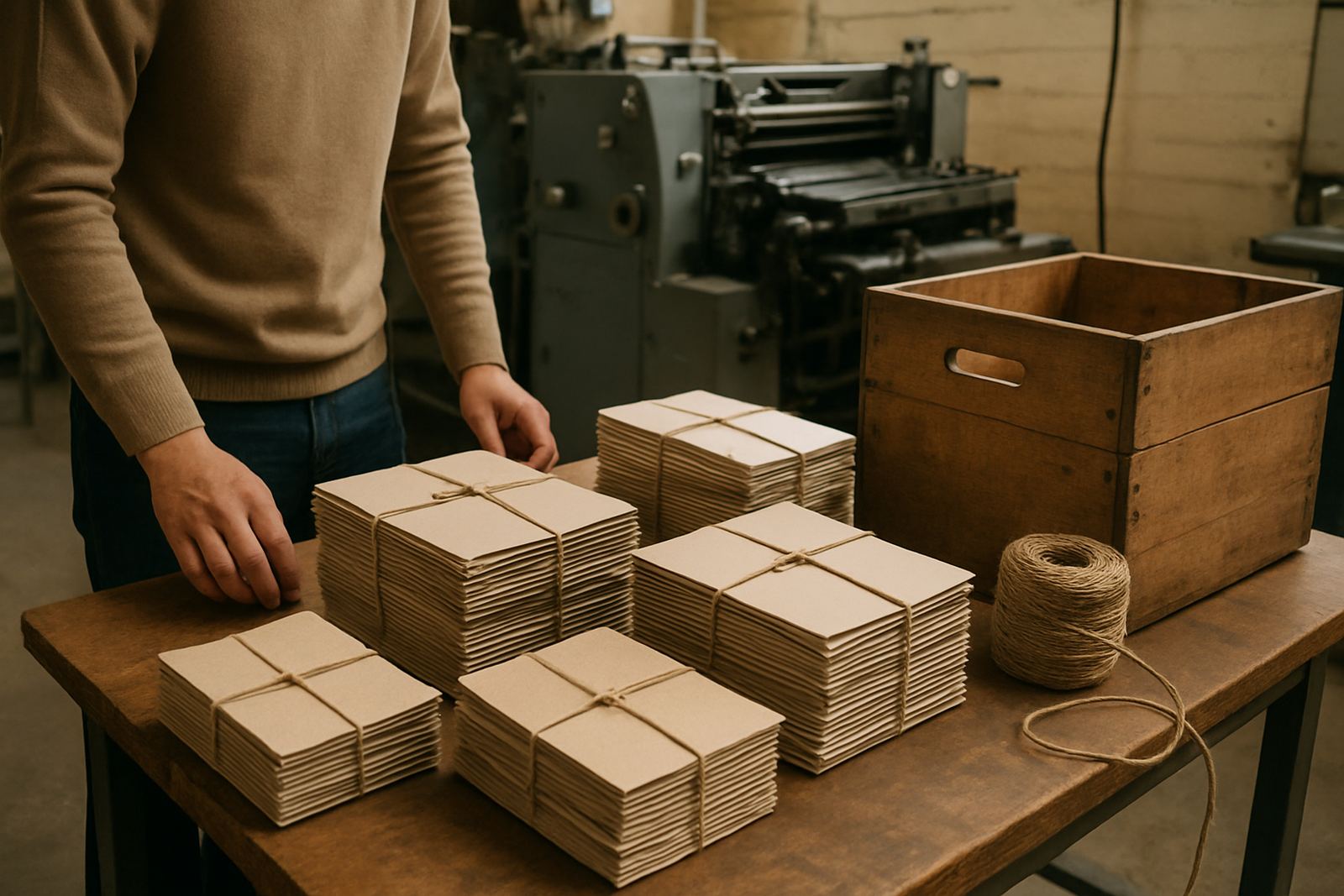
The newsletter needed a finish that looked neat, handled well and stayed within budget. For the standard batches, saddle stitching was the preferred option because it gave a tidy spine and kept the publication light enough for bulk posting. Where a special edition had a thicker page count, we moved to perfect binding so the newsletter could sit more comfortably on a shelf or in an archive file. That flexibility helped the client keep one publication style, while adjusting the bind to the content.
We also supplied cover lamination on selected runs for extra protection, especially when the newsletters had to travel through more than one sorting point. Foil finishing was used sparingly on front matter where the client wanted a sharper presentation for annual summaries or special notices. Die cutting was kept to a minimum, because the project needed speed and repeatability rather than decorative extras. The focus stayed on a clean, practical result that opened easily and filed neatly.
- Saddle stitching for the standard monthly issue
- Perfect binding for thicker special editions
- Cover lamination on selected runs for handling protection
- Foil finishing used only where the brief called for it
Packed for clean distribution to multiple areas
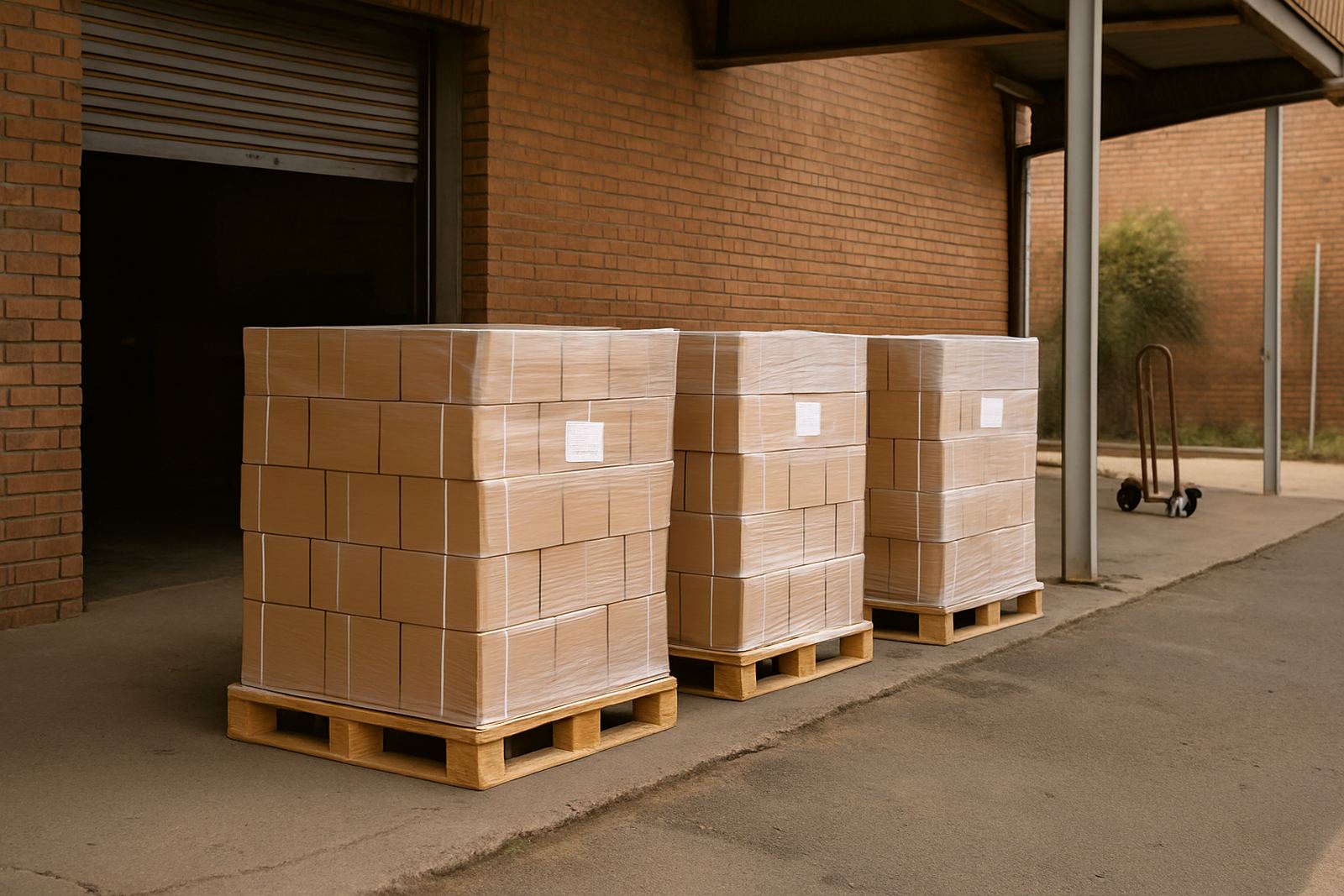
Since the newsletter batch was destined for several delivery points, packing had to be organised by destination and copy count. Leanne Naidoo arranged the dispatch schedule so parcels were sorted clearly for Kempton Park, Johannesburg Central, Sandton, Randburg, Midrand, Pretoria and the East Rand. That saved the client time on receiving and cutting open mixed boxes later on, which can be a real headache when a distribution run is moving quickly.
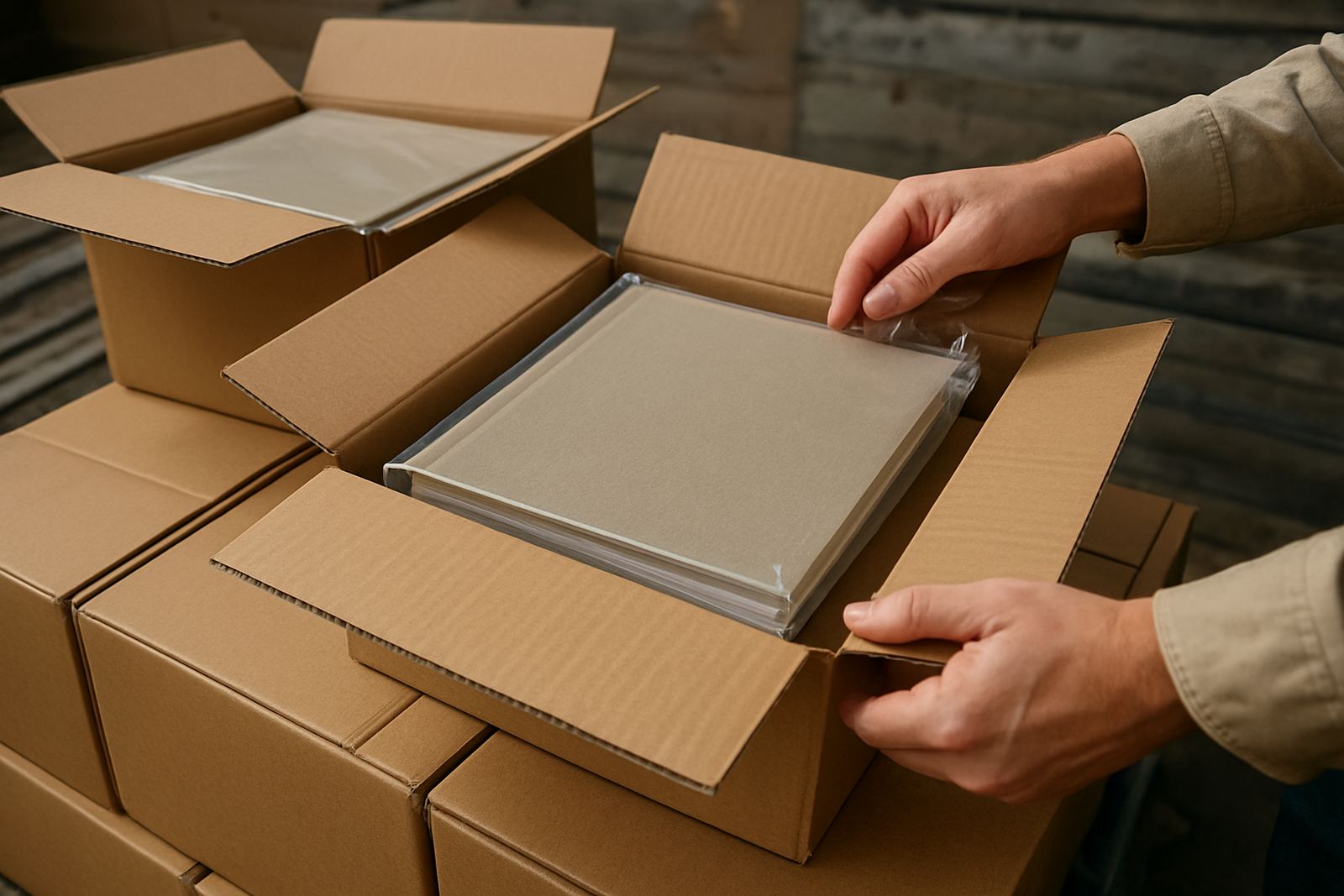
We packed the newsletters in manageable cartons for handling and checked quantities before sealing. On a batch like this, accurate packing matters just as much as print quality because the wrong counts slow down an entire circulation cycle. The dispatch team kept the labels simple and the order clean, and the client received the boxes in a way that made handover easier for their own team.
- Batch packing by destination area
- Count checks before sealing and dispatch
- Suitable carton sizes for easier handling
- Delivery planning for local and nationwide recipients
Timeline, coordination and the people on the job
The full cycle ran over three weeks for the first issue and settled into a shorter repeat pattern once the layout and specs had been approved. Johan van der Merwe handled prepress review, Busisiwe Motaung managed production flow and Farieda Adams coordinated bindery work. Siphamandla Ngwenya ran the press side, while Siyanda Ramaboa kept the client updates moving so approvals did not stall the schedule. Oupa Hlungwani oversaw the account and final production sign-off.
That structure mattered because the newsletter came back on a regular basis. Once the master setup was correct, later batches moved faster and with fewer changes. The client could send fresh editorial content, and we could keep the same trim, bind and finish on each issue. It is the sort of job that rewards order and communication, especially when load-shedding or late content can put pressure on a print window.
- Initial issue completed in three weeks
- Repeat batches moved faster after approvals were set
- Clear role split across prepress, press, bindery and dispatch
- Single point of contact through the enquiry process
What the client got, and what we would repeat
The result was a newsletter batch that arrived on time, looked consistent from copy to copy and held up well in circulation. The client appreciated that the page order stayed correct, the colour remained even, and the packing made distribution much simpler. There were no last-minute surprises with trims or binding, which is often what makes a recurring publication either manageable or painful.
We kept the same production approach throughout: early prepress checks, a fixed print spec and a clear dispatch plan. For a recurring newsletter, that is the best way to protect time and avoid waste. It also suits distribution across different towns, where each issue needs to arrive with the same finish and format every month.
- On-time delivery of a recurring newsletter batch
- Clean binding and consistent page order
- Better distribution control through organised packing
- Repeatable setup for future issues
Key facts
| Project type | Recurring newsletter batch for a regional service organisation |
|---|---|
| Client location | Kempton Park with delivery nationwide |
| Page format | A4 trim, recurring page count |
| Print method | Offset printing with prepress checks and colour proofing |
| Finishing | Saddle stitching, perfect binding, cover lamination and foil finishing as needed |
| Timeline | First issue completed in 3 weeks, repeat batches on a shorter cycle |