
Patient information that works in a busy clinic
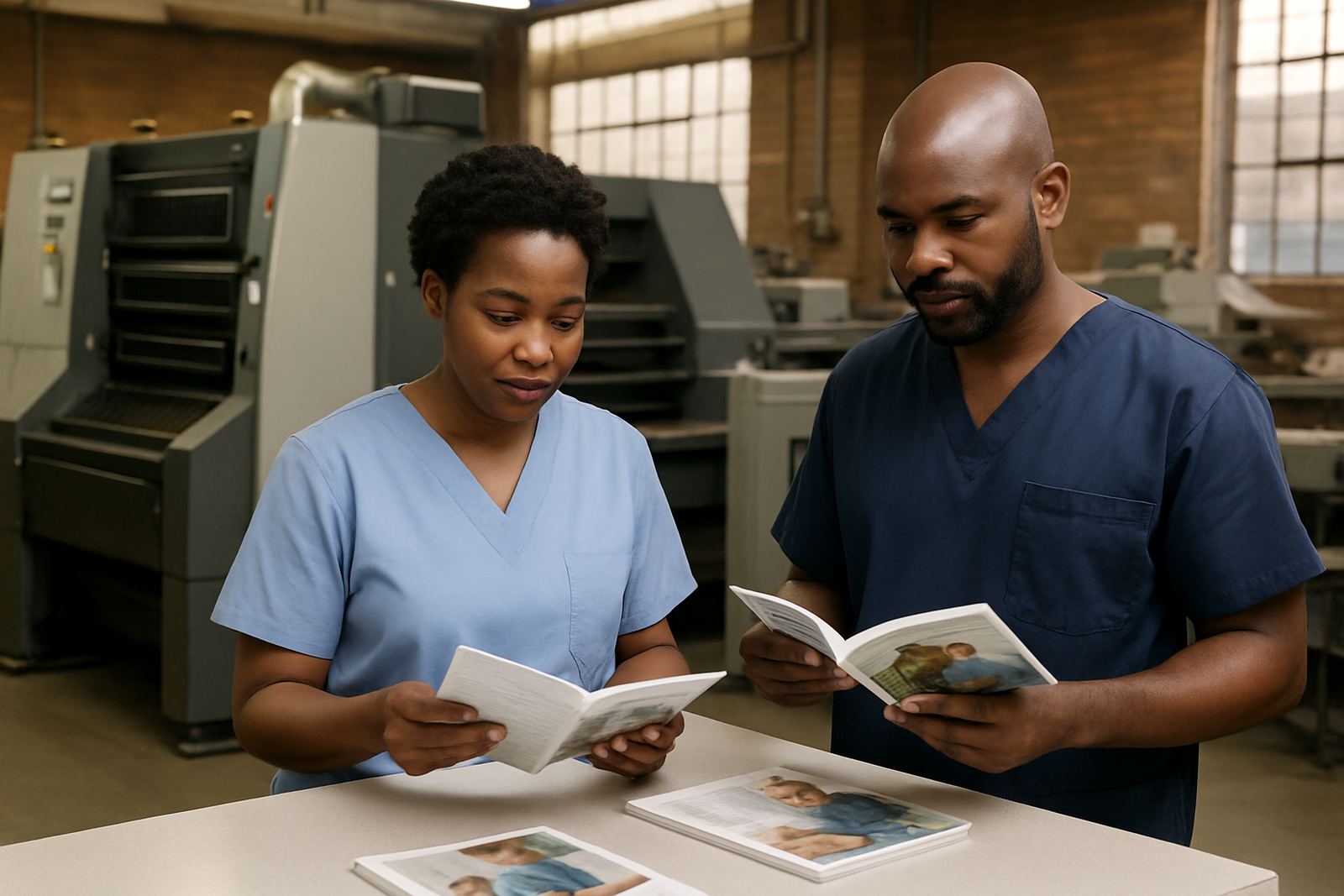
Medical practices use print in a practical way. A patient booklet may explain procedures, aftercare, medication schedules or clinic rules. A larger information magazine can cover preventive care, seasonal campaigns, specialist services or group practice news. In waiting rooms and reception areas, the print needs to be clear, calm and easy to pick up without causing confusion.
At Printing House, we work with medical teams, publishers and communications staff who need steady quality from one run to the next. Our base in Industria, Johannesburg supports deliveries into Johannesburg Central, Sandton, Randburg, Roodepoort, Midrand, Pretoria and the East Rand, as well as nationwide distribution. For multi-site practices, the key is consistency: same colours, same page order, same binding and same trim size across every batch.
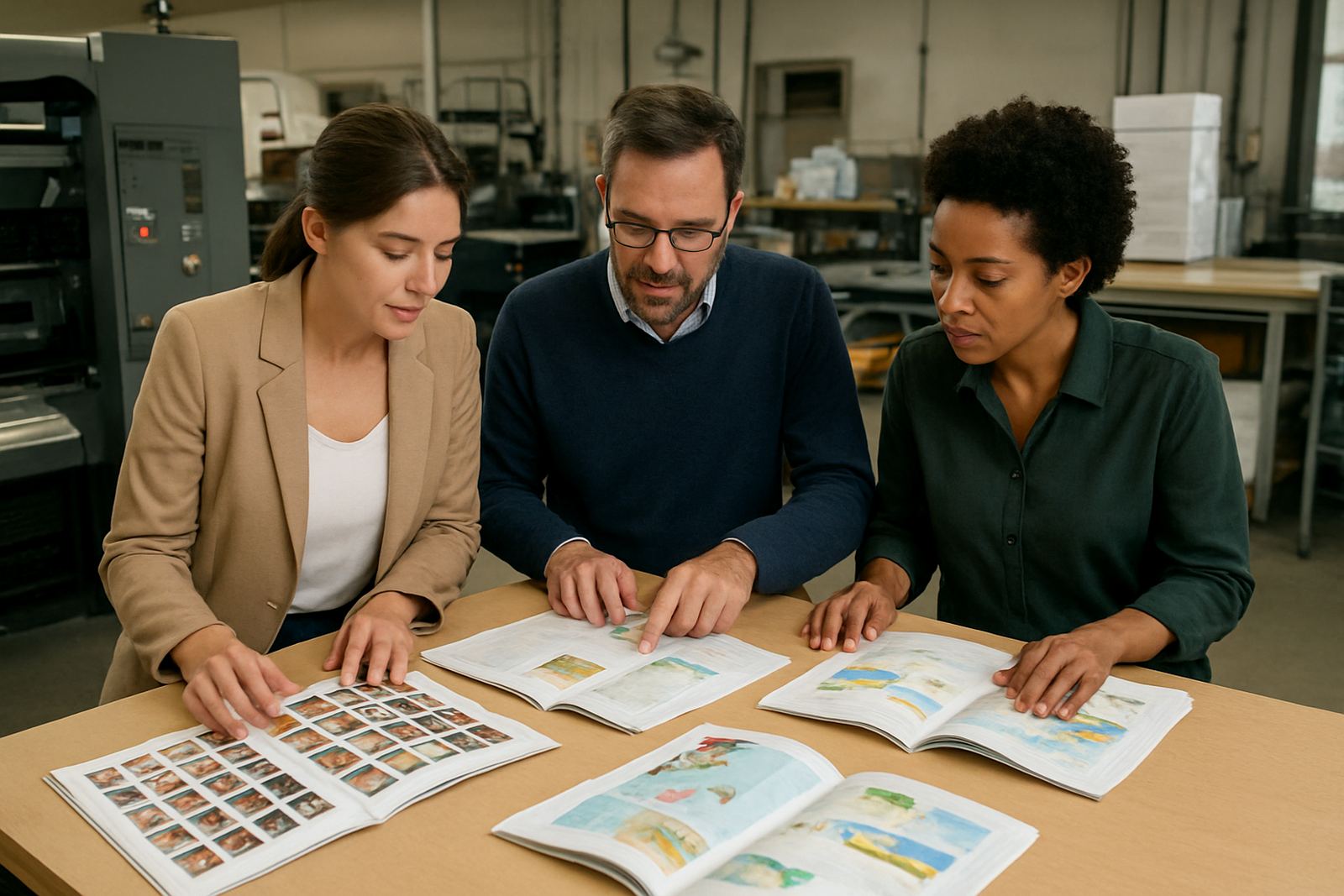
We also understand that some healthcare content changes often. Appointment instructions, referral details and clinic maps can shift from one issue to the next. That means the print plan has to allow for fast prepress checks and enough lead time for proofing, not just a quick run through press.
Typical print set-up for booklets and clinic magazines
Most medical print jobs use a mix of offset printing for stable text and image quality, plus finishing that makes the publication easier to handle. For smaller patient booklets, saddle stitching is common. For thicker guides, perfect binding gives a neat spine and better shelf presence. Where a practice wants a premium annual report or health guide, case binding can be used for a more durable result.
Depending on the format, the usual set-up may include:
- Offset printing for inside pages and covers
- Prepress checks to confirm artwork, fonts and page order
- Colour proofing for logos, diagrams and skin tone images
- Saddle stitching for short booklets and brochures
- Perfect binding for thicker clinic manuals
- Section sewing for higher page counts and long-term use
- Cover lamination or foil finishing where a stronger cover is needed
For medical practices that produce disposable forms, appointment inserts or short-run notices, flexo printing can suit simple repeat work. It is also useful where large quantities are packed and dispatched in stages. The right method depends on page count, frequency and how the material will be handed out.
Layout choices that keep medical content readable
Healthcare print should never feel crowded. Patients may be anxious, older, or reading after a long appointment, so the layout must help them rather than test them. Use clear headings, strong page numbering and enough white space. Small diagrams and charts should sit on their own space, not squeezed into corners. If the booklet includes medication guidance, leave room for dosage tables that can be followed without guesswork.
We usually advise practices to keep the trim size sensible. A booklet that is too small becomes hard to read, while a large format may be awkward for a patient to carry home. A common approach is an A5 or slightly larger booklet for patient education, with a sturdier cover if the pages are handled often. For waiting room magazines, a slightly larger size can help photos and service lists breathe better.
- Keep body text readable at practical sizes, not too fine
- Leave clear space for contact details, maps and clinic times
- Use one style for headings across all sections
- Check that charts, tables and icons still make sense when printed
- Plan for updates before the first run so changes are easy to manage
Finishing that suits a healthcare setting
In a clinic or medical office, the finish matters almost as much as the content. Glossy surfaces can look good, but they may show fingerprints more quickly in high traffic areas. Matt or soft-touch covers are often better for patient handouts because they feel calmer and hold up well on reception counters. Lamination also helps in humid coastal conditions if material is shipped beyond Gauteng.
For publications that pass through many hands, stronger binding is worth the extra cost. Perfect binding works well for procedure guides, while saddle stitching is a good fit for short education booklets and service updates. Case binding is usually reserved for long-life documents such as internal manuals, archive copies or annual information books. The best choice depends on how often the publication will be used, stored or reprinted.
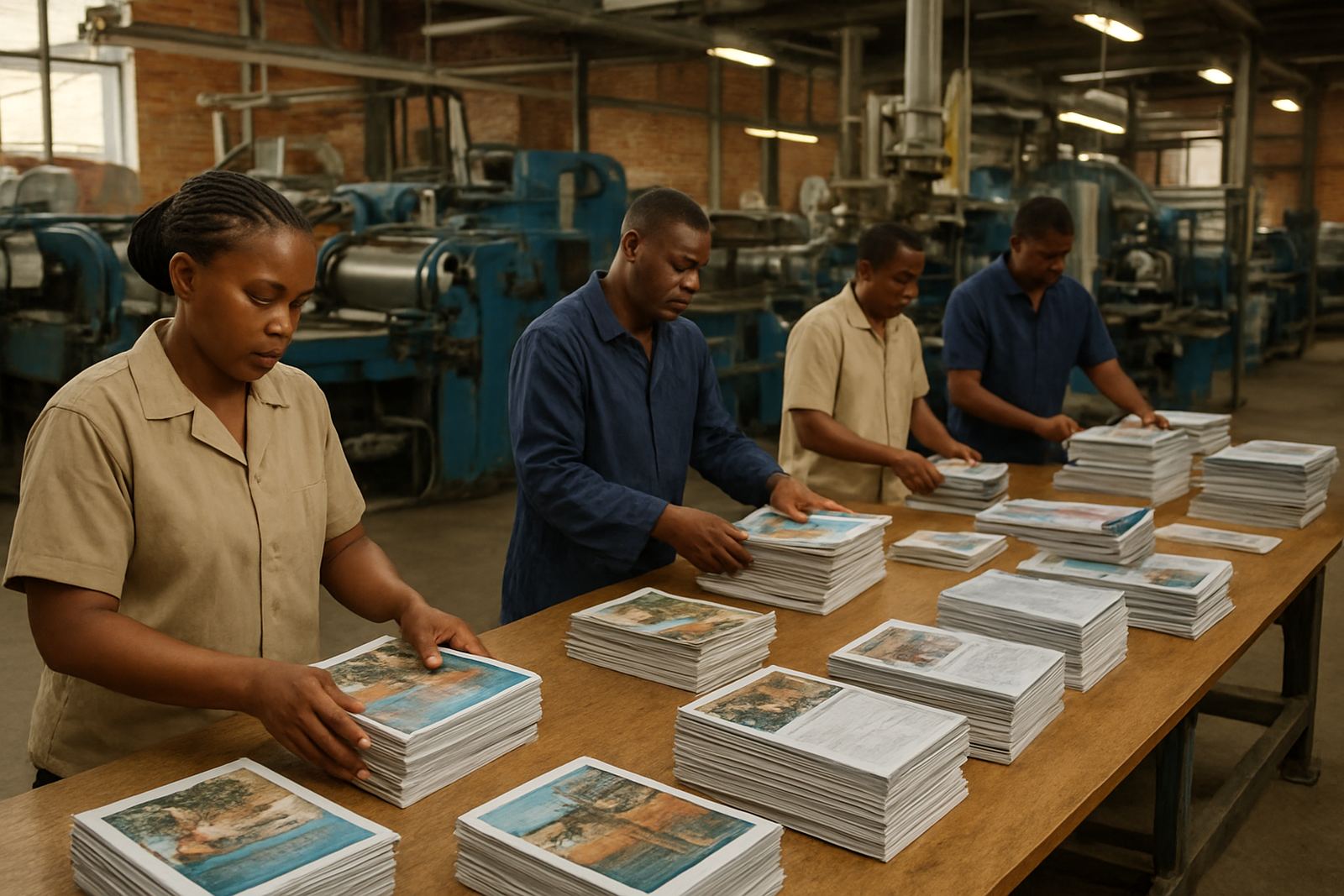
We also offer packing and dispatch, which matters when a healthcare group needs boxes sent to different branches or partner sites. A controlled pack list reduces missing copies and helps reception teams get the right quantity on time, especially when stock moves between Johannesburg, Pretoria and outlying areas.
Common mistakes in medical print projects
Many print problems in medical communication come from planning too late. A practice may wait until the final week before a launch, then discover that page counts have shifted or a table no longer fits. Another common issue is sending artwork without checking image quality. Low resolution scans, old logos and rushed layout changes can all affect the final result.
We also see content that is accurate in the doctor’s draft but not in print form. If a procedure name is long, or a warning note has to sit beside a diagram, the layout can break quickly. This is why prepress checks are important. They catch missing pages, awkward line breaks and colour issues before paper is used.
- Starting without a final page count
- Using images that are too small or fuzzy
- Leaving no room for updates to phone numbers, room names or clinic hours
- Choosing a binding style that does not suit the page count
- Skipping a proof when the booklet carries medical guidance
Budget ranges for patient booklets and clinic guides
Budget depends on page count, size, paper choice, colour use, binding and quantity. A short black-and-white patient booklet in a simple run can start at roughly R3,500 to R8,000, depending on specs and finishing. Mid-range clinic guides and magazines with full colour pages often sit between R12,000 and R35,000. Larger runs, special finishes or heavier covers can move higher, especially where the material must last through repeated handling.
For practices and publishers, the best saving usually comes from smart planning rather than cutting quality too far. Keeping the page count tidy, confirming content early and ordering in sensible batches can lower the cost per copy. If a title is updated often, we can plan a repeatable print setup so later runs stay close to the first one. That saves time and keeps the communication consistent.
Printing House works from Industria, Johannesburg under MD Oupa Hlungwani, with a team that includes Busisiwe Motaung in production, Johan van der Merwe in prepress, Siyanda Ramaboa in client services, Farieda Adams in bindery, Siphamandla Ngwenya on press and Leanne Naidoo handling logistics. It means the job is watched from file check to dispatch, so your medical print lands ready for use.