
Why spine crack shows up on thicker printed covers
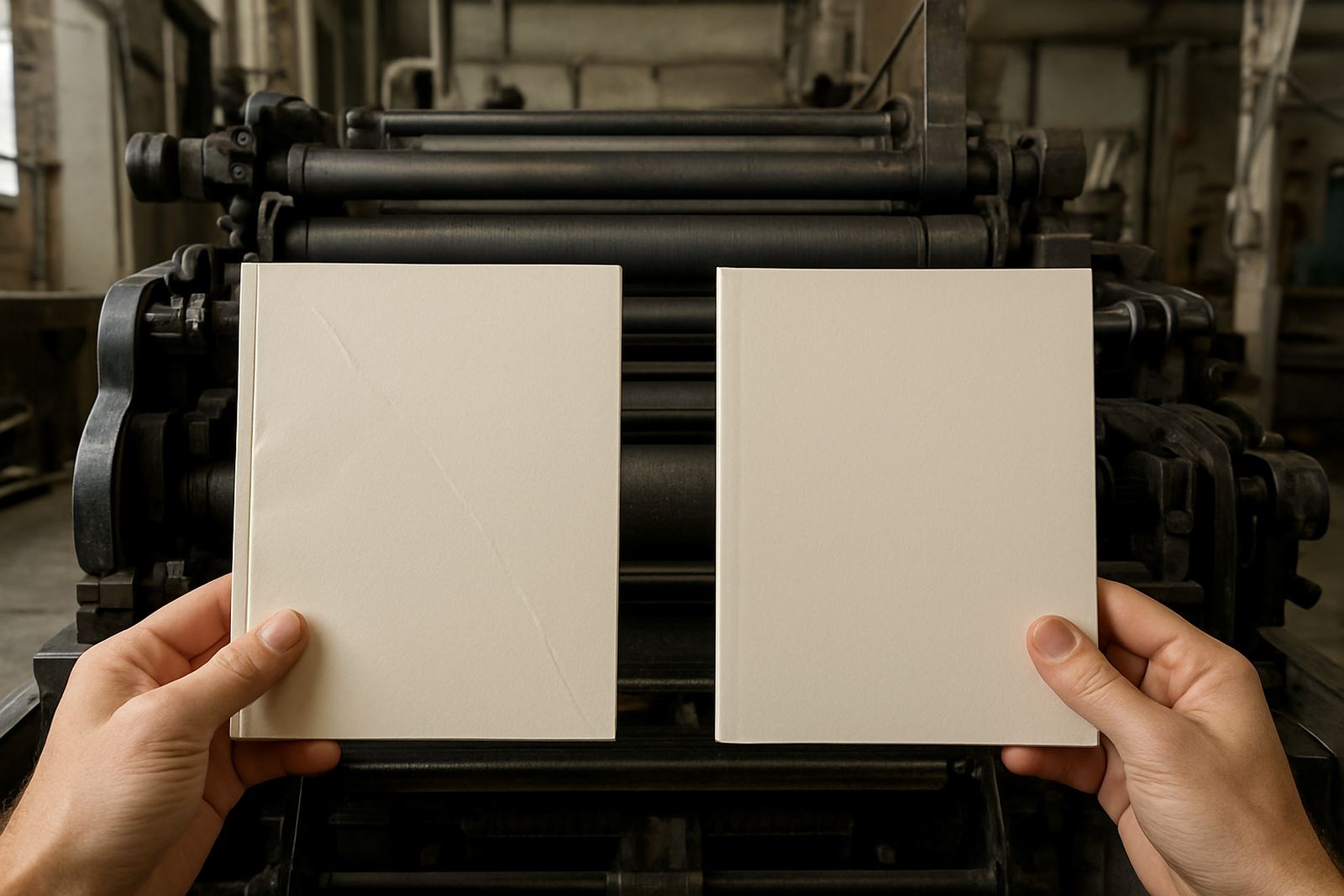
Spine crack is most common on books, magazines and catalogues with heavy covers, deep creases or tight opening requirements. It usually appears as a white line or broken finish along the hinge area where the cover bends each time the book is opened. In many cases the damage is not caused by one thing alone, but by the mix of paper weight, coating, grain direction and how the job was folded and bound.
In Johannesburg, we see this often on annual reports, premium brochures and training manuals that are expected to travel from Industria to Sandton boardrooms, Randburg offices and even coastal clients in Durban or Gqeberha. When a publication leaves the press with the wrong fold memory or too much pressure at the binding stage, the crack can show after only a few openings.
The good news is that cracking can be reduced with planning. It starts long before finishing, at prepress and paper selection, then carries through printing, folding and binding.
Choose paper and board that can bend without breaking
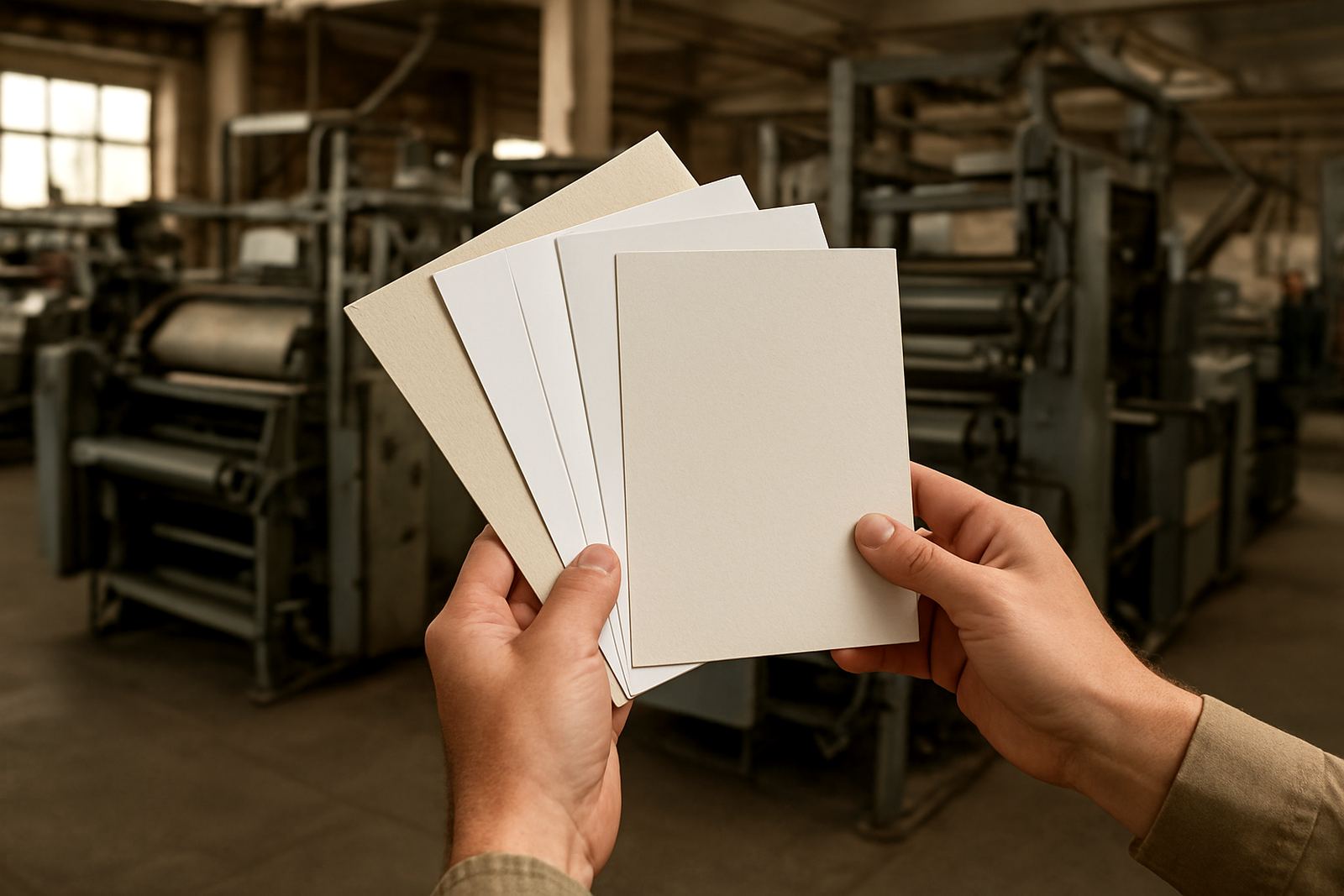
Paper choice has a direct effect on spine appearance. Coated stocks tend to show cracking more quickly than uncoated paper because the coating layer can split when the spine is forced. Heavier cover boards also need proper scoring and fold direction or they will resist opening.
For publications that will be handled a lot, it helps to match the paper to the use of the book. A magazine that is read once a month can cope with a different finish to a sales catalogue that sits in a reception area for a year. On jobs with strong colour coverage, we often advise checking both the printed side and the reverse side, since heavy ink laydown can stiffen the sheet more than expected.
- Use a stock that suits the page count and binding style, not just the look of the cover.
- Check grain direction so the sheet opens across the grain where possible.
- Avoid overspecifying a board thickness if the publication must open flat.
- Ask for a colour proof before the full run, especially on coated covers.
For publishers in Pretoria, Midrand or East Rand who dispatch nationwide, it is worth planning for handling as well. A cover that cracks in the office can look even worse after a truck ride and repeated unpacking.
Get the fold and crease right before binding starts
One of the most effective ways to reduce cracking is to make sure the crease is formed properly. A folded cover needs a clean score line that allows the fibre to move rather than split. If the score is too shallow, the sheet will resist. If it is too hard, it can crush the coating and leave a visible mark.
Prepress checks matter here. Page imposition, grain direction and cover dimensions all need to be verified before the job reaches the pressroom. A few millimetres out on the spine width can cause pressure points that show up later as cracking at the fold or along the hinge.
- Check spine width against final page count and paper thickness.
- Use proper scoring for covers and thicker inserts.
- Allow for the way the publication will be opened in real use.
- Test a folded sample before committing to the full run.
We have seen a simple sample save a run of several thousand copies. A Johannesburg publisher preparing a year-end title for distribution to schools in Gauteng found that one extra crease adjustment stopped the spine from whitening during handling. That small change avoided a costly reprint and kept the schedule on track, even with load-shedding interruptions in the week of production.
Match binding style to the way the publication will be used
Binding plays a major part in whether a spine cracks. Saddle stitched work has different pressure points from perfect bound or case bound books, and each needs the right setup. A publication that must lie flatter on the table may need a different approach from one that is mainly shelf stored. If the glue line is too rigid, or the sewing too tight, the spine can open badly and show white cracking along the cover.
Perfect binding remains a strong choice for many catalogues and short books, but it needs careful glue application and spine preparation. Section sewing is often better for premium books that need more movement, while case binding suits longer life items where the cover and text block must handle repeated use. The key is not to choose the strongest sounding method, but the one that suits the page count, paper and opening angle.
In our Industria production area, the team checks these details across the full job flow. Busisiwe Motaung and the production crew will usually look at how the cover lays after folding, while Farieda Adams and the bindery team watch how the book opens after trimming and gluing. Small adjustments at this stage make a real difference.
Use finishing with restraint on high-wear covers
Cover lamination, foil finishing and die cutting can add value, but they also change how a cover behaves under pressure. A glossy laminated cover may resist moisture better for clients in coastal humidity, yet if the lamination is too stiff or the score line is not right, the spine can show a hard crack when opened. Foil areas near the fold can split if they are placed too close to the bend.
When the goal is durability, it helps to keep finishing practical. Lamination should be specified with the opening movement in mind. Foil should be placed away from the crease where possible. Die cuts need enough margin so they do not weaken the spine edge. For a publication that will move through several hands, from printer to warehouse to reader, less stress on the fold usually means a better final look.
- Keep foil a safe distance from the score line.
- Choose lamination that supports the expected handling, not only the visual effect.
- Check that die cuts do not sit too close to the hinge.
- Allow extra time for testing on premium covers.
Store, pack and distribute so the crack does not get worse
Even a well made book can crack if it is packed badly or stored under pressure. Stacks that are too high, tight straps or hot warehouse conditions can force covers into a fixed shape. When the books are later opened, the spine may show a line that was not visible when they left the bindery.
Packing and dispatch should protect the publication from bending and compression. This matters for publishers sending stock nationwide, especially when books travel from Johannesburg to Durban, Cape Town or Bloemfontein in mixed freight. A well packed carton with the right orientation helps the books reach the client in the same condition they left Industria.
Good handling notes should be shared with the receiving team as well. If a publication is meant to be opened flat for training or reference use, it should be stored and shipped with that in mind. Siyanda Ramaboa’s client services team often reminds customers that the final result depends on what happens after press too, not just on the day the sheets are printed.
A practical check list before you approve the run
Before giving the go-ahead, ask for a sample or short proofed section and inspect the spine under normal opening pressure. A few minutes spent checking now can prevent complaints later, especially on high-value print work where appearance matters as much as function.
For magazines, annual reports and branded books, our advice is to review the following points in order. This helps catch issues before the full run is printed and bound.
- Confirm paper weight and finish for the cover and text pages.
- Check grain direction and spine width calculations.
- Review the score or fold quality on a sample.
- Match the binding method to the page count and use case.
- Keep finishing away from the hinge where possible.
- Plan packing for transport, storage and distribution.
If you are printing for schools, corporate offices or retail distribution, this step can save time and money. It also supports better repeatability on future jobs, because the settings are documented and easier to repeat on the next run.