
Paper Choice Affects Readability And Durability
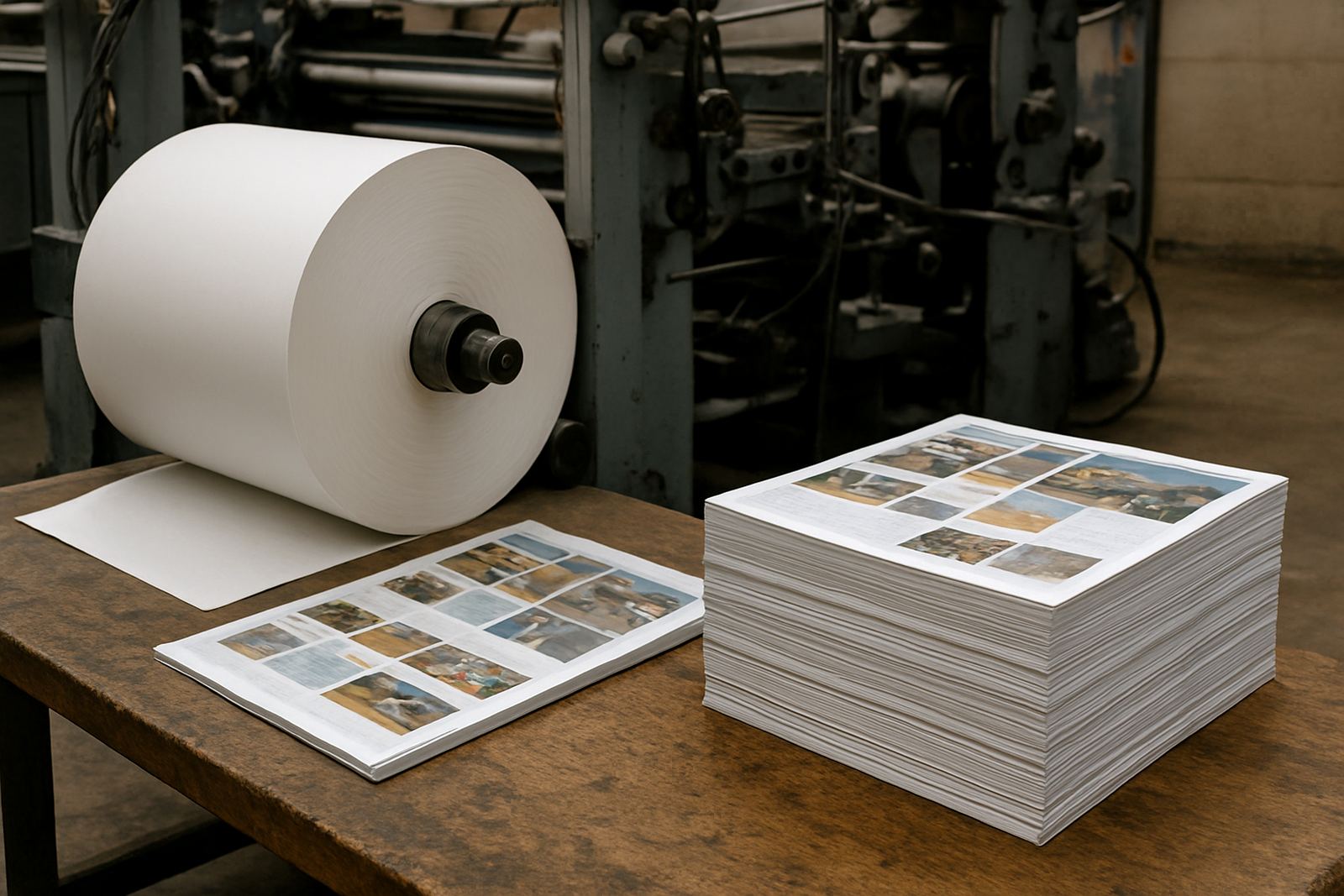
Paper is one of the biggest decisions in workbook production. Thin paper can reduce weight and freight costs, but if it is too light, learners may see show-through when writing on both sides. For writing-heavy workbooks, a sensible balance between bulk, opacity and cost is important.
Many South African educational jobs use uncoated paper for the inner pages because it takes pen and pencil well. Coated paper can suit image-heavy sections, but it is not always ideal for writing areas. Covers need more strength than text pages, especially when books are packed into cartons and moved through humid coastal areas or dry inland storage.
At our Industria base, we often see workbook specs that need to work for schools in Soweto, Sandton, Midrand and outlying towns at the same time. A good spec has to be practical for printing in Johannesburg and strong enough for delivery nationwide.
- Use uncoated text stock where learners will write heavily
- Choose a heavier cover for books that will be carried daily
- Check opacity if there are diagrams or revision notes on both sides
- Allow for storage conditions in hot or humid areas
Binding That Matches The Page Count
Binding should be chosen for the way the workbook will be used. Saddle stitching works well for thinner booklets and shorter course packs. It is cost effective and quick, but page count is limited. Once a workbook grows beyond that range, the spine needs a different approach.
Perfect binding is a common option for thicker workbooks, assessment guides and teacher resource packs. It gives a neat spine and a professional finish, though it does not open as flat as some other methods. Section sewing is stronger again and is often used where the book must hold up under repeated use over several terms. Case binding is less common for everyday classroom work, but it is useful for premium reference titles or long-life manuals.
The right choice is not only about appearance. It is about how the book behaves on a learner’s table, in a bag, or when pages are turned back and forth during class.
- Saddle stitch for short booklets and worksheets
- Perfect binding for thicker workbooks and manuals
- Section sewing for stronger long-life use
- Case binding for premium reference material
Finishing Details That Protect The Content
Finishing does more than make a workbook look neat. It protects the cover, improves handling and can help the book survive transport between print room, warehouse and classroom. Cover lamination is one of the most useful options because it helps resist scuffing, fingerprints and light moisture.
Foil finishing and die cutting are not needed on every workbook, but they can be useful when a publisher wants clear branding or a special cover treatment for a training series. The key is to use these features where they support the book, not simply because they are available.
For high-use educational material, the cover should be readable from a distance and the spine should carry enough information for sorting on a shelf. That matters in publisher stores, school libraries and corporate training centres alike.
- Lamination helps with handling, abrasion and light moisture
- Foil can highlight titles or series names on the cover
- Die cutting can be useful for tabs or special sections
- Spine text helps with filing and storage
Prepress Checks Save Time And Reprints
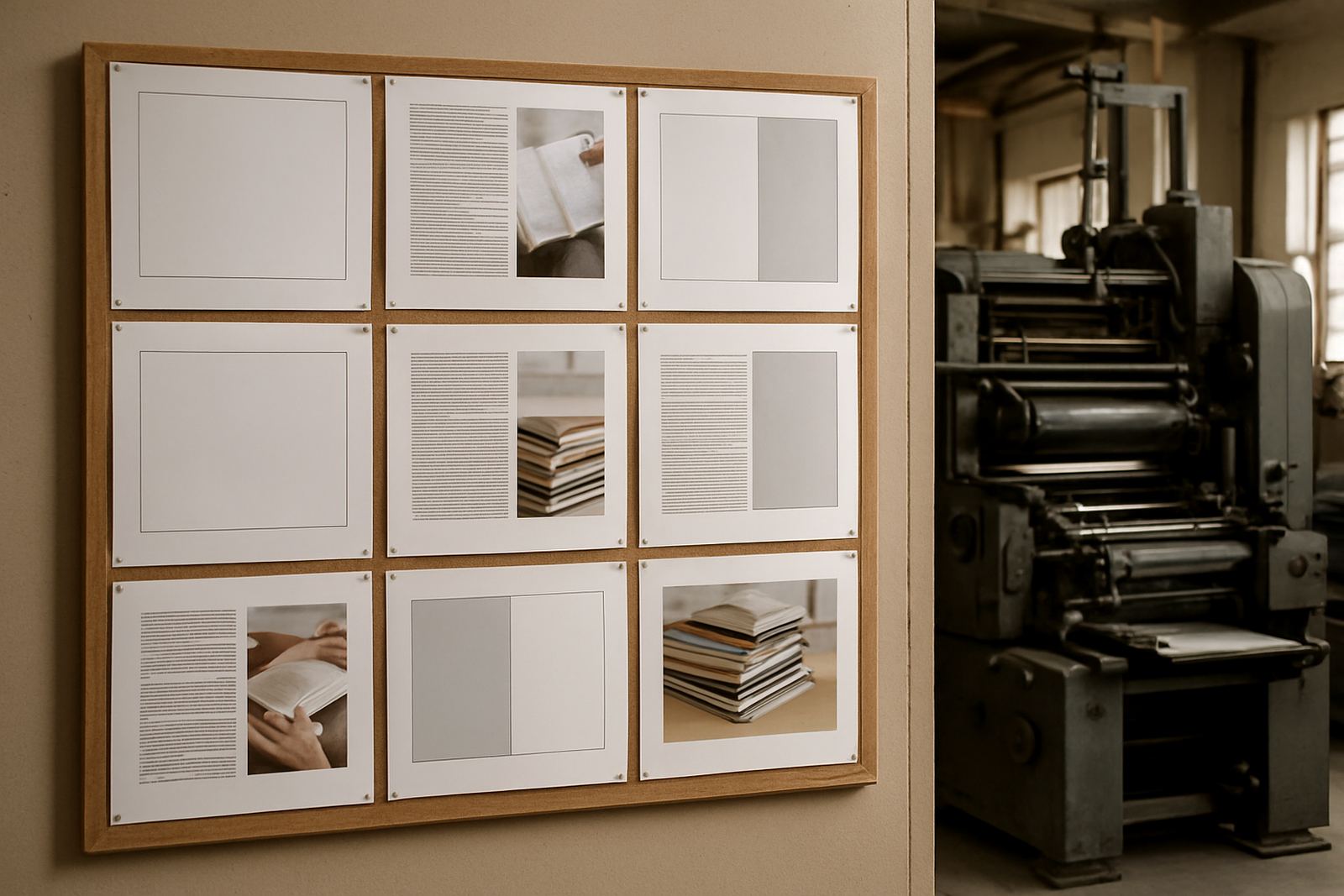
Workbook printing leaves very little room for error because mistakes are repeated on every copy. A missing answer line, a wrong page order or a colour shift can affect a whole run. That is why prepress checks matter so much before any plates are made or any flexo work is prepared.
Colour proofing helps confirm that logos, diagrams and photographs reproduce as expected. It also gives publishers a chance to check margins, page numbers and binding allowance before production begins. For books with heavy writing areas, the content should be checked for clear line spacing and enough room for learner responses.
Our production team works through these checks carefully before the press run starts. That includes making sure the artwork suits the selected binding method and that the finishing line up properly at the bindery stage.
- Check page order and numbering early
- Approve proofs before the main run starts
- Allow inner margins for binding trim and creep
- Keep writing spaces clear and practical
Packing, Dispatch And Timing For School Seasons
Educational workbooks are often needed on strict deadlines, especially before school terms and intake dates. The print schedule has to allow for production, finishing, carton packing and delivery. In Johannesburg, traffic and loading times can affect dispatch planning, so the logistics side needs as much attention as the press side.
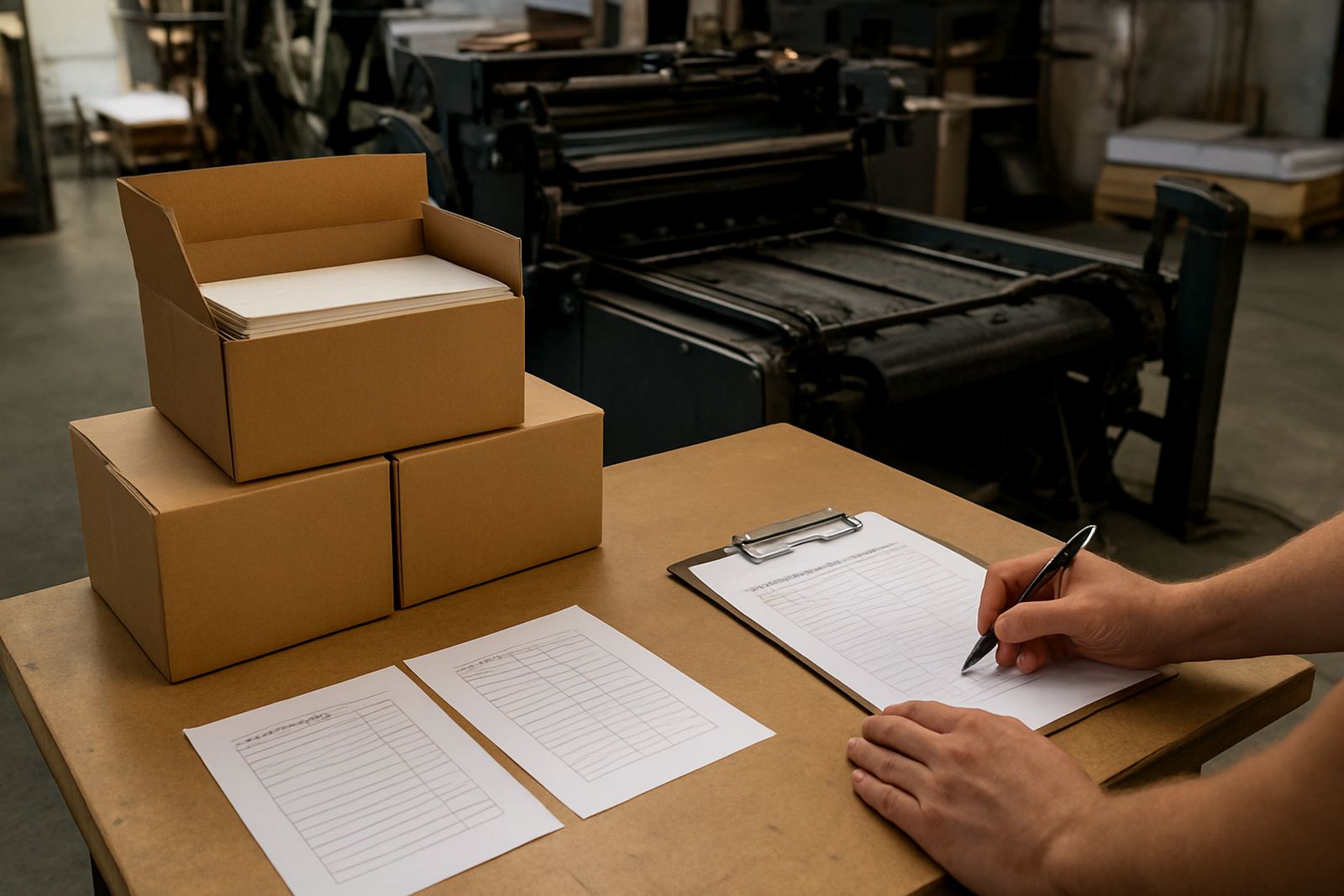
Good packing protects the books during transport to places like Randburg, Roodepoort, East Rand and Pretoria, and also for longer routes to publishers nationwide. Cartons should be labelled clearly by title, quantity and destination so receiving teams can check stock quickly. During load-shedding periods, production planning also needs to consider machine availability and finishing windows, particularly for jobs with tight deadlines.
When a workbook is meant for a term launch or a training rollout, the safest approach is to build in a buffer. That gives room for one last correction without putting distribution at risk.
- Plan around school terms and course start dates
- Label cartons clearly for faster receiving
- Use packing that protects corners and spines
- Build in time for final checks and dispatch
A Local Example From Industria To The Classroom
A publisher in Johannesburg may need a 96 page workbook for Grade 11 support classes across Gauteng. The interior can be printed on good quality uncoated stock for writing, with a stronger cover laminated for daily use. Perfect binding may suit the page count, while clear spine text helps teachers stack and sort the books by subject.
If the same publisher later adds a companion teacher guide, the print spec can stay consistent so the set feels organised and easy to manage. That is where experience matters: matching the method to the real use of the book, not just the look of the cover.
Printing House works from Industria and supports publishers, authors and businesses across South Africa with offset printing, flexo printing, prepress checks, colour proofing and finishing options that fit the job. For workbook projects, the best results come from practical planning, solid materials and careful production from first proof to dispatch.