
What Children's Book Printing Covers
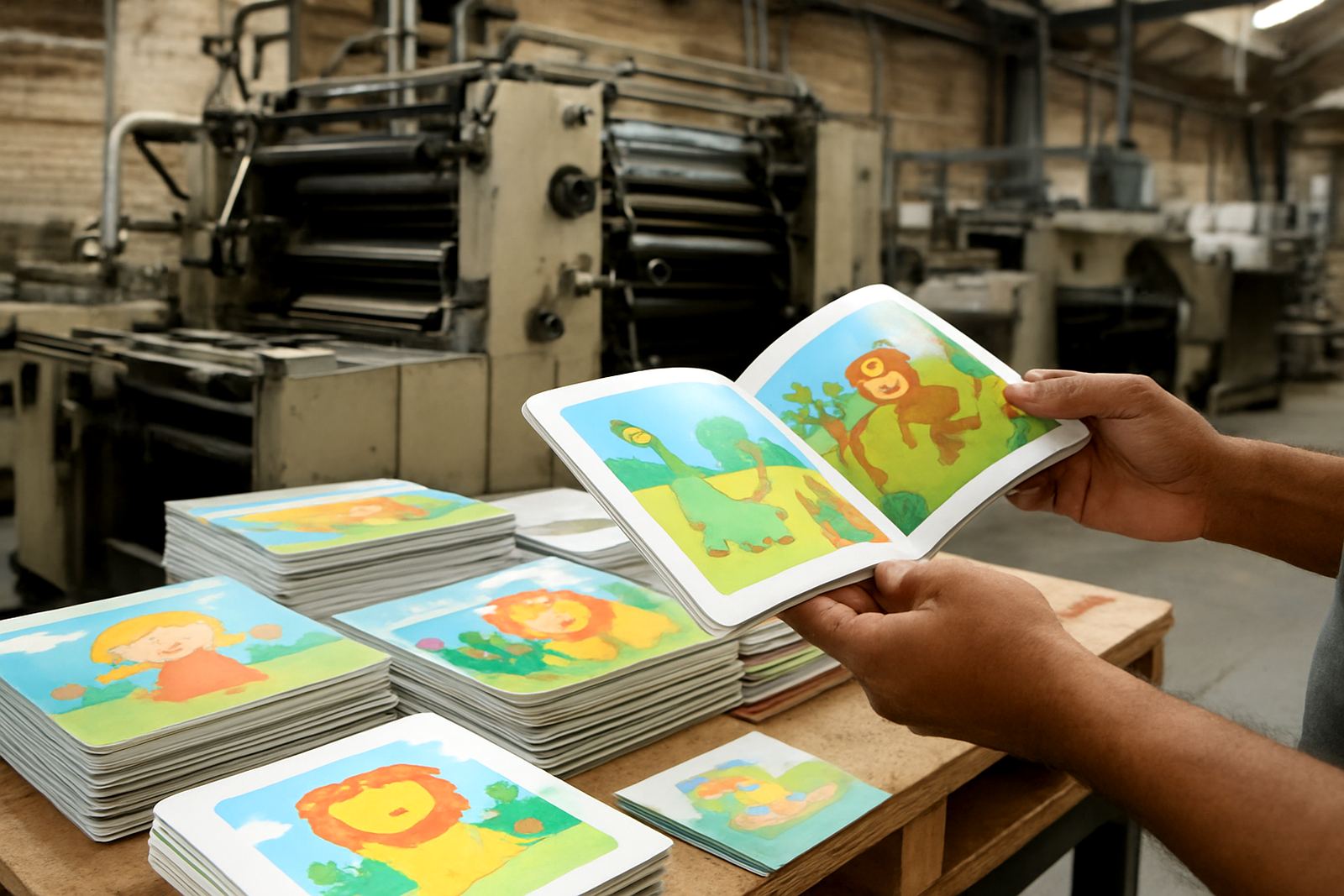
Children’s books are printed for reading, learning, gifting, and retail sale. The work usually includes a full colour interior, a cover that holds up to repeated handling, and binding that suits the page count and intended use. For picture books, story books, early learning titles, activity books, and school books, the main aim is simple: accurate colour, neat trims, and a finish that stays tidy after plenty of use.
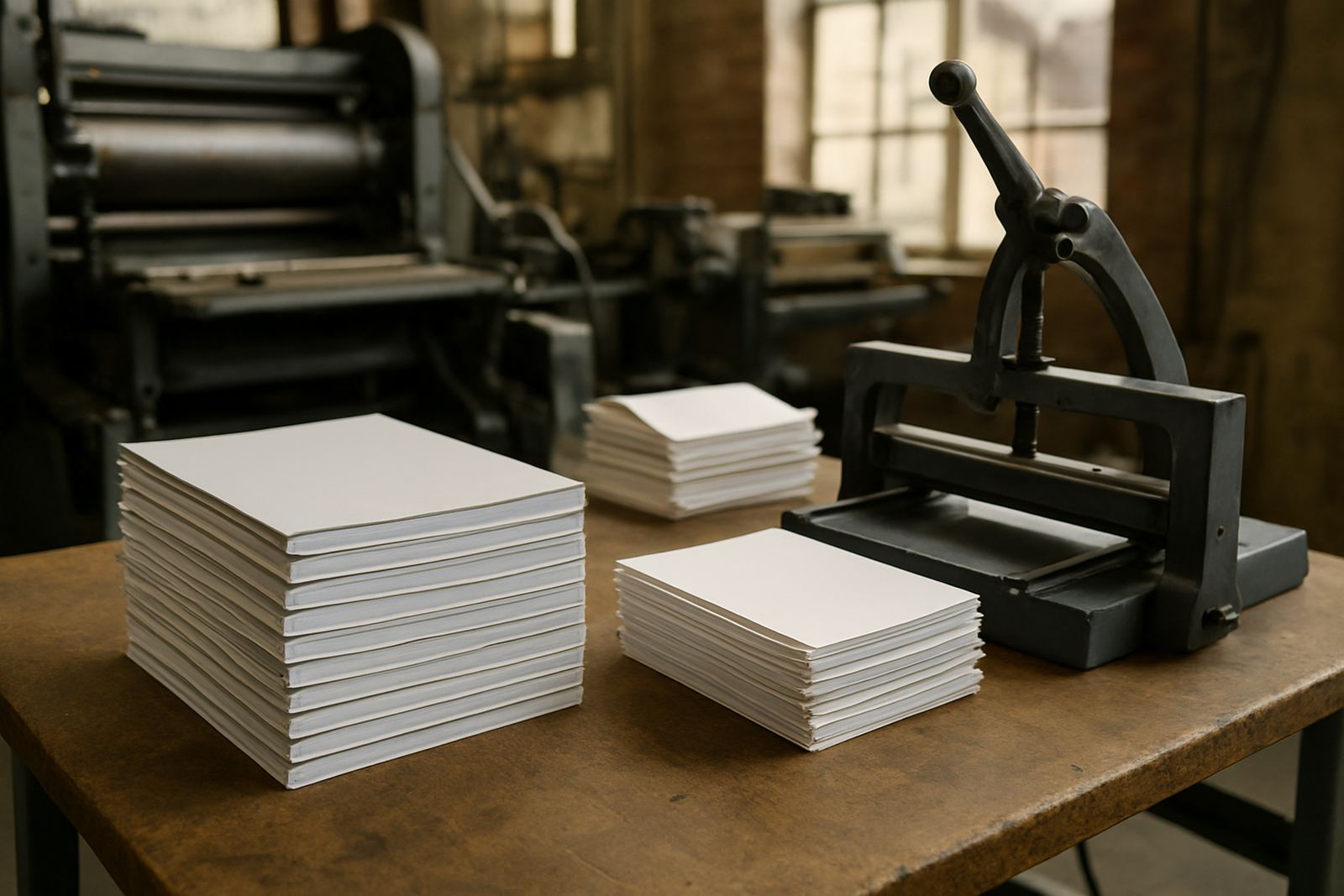
At Printing House we handle offset printing for consistent colour across larger runs, plus flexo printing where certain packaging or special production needs come into play. Johan van der Merwe checks prepress files before plates or print setup, which helps avoid soft images, missing bleeds, or text sitting too close to the trim. It saves time later and keeps reprints down.
- Full colour or selected colour interiors
- Softcover or hard cover options
- Picture books, activity books, and series titles for children
- Nationwide delivery from Industria to publishers and businesses
Sizes, Page Counts, and Binding Choices
Children’s books are commonly produced in A4, A5, square formats, or custom sizes to suit illustrations and shelf space. A square book works well for picture-led stories, while A4 suits classroom material and titles with larger artwork. Page count matters just as much as size because it determines the right binding method and board thickness. If the spine is too tight, the book may not open properly, and that makes reading harder for young hands.
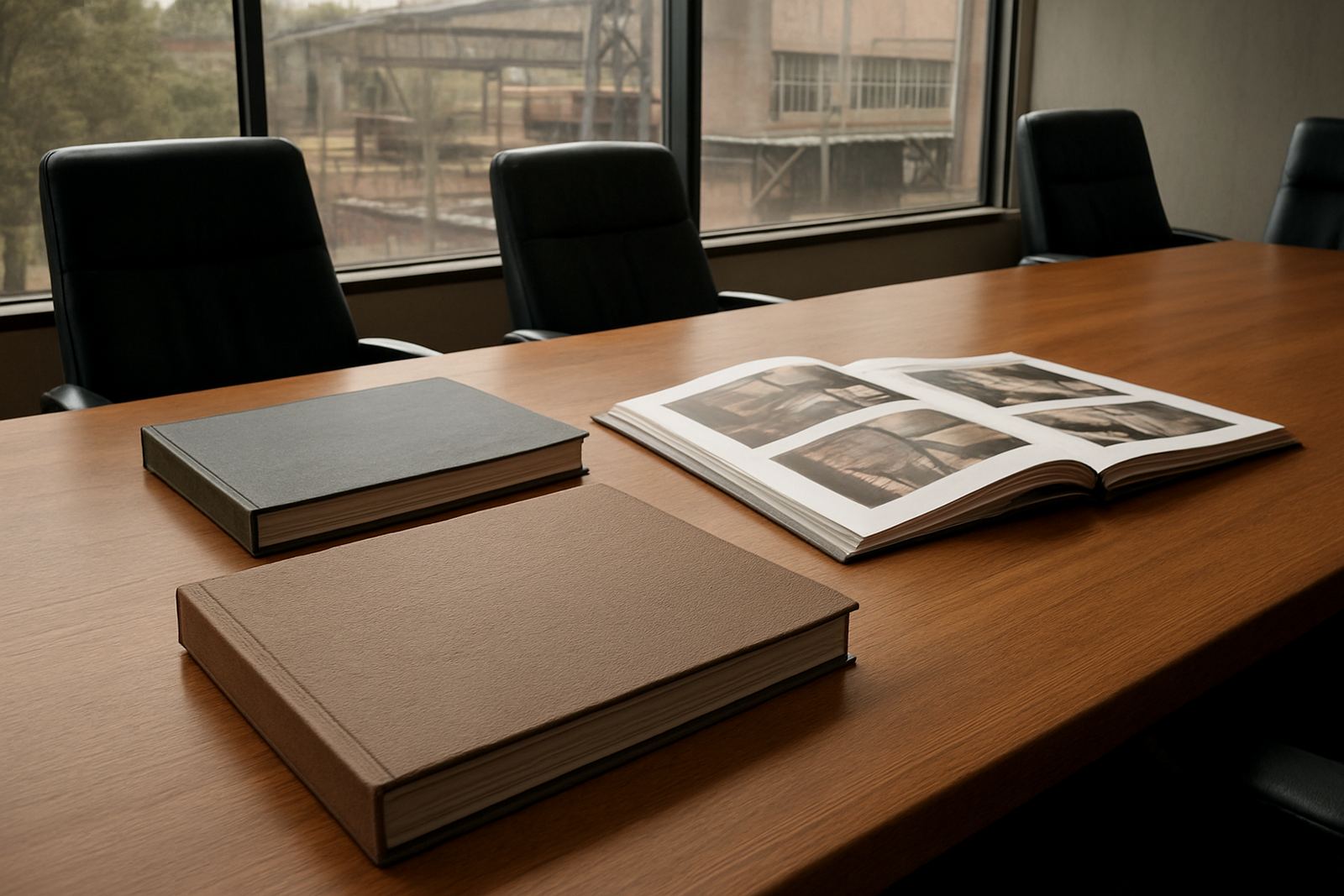
For lighter books, saddle stitching is suitable when the page count is low. Perfect binding suits thicker paperbacks and section sewing is a better choice for books that must lie flatter or take more handling. Case binding is used for stronger hard cover editions, especially for library copies or premium gift books. It’s worth matching the binding to the child’s age group and how often the book will be opened.
- A6 to A4 and custom sizes available
- Typical page counts: 16, 24, 32, 48, 64, 96 pages
- Binding options: saddle stitch, perfect binding, section sewing, case binding
- Paper choices: coated or uncoated interiors, heavier cover board, laminated covers
Finishes That Help Books Last Longer
Children handle books differently from adults. Pages get bent, covers get wiped down, and books are often carried in schoolbags or left on shelves in warm rooms. That means the finish must do more than look neat. Cover lamination adds protection against scuffing and fingerprints, while foil finishing can be used for titles, badges, or series marks that need a little extra visibility. Die cutting is useful for shaped windows, tabs, and interactive pages, but it needs careful planning so the edges stay clean and safe.
We can also pack and dispatch books in quantities that suit publishers, schools, and distributors. Leanne Naidoo arranges delivery so consignments move safely from Industria to Johannesburg Central, Sandton, Randburg, Roodepoort, Midrand, Pretoria, the East Rand, and further afield. In summer, South African humidity can affect stacks and cartons, so wrapping and storage need attention. A small delay in dispatch can cause trouble if printed books are left too close to damp floors or direct sun.
- Gloss or matt cover lamination
- Foil accents for titles and features
- Die cut windows, shapes, and tabs
- Carton packing for retail and bulk supply
Where Children's Books Suit Best
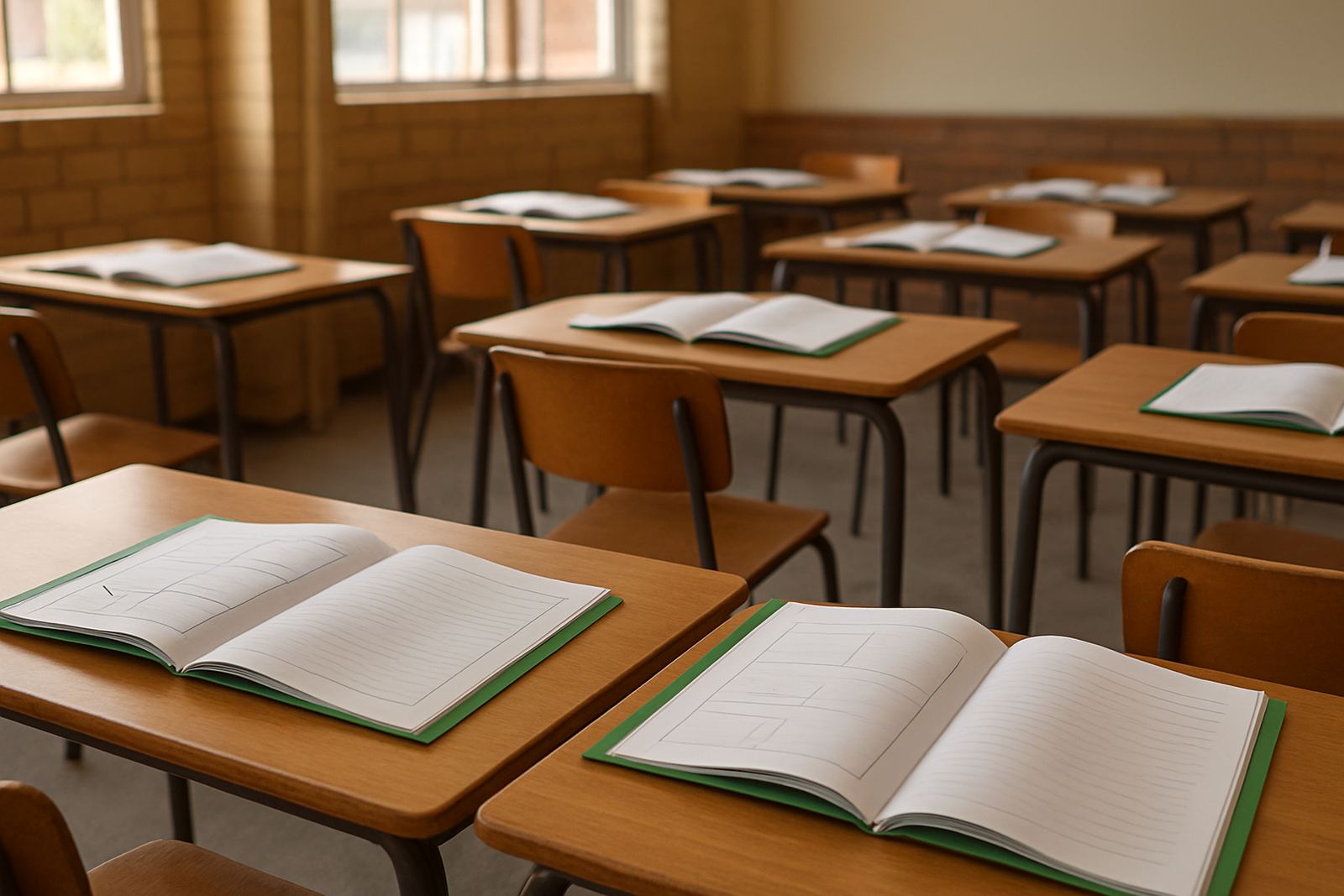
These books suit publishers, educational suppliers, authors, churches, NGOs, bookstores, and businesses that need branded reading material. A children’s book can be a story title, a learning aid, a colouring book, a workbook, or a campaign item for a product launch. They also work well for municipal reading projects and literacy programmes where durability and clear print matter just as much as price.
Oupa Hlungwani and the team understand that different clients have different priorities. A publisher may want consistent colour across a long series, while an author may be working with a shorter print run and tighter budget. For books going into classrooms or libraries, it is often smarter to choose stronger covers and a binding that opens well rather than chasing the lowest upfront cost. That usually gives better value over time.
- School literacy books and reading projects
- Retail story books and picture books
- Activity books, colouring books, and workbooks
- Brand promotions, charity campaigns, and bookshop ranges
Points to confirm before booking a children’s book print run
The best results start with the right file setup. Before ordering, check that the text is readable at the age group you are targeting, the artwork is supplied at proper resolution, and the margins allow for binding. If the cover has a spine, that spine width must match the final page count and paper choice. One common issue is forgetting the bleed on full-page artwork, which can lead to white edges after trimming. It’s a small detail but it matters.
We recommend confirming these points early so production runs smoothly and rework is avoided. Siyanda Ramaboa manages client queries and can help make sure the job is clear before it moves into print. If you are producing a series, keep the trim size, paper stock, and finish consistent across the range unless there is a good reason to change. That keeps the set looking neat on the shelf and in packed cartons.
- Trim size, spine width, and total page count
- Paper weight for inside pages and cover
- Bleed, safe margins, and image quality
- Binding type and finish for the intended age group
Care, Storage, and Ongoing Servicing
Children’s books do not need complex servicing, but they do need sensible handling. Keep cartons off the floor, out of direct sunlight, and away from damp walls or loading bays. In Johannesburg winters, dry air is usually fine, but in coastal deliveries or humid storage rooms, shrink wrap and clean stacking help prevent waviness. Books with matt lamination and section sewing often stay in better condition when they are handled often.
For long-term use, wipe covers with a soft dry cloth and avoid harsh cleaners that can mark the finish. If you are resupplying a title, keep a sample copy aside so the next print run matches the previous one more closely. Busisiwe Motaung oversees production, while Farieda Adams coordinates bindery work and Siphamandla Ngwenya keeps press output consistent. That matters when you need repeat orders to look the same from batch to batch. A tidy title page and even trimming make a stronger impression than most people expect.
- Store flat or upright in clean, dry cartons
- Avoid moisture, heat, and direct sun
- Keep a master sample for repeat print runs
- Check cover scuffing, page lift, and spine shape on receipt
Key facts
| Product | Children’s books for publishers, authors, schools, and businesses |
|---|---|
| Common sizes | A6, A5, square formats, A4, and custom trims |
| Print methods | Offset printing for colour consistency, flexo for selected production requirements |
| Binding options | Saddle stitch, perfect binding, section sewing, case binding |
| Finishes | Cover lamination, foil finishing, die cutting, packing and dispatch |
| Supply area | Industria, Johannesburg Central, Sandton, Randburg, Roodepoort, Midrand, Pretoria, East Rand, and nationwide delivery |