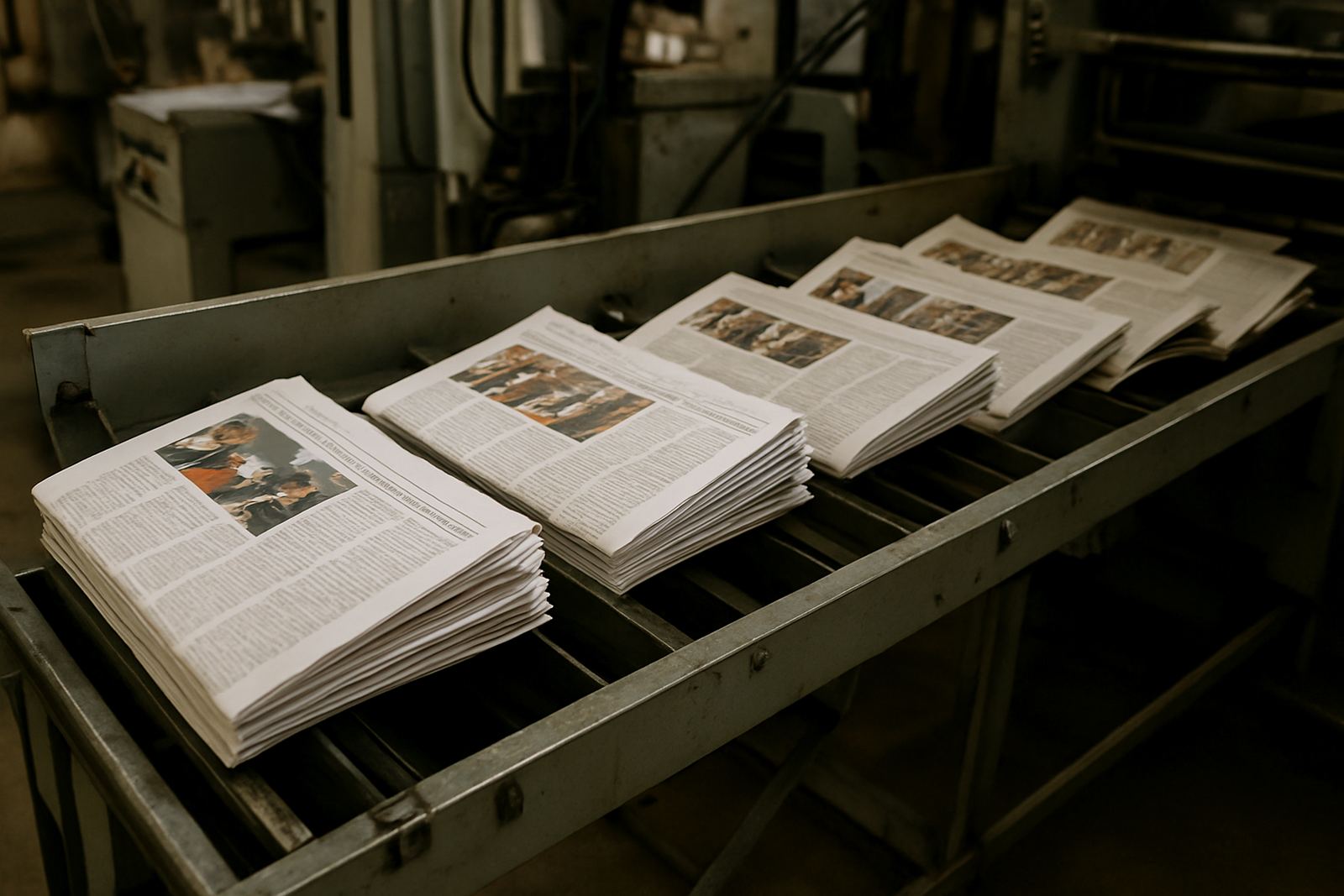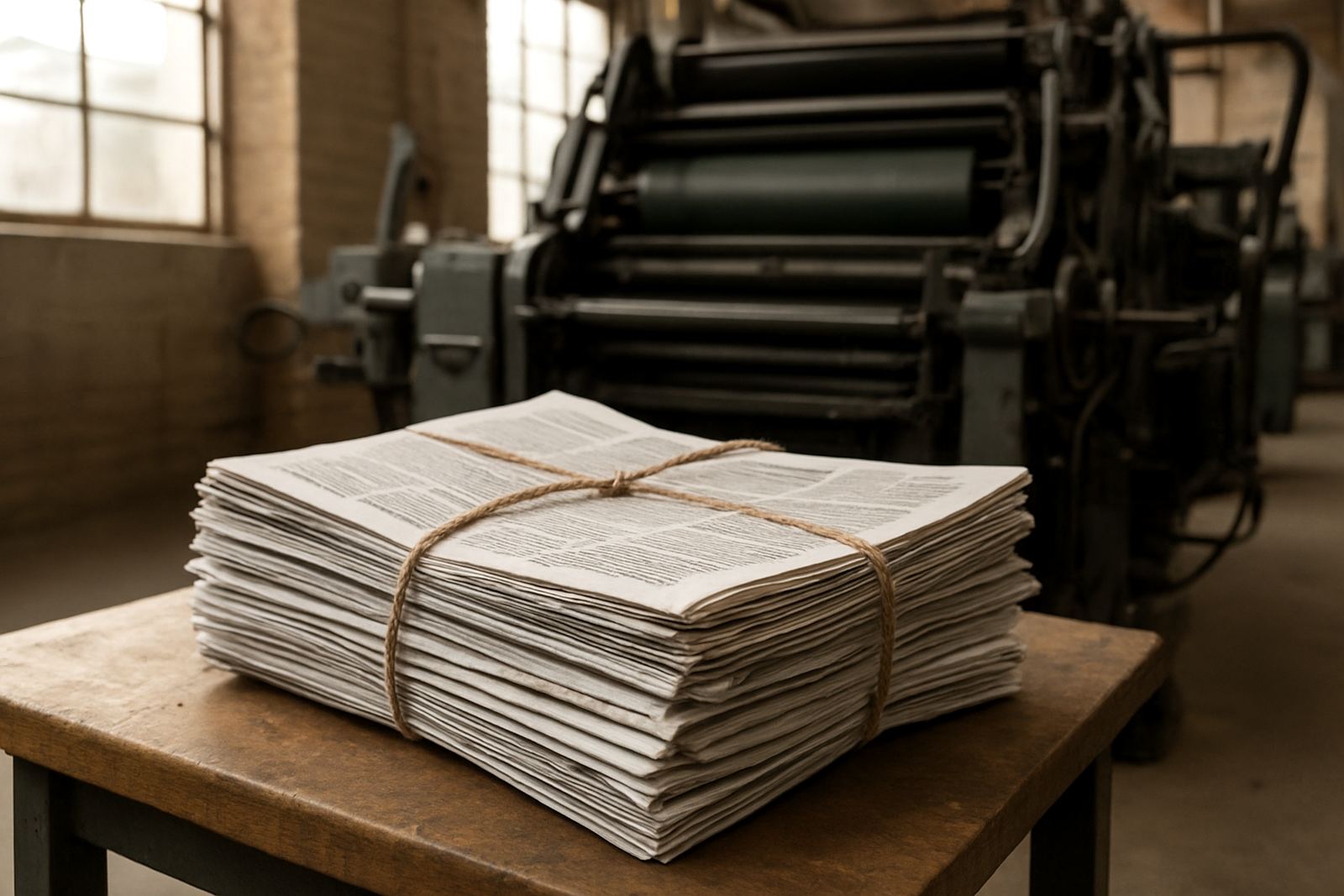

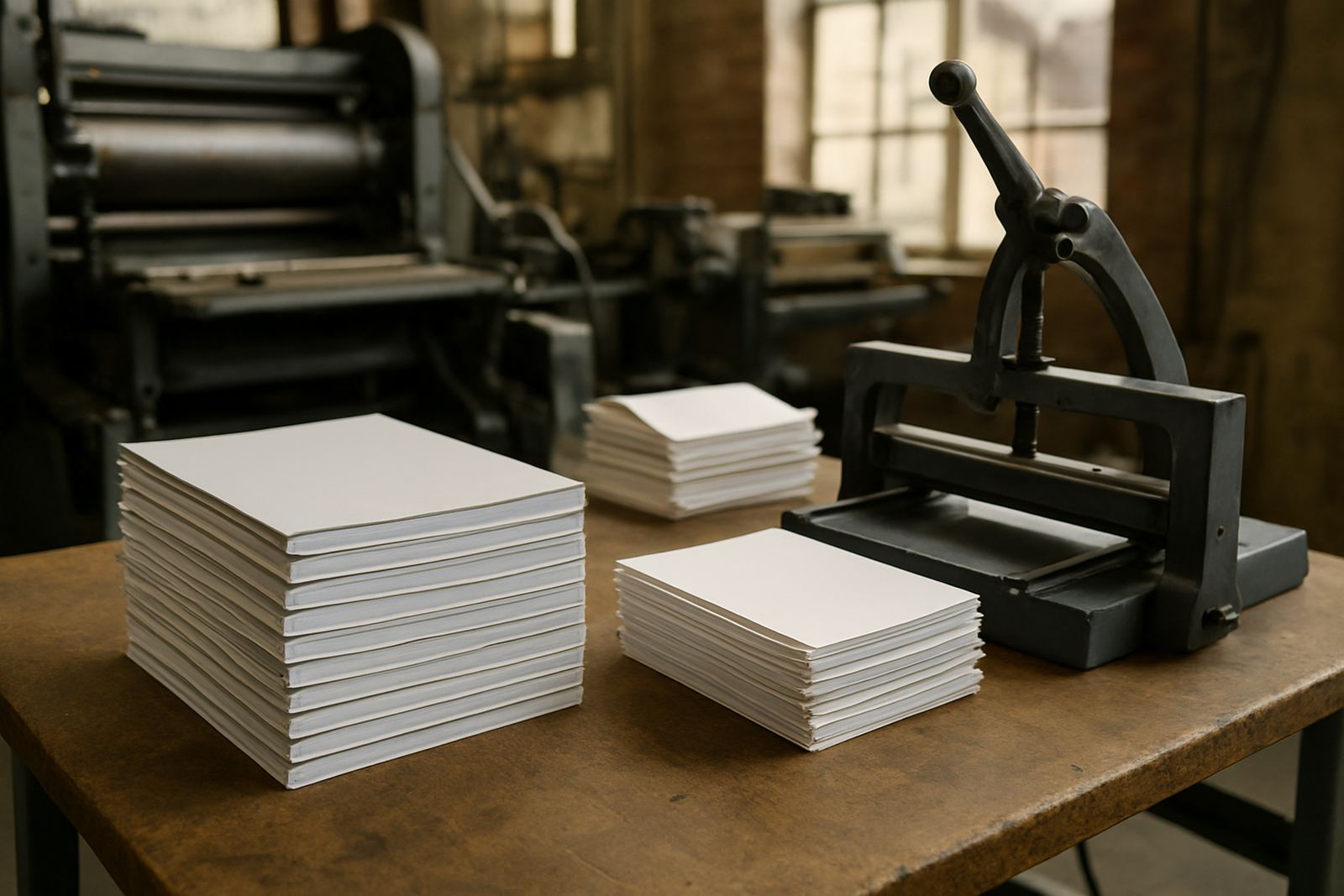
What Saddle Stitched Magazines Are
Saddle stitched magazines are booklets that are folded through the centre and stapled along the spine with wire stitches. They suit titles that need a smart finish without the cost or bulk of a hard bind, and they open flat enough for easy reading on counters, counters and in waiting areas. For many publishers, this is the most practical choice for newsletters, event programmes, product catalogues and short-run magazines.
The method works best when the page count is kept within a sensible range. Too few pages and the booklet can feel thin, too many pages and the spine begins to bulk out or spring open. Our team checks each file before print so the final fold sits square and the staples land in the correct position.
Sizes, Page Counts and Finish Options
We produce saddle stitched magazines in common A sizes and custom trim sizes, depending on the layout and the way the publication will be used. Popular options include A4, A5 and square formats. If you are planning a pocket guide or a handout for a trade show, a smaller size can save on paper and distribution. For corporate magazines or retail titles, A4 remains a strong choice because it gives you space for images and editorial copy.
- Best for around 8 to 64 pages, depending on paper thickness
- Suitable for self-cover or cover stock versions
- Matt, gloss or silk finishes for covers and text pages
- Optional colour proofing before production
- Trim, fold and staple positions checked before dispatch
Finishing can include cover lamination, foil accents, die cutting for special covers and careful trimming so stacks sit neat on delivery. If you want the magazine to feel more premium, a heavier cover stock makes a real difference without moving away from saddle stitching.
Where Saddle Stitching Works Best
This binding style suits publications that need to move quickly and be read often. It is common for school magazines, annual reports with lower page counts, community notices, promotional magazines, event guides, worship bulletins and small retail catalogues. Publishers also use it for pilot issues and special editions when they want to test the market before committing to a heavier bind.
Because the booklet opens easily and lies fairly flat, it works well for images, pricing tables and spreads that need a clean centre line. If your content changes often, saddle stitching keeps costs under control and makes reprints simpler. It is a sensible choice for Johannesburg, Pretoria, Midrand and other Gauteng deliveries where turnaround matters and stock has to move on schedule.
- Ideal for short to medium runs
- Good for time-sensitive campaigns and seasonal editions
- Practical for mail-outs and hand distribution
- Works well for publishers, corporates and event organisers
Printing Setup and Production Needs
For the finished magazine itself, there are no installation or gas requirements. The product is delivered ready to hand out, pack or insert into distribution bundles. On the production side, saddle stitched magazines are prepared on offset or flexo print workflows depending on the job specification, paper choice and run length. Accurate prepress checks matter here, because page order, bleed and creep all affect the final result.
Our Industria base handles the print preparation, stitching, trimming and packing in-house so the job stays under control from proof to dispatch. That matters when you are working around load-shedding, tight editorial deadlines or releases that must reach branches in time. For larger deliveries we plan packing carefully, label cartons clearly and arrange dispatch to publishers nationwide.
If your publication will sit in humid coastal areas or in places where it is handled a lot, we can advise on the right paper and cover stock so the spine and folds hold up better. A slightly heavier cover and a stronger inner sheet often help the magazine last longer in circulation. Small detail, big differance.
How To Care For Finished Magazines
Saddle stitched magazines are simple to store and use, but a bit of care helps keep them looking tidy. Keep cartons off the floor, away from damp walls and direct sunlight. In Johannesburg this is usually a packaging issue, while in Durban or other coastal areas humidity can affect the paper if stock is left open too long. If the magazine will be stored before distribution, leave it in its outer wrap until needed.
- Store flat in a dry room at stable temperature
- Avoid crushing cartons, especially at the spine edge
- Do not leave opened stacks near windows or wet loading bays
- Handle covers with clean hands if the stock has a gloss or matt finish
- For long runs, check samples from the first cartons before full issue release
When magazines are intended for retail shelves or frequent handling, lamination can add some protection against scuffing. If the content is more premium, foil or die cut details can be used sparingly to create a stronger first impression without making the booklet difficult to store.
What To Check Before You Order
The best saddle stitched jobs start with a clear brief. Before you send files, check the page count, final trim size, paper weight and whether your cover needs a different stock from the inside pages. It is also worth confirming whether your artwork is set up for facing pages or single pages, because the imposition changes once the booklet is folded and stapled.
We recommend checking the following before production begins:
- Final page count, including cover pages
- Bleed on all artwork, especially full page images
- Page sequence and numbering
- Paper choice for text and cover
- Staple position and whether the booklet has enough inner margin
- Delivery points in Johannesburg, Gauteng or nationwide
If you are unsure about any of these points, our client services team can talk through the order with you before it goes to press. That saves time and avoids costly rework after files have already been approved.
Key facts
| Binding type | Saddle stitched with wire staples through the fold |
|---|---|
| Typical page range | 8 to 64 pages, depending on paper thickness |
| Common sizes | A4, A5 and custom trim sizes |
| Print methods | Offset printing and flexo printing |
| Finishing options | Cover lamination, foil finishing, die cutting and trimming |
| Delivery area | Johannesburg, Gauteng and nationwide to publishers and businesses |