
Journal Runs That Stay Consistent From Issue To Issue
Academic journals need more than a neat print job. They need the same trim, the same page order, the same colour balance and the same binding every time, especially when a title is issued quarterly or monthly. At Printing House in Industria, Johannesburg, we print and bind journals for publishers, universities, professional bodies and research groups that cannot afford page drift, shade changes or weak spine performance.
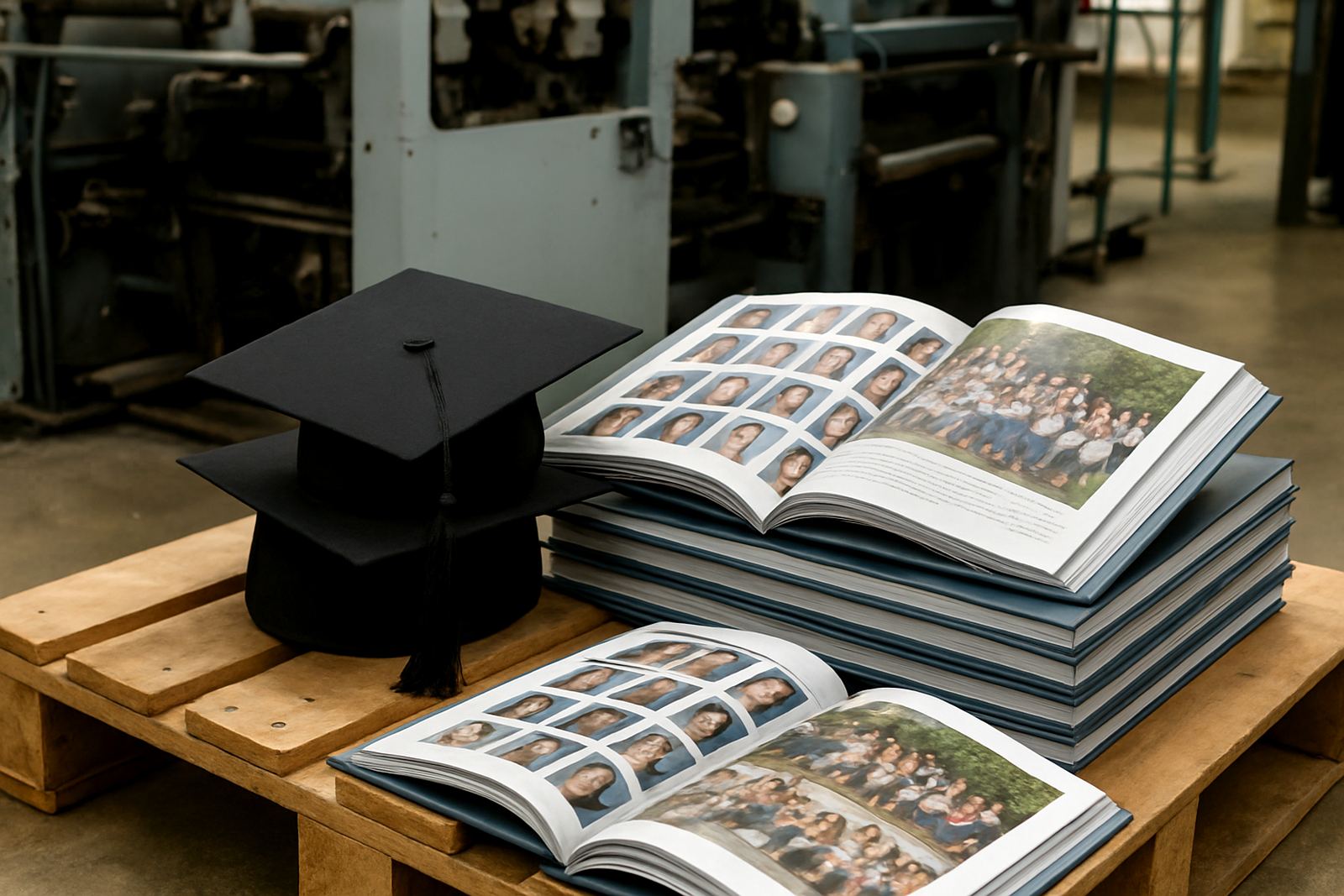
Our team manages offset printing for text and cover work, with flexo printing available where the title calls for specific production methods. For journals with many pages, perfect binding, section sewing or saddle stitching can be matched to the page count and the way the publication will be handled. If a journal is distributed to libraries or conference delegates, we can add cover lamination and packing that keeps copies cleaner in transit. Thats a practical benefit when books move through humid coastal routes or are stored in busy campuses and offices.
Sizes, Paper And Finish Options That Match Your Title
Academic journals are usually planned around standard sizes so they slot easily onto shelves, fit library records and keep production costs under control. Common finished sizes include A4, A5 and custom trims for specialist publications. The right choice depends on how much content is carried, whether the journal includes graphs or images, and how the publication will be handled after printing.
- A4 for institutional reports, research journals and publications with tables or figures
- A5 for compact titles, member magazines and conference booklets
- Custom trim sizes for societies, annual journals and branded academic publications
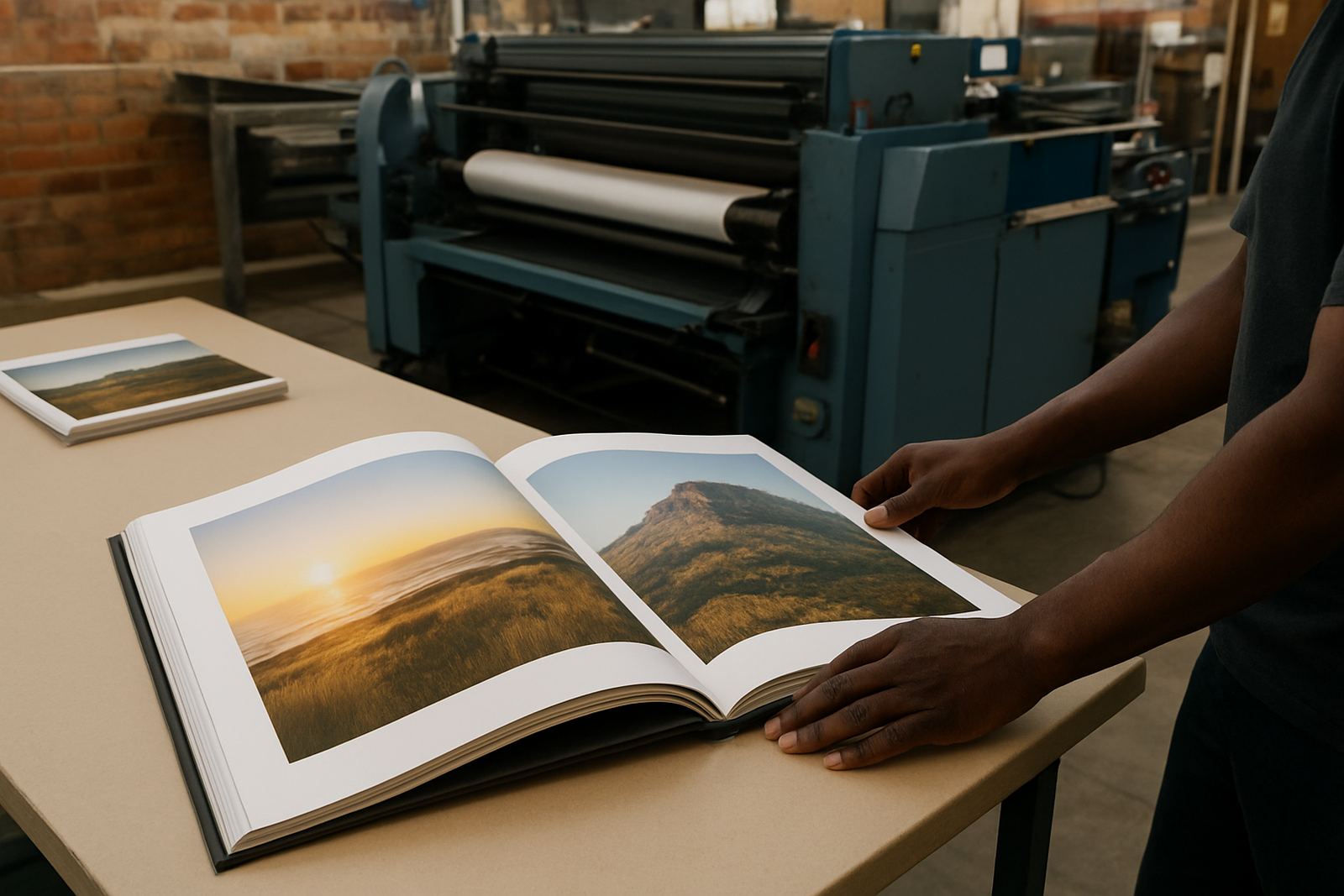
- Inside paper from lighter stock for text-heavy issues to heavier stock where photographs or charts need better hold
- Cover options with matt or gloss lamination, foil finishing and die cutting where required
For journals that need a more formal finish, case binding can be considered, while section sewing helps larger page counts lie better on the shelf and in the hand. If the title is likely to be referenced often, that extra strength is worth it. It also helps when copies are moved between libraries, departments and storerooms over time.
Prepress Checks And Colour Control Before We Go To Press
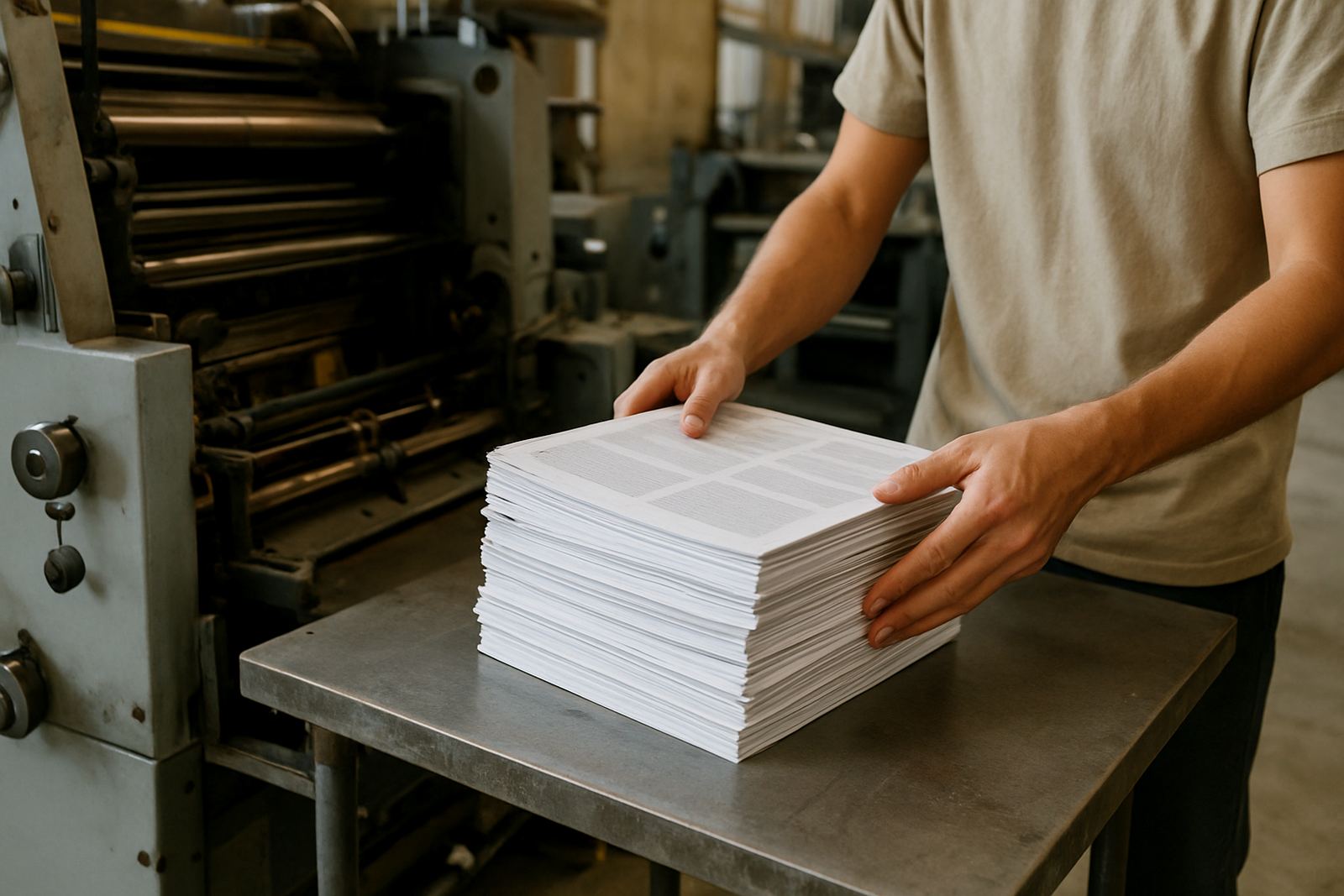
Before a single sheet is printed, prepress checks must be right. We look at page order, image resolution, bleed, trim, fonts and total page count so the final journal matches the approved file. This step matters for academic work where footnotes, captions and data tables must remain clear and readable. A small file error can become a costly reprint, so we check carefully rather than rush.
Colour proofing is available for titles with charts, photographs, institutional logos or covers that must keep a set brand colour across every issue. That is especially useful for universities and societies that issue journals each year and need continuity. If a publication has strict house rules, we can work to those specifications and keep production notes on file for future runs.
- File checks for images, margins, fonts and page order
- Proofing for covers and key colour pages
- Pagination checks for section sewing and binding setup
- Support for reprints and repeat issues with matched settings
Binding Choices For Heavy Use In Libraries And Offices
The binding method should suit the way the journal will be used. Saddle stitching works well for slimmer issues and supplements. Perfect binding is the standard choice for many journals that need a clean spine and a professional shelf presence. Section sewing is better for heavier publications that must open well and last longer under repeated handling. Case binding is available when a title calls for a more permanent finish.
We advise on the practical side too. If a journal will be posted to members, the finished thickness must work with envelope or parcel packing. If it sits on library shelves, the spine width and labelling area need to be considered. If the issue includes inserts, pull-out pages or loose forms, those must be planned at prepress stage so the run goes through smoothly and not with surprises later on.
In the print room, the right binding choice also affects production speed and cost. That can help publishers keep quarterly budgets in line while still getting a finish that looks proper on arrival.
Where Academic Journals Suit Best Across South Africa
Academic journals are used by universities, research institutes, learned societies, hospitals, training bodies, associations and specialist publishers. They are common in Johannesburg, Pretoria, Sandton, Midrand and the East Rand, but we also deliver nationwide to Cape Town, Durban, Gqeberha, Bloemfontein and smaller towns where the post and courier lead times must be managed carefully.
These publications often carry review articles, case studies, conference papers, notices and indexes. They need clean typesetting and repeatable production, not flashy treatment. For organisations that run annual issues, consistency is critical so older copies sit neatly beside newer ones. For technical journals, clear reproduction of tables and line art is just as important as the cover finish.
- Universities and faculties
- Professional associations and societies
- Research councils and institutes
- Medical, legal and engineering publications
- Independent publishers and member organisations
Installation, Power And Production Requirements In Industria
Academic journal printing is a production process rather than a simple shelf item, so the run has to be set up with enough space for plates, paper stock, drying, binding and packing. Our base in Industria, Johannesburg is suited to that kind of work, with dispatch planning for deliveries across the country. For customers supplying files and approvals, the main requirement is to allow enough lead time for proofing, printing, binding and final checks.
Power needs are managed at our side, including backup planning during load shedding so production does not stall when schedules are tight. For clients, the main concern is usually not onsite installation but print readiness: final files, approved proofs, accurate quantities and any inserts or special folds. If your journal has a launch date or conference handout date, we need that locked in early so the run can be planned around it.
Because some publications are used in coastal areas or stored for longer periods, we also advise on paper and finish choices that hold up better in humid conditions. A laminated cover, for example, can help protect the journal during courier handling and repeated use.
What To Finalise Before Booking The Order
Good journal printing starts with good information. The more detail we have before production, the smoother the job runs and the fewer corrections are needed later. This is especially true for academic titles where issue numbers, contributor names and references must be accurate. A missed page or wrong signature can affect the whole print run.
- Final page count and whether the content includes inserts or gatefolds
- Finished size, paper stock and cover thickness
- Binding method and whether the journal must lie flat when opened
- Quantity per issue and any repeat schedule for future editions
- Proof approval, colour expectations and any must-match brand colours
- Delivery locations, pack instructions and deadline date
If you are unsure about the best setup, our client services and production team can guide the choices before the job goes live. Busisiwe Motaung, Johan van der Merwe, Siyanda Ramaboa, Farieda Adams, Siphamandla Ngwenya and Leanne Naidoo work with the rest of the Printing House team under MD Oupa Hlungwani to keep each journal issue on track from first file check to final dispatch. That kind of co-ordination saves time and avoids costly rework, which matters when an edition is already under pressure.
Key facts
| Product type | Academic journals for institutions, societies and specialist publications |
|---|---|
| Print methods | Offset printing and flexo printing |
| Common sizes | A4, A5 and custom trims |
| Binding options | Saddle stitching, perfect binding, case binding and section sewing |
| Finishing options | Cover lamination, foil finishing, die cutting |
| Base and delivery | Industria, Johannesburg with nationwide delivery |
| Typical use | Quarterly, monthly and annual journal issues |