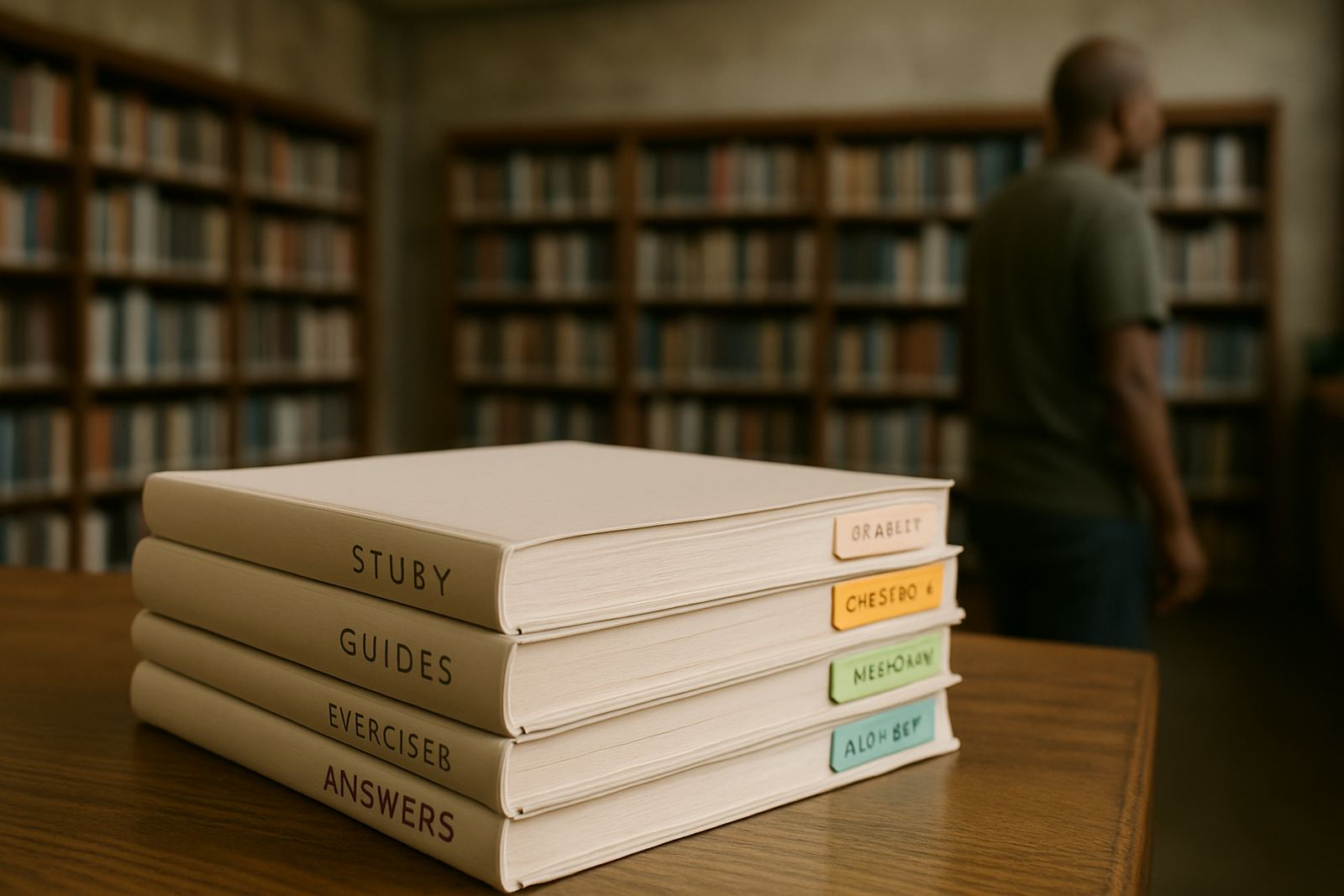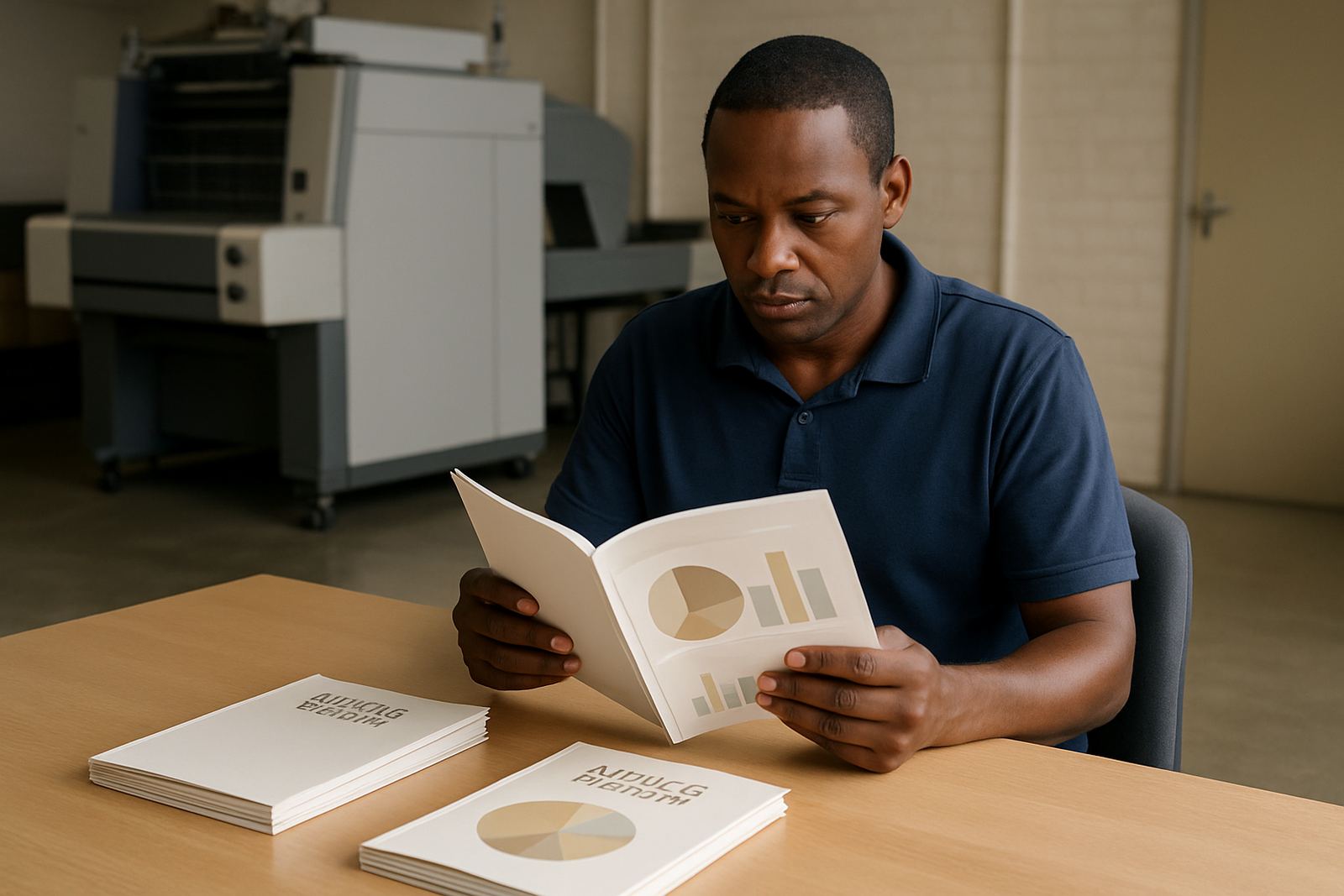

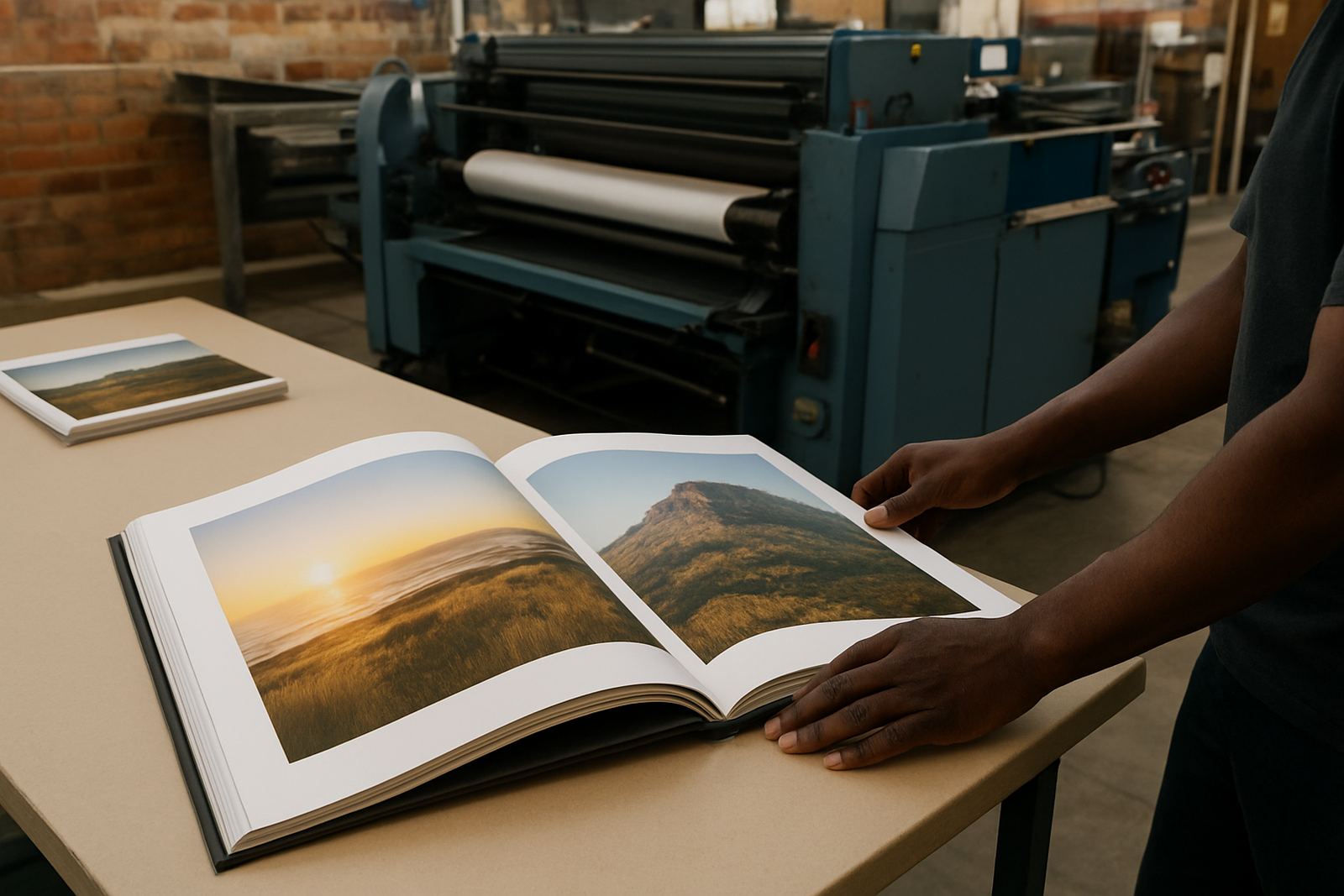
Photo books made for image led projects
A photo book is a bound printed publication built around pictures first, with captions, text blocks and cover options shaped to suit the job. It works well when you need more than loose prints or a simple presentation file, because the pages open flat enough for spreads, the colour is controlled through proofing and the final book feels proper in the hand.
We print photo books for portfolios, commemorations, exhibitions, product ranges, school events, company milestones and branded campaigns. The usual request is for strong colour, clear detail in faces and backgrounds, and a binding method that holds up after repeated paging through. For many clients the difference is in the finish, not just the pictures.
- Portfolio books for photographers, artists and creatives
- Memorial and celebration books for families and institutions
- Exhibition handouts and gallery sales copies
- Brand stories, annual highlights and client gifts
Sizes, page counts and binding choices
Photo books can be produced in a range of trimmed sizes, from compact A5 pieces to larger A4 and custom formats. A common choice is portrait or square trim, since both suit image led layouts and keep the page flow tidy. Depending on the page count and paper weight, we will recommend the binding method that gives the best layflat performance and spine strength.
For lighter books, saddle stitching can work well if the page count is modest and the cover stock is managed carefully. For thicker books, perfect binding gives a neat spine and a more formal look, while case binding is better for keepsake projects that must last. Section sewing is available when the book needs stronger holding and better page opening, and yes, that matters when the spread is busy with full bleed images.
- Trim sizes: A5, A4, square and custom sizes
- Page counts: typically 16 to 256 pages, depending on stock and binding
- Binding options: saddle stitch, perfect binding, case binding and section sewing
- Cover finishes: gloss, matt or laminated covers, with optional foil finishing
Print quality, colour control and finishing options
Image heavy books need careful prepress checks, clean colour proofing and press settings that respect skin tones, shadows and fine detail. We use offset printing for stable quality on medium to larger runs, and flexo printing where the job and stock call for it. Before a run starts, files are checked for resolution, bleed, crop marks and page order so the finished book comes out as expected.
Finishing is where the publication gets its final character. Lamination helps protect covers from scuffing and handling marks, which is useful for books that pass through many hands at launches or conferences. Foil finishing can lift a title or logo, and die cutting can be used for shaped covers or special reveal elements. The aim is not decoration for its own sake, just a neat result that supports the pictures.
- Prepress checks for bleed, margins, image resolution and page sequence
- Colour proofing to help control tone before the full run
- Cover lamination for handling, dust and moisture resistance
- Foil finishing and die cutting for special presentation books
Where photo books suit best in practice
Photo books are useful wherever images need to stay together in a considered order. They are common for photographers building portfolios, organisations documenting projects, schools recording events and companies presenting a year in review. In Johannesburg and other busy centres, they are also handy for launch packs and sales meetings where a printed piece still carries weight.
For exhibitions, a photo book can sit on a table beside framed work or be sold at the exit as a memento. For commemorations, it gives families or institutions a lasting record of people, places and moments. For branded storytelling, it can carry product shots, site images and staff profiles in a format that is easier to keep than a long brochure. Some clients even order a short run first, then come back for a bigger quantity once the layout is signed off.
- Photographers and design studios needing portfolio books
- Publishers, schools and corporates with event or milestone records
- Exhibition organisers and gallery teams
- Local campaigns, product ranges and commemorative gifts
Delivery, handling and site planning
There is no on site installation needed for the finished book itself, but it helps to plan the receiving point, storage space and dispatch route if the books are going to multiple branches or event venues. We pack and dispatch from Industria, Johannesburg, with delivery to publishers nationwide, including Sandton, Randburg, Roodepoort, Midrand, Pretoria and the East Rand. For larger orders, it is worth checking lift access, loading bay timing and whether the venue has limited receiving hours.
Photo books are paper based, so they should be kept dry, flat and away from direct sunlight where possible. That matters more in humid coastal conditions and in rooms with poor air flow. If the books are going straight to a launch or exhibition, ask for carton counts that match your venue schedule, it saves time at the back end.
- No fixed power or gas connection is needed by the client for the finished books
- Keep cartons off damp floors and away from leaks or open windows
- Check venue receiving times for launches, conferences and exhibitions
- Ask for dispatch split by branch, event or recipient list if needed
Care, storage and re orders
A well made photo book can stay in use for a long time if it is handled sensibly. Avoid bending the spine flat against the table, do not store heavy items on top of the books, and keep them in cartons until needed. Lamination helps with surface wear, but it does not replace careful storage. If a book is used often in a public setting, we can advise on a stronger cover and a binding style that will take the handling better.
For re orders, keep the final approved files and confirm whether the old run used the same paper, cover finish and trim size. That saves confusion later on and keeps the next batch consistent. If the book is part of an ongoing series, it helps to lock the page count early, because changes in page numbers can affect the spine and the imposition. Small changes are fine, but planning saves money.
- Store flat in dry cartons until issue or sale
- Keep away from direct sun, heat and damp walls
- Use stronger binding for public facing copies
- Keep the approved files, trim size and paper spec for re orders
Key details to finalise before booking your annual report
Before ordering, confirm the page count, finished size, binding method and cover treatment. It is also worth checking whether the photos are supplied in the right colour space and resolution, because low quality images will show up fast in print. If you are using bleeds, make sure the artwork extends beyond the trim line and that no important text sits too close to the edge.
You should also confirm how many copies are needed, where they are going, and whether you need staggered dispatch for different towns or branches. If the book includes a spine title or numbered edition, check the final page count first. One missing page can change the spine width more than people expect, and that can upset the whole cover layout.
- Finished size and orientation
- Exact page count, including cover pages if needed
- Binding type and cover finish
- Image resolution, bleed and file order
- Quantity, delivery points and required dates
Key facts
| Print methods | Offset printing and flexo printing, depending on run size and stock |
|---|---|
| Binding | Saddle stitch, perfect binding, case binding or section sewing |
| Sizes | A5, A4, square and custom trimmed formats |
| Finishes | Gloss or matt lamination, foil finishing and die cutting |
| Typical use | Portfolios, commemorations, exhibitions and branded storytelling |
| Delivery | Packing and dispatch from Industria, Johannesburg, with nationwide delivery |