
News magazine printing that suits fast moving content
News magazines need a steady hand on deadlines and a clean finish that reads well in the hand. We print regular issue publications for current affairs titles, trade updates, in-house communications and member magazines where the content changes every cycle but the standard must stay consistent. Our production team checks every job from prepress through to dispatch, which matters when issue dates are fixed and there is no room for guesswork.
For this kind of publication, the best result usually comes from clear page planning, tight colour control and a binding method that suits the page count. Some issues are built for quick turnaround and lighter postage, while others need a more premium feel for sponsors, advertisers or annual review copies. We print in Johannesburg and deliver nationwide, including publishers in Sandton, Midrand, Randburg, Roodepoort, Pretoria and the East Rand. If your magazine goes out to members across provinces, we can pack according to your mailing list and keep the cartons labelled for easier receiving at your end.
Formats, sizes and paper choices for regular issues
News magazines are usually set up in standard trims so they are economical to print and easy to post or distribute. Common sizes include A4, A5 and custom trims close to those formats, depending on how much editorial space you need and how the publication will be handled. A4 is useful for corporate and association magazines with adverts and charts. A5 works well for compact member news, internal updates and titles that are posted in higher quantities.
Paper choice affects both the look and the cost per copy. Inner pages are often printed on lighter coated or uncoated stock, while covers may use a heavier sheet with lamination or foil if the issue needs a stronger shelf presence. Page counts can be adjusted in 4 page or 8 page sections, and for books that run longer we can advise on section sewing or perfect binding where needed. If your title is printed every month, it helps to keep the format consistent so production stays simpler and the binding line can be planned well ahead. A small typo in one issue is bad enough, but paper and trim errors can cause bigger delays, so we check those closely.
Offset and flexo options for the run you need
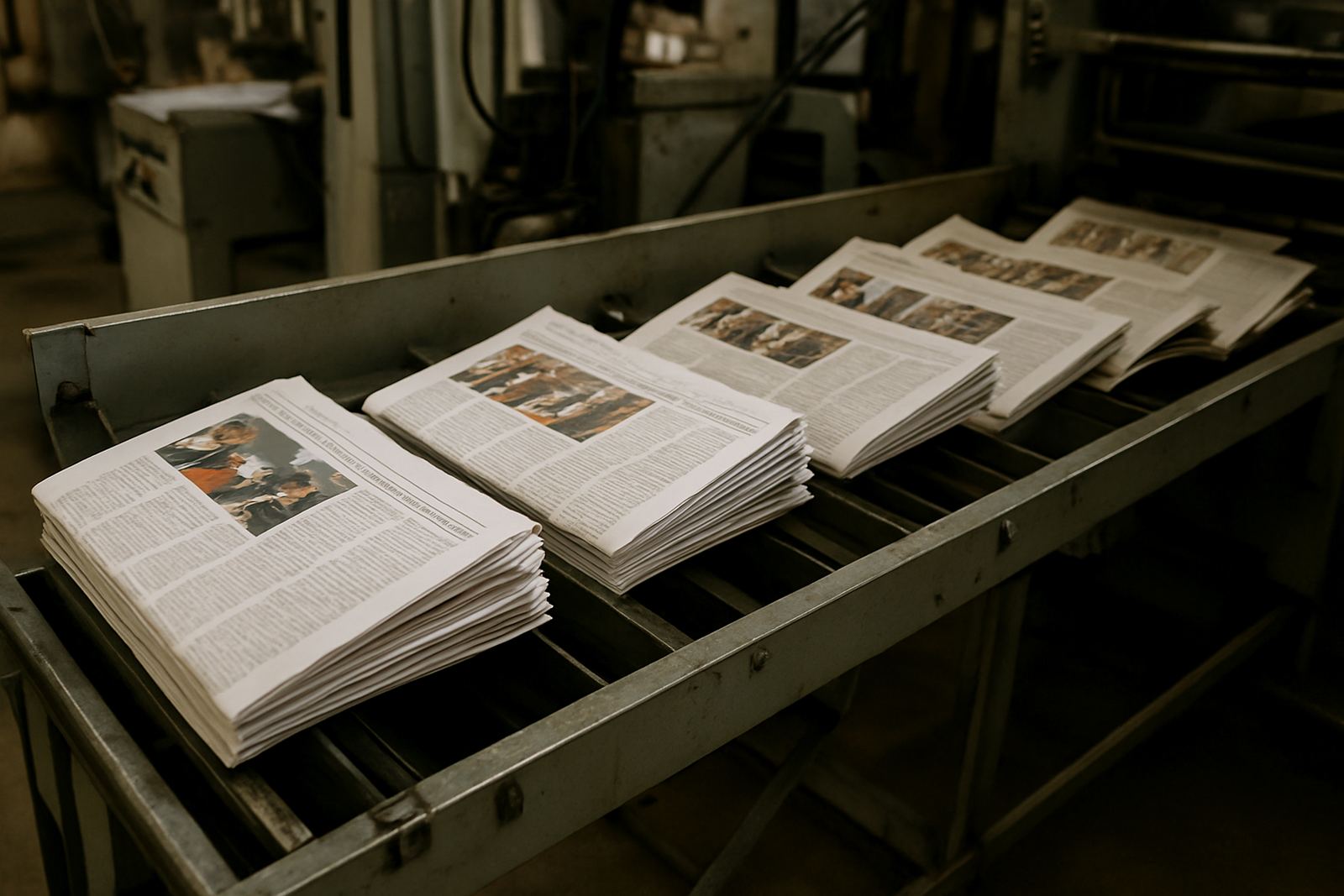
We use offset printing for magazine runs that need strong image quality, stable colour and cost control over medium to longer quantities. It is a solid choice for news magazines with photographs, adverts, charts and editorial spreads. Flexo printing is available for specific applications where the job calls for particular substrates or packaging-style finishing needs, and our team will advise where it makes practical sense.
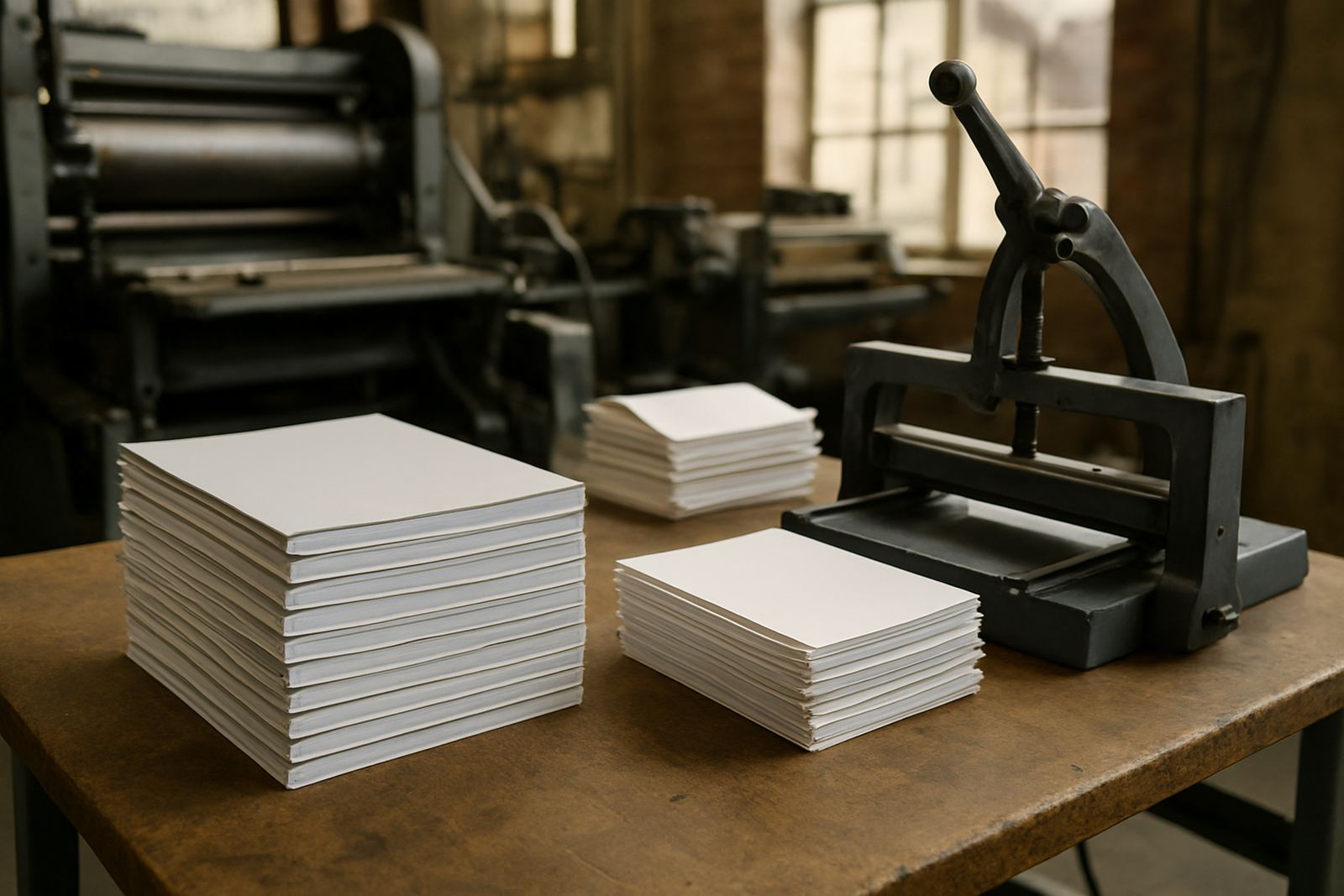
For printed publications, the real advantage is matching the method to the run rather than forcing every title into the same process. Smaller special issues may need a quicker setup and more careful stock selection, while steady monthly titles often benefit from repeatable specifications that keep each edition close to the last. Our prepress checks include file review, bleed control, image resolution and page sequence, so the final bound copy comes together properly. That means fewer surprises on press and fewer delays before packing.
- Offset printing for stable colour and tidy text reproduction
- Flexo printing for selected jobs and production needs
- Prepress checks before plate making and print approval
- Colour proofing for cover and advert sign-off
Binding and finishing that suit circulation magazines
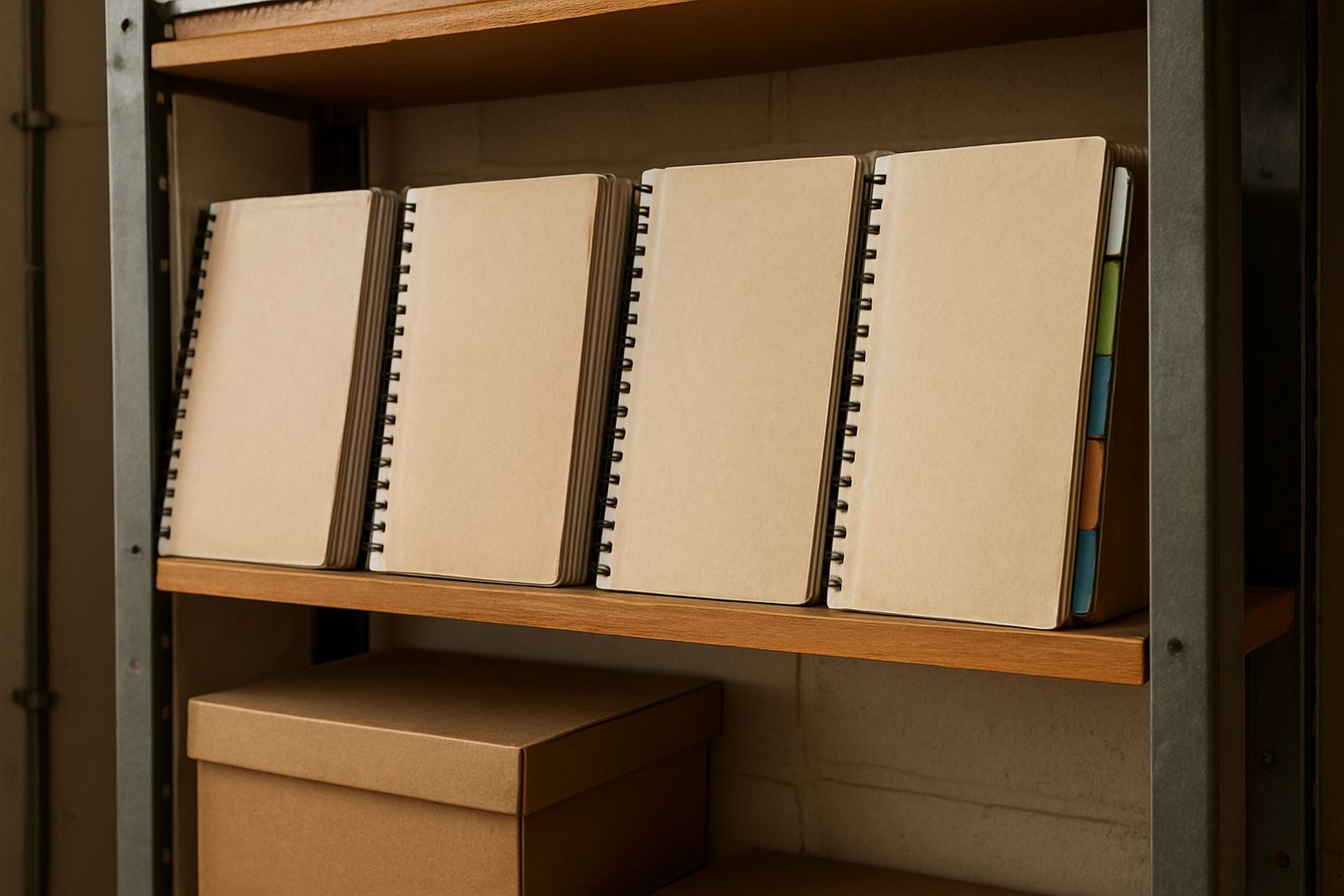
The right binding depends on the length of the magazine, how often it will be handled and the finish you want. Saddle stitching is a practical choice for slimmer issues and keeps the publication neat for post and handout use. Perfect binding suits thicker magazines and premium titles that need a book-like spine. Case binding is available for special publications, annual reviews and archive copies where a harder cover gives better protection. Section sewing is useful where strength matters and the publication must hold up over repeated use.
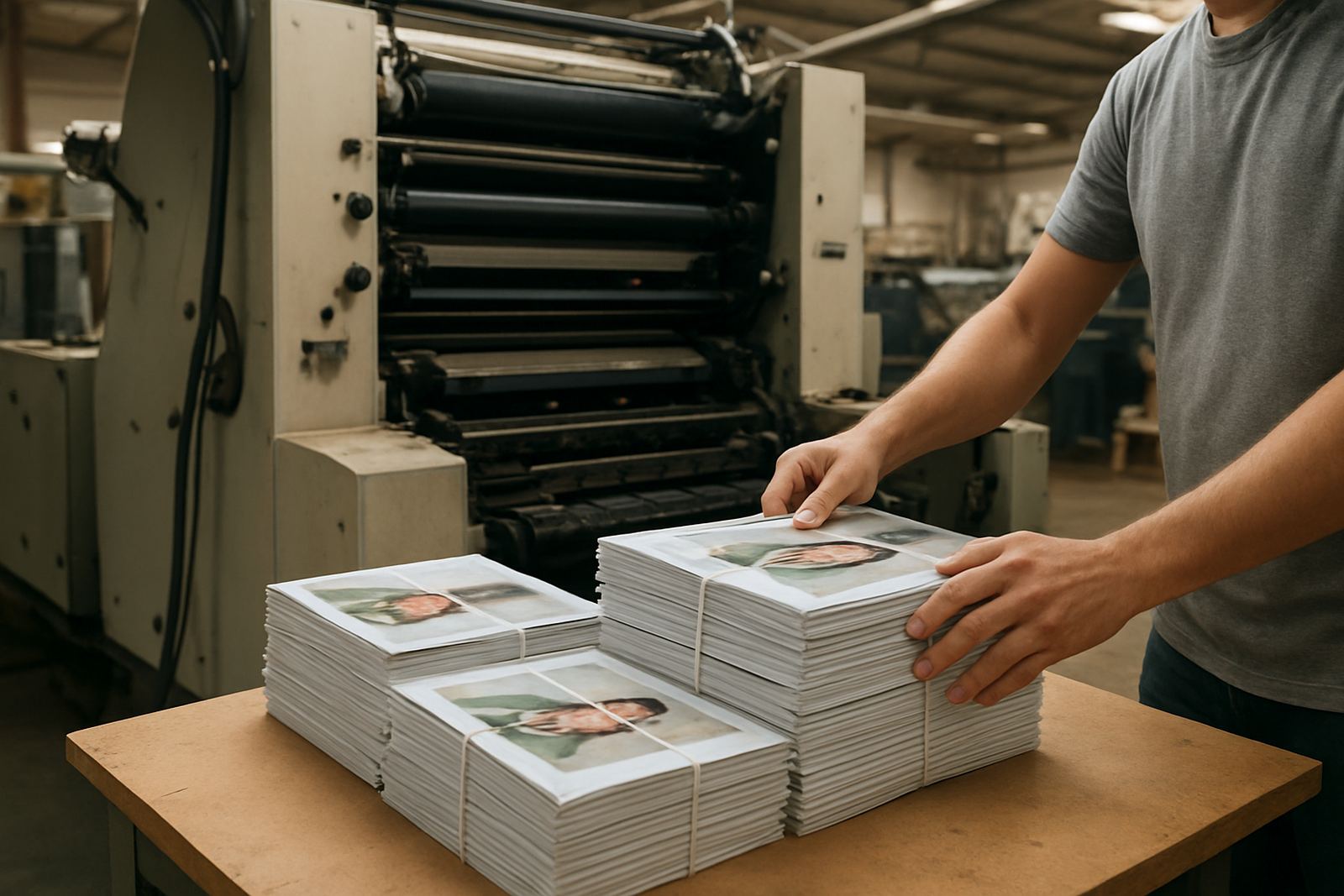
Finishing options can improve both appearance and handling. Cover lamination helps against scuffing during sorting and distribution, especially in coastal humidity where printed stock can pick up moisture if it is stored poorly. Foil finishing can be used sparingly on mastheads or cover text when a publication needs a more distinctive presentation. Die cutting is available for custom cover windows or shaped sections, and our packing and dispatch team can bundle by route, branch or mailing list. That saves time when the magazines land at head office and then move on to regional distribution.
What to check before you place a print order
Most delays on magazine work come from missing information rather than press problems. Before ordering, check your trim size, page count, final artwork version, binding choice and quantity per destination. If the issue includes adverts, make sure each advertiser has signed off the correct pages and that all images are supplied at print quality. For recurring magazines, keep one clear master spec sheet so the cover stock, inner paper, finish and barcode position stay the same from issue to issue.
- Final page count and whether the publication is self cover or has a separate cover
- Trim size in millimetres, not just A4 or A5 if the job is custom
- Paper type and weight for cover and inside pages
- Binding method and any special finishing such as lamination or foil
- Delivery addresses, quantities per site and whether cartons need labels
- Date needed for sign-off, print and delivery
It also helps to confirm whether the magazine will be read in offices, in the field or at home. A field publication may need a tougher cover, while a trade update might focus more on cost and speed. If your team works across Johannesburg Central, Pretoria or the East Rand, we can plan dispatch to suit those receiving points so the copies do not arrive all at once in a single load.
Care, storage and issue-to-issue servicing
Printed magazines store best in a dry room away from direct sun and floor moisture. Keep cartons off the ground on pallets where possible, and avoid stacking too high in warm storage areas. If magazines are being held before release, make sure the room is ventilated and that packing stays sealed until distribution. This is especially important in summer and during damp weather along the coast, even if the main print run came out clean.
For regular issues, good servicing is less about repairs and more about consistency. We can keep records of your preferred sizes, binding specs and print settings so the next issue starts from a known point. That helps when the magazine has to be repeated every month or quarter and there is no time to re-brief the whole job. Our logistics planner also checks delivery routing for larger national orders, which is useful when copies need to reach publishers, member offices or event venues on the same day.
We are based in Industria, Johannesburg, with production led by Oupa Hlungwani and support from Busisiwe Motaung, Johan van der Merwe, Siyanda Ramaboa, Farieda Adams, Siphamandla Ngwenya and Leanne Naidoo. Clients get in touch through the enquiry form on our contact page, then we confirm the job details, timing and delivery points before production starts. For publishers, associations and companies that need news magazines done properly, that process keeps things orderly from quote to final carton.
Key facts
| Product type | Regular issue news magazines for publishers, businesses and associations |
|---|---|
| Print methods | Offset printing and flexo printing |
| Common sizes | A4, A5 and custom trims |
| Binding options | Saddle stitching, perfect binding, case binding, section sewing |
| Finishing options | Colour proofing, lamination, foil finishing, die cutting |
| Service area | Industria, Johannesburg and nationwide delivery to publishers |