
Trade novel printing for books people actually read
Printed novels are built for repeated handling, easy opening and a neat finish that suits fiction, literary work, school reading lists and publisher catalogues. We print from Industria, Johannesburg and deliver nationwide, so publishers in Cape Town, Durban, Gqeberha, Bloemfontein, Polokwane and smaller towns can order without having to move stock themselves. That helps when a launch date is fixed, or when a title must arrive in different centres at the same time.
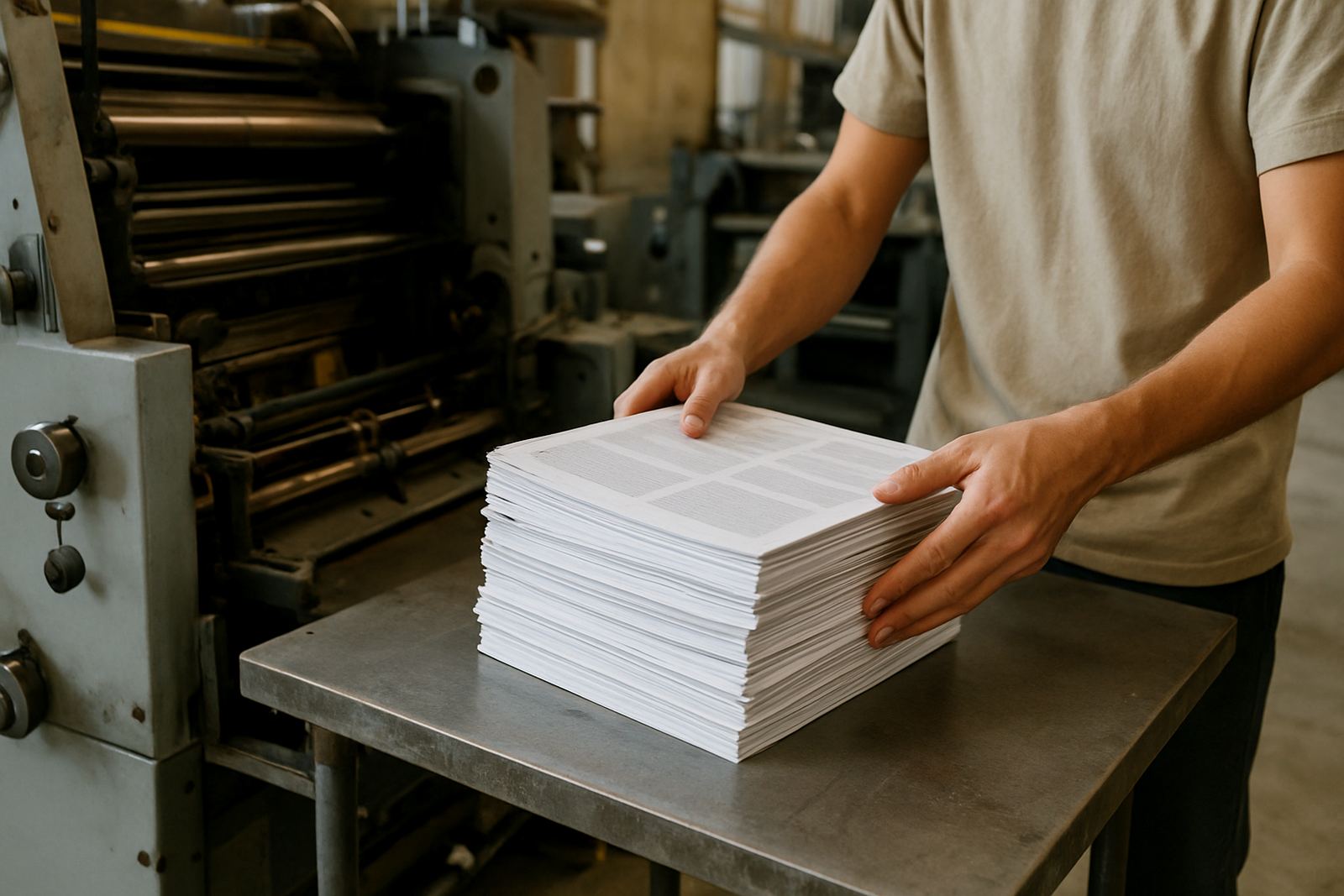
For most novels, the key is consistency. Black text must stay crisp from the first signature to the last, and the cover has to sit square after binding. Our prepress checks help with spine width, page count and image placement before the plates or flexo setup is approved, which cuts down on reprints and wasted paper.
Sizes, binding choices and finish options
Novels can be produced in a few common sizes, depending on reading comfort, cost per copy and how the book will sit on a shelf. Most publishers choose formats that keep the page count sensible and avoid a spine that feels too stiff in the hand. We can work with standard trade sizes or a custom trim when a series needs to match an existing range.
- Common trim sizes: 130 x 198 mm, 148 x 210 mm, 152 x 229 mm and similar trade formats
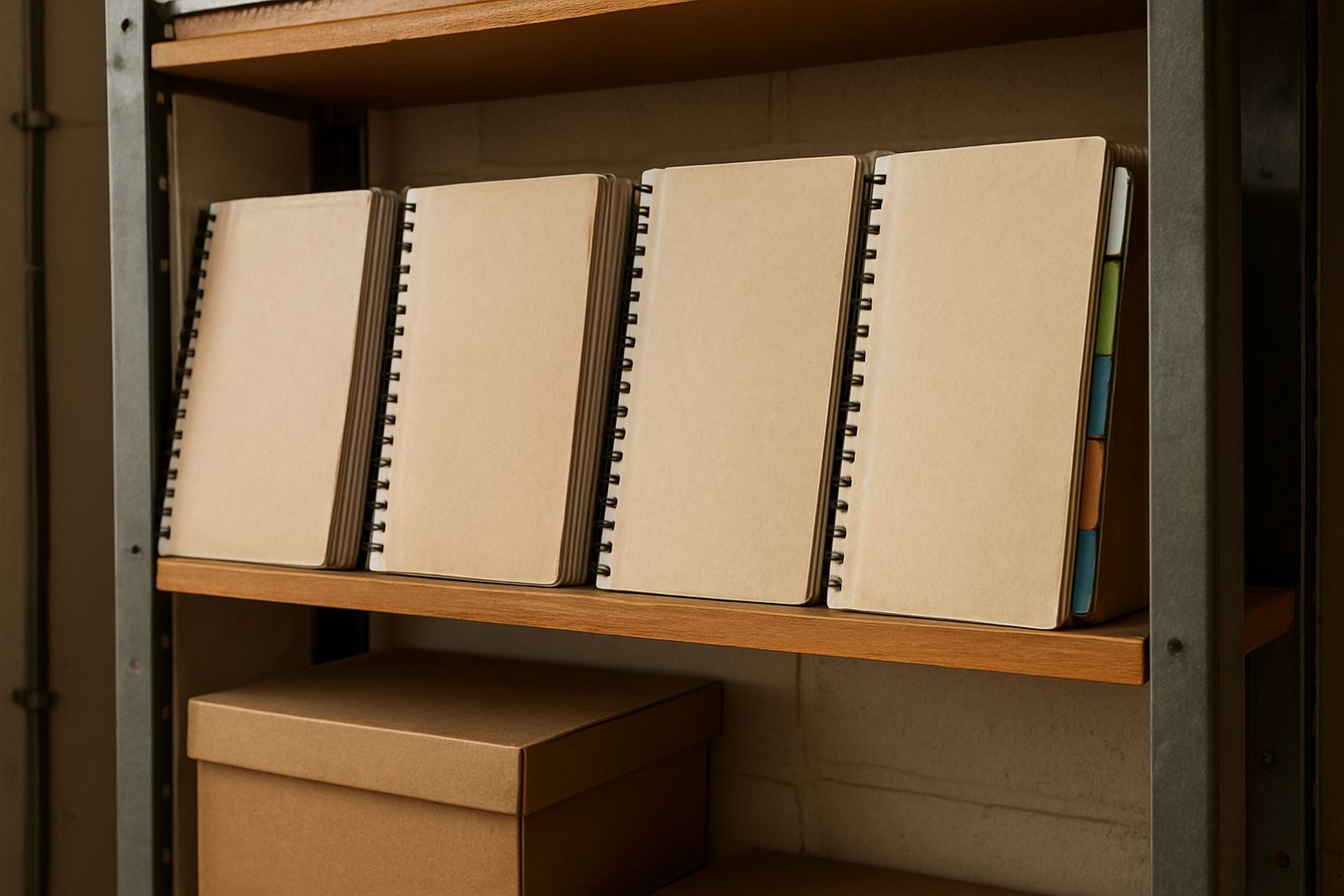
- Binding options: perfect binding for most novels, section sewing for stronger lay-flat performance, case binding for premium hardcovers
- Cover options: matte or gloss lamination, foil finishing, die-cut covers and heavier board for hardcovers
- Interior stock: cream or white text paper, chosen by reading comfort and page count
- Book blocks: single or multiple sections depending on page count and binding method
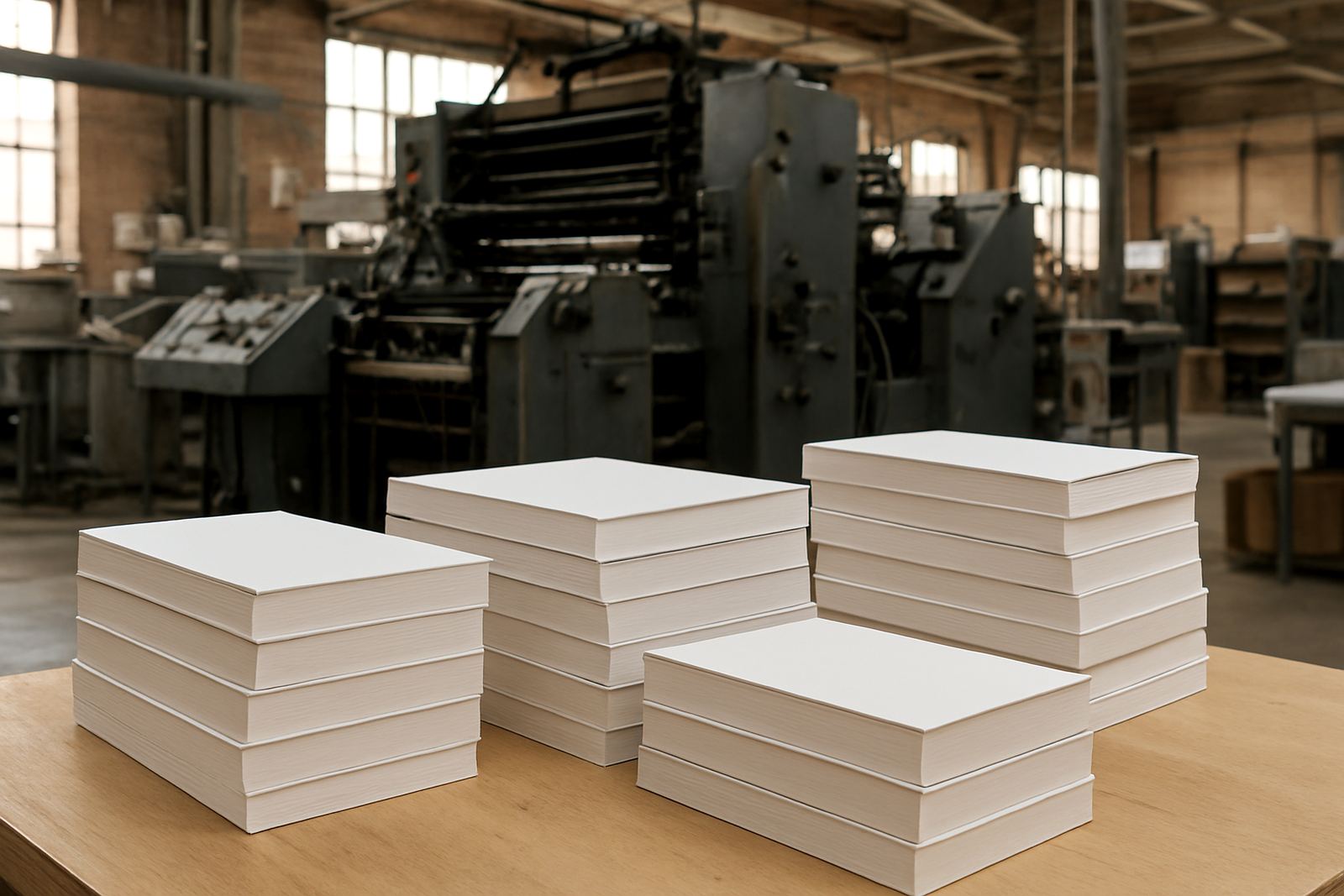
Perfect binding suits most trade fiction runs. Section sewing is better where the book must open more easily and withstand longer use. Case binding is useful for collector editions, library titles and gift books, though it adds cost and weight.
Where printed novels suit best
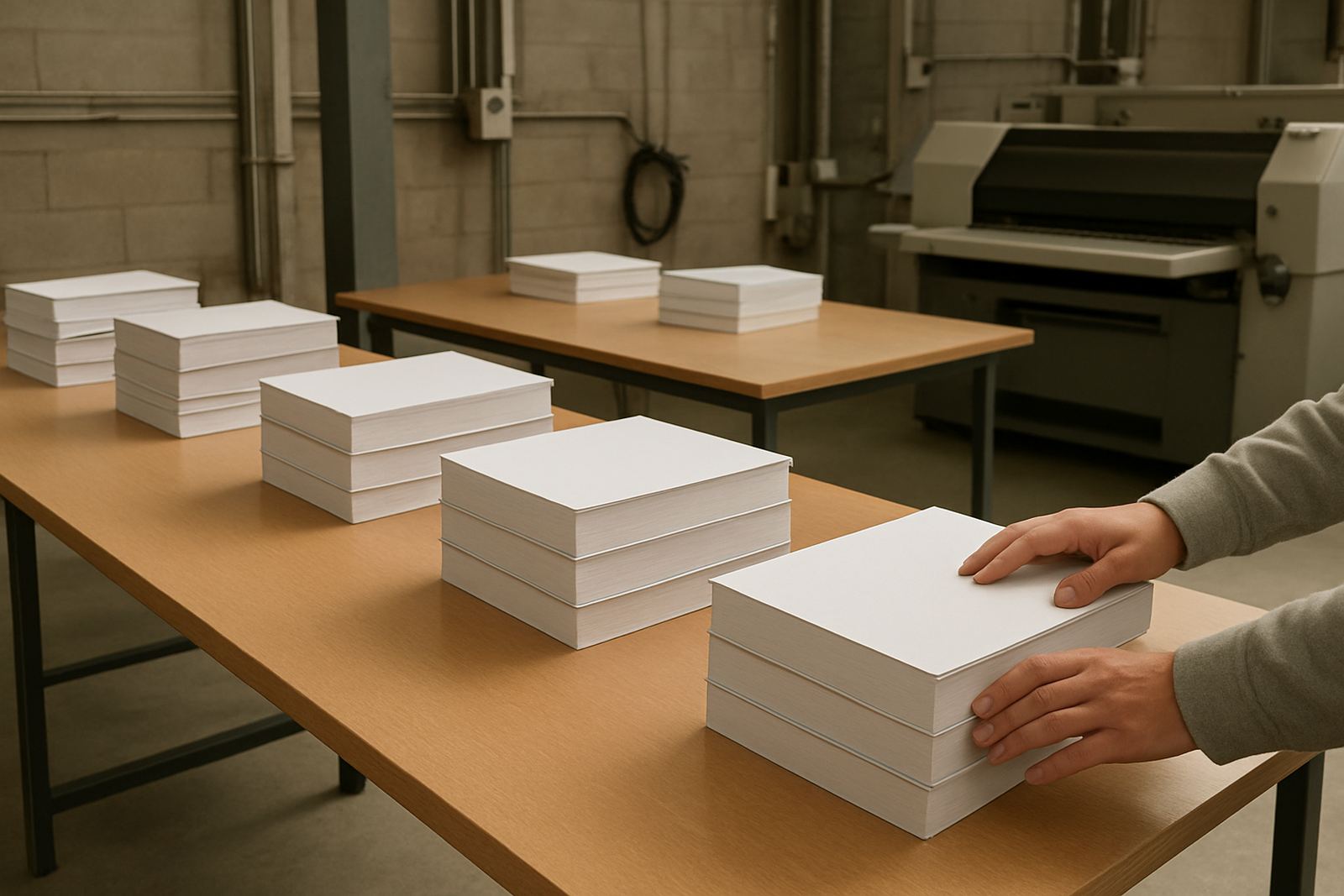
Printed novels are used in retail, direct-to-reader sales, publishing houses, author launches and educational or reading programme distribution. In Johannesburg and Pretoria, they often move through bookshops, warehouses and event tables. Along the coast, publishers often ask for tighter packing because humidity can affect stacked stock during transport and storage. We pack for dispatch with that in mind, so the books arrive clean and square.
This product also suits businesses that publish internal stories, branded fiction anthologies, staff reading projects or client giveaways. If the title is going into a subscription box or being shipped with other goods, we can finish it so the cover is durable and the spine stays neat after handling. For heavier distribution schedules, packing and dispatch are planned to reduce corner damage and transit marks.
Details to confirm before booking your newspaper print run
A strong novel order starts with a proper print-ready file and a clear decision on binding, finish and quantity. If the spine width is wrong or the margins are too tight, the book may look fine on screen but not in hand. Our team checks the file before production, but it helps when the order information is complete from the start.
- Page count and whether the manuscript uses odd or even sections
- Final trim size and whether the cover wrap includes spine and bleed
- Paper choice for the inside pages, especially for long novels
- Binding style and whether the book must open flat
- Quantity per delivery point, if stock goes to more than one city
- Proofing needs, including colour proofing for covers with photos or artwork
For authors, the main issue is often the balance between budget and appearance. For publishers, it is usually consistency across reprints. We help with both, and keep an eye on the small things that affect the finished copy, like margins, page creep and cover lamination alignment.
Production, power and site requirements
Printed novels are produced in a print room, bindery and dispatch area rather than on site at your premises, so there is no installation work needed from the client side. What does matter is how the project is prepared for print. Files must be supplied in the correct format, and if a physical proof is required it should be signed off before the run begins. That keeps the job moving and reduces the risk of corrections after plates are made.
For our own production, printing and binding equipment needs stable electrical supply, which is why production planning matters during load-shedding periods. Large print runs are scheduled around available power and machine time, and finishing work is sequenced so orders keep moving. No gas supply is required for a standard novel print job. If a project uses special finishing or large volume dispatch, we plan the workflow so the bindery and packing team can keep pace with the pressroom.
Care, servicing and long-run storage
Novels are expected to travel, sit on shelves and pass through many hands. A good binding finish will help, but storage still matters. Keep boxed stock off damp floors, away from direct sun and in a room with reasonable airflow. On the Highveld, dust and dry air can be a factor in storage. Near the coast, moisture is the bigger issue, so cartons should stay sealed until dispatch if possible.
- Store cartons flat and do not stack too high, especially on soft flooring
- Avoid leaving books against hot walls, windows or wet loading bays
- Keep shrink-wrapped or boxed stock closed until needed
- Check outer cartons on arrival for corner crush or moisture marks
- If the title will be reprinted, keep one approved sample for reference
We also recommend periodic review for repeat titles. Paper availability, cover stock and binding setup can shift over time, so a small change in page count or finish can affect the spine and trim. A quick prepress check on repeat orders saves a lot of trouble later.
Key facts
| Typical trim sizes | 130 x 198 mm, 148 x 210 mm, 152 x 229 mm |
|---|---|
| Binding options | Perfect binding, section sewing, case binding |
| Interior paper | Cream or white text stock, selected to suit page count |
| Cover finish | Matte or gloss lamination, foil finishing, die cutting |
| Print methods | Offset printing and flexo printing |
| Delivery area | Johannesburg, Pretoria, East Rand and nationwide |