
What perfect binding gives your publication
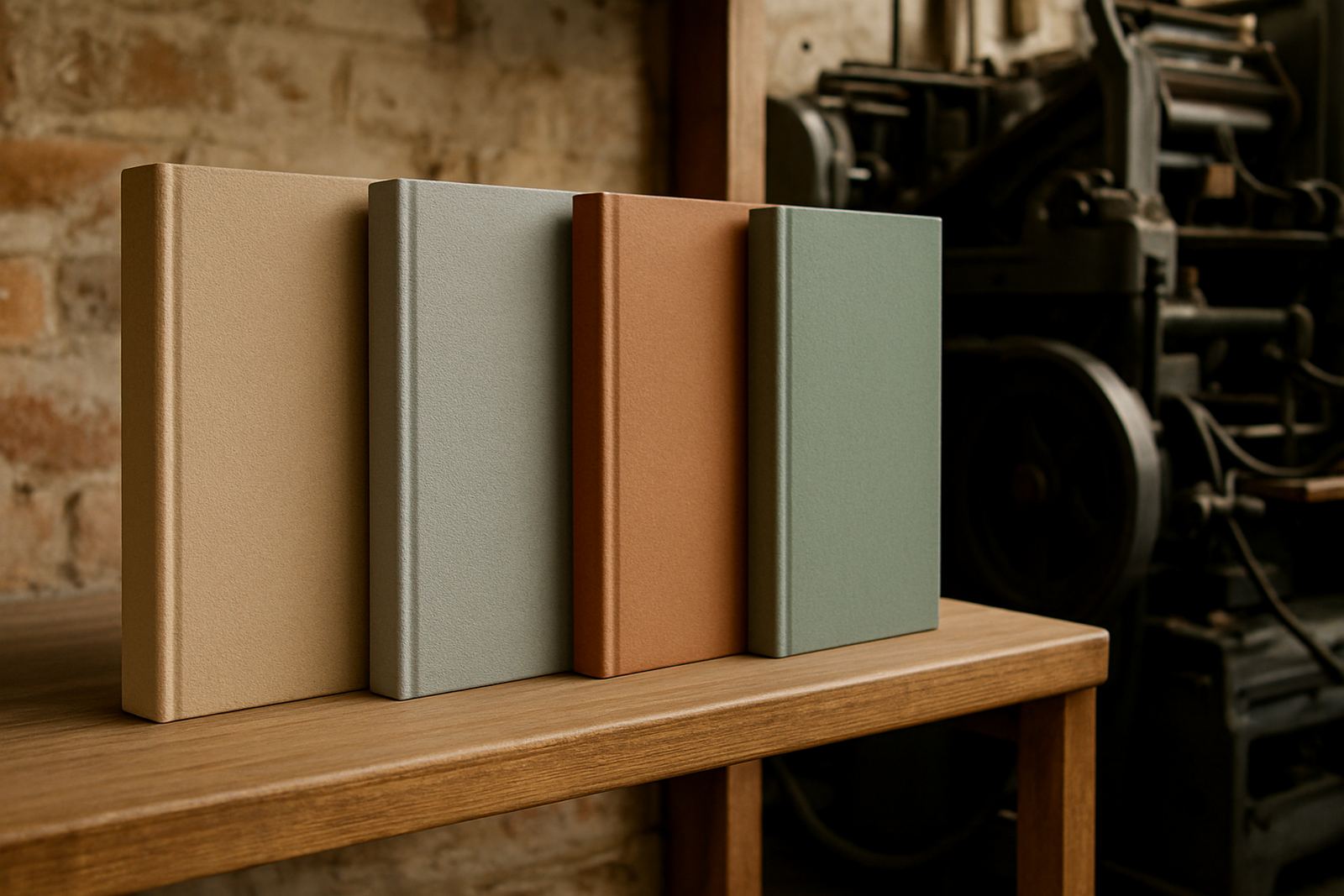
Perfect binding uses a strong adhesive spine to hold the pages together, with the cover wrapped around the book block and trimmed to a square finish. It gives magazines a more substantial look than saddle stitching, especially when page counts move past the slimmer booklet range. The result is tidy on the shelf, easy to stack and better suited to publications that stay in circulation for months.
For publishers and businesses, this finish is often chosen when the content needs a more formal presentation. It suits annual product guides, membership journals, training manuals and image-led magazines where the cover is part of the first impression. The spine can also carry a title, volume number or issue date when the page count allows it.
Sizes, page counts and binding options
Perfect bound magazines can be produced in a wide range of sizes, from compact A5 issues to standard A4 and custom trims. Common finished sizes include 148 x 210 mm, 210 x 297 mm and bespoke formats for catalogues or branded publications. The page count usually starts around 48 pages and can run much thicker, depending on paper stock and spine depth.
Paper choice makes a noticeable difference. Inside pages are often printed on 70 to 115 gsm coated or uncoated stock, while covers are generally 200 to 350 gsm with optional lamination. A heavier cover helps with handling, especially if the publication is posted, couriered or kept in reception areas for long periods.
- Trim size: A5, A4 or custom format
- Inside pages: 48 to 400 plus pages, depending on spine width
- Cover: 200 to 350 gsm with gloss, matt or soft-touch lamination
- Spine: square spine for titling and better shelf presentation
Where perfect bound magazines work best
This binding method is a strong fit for catalogues, journals, premium magazines, school publications, corporate reports and membership editions. It is also useful for launch issues that need to look polished from the first copy, whether they are handed out at conferences, mailed to clients or delivered to stores across South Africa.
Because the spine is firm, perfect bound magazines are better for content that people keep rather than flick through quickly. They hold up well in offices, showrooms and libraries, and they suit content that has a mix of editorial pages, adverts, product spreads and reference material. In humid coastal areas a sealed laminated cover can help reduce scuffing and moisture pickup.
- Ideal for catalogues with many pages
- Suitable for journals and premium editorial titles
- Good for corporate reports and internal publications
- Useful for retail, education and trade distribution
Production setup, power needs and finishing details
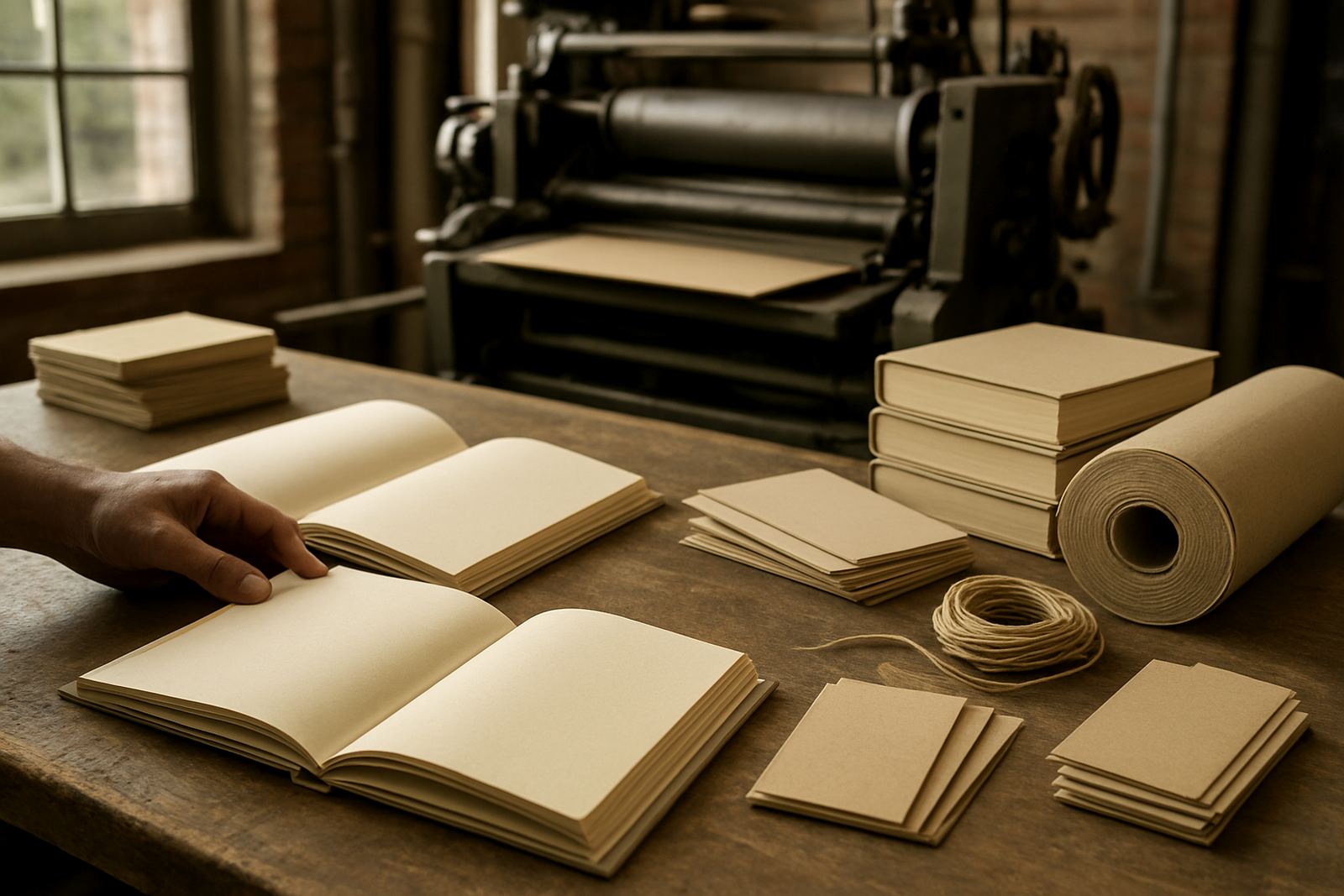
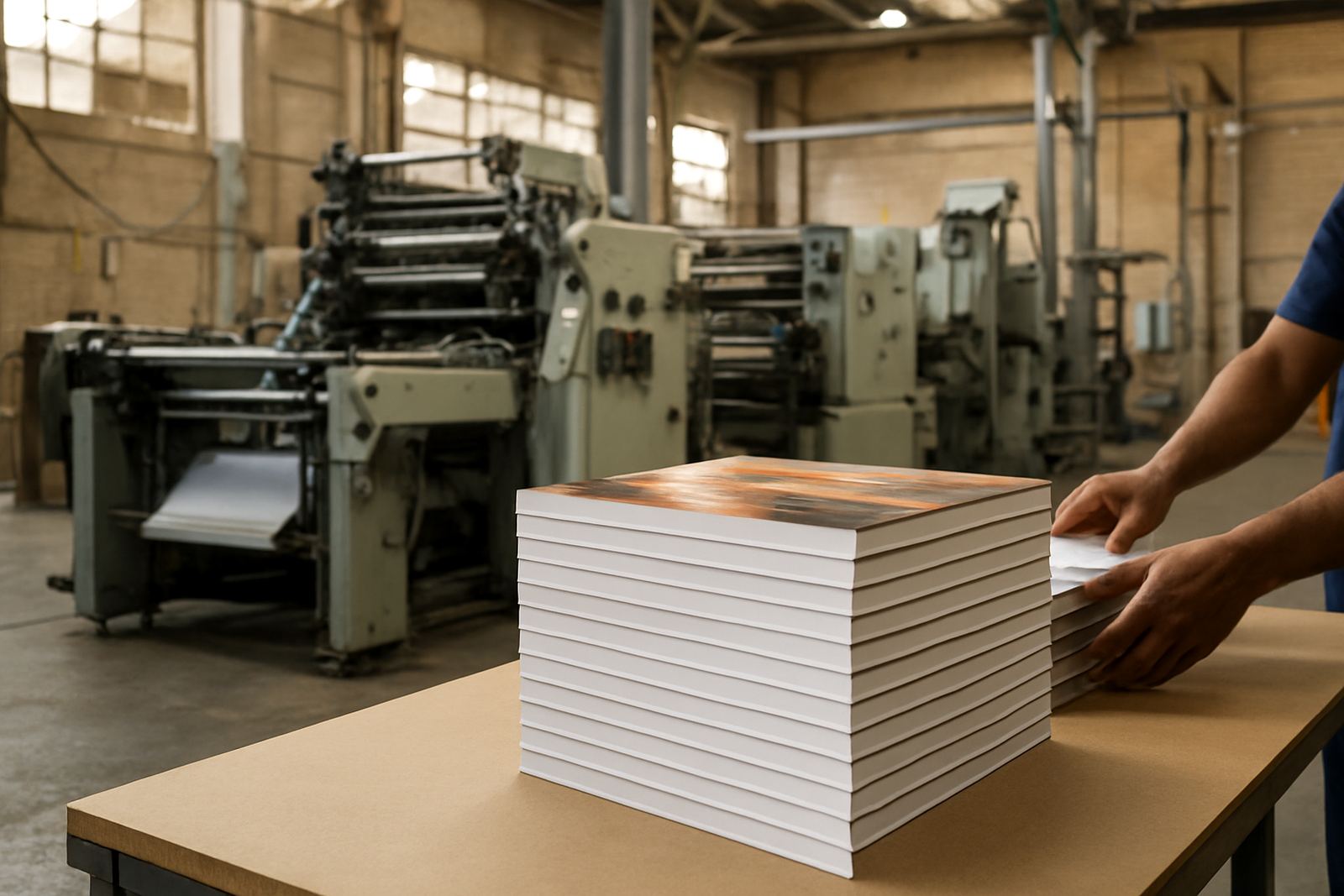
Perfect binding is a print and finishing process carried out at the production facility, not something fitted on site at your office. The job normally needs prepress, printing, drying time, trimming, spine preparation and final binding. For that reason, planning is important when you have a launch date, a conference or a postal deadline.
There are no gas requirements for the publication itself. In a bindery environment, the equipment typically runs on standard industrial electricity, often with 3-phase supply for larger machines and cutters. If you are ordering a run with special finishing such as foil, die-cutting or section sewing, allow extra time for setup and curing. The cover may also need lamination before binding, which adds durability and improves the feel in the hand.
At our Industria, Johannesburg base, this is the kind of work that needs careful scheduling because paper delivery, press time and dispatch all need to line up. Load-shedding and courier cut-offs can affect production windows, so it pays to confirm your delivery area early, whether you are sending copies to Sandton, Midrand, Pretoria or further afield.
Key details to finalise before booking your annual report
Before you approve a perfect bound magazine, check the page count, final trim size, paper stock and cover finish. The spine width must match the page block exactly, so your layout team or printer should confirm the final total pages before artwork is released. If the page count changes after design, the spine text and cover layout may need to be adjusted.
It also helps to confirm whether the publication will be read indoors only or handled on the move. Couriered magazines and copies used in retail need a tougher cover, while publications that sit in offices can sometimes use a lighter finish. If you are mailing nationwide, think about carton packing, palletising and whether inserts or reply cards need to be added before dispatch.
- Final page count confirmed before cover artwork is signed off
- Trim size and spine width checked against the layout
- Paper weight selected for the required bulk and feel
- Cover finish chosen for handling, glare and moisture resistance
Care, storage and ongoing servicing
Once printed, perfect bound magazines should be stored flat in a dry area away from direct sun and damp floors. In Johannesburg winters the air is usually kinder to paper, but coastal humidity can affect long term storage if cartons are left open. Keep copies in sealed cartons until distribution and avoid stacking heavy loads on the spine edge for long periods.
If the publication is part of a regular series, build in a repeat production check each issue. That means reviewing colour consistency, trim accuracy, glue performance and any changes to paper supply. For ongoing runs, a small shift in stock or artwork can affect the finish, so the prepress check is worth doing every time. A clean trim and solid adhesive spine help the magazine keep its shape after multiple reads and courier trips.
Nationwide delivery from Industria, Johannesburg
Printing House works with publishers, authors and businesses across South Africa from our Industria base in Johannesburg. We deliver to Johannesburg Central, Sandton, Randburg, Roodepoort, Midrand, Pretoria and the East Rand, as well as publishers in other provinces who need dependable print supply and packing. Every order is handled with the same focus on colour accuracy, binding quality and dispatch timing.
If you need a short run for a launch or a larger distribution batch for a magazine series, the enquiry form on our contact page is the place to start. Our team manages prepress checks, colour proofing, binding and packing so the finished magazines arrive ready for handover or onward delivery. Oupa Hlungwani oversees the business, with support from Busisiwe Motaung, Johan van der Merwe, Siyanda Ramaboa, Farieda Adams, Siphamandla Ngwenya and Leanne Naidoo.
Key facts
| Binding type | Perfect binding with square spine |
|---|---|
| Typical sizes | A5, A4 and custom trims |
| Page count | From about 48 pages upward, depending on spine depth |
| Cover options | Matt, gloss or soft-touch lamination |
| Paper stocks | 70 to 115 gsm inside pages, 200 to 350 gsm covers |
| Delivery area | Nationwide from Industria, Johannesburg |