

Study Guides Built for Repeated Use
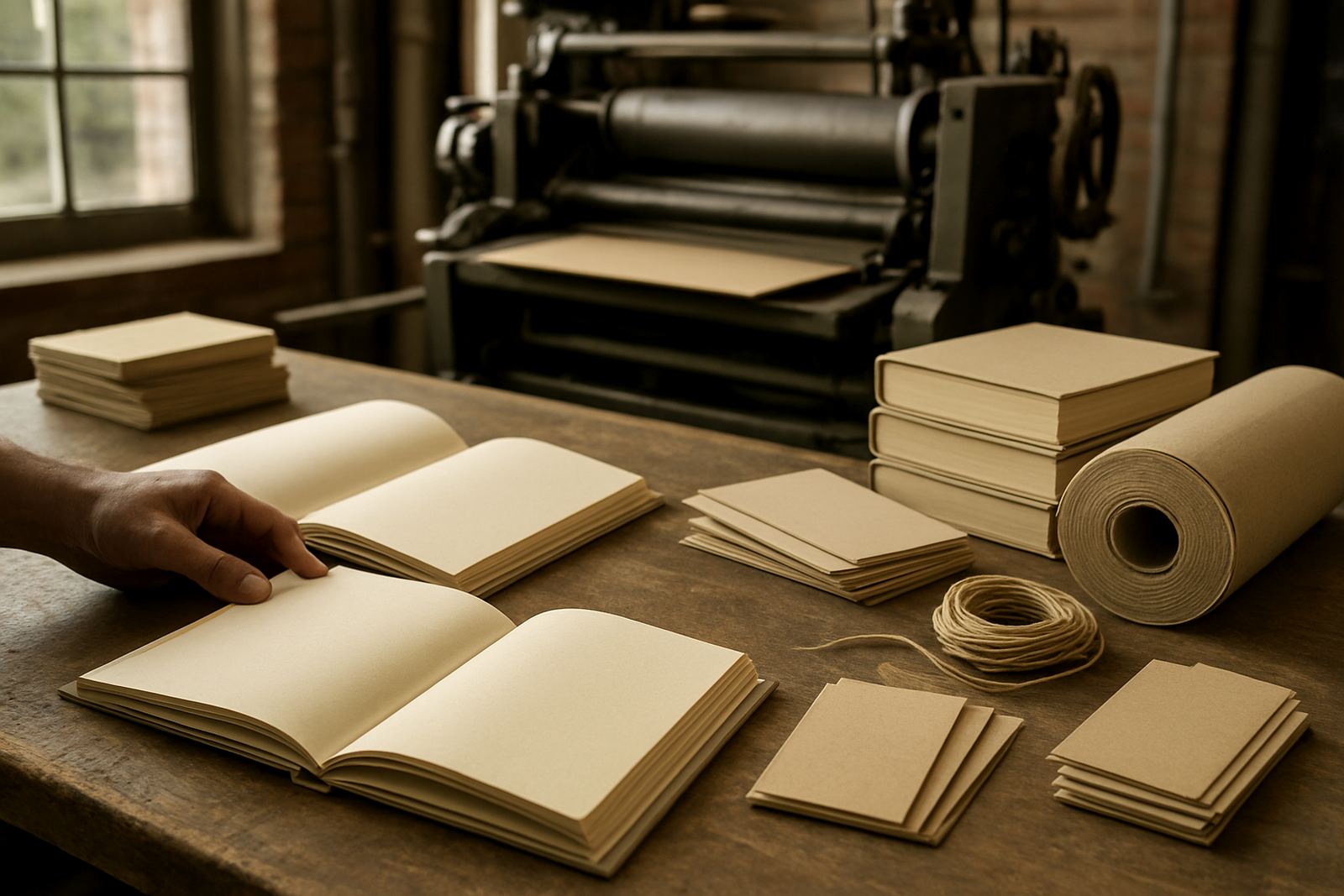
Study guides are not treated like ordinary brochures. They are handled in classrooms, carried in bags, marked with notes and opened flat on tables, so the print, paper and binding all need to work together. We print study guides for schools, colleges, training providers, publishers and business teams that need material people can use every day without pages loosening or covers curling too quickly.
For black and white content, plain text manuals and heavily paginated learner packs, offset printing gives a clean, consistent finish across every copy. Where you need large distribution volumes or a more economical production method for certain sections, flexo can be considered for suitable formats and paper choices. Our prepress checks help pick up missing pages, low-resolution artwork and layout faults before production starts, which saves time and waste later.
- Distance learning packs with chapters, exercises and answer sections
- Exam prep guides for revision and practice papers
- Internal training manuals for staff onboarding and compliance
- Subject notes, reference booklets and workshop handouts
Sizes, Page Counts and Binding Choices
Most study guides are produced in A4 or A5, although we also handle custom trimmed sizes when the content calls for a more compact or easier to carry format. A4 works well for diagrams, forms and wider page layouts. A5 is easier to pack, post and carry around, especially for learners travelling between campus, home and work. If your guide includes worksheets or large tables, we will look at margins and trim allowances so the text does not feel crowded.
Binding depends on page count and how the guide will be used. Saddle stitching suits lighter guides, usually up to around 64 pages depending on paper weight. Perfect binding is suitable for thicker guides and gives a neat spine for shelf storage and labelling. Case binding is best for premium manuals or long-life reference material. Section sewing adds strength for books that must open and close many times, which is useful for courses that run over several terms.
- A4 or A5 standard sizes, plus custom trims on request
- Single colour or full colour interiors
- Stapled, perfect bound, case bound or section sewn
- Gloss, matt or laminated covers for added protection
Paper, Covers and Finishing That Match the Use
Paper selection makes a real difference to how a study guide reads and lasts. Uncoated paper is often the best choice for text heavy material because it reduces glare and is easier to write on. Coated paper suits guides with photographs, charts and colour diagrams. Cover boards can be specified for stronger covers, while lighter covers keep costs down for handbooks that are issued in bulk. In humid coastal conditions, a stronger cover with lamination can help reduce edge lift and scuffing.
Finishing options are there to improve appearance and handling, not just decoration. Cover lamination adds protection during transport and repeated use. Foil finishing can be used on titles or course branding where a more formal presentation is required. Die cutting is useful for index tabs, opening windows or special section markers. If your guide is part of a training pack that includes inserts, we can also pack items in sequence so the set goes out in the correct order.
- 70gsm to 128gsm text papers commonly used, depending on the job
- Matte or gloss laminate on covers
- Foil title options for premium course materials
- Die-cut tabs or special openings where required
Where Study Guides Work Best
We print study guides for organisations that need reliable distribution across South Africa, including Johannesburg, Pretoria, Midrand, Sandton, Randburg, Roodepoort and the East Rand, as well as publishers shipping to other provinces. Study guides are often used for distance learning, workshops, induction programmes, exam preparation and short courses. They are also practical for internal training in factories, offices, depots and field teams where staff must keep a copy on hand.
For businesses with multiple sites, we can arrange packing and dispatch so different branches receive the correct quantities. That matters when training schedules change or when separate groups need different modules. If you are sending material to learners in outlying towns or rural areas, we can advise on format, thickness and packaging so the books travel well and remain presentable on arrival. A guide that is too bulky can cost more to courier and be harder to handle, so we often balance page count, binding and paper weight carefully.
- Distance learning and correspondence courses
- Exam revision booklets and practice guides
- Staff training manuals and induction packs
- Community learning programmes and workshop notes
Artwork, Prepress and Print Checks Before Production
Good study guides start with clean files. Before printing, we check page order, crop marks, bleeds, image quality, fonts and pagination so the final book reads properly from cover to cover. If there are chapters that must sit together, or answer sheets that need special placement, we confirm that the sequence is correct before plates or cylinders are made. This is especially important where the same pack goes to hundreds of learners and one missing page can create extra admin.
Colour proofing is useful for covers, diagrams and charts, and it gives you a chance to confirm that logos, course codes and subject headings look right before the main run. If your guide contains black and white text only, we still recommend checking the first proofs carefully for spelling, page breaks and alignment. A small layout issue can become a bigger problem once the full run starts, so it pays to approve the proof properly and not rush the process.
- Page sequence and pagination checks
- Bleed, margin and crop mark review
- Image and font quality checks
- Proof approval before full production
Care, Storage and Reprints Over Time
Study guides are often stored for several months or issued in stages, so they should be kept in a dry, cool room away from direct sun and damp floors. If your material is stored in KwaZulu-Natal or on the coast, a sealed carton and laminated cover help protect the books from moisture. Boxes should be stacked flat, not too high, so the corners do not crush and the spine shape stays consistent. It is also worth keeping a small buffer of extra copies for late enrolments or reprints.
When a guide is used often, the first wear points are usually the spine, corners and inner pages near the centre fold. If that is a concern, we will suggest stronger paper or a better binding method from the start. For repeat orders, keep the final approved file and note the trim size, paper weights and cover finish used, this makes reprints quicker and more consistent. If the course changes, update the file before pressing ahead so old pages are not mixed with new content.
- Store flat in clean, dry cartons
- Keep away from heat, damp and direct sun
- Order a buffer for late joiners or replacements
- Keep approved specs for future reprints
What To Confirm Before Ordering Study Guide Printing
Before sending a study guide to print, check the page count, final trim size, binding type and whether the cover needs lamination or foil. Confirm the paper weight for both text and cover, and decide if you want colour throughout or only on the cover. If the guide includes answer sections, fold-outs or perforated sheets, mention that early so the production plan can allow for it. It also helps to tell us how the books will be packed, whether in single copies, shrink-wrapped sets or cartons for distribution.
For larger institutional orders, we recommend confirming delivery destinations and timing before production begins. That helps avoid delays when books need to move to multiple campuses, branches or training centres. Our logistics planning team arranges packing and dispatch from Industria, Johannesburg, with delivery to publishers and organisations nationwide. If the order is for a time-sensitive exam cycle, build in a little extra lead time for proofing and final checks so there is less risk of last minute pressure.
- Final page count and trim size
- Binding method and cover finish
- Colour requirements and paper weights
- Packing, delivery and quantity split by site
Key facts
| Typical sizes | A4, A5 or custom trim size |
|---|---|
| Binding options | Saddle stitch, perfect binding, case binding, section sewing |
| Paper options | 70gsm to 128gsm text stock, uncoated or coated |
| Cover options | Plain cover, matte or gloss lamination, foil finishing |
| Print methods | Offset printing and flexo printing |
| Delivery area | Nationwide delivery from Industria, Johannesburg |