
What the Midrand client needed
The client was an industrial training provider in Midrand putting together a manual for staff induction and workplace training. The book had to be easy to use in the classroom, strong enough for repeated page turns, and tidy enough to hand out during formal sessions. The brief called for a clean layout, reliable colour on the covers, and binding that would hold up in a busy training room where books are opened flat and carried around all day.
They also wanted a print partner who could manage the whole run under one roof. That meant prepress checks, proof control, print, binding, and dispatch all had to line up properly. With most of their learners based between Midrand, Pretoria and the East Rand, they needed an order that could be packed securely and sent out without delays.
The print brief and production constraints
The manual needed to feel practical, not flashy. The content was text heavy, with tables, icons and section dividers, so our first focus was legibility and page flow. We checked the supplied artwork for margins, image resolution, page order, and whether the pages would sit correctly once folded and bound. The client also asked for a format that would be easy to carry in a file or laptop bag, so the finished size had to stay sensible for day to day use.
- Book type: training manual for industrial use
- Format: A5 finished size
- Extent: 96 pages plus cover
- Paper: 128 gsm matte text for inside pages, 250 gsm cover
- Binding: perfect binding for a neat spine and strong hold
- Finish: matte cover laminate for scuff resistance
Because the manual would be used in training rooms and sometimes taken into workshop areas, we recommended a finish that would resist handling marks and light moisture. The Johannesburg winter dryness helps print handling, but the client also wanted the books to stay presentable in summer when humidity and dust can be a problem during transport and storage.
Prepress checks and proof approval
Our prepress team checked the files before anything went to press. Johan van der Merwe and the production team confirmed the pagination, bleed, spine width, and image placement. We also checked the colour setup on the cover and made sure the black text would reproduce crisply for easy reading in classrooms and on factory floors. A small typo was picked up during the proof stage and corrected before print, which saved time later on.
For a manual like this, prepress matters just as much as the press run. If the page numbers are out by even one sheet, or if the spine thickness is calculated wrong, the whole job can become a problem at bindery. We kept the approval cycle short and practical, with one proof round and clear sign-off from the client’s side. That let us hold the delivery plan and keep the job moving without avoidable back-and-forth.
- File check and imposition setup
- Print proof for content and colour approval
- Spine calculation for the final page count
- Final sign-off before production
Offset print for clear pages and solid colour
The inside pages were produced on our offset presses for consistent text quality across the full run. Offset was the right choice because the manual had a decent page count and needed even coverage on repeated pages, tables, and section headers. The cover was printed separately to give a firmer finish and better colour control. We kept the ink density tight so the headings sat cleanly on the page, with no muddy areas or uneven tones.
For a project like this, speed is important but so is stability. A manual used for staff training has to look the same from the first copy to the last. Siphamandla Ngwenya monitored press output while the production team kept an eye on colour consistency and sheet registration. That gave the client a print run they could rely on, not something that varied from pallet to pallet.
Binding and finishing for daily use
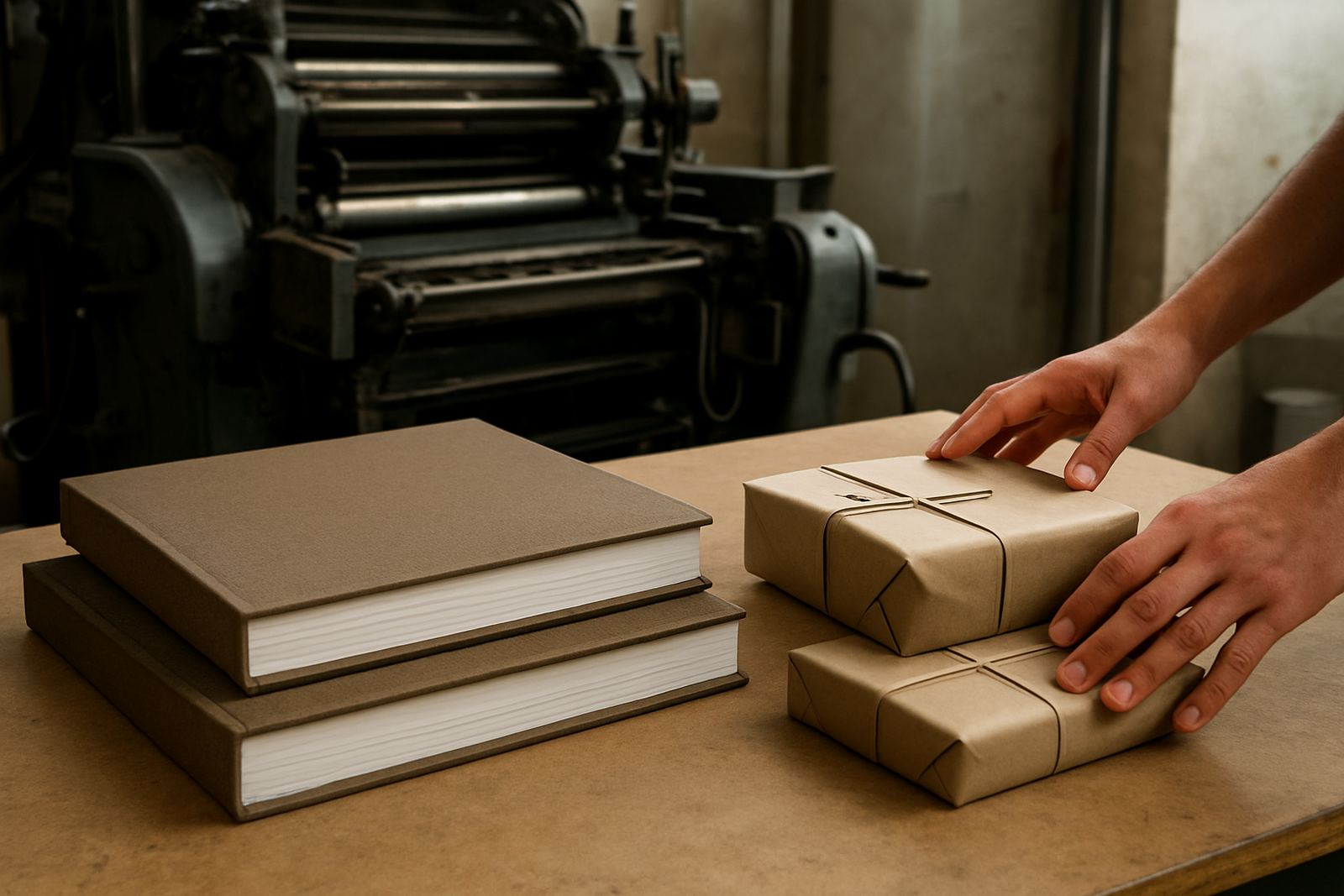
Once printed, the books moved through finishing and bindery under the supervision of Farieda Adams. We trimmed the blocks cleanly, matched the cover wrap accurately, and completed the perfect binding to give the manual a tidy spine and a solid opening. The matte laminate on the cover reduced glare under training room lighting and added protection for handling. It also made the manual easier to wipe down, which is useful in industrial settings where hands are not always clean.
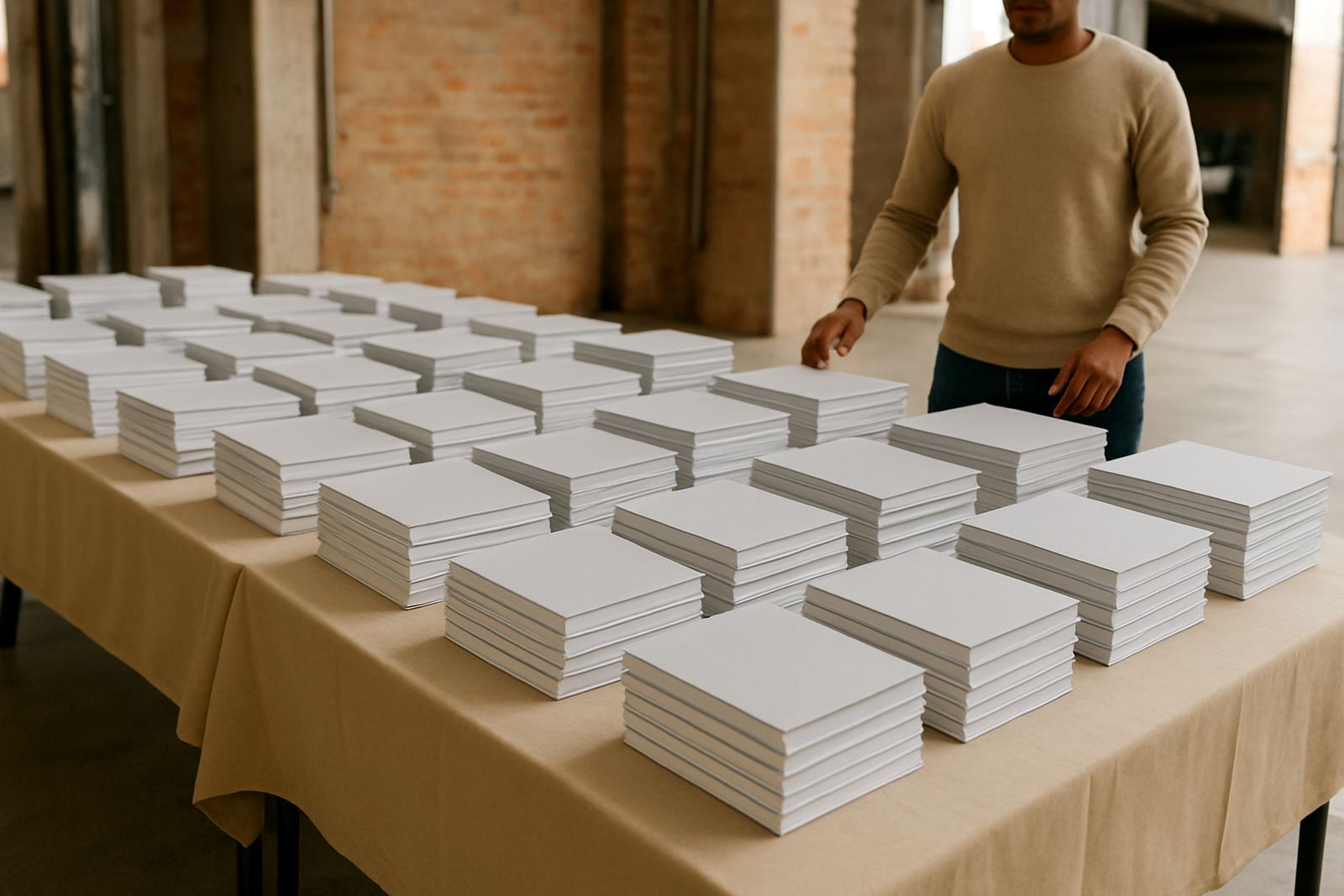
The finishing stage is where a manual either feels proper or feels rushed. We kept the corners neat, the trim square, and the spine consistent from copy to copy. The result was a book that could be stacked in packs, issued to learners, and kept on shelves without curling or looking worn after a few days. That practical finish is often what clients notice first, even if they do not say it out loud.
Packing, dispatch and delivery to Midrand
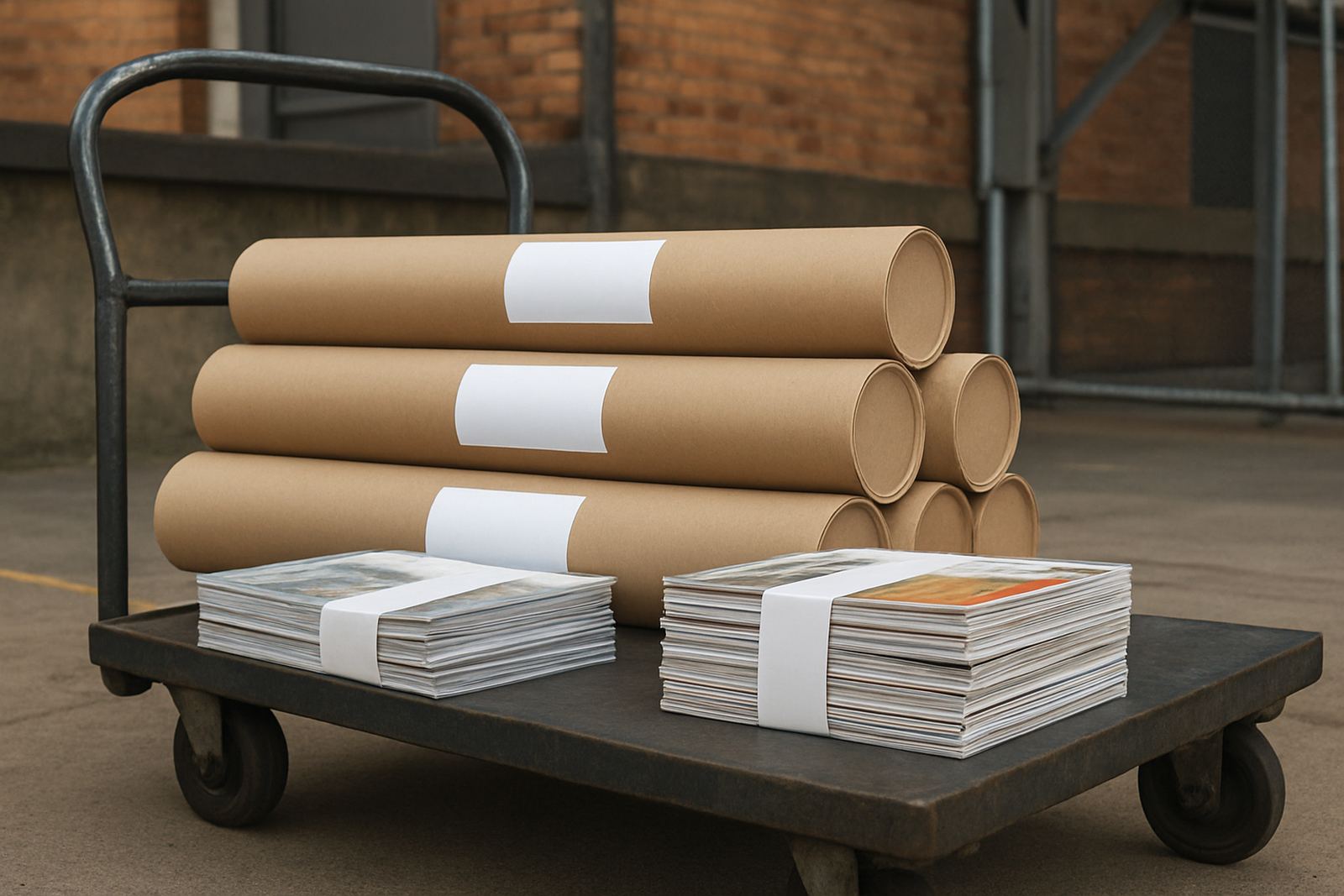
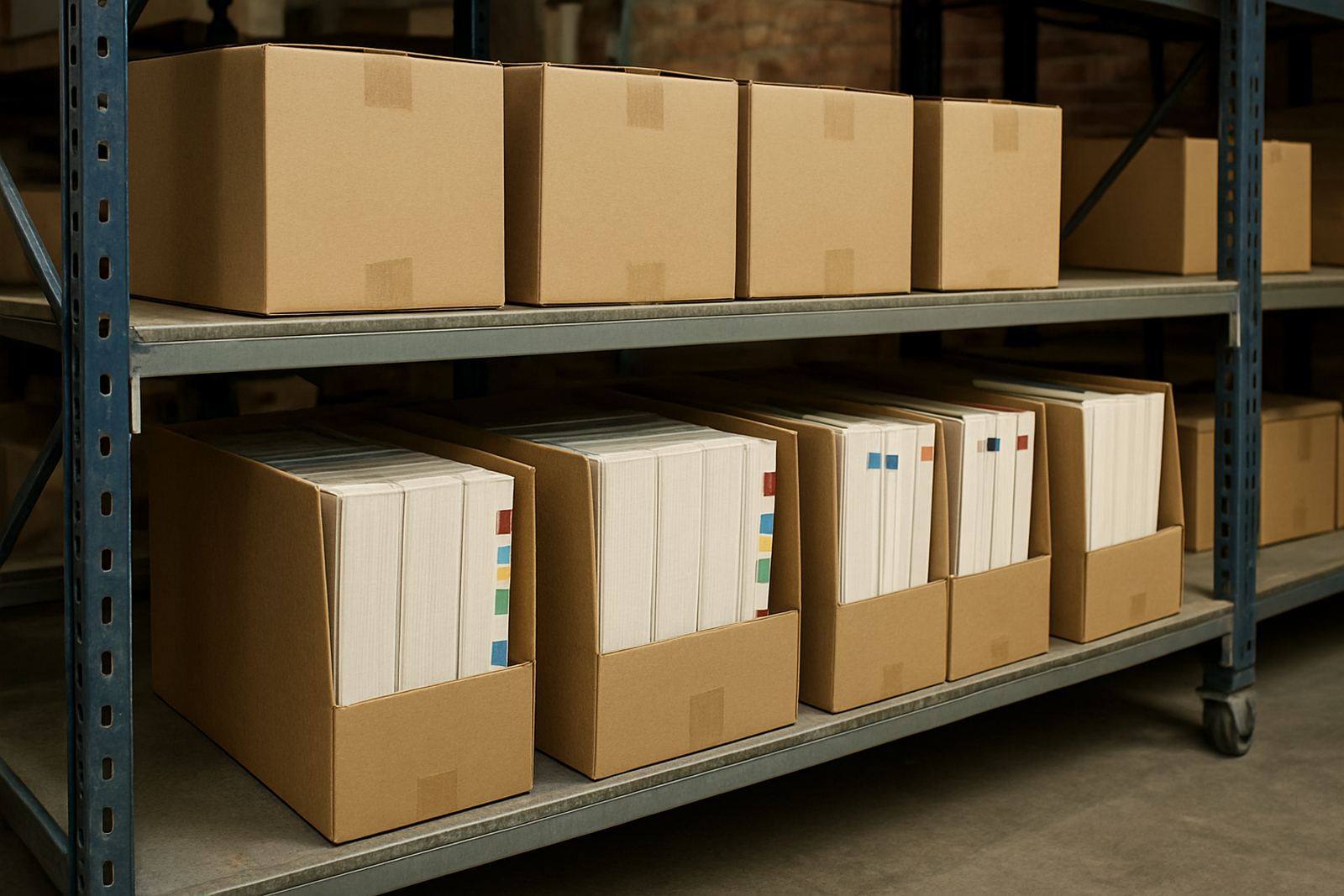
Leanne Naidoo handled the packing and dispatch plan so the manuals could move out in safe, counted bundles. The order was packed to reduce edge damage in transit and labelled for straightforward delivery to the client in Midrand. Because the client had a fixed training date, the whole schedule was built around a short turnaround and a firm dispatch window. The job ran from approval to delivery in two weeks, which gave the client enough time to get the manuals into place before the session started.
- Packed in counted bundles for easier issue at reception
- Wrapped for dust protection during transport
- Delivered to Midrand within the agreed schedule
- Ready for immediate use on arrival
We also kept the client updated through each stage so they knew where the order stood. That matters on training projects, especially when venue bookings, facilitators and learner packs are all tied to one date. A smooth handover makes the rest of the programme easier to manage.
What ran smoothly and what we would use again
The strongest part of this project was the simple, disciplined production plan. The brief was clear, the file checks were handled early, and the print specification matched the way the manual would actually be used. That is often the difference between a book that looks fine on screen and one that performs well in the hand. The client got a manual that was sturdy, easy to read and suitable for repeated use across training sessions.
If we were doing the same type of order again, we would keep the same structure: short approval window, careful prepress control, offset print for consistency, and practical binding that stands up to handling. For training providers across Johannesburg, Pretoria, Sandton and beyond, that approach gives predictable results without wasted time. It is the kind of job our team knows how to manage properly, from the first check to the final carton.
Key facts
| Client type | Industrial training provider |
|---|---|
| Project town | Midrand |
| Finished format | A5 |
| Extent | 96 pages plus cover |
| Binding | Perfect binding |
| Turnaround | 2 weeks |