
Project brief for a member publication in Benoni
The brief came from a professional association in Benoni that needed a member magazine with a clear, orderly look and enough consistency to carry through multiple issues. The publication had to read well on the page, hold up through handling, and still look smart when members received it by post or at events. Because the association wanted repeat issue planning, we set the job up as a recurring print title rather than a once-off run.
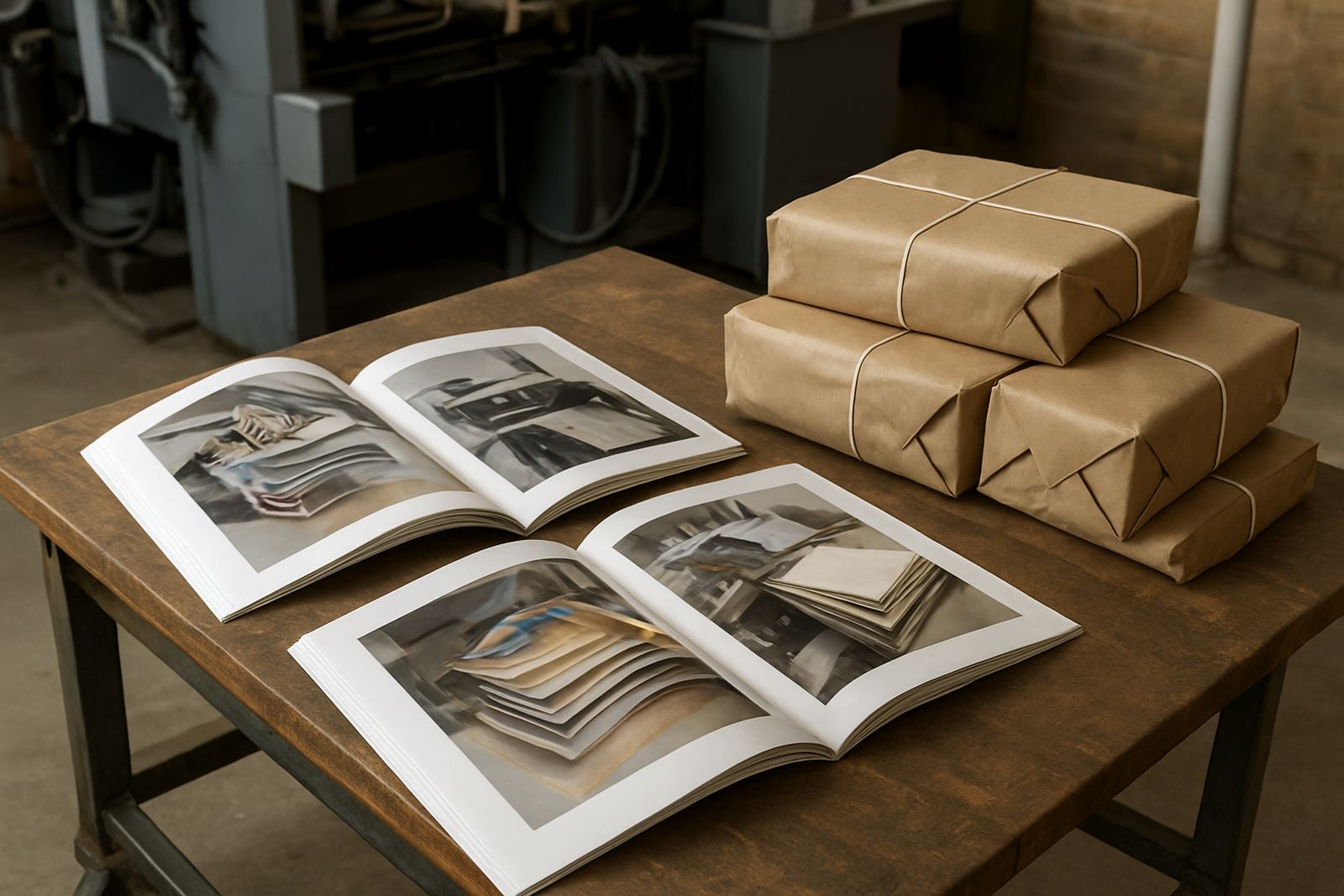
The magazine carried articles, member updates, notices, event listings and advertising pages, so the layout had to stay readable even where content changed from one issue to the next. We worked from supplied artwork and print files, then checked each section for pagination, image resolution and colour balance before going to press. The result was a publication that matched the association’s practical needs without overcomplicating the production.
- Client type: professional association
- Town: Benoni, East Rand
- Publication type: member magazine
- Issue plan: repeat run with scheduled reprints
What the magazine needed to handle
Magazines for associations are rarely simple. This one had changing editorial pages, advertisements from different suppliers, and a few pages that needed careful colour handling because of logos, photographs and small type. The client also wanted a format that would post well and not become bulky or awkward to bind once the page count shifted from issue to issue.
We advised on a practical print spec that suited the content and the distribution method. For this project, the final trim size was A4, the page count sat in the mid-range for a community and member publication, and the binding method had to suit repeated handling. We also planned the file flow so that late ad swaps or minor content changes could be handled without delaying the whole run.
- Trim size: A4
- Binding: saddle stitched for the main issue run
- Colour: full colour throughout
- Use case: mailed members, meeting tables and office reception points
Prepress checks and colour control
Before printing, Johan van der Merwe and the prepress team checked the supplied files for bleed, safe areas, image quality and page order. For a publication like this, small errors can show up quickly, especially on headline pages, advert spreads and the back cover. We also checked that the black text stayed sharp and that photographs did not shift too warm or too cool from page to page.
Because the association wanted a reliable repeat issue process, we kept the prepress notes organised for future runs. That made later production simpler, since the next issue could follow the same structure with fewer adjustments. In Johannesburg, where timeframes can get squeezed by meetings, proofs and delivery cut-offs, that kind of preparation saves a lot of back and forth.
- File checks: bleed, crop, page sequence and image resolution
- Proofing: colour proofing for key spreads and covers
- Workflow: repeatable setup for future issues
Printing, binding and finish choices
For the print run, we used offset printing to keep the text crisp and the images consistent across the full quantity. The magazine included a mix of text heavy pages and image-led pages, so we needed good control on ink balance and paper feed. The press plan was set up to cope with the size of the run and to keep the turnaround practical for the client’s publication schedule.
Binding was completed with a clean saddle stitched finish, which suited the page count and gave the magazine a neat, easy-to-handle feel. Where the covers needed a bit more protection, we added lamination on the cover stock. A few sections also included finishing details such as trimming and careful packing, so the copies arrived tidy and ready for distribution. The production team coordinated each stage, and that helped keep the job moving even when the schedule had tight handover points.
- Print method: offset
- Cover finish: protective lamination on selected runs
- Finishing: trimming, stitching and pack-out
- Handling: suitable for mailing and office distribution
Timeline and production flow
The initial issue moved from file receipt to completed dispatch in three weeks. Week one covered prepress checks and proof approval. Week two covered press production and finishing. Week three covered packing and dispatch to the agreed delivery points, with copies sent out for member distribution and internal use. That timing gave the association enough space to review content without holding up the print schedule.
Once the first issue was complete, the repeat-issue plan was documented so future editions could follow the same process. That meant editorial deadlines, artwork handover dates and delivery windows could be fixed earlier in the year. For a membership body planning meetings, notices and annual events, that sort of schedule brings far less pressure when the next publication cycle comes around.
- Total turnaround: 3 weeks
- Week 1: prepress and proof approval
- Week 2: printing and finishing
- Week 3: packing and dispatch
Results for the association and its members
The finished magazine gave the association a publication that looked organised, read clearly and matched the professional image they wanted to present. Members received a printed item that felt deliberate rather than rushed, and the repeat planning reduced stress for the next edition. The association also had a clearer path for future issues, with the print and binding details already mapped out.
What worked best was the combination of practical prepress control, steady presswork and a binding finish that suited the publication size. The client could focus on content and member communication while we handled the physical production. If we were producing the same title again, we would keep the same issue structure, use the same delivery planning, and hold the proofing stage tight so any late edits are caught before press.
- Sharper presentation for members and advertisers
- Reliable repeat-issue planning
- Cleaner handling through mail and distribution
- Less pressure on future production cycles
What we would repeat on the next issue
For the next Benoni association magazine, we would keep the same disciplined approach: early file checks, a clear approval window, and a fixed handover date for print-ready artwork. That suits organisations with committees, events and changing notices, because the production side stays under control even when content moves around. It also helps when distribution has to cover Benoni, Johannesburg, Pretoria and other centres without missed deadlines.
We would also keep the finishing choices practical. For member magazines, a neat stitched format, clean trimming and strong pack-out often do more good than complicated extras. That approach gives the publication a proper finish and keeps the cost per copy sensible, which matters when the title is printed more than once a year.
- Keep the same trim size and binding style
- Use repeat proofing notes for faster approval
- Schedule dispatch around member delivery dates
Key facts
| Project | Benoni Association Magazine |
|---|---|
| Client type | Professional association |
| Location | Benoni, East Rand |
| Print method | Offset printing |
| Binding | Saddle stitched |
| Turnaround | 3 weeks |