
Journal Brief From Pretoria
The client was a Pretoria based academic publisher preparing a scheduled journal issue with a fixed release window and a readership that expects clean, accurate copy. The issue had to sit comfortably beside previous numbers in the series, with the same trim size, page structure, cover feel and colour behaviour, so the publication would be recognised at once.
The brief came in with a few non-negotiables: maintain the established layout, keep the pagination consistent, protect fine text from filling in, and deliver enough copies for university libraries, contributors and circulation partners across Gauteng and other provinces. The publisher also wanted a neat finish on the cover because the issue would be handled often and filed for long-term use.
- Publication type: scheduled academic journal issue
- Client location: Pretoria
- Print method: offset printing for the main run
- Bindery: perfect binding with cover lamination
Prepress Checks And Proofing Discipline
For this kind of journal work, prepress matters as much as the press run. Johan van der Merwe and the prepress team checked the supplied files for margins, image resolution, page order, bleed and total ink coverage before plates were made. Academic journals often carry tables, footnotes and small fonts, so we paid close attention to line sharpness and black text registration.
We then supplied colour proofs so the publisher could sign off the cover tones and confirm that the inside pages matched the previous issue. The aim was not to change the look, only to keep it steady from one issue to the next. That matters when a journal lands on a lecturer's table or in a library stack and needs to look like part of the same series.
- Prepress checks on every page before plate output
- Colour proofing for cover approval and consistency
- Final file control to reduce surprises on press day
Press Run For Clean Text And Even Colour
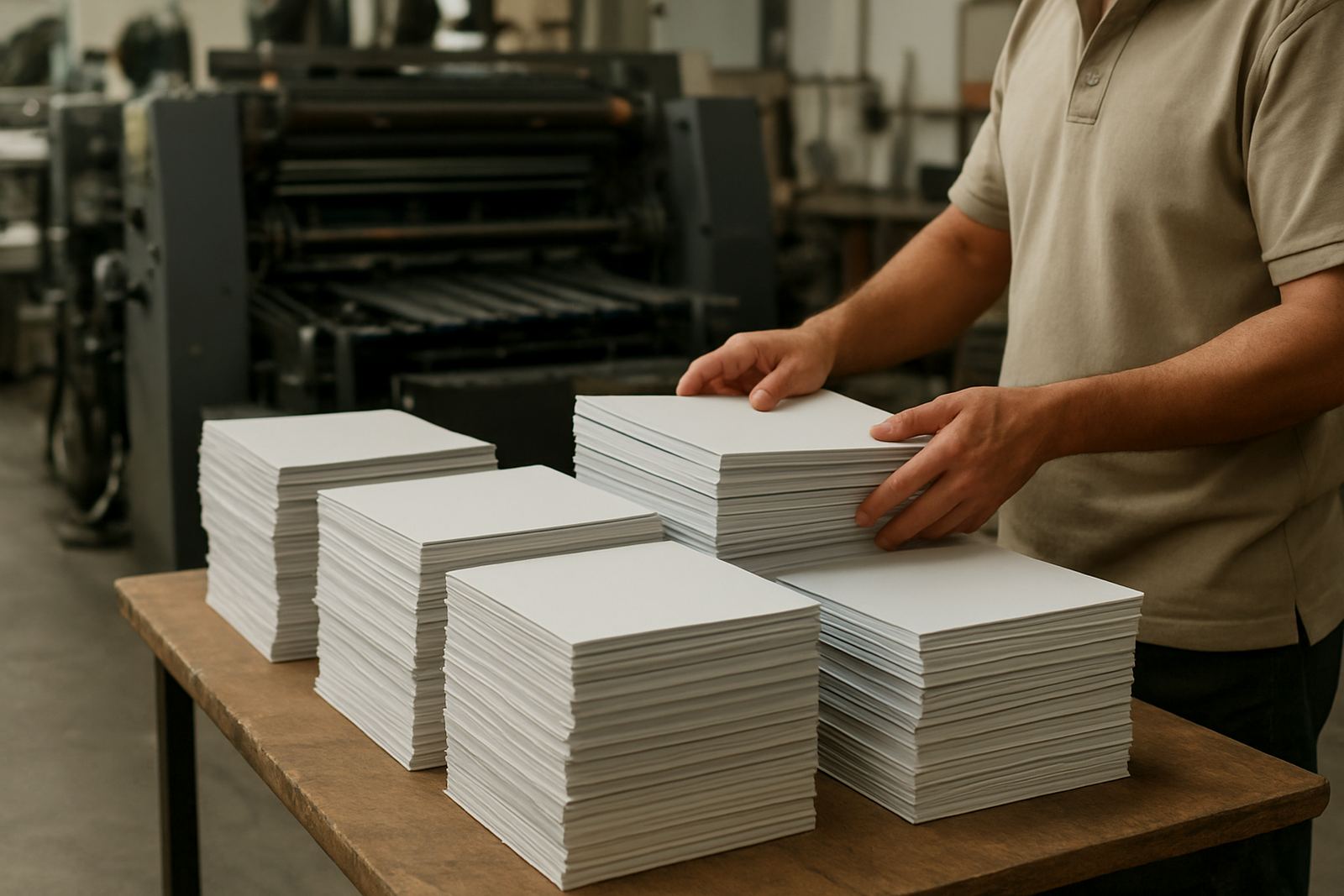
The main body of the journal was printed on offset equipment because the run needed crisp type, steady solids and dependable repeatability across the full quantity. Siphamandla Ngwenya managed the press work and kept the sheets balanced for even ink density throughout the run. That helped with the dense academic content where a small shift in tone can make charts, references and grayscale images harder to read.
We also checked for common local production issues that can affect print quality, especially with paper that has to move through drying and finishing in Johannesburg conditions. In hot weather and during load shedding periods, schedule control matters, so the run was planned in a way that protected drying time and kept the issue on track. The publisher needed a finished journal that would open properly and stack neatly, not one that fought the reader.
- Offset printing for the inside sections and cover
- Attention to text clarity, charts and grayscale images
- Production timing planned around drying and finishing windows
Binding, Lamination And Finishing
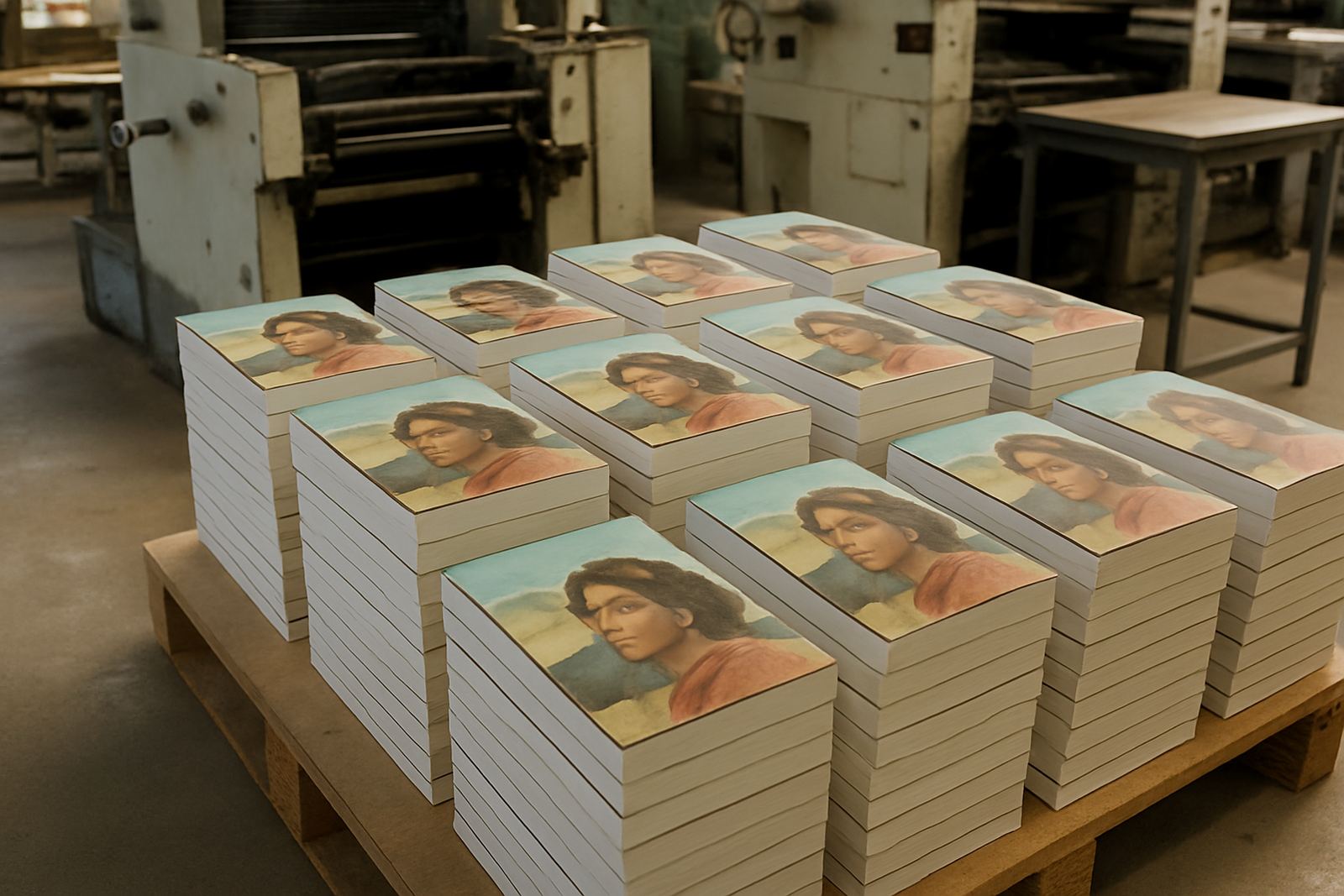
After printing, the issue moved through finishing with Farieda Adams coordinating the bindery sequence. The client chose perfect binding for a professional spine and a cleaner shelf presence than loose sewn sections would give for this particular title. The cover received lamination for handling protection, which helps with frequent filing and transport between departments and campuses.
Where the structure required it, we used section sewing on internal signatures before final binding so the publication would open better and sit flatter on a reading table. Any trimming had to stay exact because academic journals show inconsistency quickly. A few millimetres out on the spine or foredge and the issue starts looking untidy. We kept the finishing line firm and checked sample copies before pack-off.
- Perfect binding for the finished journal issue
- Cover lamination for handling and shelf life
- Section sewing used where the format called for it
Packing And Dispatch To Publishers Nationwide
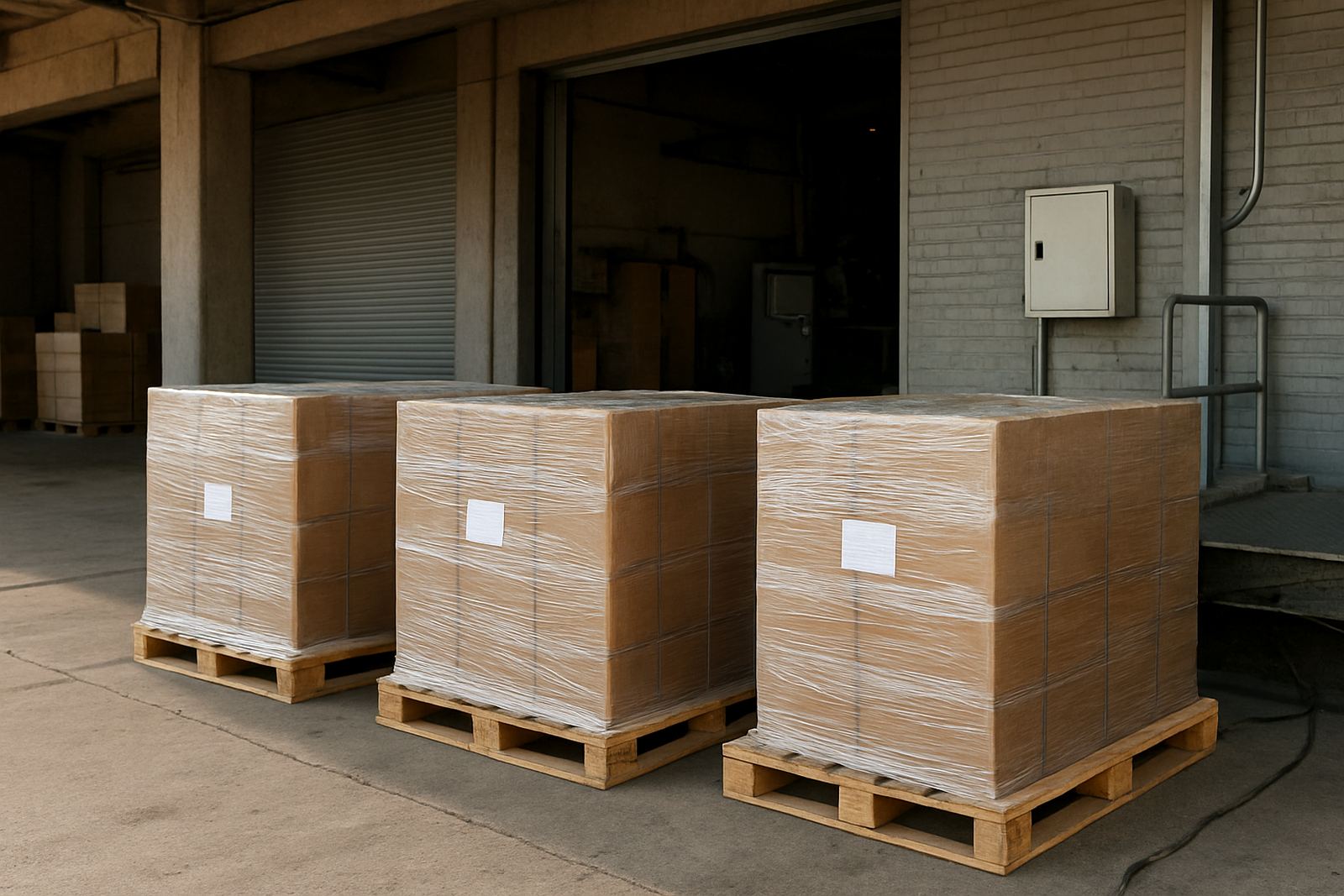
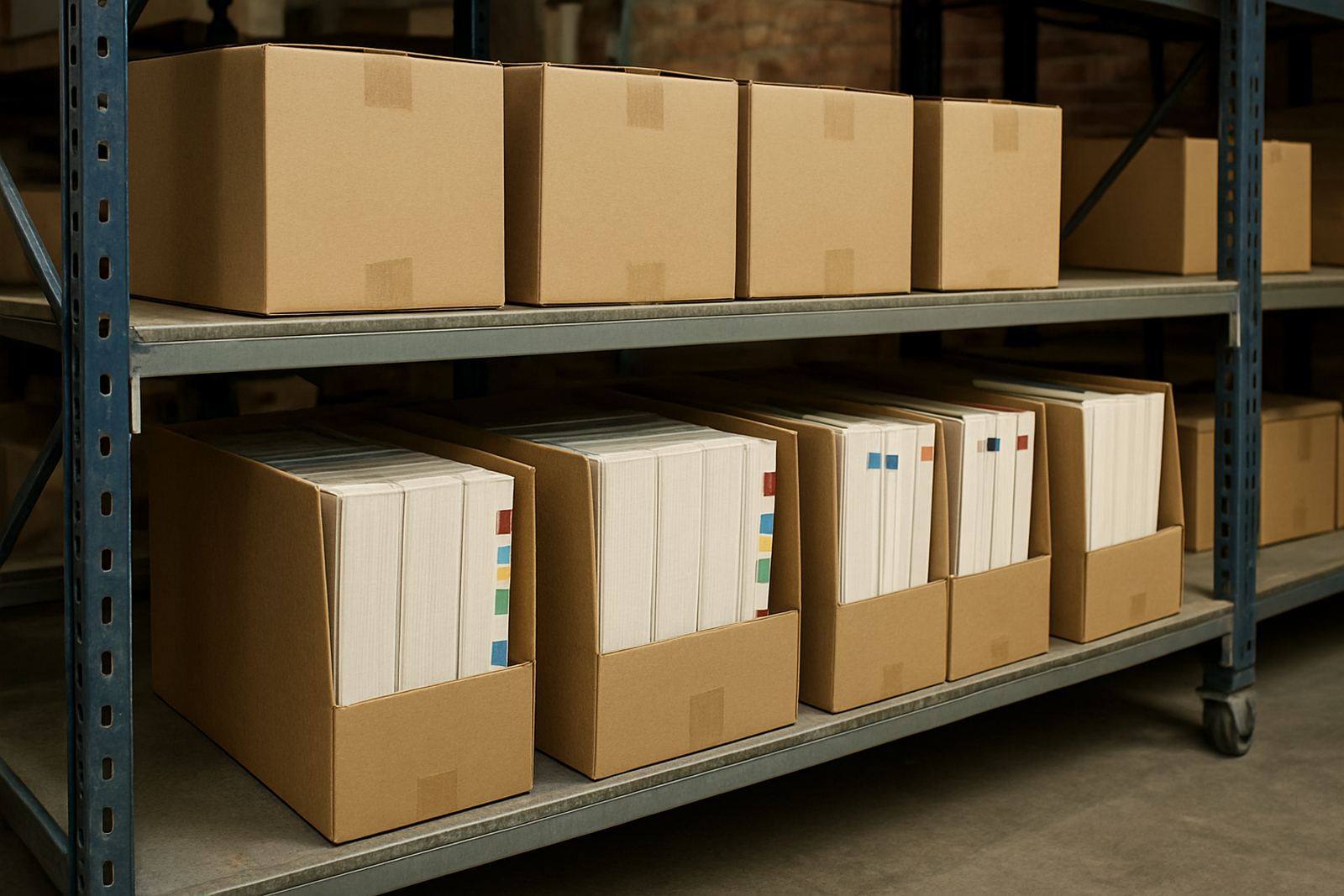
Leanne Naidoo handled the dispatch planning so the completed journals could move out in the correct sequence. Some copies were destined for Pretoria, while others had to go to publishers, institutions and distribution points in Johannesburg, Sandton, Midrand and further afield. Packing had to protect the spine and keep the stacks square so the copies would arrive in good order.
The job was completed in three weeks from approved files to final dispatch. That schedule included prepress checks, proof sign-off, printing, finishing and packing. The publisher needed the issue delivered within a narrow publication window, so the logistics plan was as important as the print run itself. Once boxed, the copies were labelled clearly and sent out without delay.
- Total production time: 3 weeks
- Nationwide delivery arranged from Industria, Johannesburg
- Copies packed for clean transport and easy onward distribution
What The Publisher Needed To See Again
The final result was a journal issue that matched the earlier edition closely, read cleanly and presented well in hand. The publisher was pleased with the steady colour, the crisp inside pages and the tidy binding line. For an academic title, that consistency builds trust with contributors and institutional buyers. It must look like the same publication every time, even when the content changes from issue to issue.
If this journal issue were repeated, we would keep the same production route: lock the specification early, proof the cover carefully, and keep the finishing sequence tight. For scheduled journals, there is very little room for drift, and that is where a controlled workflow pays off. The better the front-end checking, the smoother the back-end delivery.
- Repeat the same trim, spine and paper specification
- Keep proof approval close to the press date
- Protect the issue with packing suitable for courier and pallet movement
Key facts
| Client type | Academic publisher in Pretoria |
|---|---|
| Project | Scheduled journal issue |
| Print method | Offset printing |
| Binding | Perfect binding |
| Finishing | Cover lamination, section sewing, packing and dispatch |
| Turnaround | 3 weeks from approved files to dispatch |