
What the Roodepoort team needed from the run
This catalogue was for a Roodepoort based distributor with a wide product range and regular trade orders. The book had to carry clear photography, accurate product codes and tidy pricing blocks, because the sales team used it in appointments and at counter level. They also needed a print partner who could keep the same look across the full run, not just on the first few copies.
The brief was practical. They wanted a catalogue that would sit neatly on shelves, survive handling in offices and showrooms, and keep its colour through repeated reprints. The client also wanted the bindery finish to feel neat in hand, with pages turning cleanly and covers staying square after courier movement. That meant proper prepress checks, stable press settings and a binding method suited to a mid sized publication.
Print specs and production choices
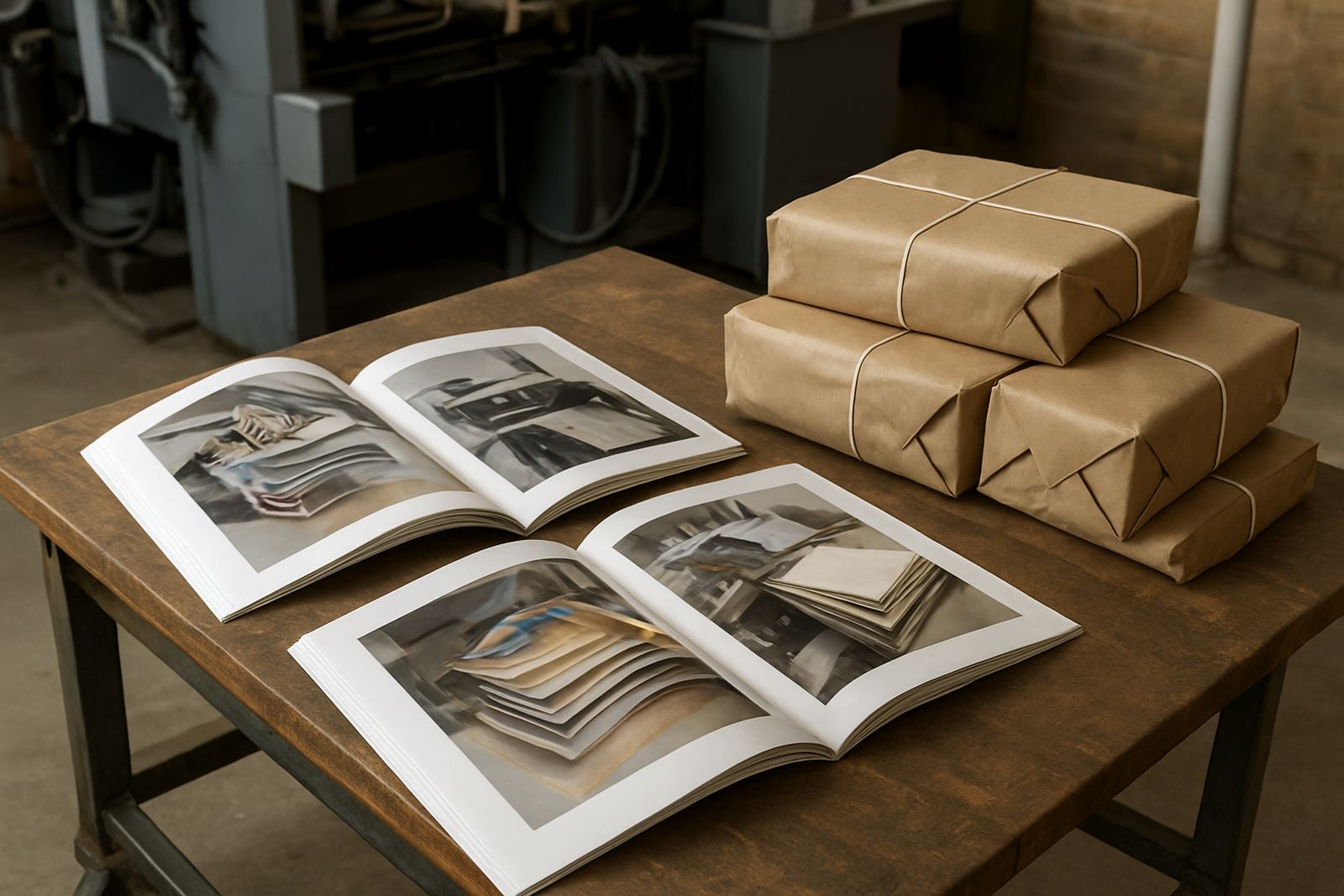
The project was produced as an offset printed catalogue with a coated cover and interior pages set for strong image reproduction. We ran press checks on the first sheets to lock in density, image detail and skin tones, then held those settings through the main run. The artwork contained product photography, tables and line art, so the plates and profiles were checked carefully before print.
- Format: A4 catalogue
- Extent: 96 pages plus cover
- Print method: offset printing
- Paper: coated text stock with heavier cover stock
- Finish: lamination on the cover for handling and scuff protection
- Binding: perfect binding for a clean spine and shelf presence
For a catalogue like this, page creep, registration and image hold matter as much as ink colour. We trimmed and folded with tight tolerances, then checked the spine width against the final page count before binding started. That small step saves trouble later when a catalogue has to sit flat enough for browsing but still close properly after use.
Prepress checks that prevented delays
The file set arrived with mixed image sources and several supplier updates, so the prepress stage did the heavy lifting. Johan van der Merwe and the prepress team checked bleed, safe margins, font embedding and image resolution before anything went to plate. Where product shots were too soft, they were flagged back to the client for replacement rather than being forced through print.
We also checked overprints on small text and barcode areas, because catalogue work often carries tight pricing copy and stock references. One spread needed a minor layout adjustment after a table sat too close to the gutter, and that was corrected before proof sign off. The client appreciated being told early instead of finding issues after binding, and that kept the schedule moving without drama.
- Image resolution checked for every key spread
- Colour proofing supplied for approval before full production
- Barcode and pricing zones inspected for readability
- Gutter allowances adjusted on dense spreads
Binding and finishing for repeated handling
Because the catalogue would be picked up often by sales staff and buyers, the finishing needed to do more than look neat on day one. We supplied cover lamination for extra protection against scuffing and fingerprints, then used perfect binding so the spine carried the page count cleanly. The result was a catalogue that opened well and still looked professional after a few weeks of use.
Farieda Adams coordinated the bindery side while the press team kept the printed sets in the correct sequence. That matters on longer jobs, because once a section is out of order it can delay the whole batch. We kept the packing orderly, counted each bundle twice and grouped copies for dispatch by destination so the client’s receiving team could move quickly on arrival.
Timeline, volume and delivery to other provinces
The full run took three weeks from file receipt to dispatch. Week one covered prepress checks, proofing and artwork corrections. Week two was press work and drying time, with the cover and text run in sequence to hold the same colour across the job. Week three covered binding, lamination, packing and delivery planning.
The client needed copies sent beyond Johannesburg, so Leanne Naidoo arranged dispatch in batches rather than one large load. That made receiving easier for the publisher teams and distribution points in other provinces. It also reduced the risk of damage in transit, which is worth planning for when a load is moving through hot inland conditions one day and coastal humidity the next.
- Turnaround: 3 weeks
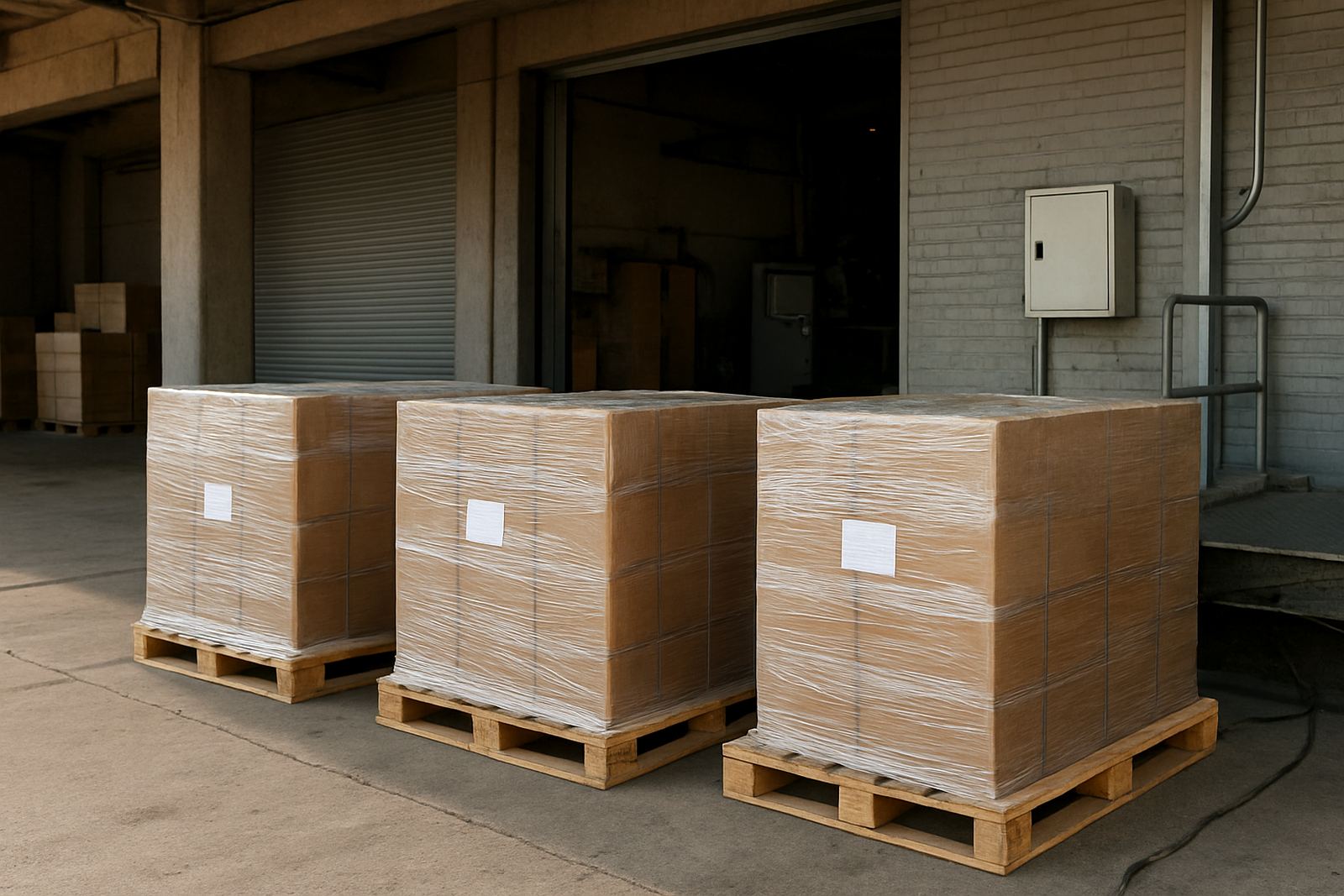
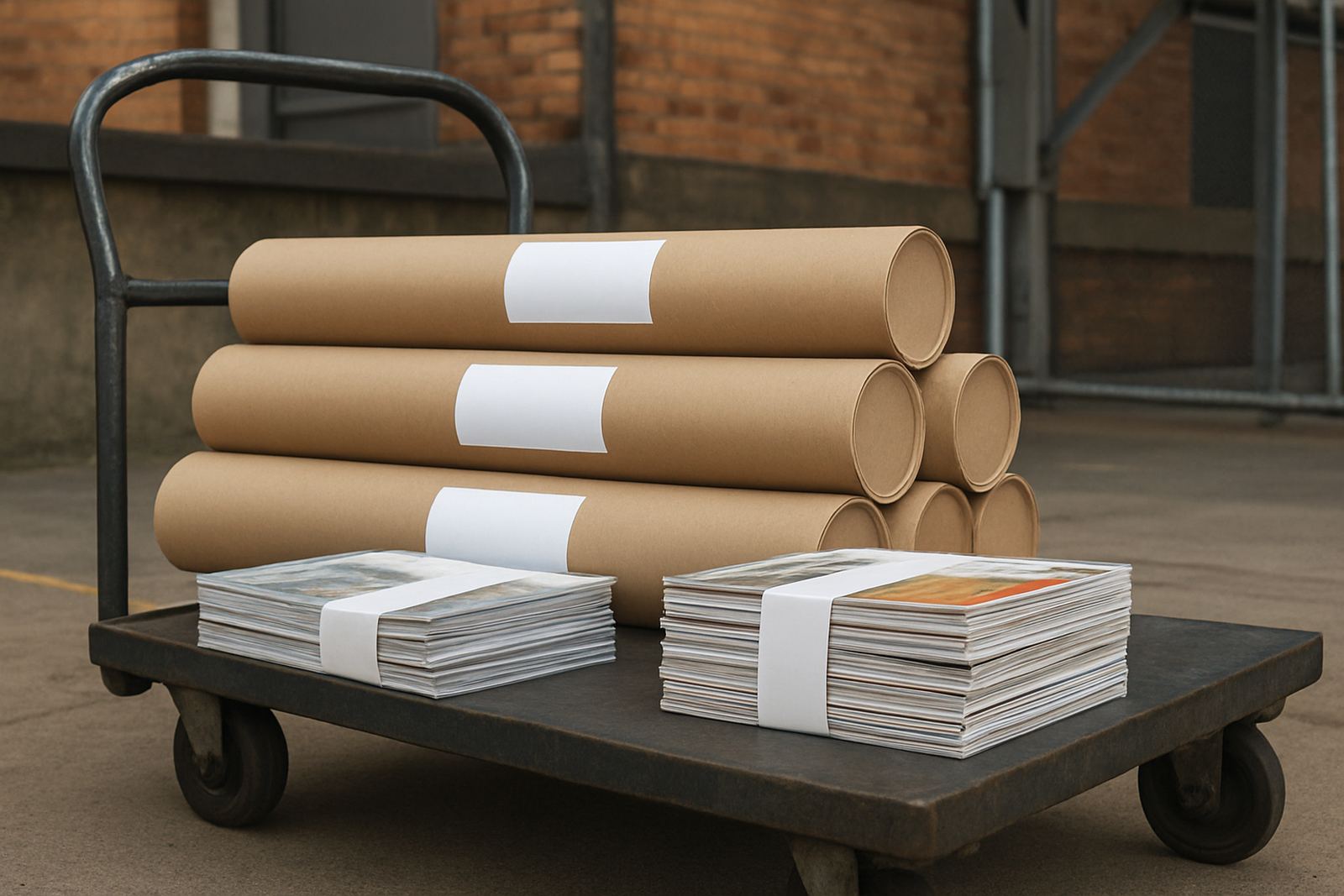
- Dispatch: packed in labelled cartons for national delivery
- Receivers: Roodepoort head office and regional trade points
- Transport note: cartons strapped and shrink wrapped for courier movement
What the client got from the run
The catalogue landed with clean colour, sharp image reproduction and a spine that held its shape. For the sales team, that meant a book they could carry into meetings without worrying about pages lifting or covers marking easily. For the client, it meant a print run that matched the sample approved at proof stage and gave the whole range a more ordered, professional look.
From our side, the strongest result was consistency. The images held well across the run, the tables stayed readable, and the finished books arrived ready for distribution. There were no hold ups at dispatch and no need for rework after delivery, which is the standard we aim for on catalogue jobs of this size.
What we would do again on the next catalogue run
If we were running this project again, we would keep the same sequence of prepress checks, proof approval and press control. That process suited the job and gave the client enough time to review the important spreads without slowing production. We would also keep the same binding choice for a catalogue of this extent, because perfect binding gave it the right balance of shelf presence and practical use.
For similar projects, especially where a distributor needs regular reprints, we would recommend locking in paper stock early and preparing a standing colour target for repeat runs. That saves time on later editions and helps keep colour steady between batches. It is simple work, but on catalogue printing simple done well is what saves money and keeps the sales team happy.
Key facts
| Project type | Product catalogue run for a Roodepoort distributor |
|---|---|
| Print process | Offset printing with prepress checks and colour proofing |
| Size | A4 catalogue |
| Extent | 96 pages plus cover |
| Binding and finish | Perfect binding with cover lamination |
| Timeline | 3 weeks from file receipt to dispatch |