
What case binding includes
Case binding is the hardcover method used when a book needs stronger protection and a more formal presentation than a softcover can offer. At Printing House, the book block is prepared first, then attached to a rigid case made from board, wrapped and finished to the required spec. This method suits titles that must stand up to repeated handling, shelf storage and regular transport between offices, schools, libraries and homes.
We handle case binding for first editions, prestige company histories, school material, annual publications and special projects where appearance matters but so does durability. The final result has a firm cover, a clean spine line and a professional feel that works well for retail and direct distribution.
- Hard cover construction with board thickness matched to the book size
- Options for printed cover wrap, foil finishing and lamination
- Suitable for text books, commemorative titles and premium reports
- Can be paired with section sewing for added strength
How we build each hardcover book
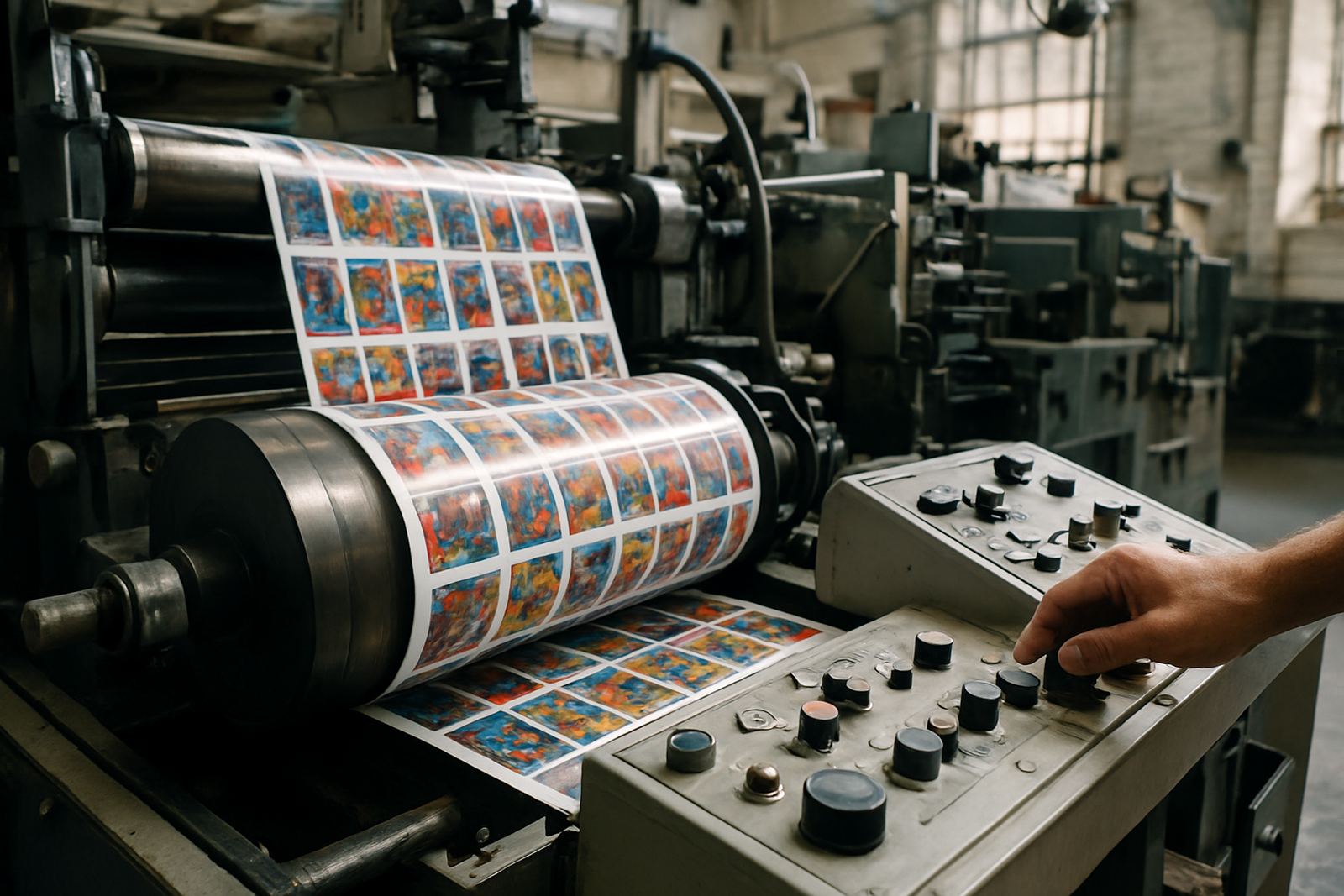
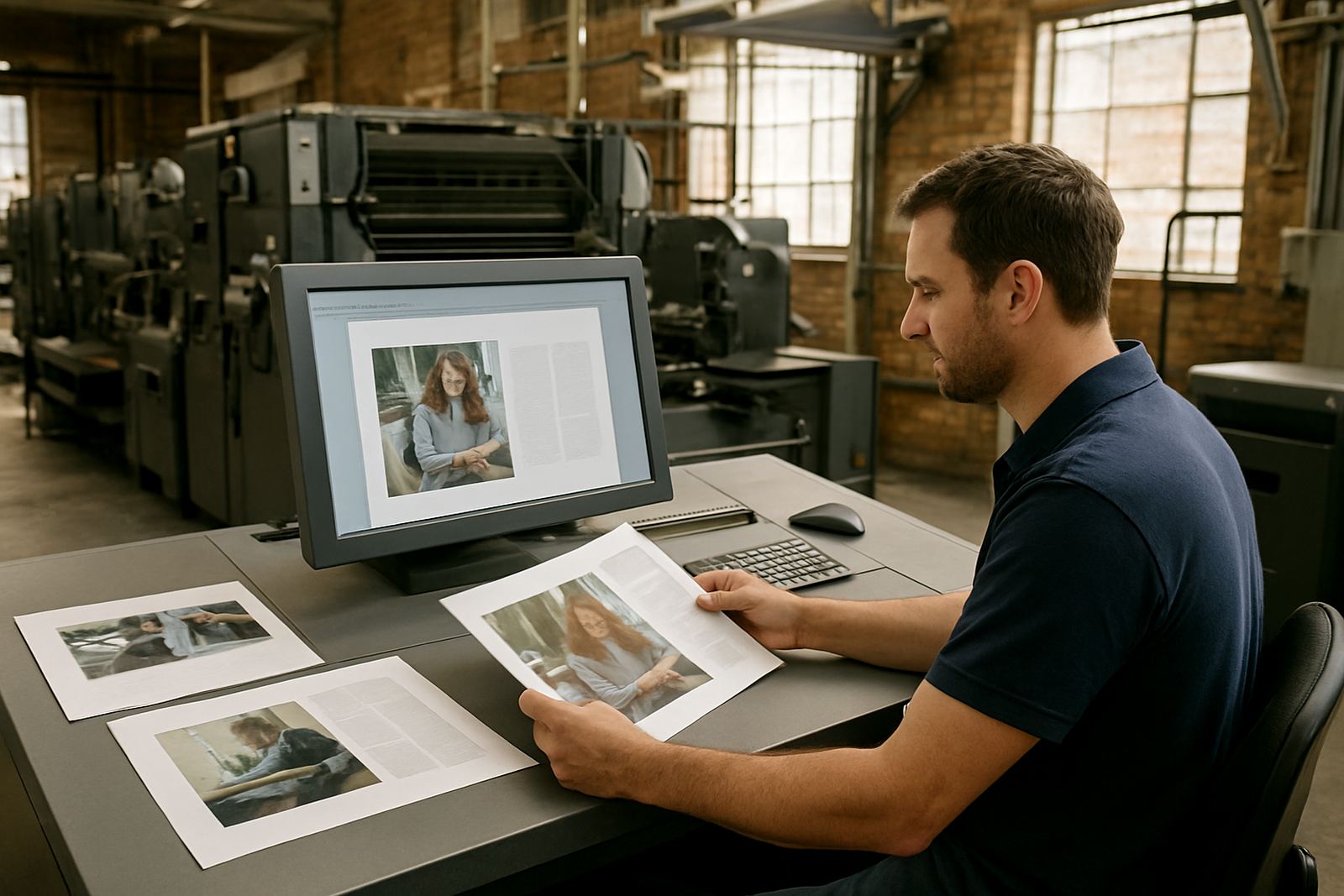
Case binding starts with file checks, imposition and proofing in prepress. We confirm trim sizes, spine width, page sequence and image quality before anything goes to press. For books with heavy use, we often recommend section sewing so the pages hold better over time, especially where the book will be opened flat often or handled by many people.
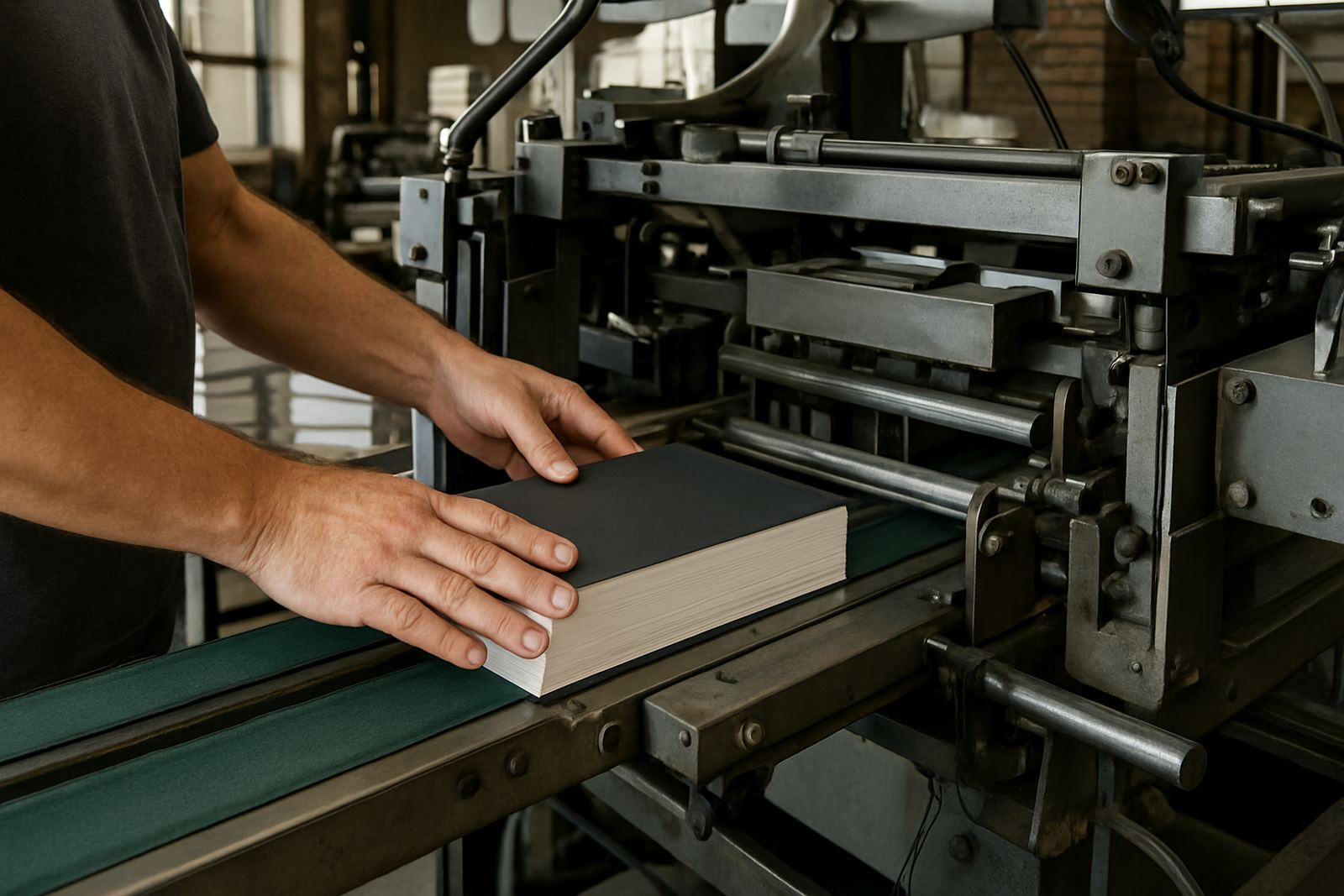
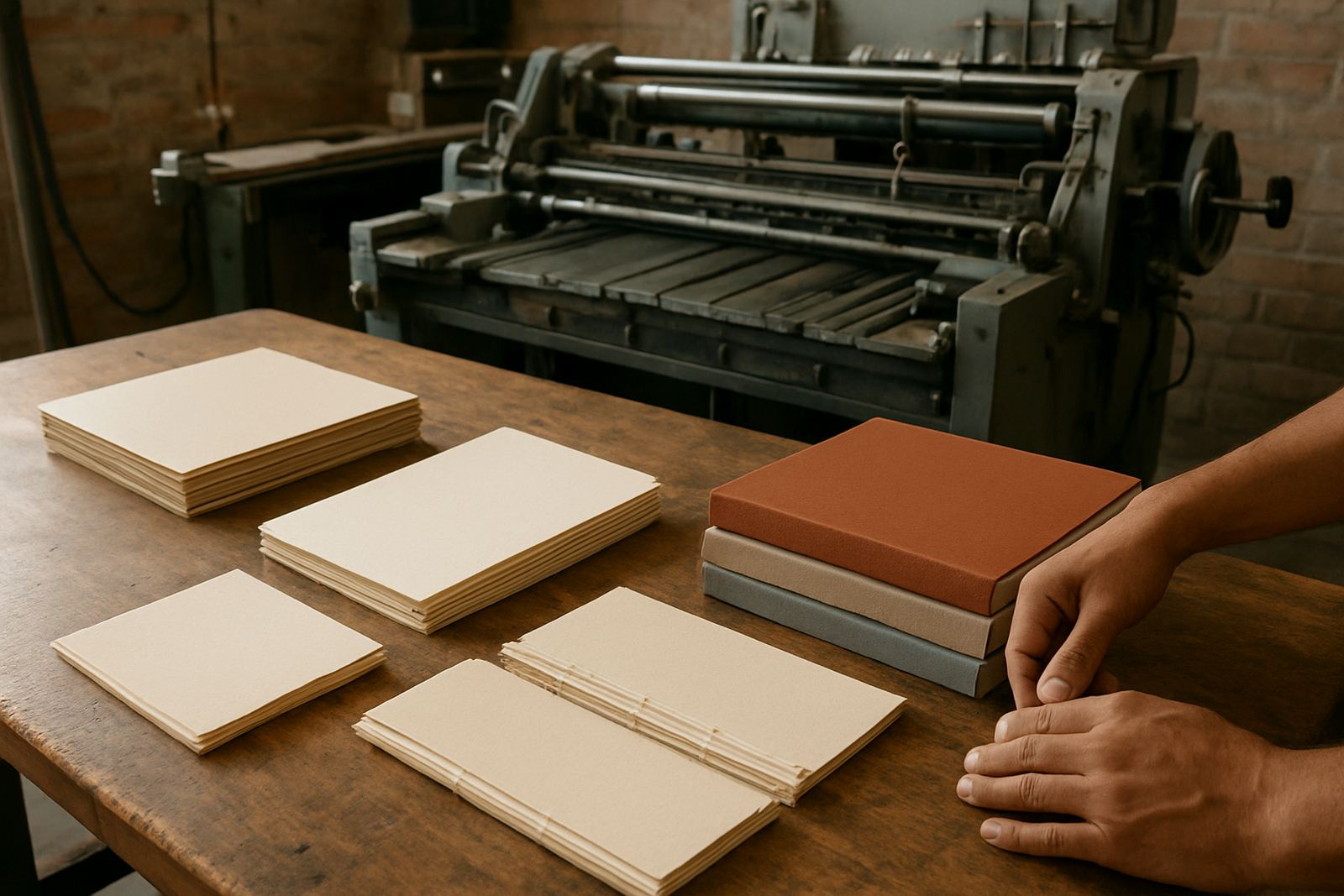
Once the printed sections are ready, the book block is gathered, sewn or glued as specified, and trimmed to size. The case is then made up separately using rigid boards and a printed or covered wrap. After that, the block is attached to the case and pressed so the spine and hinges set properly. If the title needs a more finished look, we can add foil, laminate the cover, or include die cut elements where suitable.
- Prepress review and colour proofing
- Printing of text and cover components
- Section sewing or adhesive binding of the book block
- Case making, covering and attachment
- Final trim, inspection and packing
Specifications that matter on production day
Case binding needs accurate specs from the start because the cover, spine and text block all work together. A few millimetres off on the spine can affect the fit and the final look, so we pay close attention to size, paper bulk and finish choices. That matters more on heavier books, coated stocks and titles with inserts.
Common production details include spine width, board thickness, endpaper choice, laminate type and whether the book will need a printed dust jacket or direct case print. For South African publishers, we also consider shipping and storage conditions. Inland dry heat, coastal humidity and frequent handling in schools or offices all affect the choices we make on adhesive, board and finishing.
- Common trim sizes: A5, 210 x 210 mm, 245 x 170 mm, A4 and custom formats
- Typical board thickness: 2 mm to 3 mm, depending on size and page count
- Paper stocks: uncoated, matt coated and silk coated text papers
- Finish options: matt or gloss lamination, foil blocking, embossed accents
- Binding style: sewn, glued or mixed construction where required
Turnaround and planning for local and national orders
Turnaround depends on page count, finishing, quantity and how much special handling the job needs. A simple case bound title with standard finishing can move faster than a book with sewn sections, foil, special endpapers and custom packing. We plan production around the full job, not just the press run, so the binding stage has the space it needs to be done properly.
For Johannesburg clients in Industria, Central, Sandton, Randburg, Roodepoort, Midrand, Pretoria and the East Rand, collection and delivery can be arranged around the production schedule. We also deliver nationwide to publishers and businesses in other provinces. If a project has a launch date or seasonal window, it helps to book early so paper, bindery time and dispatch can all be lined up without last minute pressure.
- Standard production windows are quoted per project after artwork and specs are checked
- Rush jobs are only accepted when the finishing requirements allow it
- Nationwide dispatch can be arranged for approved orders
- Packaging is set for stacking, shelving and courier handling
Pricing approach for hardcover binding
Case binding is priced according to quantity, book size, page count, paper bulk, cover style and finishing choices. A 96-page hard cover title in a standard format will not price the same as a 320-page sewn book with foil, lamination and a custom case wrap. We quote to the real production spec, which helps avoid surprises later.
For publishers and businesses, it often makes sense to compare the full lifecycle cost rather than only the unit price. A stronger binding can reduce reprints, returns and damage in storage or transit. If the title is likely to be reissued, we can also plan a repeat-friendly spec that keeps the job consistent across later runs, which saves time and helps with stock control.
- Pricing is based on the full specification, not a flat rate
- Higher quantities usually lower the unit cost
- Special finishing adds labour and setup time
- We can quote for phased production and repeat print runs
Keeping bound books in good condition
Hardcover books last best when the specification matches the use case. For libraries, archives and reference books, we may recommend section sewing, stronger board and a lamination that resists scuffing. For books kept in air-conditioned offices, the main concern is usually spine wear and corner damage during handling. In hotter or more humid areas, storage and packing matter even more.
As a practical guide, reprints and stock checks should be reviewed every 6 to 12 months for active titles, and sooner if copies are moving quickly or being transported often. Books stored in warehouses near the coast should be checked more regularly for cover curl, glue stress or edge wear. If a title is handled daily, a quick condition check at dispatch and again after delivery is worth the time.
- Store flat where possible, away from direct sunlight and damp floors
- Avoid stacking heavy cartons too high, especially on sewn or signed editions
- Check repeat stock every 6 to 12 months for wear and spine stress
- Use protective packing for courier or bulk distribution
Key facts
| Binding method | Case binding for hardcover titles |
|---|---|
| Book block options | Section sewing, adhesive binding, or mixed construction |
| Board thickness | 2 mm to 3 mm depending on format and page count |
| Common sizes | A5, A4, 210 x 210 mm, 245 x 170 mm and custom |
| Finish options | Matte or gloss lamination, foil finishing, printed cases |
| Delivery | Industria, Johannesburg and nationwide dispatch |