
Square-spine binding for clean, bookshop-ready results
Perfect binding is the right finish when you need a neat square spine, clean page edges and a publication that sits well on shelves or in cartons. It is commonly used for paperback books, annual reports, product catalogues and magazines with a higher page count. At Printing House, we set up each job to suit the paper stock, page count and intended use, so the finished book opens properly and holds together through handling.
Our Industria team works with publishers in Johannesburg Central, Sandton, Randburg, Roodepoort, Midrand, Pretoria and the East Rand, as well as clients further afield who need delivery anywhere in South Africa. For titles going to retailers or trade buyers, we can also prepare packs for safer transport in humid coastal conditions and busy distribution routes.
- Suitable for paperback books, thicker magazines and catalogues
- Square spine with neat trim and consistent edge alignment
- Works with coated and uncoated text papers
- Available for short runs and larger production quantities
What is included in a perfect binding job
A proper perfect binding job is more than just gluing a stack of pages together. We include the steps needed to make sure the book opens well, the spine is strong and the cover sits correctly on the text block. That starts with prepress checks, where we confirm page order, trim sizes, spine width and bleeds before anything goes on press.
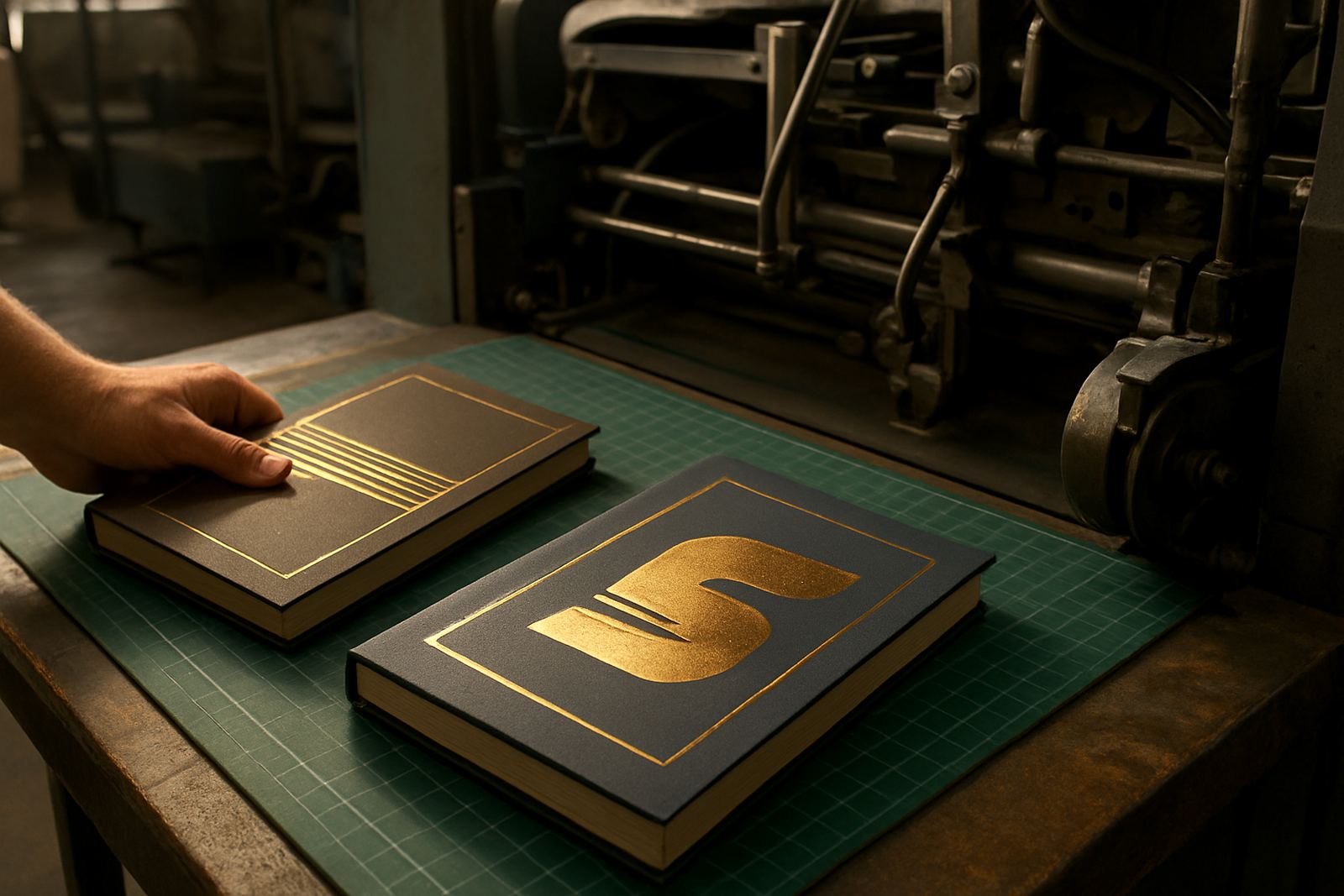
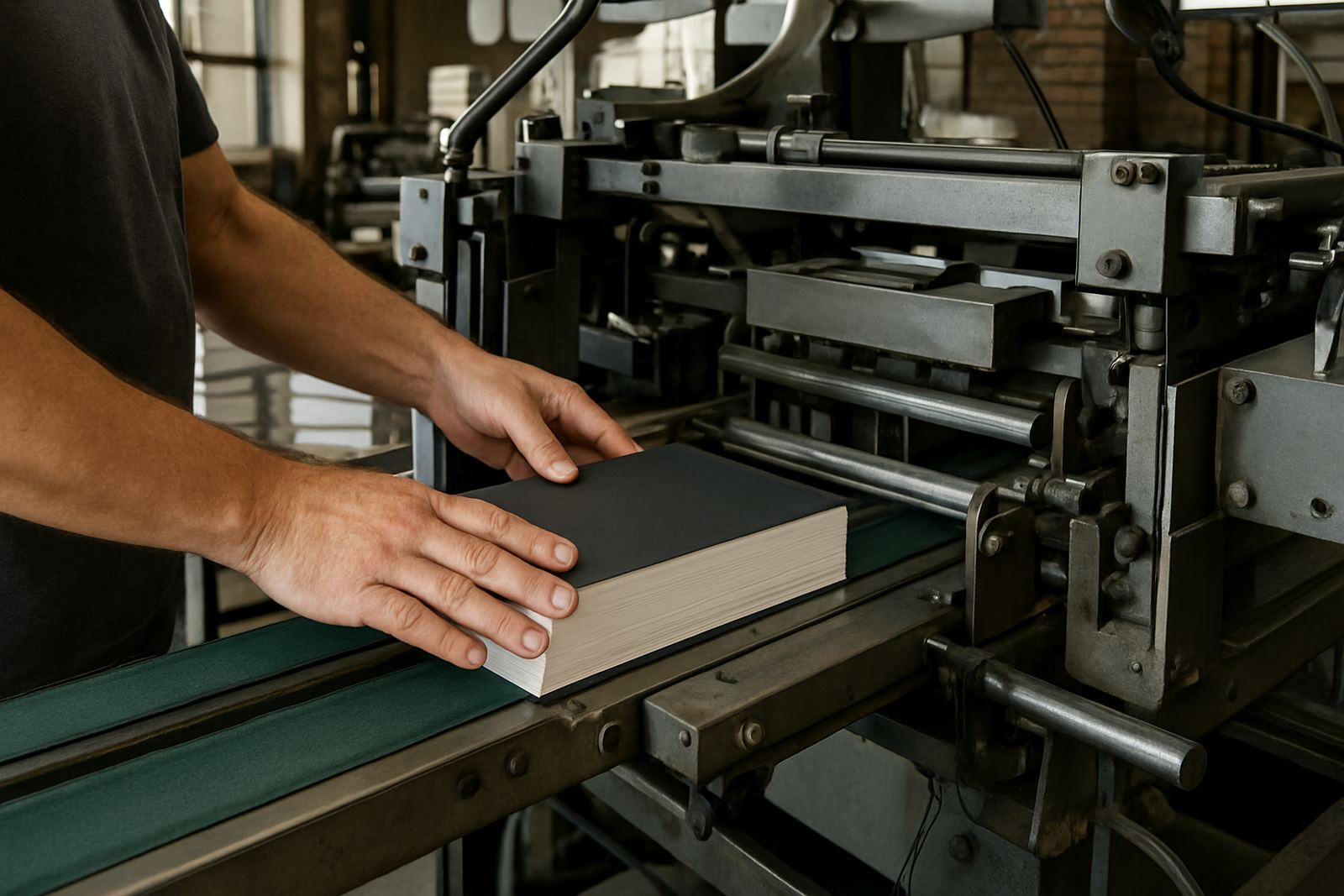
The binding itself can include milling or roughening the spine edge, applying adhesive, attaching the cover and trimming the book to final size. If your publication needs a better grip or a more durable finish, we can combine binding with cover lamination, foil finishing or section sewing on suitable projects.
- Prepress checks and imposition review
- Spine preparation and adhesive binding
- Cover attachment and three-side trimming
- Optional lamination, foil detail and packing for dispatch
Step-by-step from file check to packed cartons
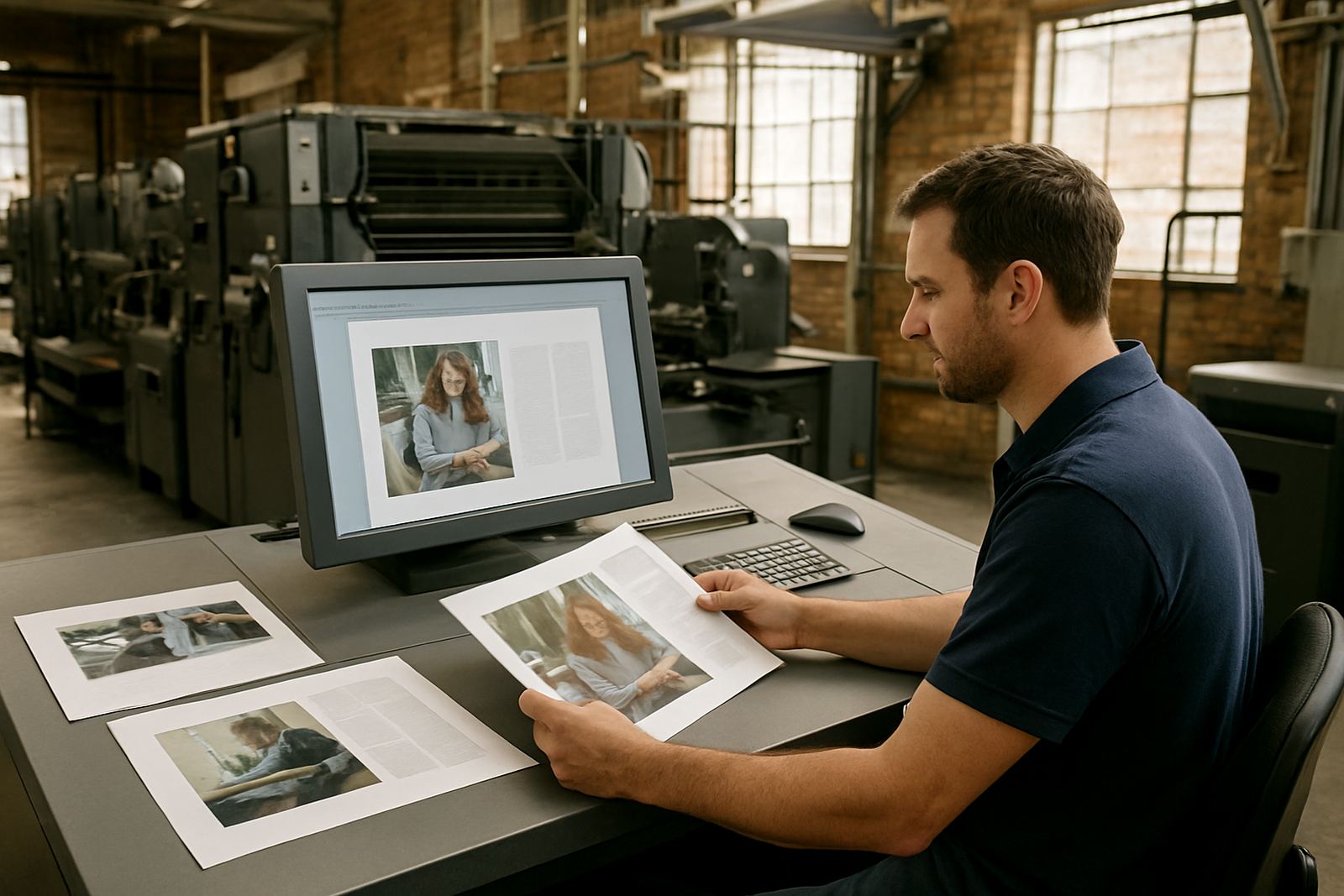
Every project moves through a clear production sequence so you know what is happening and when. First, our prepress team checks the artwork and page structure. Johan van der Merwe supervises this stage, making sure the spine calculation, image resolution and colour setup are suitable for the chosen paper and binding method.
Once files are approved, the print run goes to offset or flexo depending on the job specification. After printing, the sheets are allowed to settle before binding. The books then move to the bindery, where Farieda Adams coordinates finishing, and Siphamandla Ngwenya handles machine setup and binding quality on press. Final books are checked, packed and dispatched by the logistics team.
- File and layout check
- Print production
- Binding and trimming
- Final inspection, packing and delivery
Turnaround that matches publication schedules
Turnaround depends on page count, print quantity, paper choice and whether finishing extras are included. Simple perfect-bound books can move quickly once files are approved and stock is confirmed, while larger catalogues, magazines with inserts or titles needing lamination may take a bit longer. We plan around your release date, retail launch or distribution schedule so the finished stock is ready when needed.
Load-shedding, transport delays and supplier lead times can affect print plans in Johannesburg, so we keep clients updated early if timing changes. For urgent work, our production team will advise whether the job can be split into stages, printed in batches or moved to a different finish that suits the deadline better.
- Lead time depends on quantity, page count and finish
- Urgent jobs can sometimes be scheduled in stages
- We confirm packing and dispatch before collection or delivery
Pricing based on real production needs
Perfect binding pricing is usually based on the total number of finished copies, the page count, cover stock, spine width and any extra finishing. A 64 page catalogue on standard stock will price differently from a 192 page paperback with laminated cover and special trimming. We quote according to the actual production requirements so you get a fair figure that reflects the work involved.
For publishers and businesses ordering repeat runs, we can help you compare options between binding styles, paper grades and finishing methods. Sometimes a small change in stock or cover treatment can reduce cost without affecting presentation. Oupa Hlungwani oversees the business side with the team making sure the quotation matches the print brief.
- Quoted by page count, quantity and cover specification
- Finishing extras added only when needed
- Repeat work can be scheduled for better planning and cost control
Care, storage and maintenance for bound stock
Perfect-bound books are strong enough for normal reading and distribution, but they still need sensible handling. Store cartons flat in a dry area away from direct sun and damp walls. In coastal conditions, allow stock to acclimatise before opening sealed cartons, especially after road transport. This helps reduce waviness, cover curl and spine stress.
If the publication will be handled often, ask us about stronger cover stocks, laminated covers or section sewing for added durability. For annual catalogues and recurring magazines, we can recommend maintenance intervals for reprints, file updates and quality checks so the next run matches the previous one closely. Leanne Naidoo can also help plan dispatch windows for multi-site deliveries across Gauteng and beyond.
- Keep cartons flat, dry and out of direct heat
- Allow stock to settle before unpacking in humid areas
- Use laminated covers or sewn sections for heavier use
Key facts
| Binding type | Perfect binding with square spine |
|---|---|
| Common formats | A5, B5, 210 x 210 mm and custom sizes |
| Page range | Usually 48 pages and above, depending on paper and spine width |
| Cover options | Uncoated, matt laminated or gloss laminated covers |
| Paper stock | Coated or uncoated text and cover stocks |
| Delivery area | Industria, Johannesburg and nationwide delivery |