
What foil finishing does for a cover
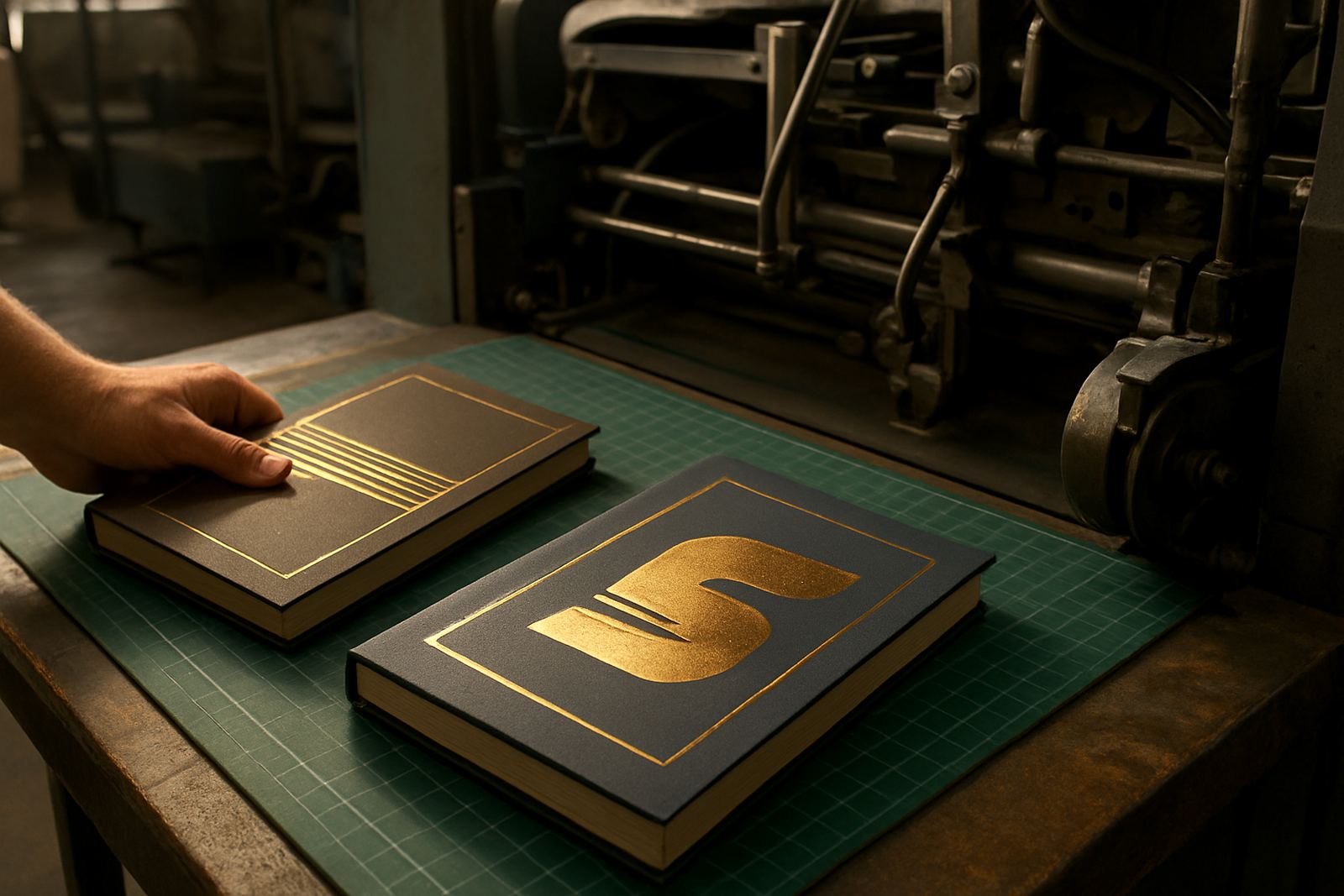
Foil finishing is used to add a sharp decorative detail to titles, logos, borders and special marks on covers. It gives a clean reflective or coloured effect that stands out on shelves, at launches and in store stacks. For publishers in Johannesburg, Pretoria, Sandton and further afield, it is often the right choice when the cover must look more considered without needing a full artwork change.
We work on coated and laminated covers, and we can advise on whether the foiled area should sit on a matte or gloss background for the best result. The finish can be kept subtle with a small title strike or used more boldly across the cover. The key is accuracy, and that means proper setup, pressure control and careful alignment from the first sheet. Small errors show up quick with foil, so the prepress stage matters alot.
- Suitable for hard covers and selected soft cover applications
- Works well on books, magazines, annual reports and presentation covers
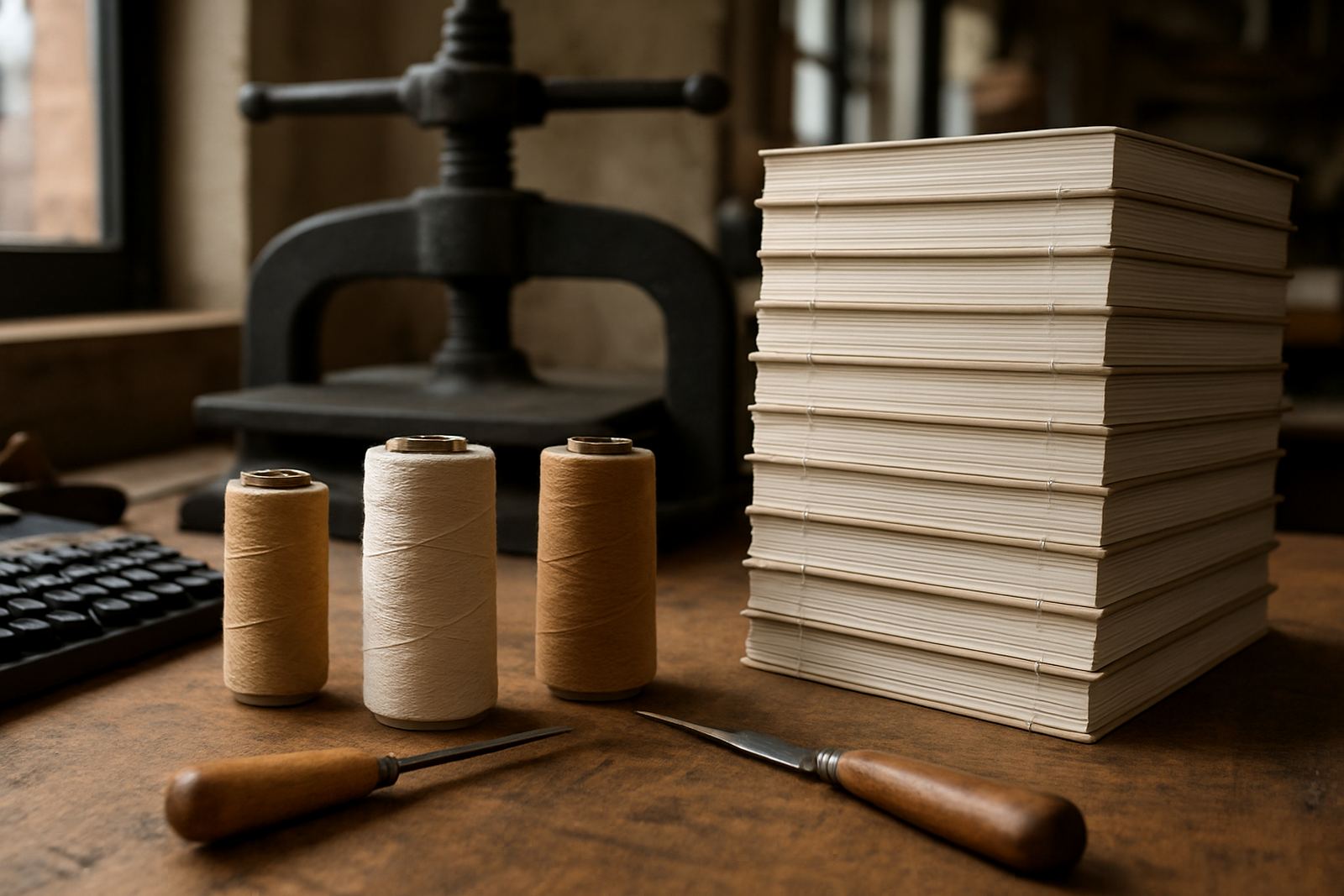
- Can be combined with case binding, perfect binding and section sewing
- Useful for first editions, premium runs and limited print quantities
Foil options and finishing details we apply
Our foil finishing service is set up for detailed cover work where the final look must hold up under handling, stacking and transport. We prepare the file, check line weights and confirm the areas that will take foil best. Thin lines can close up if they are too fine, so we guide customers on what will print and finish cleanly.
Typical specifications include foil coverage from small logo marks to larger title areas, with fine detail depending on artwork and substrate. We can work with flat foil panels, title-only applications and selected spot elements. For covers that need a stronger tactile feel, foil can be paired with raised detail on certain jobs, subject to approval and production method. On heavier stocks and case-bound books, the result is especially neat when the artwork has enough breathing room.
- Foil detail on spine, front cover or back cover
- Metallic, coloured or specialty finish effects, subject to job spec
- Best results on sealed or laminated surfaces
- Recommended minimum line weight: 0.25 mm for clear results
- Recommended minimum text size: 6 pt for plain artwork and 7 pt for reversed detail
How we run the foil finishing process
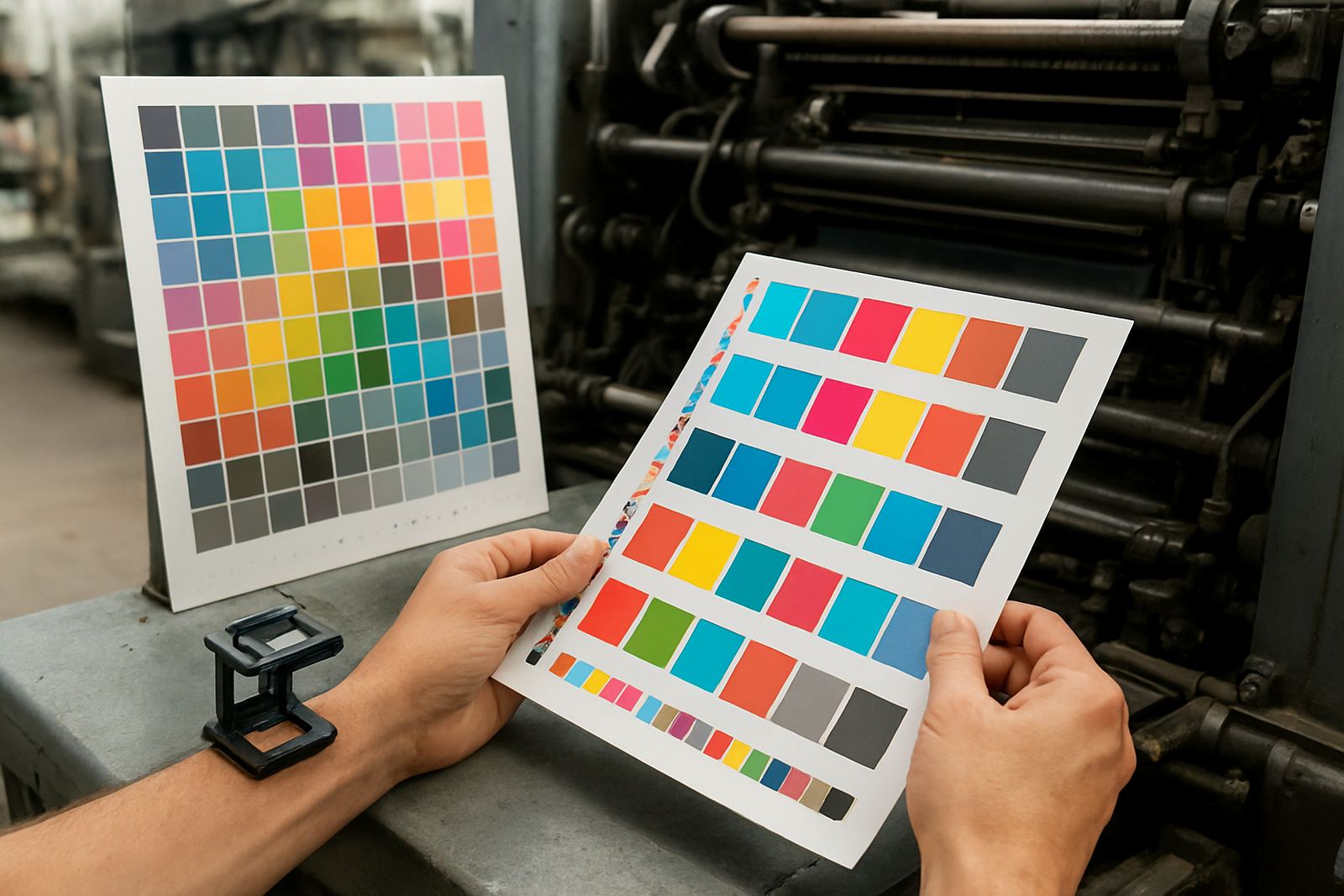
We start with a prepress check on the supplied artwork and confirm the foil shape, placement and size. If the job is for a publisher with multiple titles, we make sure each title version is tracked properly so the wrong plate or die is never used. After sign-off, we prepare the tooling, set the press, and test alignment on sample sheets before the full run begins.
Once the base printed sheets are ready, the foil is applied under controlled pressure and heat. This step must be managed carefully because paper, board, coating and humidity all affect the result. Johannesburg conditions are usually more stable than some coastal areas, but during wet weather or summer humidity we still allow for material adjustment. Finished pieces are checked for clean edges, even adhesion and consistent shine before packing.
- Artwork check and file confirmation
- Tooling setup and position approval
- Test impression on production sheets
- Full foil application and in-line inspection
- Final packing and dispatch from Industria
Turnaround times and delivery across South Africa
Turnaround depends on the size of the run, the number of foil areas and whether the job is going onto hard cover, soft cover or a mixed publication pack. Small repeat jobs can move quickly once the setup is approved. Larger publisher orders, especially when tied to offset printing, binding and packing, need a firmer production window so every stage lands in sequence.
As a guide, straightforward foil jobs on ready stock can often be completed within a few working days, while more detailed runs may need longer for tooling and finishing checks. We plan around real production conditions, including load-shedding scheduling, municipal delivery access and dispatch timing for Gauteng and outlying provinces. Deliveries go to publishers nationwide, with regular service into Johannesburg Central, Randburg, Midrand, Roodepoort, the East Rand and Pretoria.
- Rush jobs available subject to artwork approval and capacity
- Best to allow extra time for first-off titles or new designs
- Dispatch can be coordinated with binding and packing stages
- Nationwide delivery arranged from Industria, Johannesburg
Pricing approach for foil work
Foil finishing is priced according to area coverage, quantity, tooling requirements, substrate type and whether the job is a one-off or repeat run. A small title on a magazine cover will cost less than a full front panel on a case-bound book. We keep pricing practical and itemised so publishers can budget properly before release.
For regular clients, the most efficient pricing usually comes from repeated formats and steady volume. Short runs with frequent changes need more setup per title, while larger identical runs spread the cost better. If a cover needs multiple foil positions or a complex layout, we will explain the labour and material impact before production starts. That way there are no surprises after approval.
- Quotation based on area, quantity and tooling
- Separate costing for special setups or repeat plates
- Best value on consistent title formats and longer runs
- Option to combine with printing, binding and dispatch for one schedule
Maintenance and handling after finishing
Foil finishing does not need complicated maintenance, but it does need proper handling. Freshly finished covers should be allowed to rest before heavy packing or tight wrapping, especially on jobs that move into binding soon after finishing. If the books are being stored before release, keep them in a dry, cool room away from direct sun and damp floors.
For recurring publisher titles, we also recommend checking whether the artwork plate or die still matches the current edition every print cycle. A small change in title length, logo size or layout can affect the finish and cause avoidable waste. On shelf-facing publications, a quick recheck before each reprint helps keep the presentation consistent from run to run.
- Allow cooling and settling time before bulk stacking
- Store flat, dry and away from direct heat
- Reconfirm artwork on repeat editions
- Inspect a sample from each batch before dispatch
Key facts
| Finish types | Metallic, coloured and specialty decorative foil |
|---|---|
| Typical applications | Book covers, magazine covers, annual reports, presentation covers |
| Minimum text size | 6 pt, or 7 pt for reversed detail |
| Minimum line weight | 0.25 mm recommended |
| Compatible jobs | Offset printed, laminated, case bound, perfect bound and section sewn work |
| Service area | Industria, Johannesburg and nationwide delivery |