
Start with the book format and final use
Before any files are sent for print, decide exactly what the book must do. A 96 page catalogue has different needs to a 320 page novel, and a short-run training manual is handled differently again. Think about who will read it, how often it will be opened, and whether it must lie flat on a table or survive daily use in the field. In Johannesburg, where books may move from office use to courier delivery the same week, format choices matter more than many people expect.
Set the trim size early, confirm the page count as close as possible, and choose whether the book will be black only or full colour. If the publication will be sold nationally, allow for binding strength, packing and the extra handling that comes with delivery to Cape Town, Durban, Gqeberha or smaller inland towns. A clear brief saves time at prepress and helps avoid rework later.
- Confirm trim size, page count and paper grade
- Decide on black only or colour pages
- Plan for retail sale, internal use or event distribution
- Allow extra time if content is still being edited
Choose the right print method for the run
Offset printing is usually the best fit for longer runs where consistent colour and sharp text matter from the first copy to the last. It suits publishers, annual reports, magazines and books with repeat orders. Flexo printing is useful for certain packaging and related print work, but for most book projects the choice comes down to offset, binding style and finishing requirements. The right method depends on quantity, page count, paper and deadline.
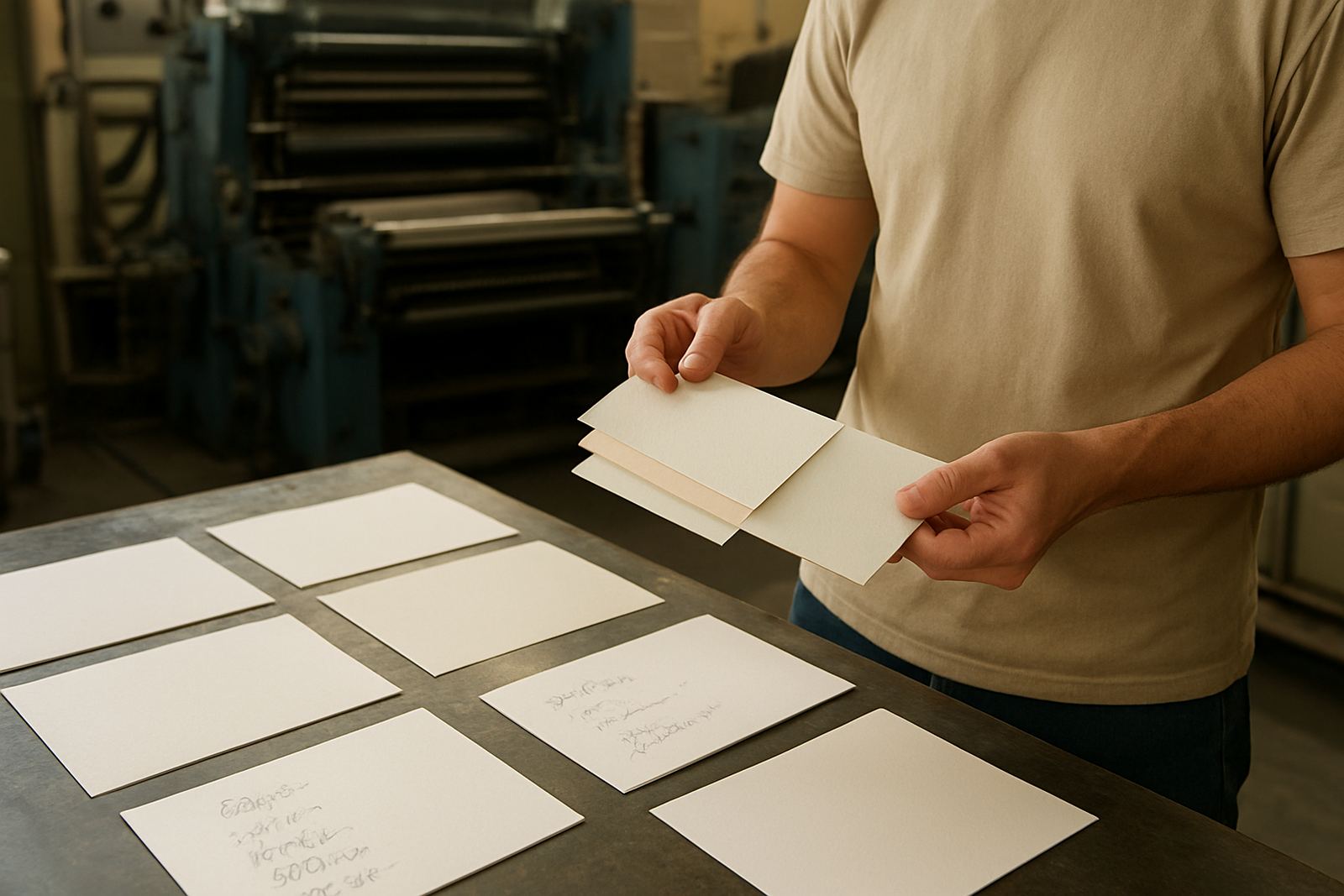
If you are printing a short run for a launch, staff training or a limited audience, ask for a costing that matches your actual quantity. Printing too few copies can push up the unit price, while printing too many can leave stock sitting in storage. In South Africa, where distribution costs can change quickly, it helps to plan the print run around realistic demand, not just hopeful sales figures.
- Use offset for larger or repeat runs
- Match the print method to the quantity and paper stock
- Ask for unit cost at different quantities
- Consider storage and distribution before ordering extra copies
Prepare files for clean prepress checks
Prepress is where most avoidable problems are caught. Check that images are high enough resolution, page numbers are in the right place and all margins are consistent. Bleed is important for full-page colour, and all fonts should be embedded or outlined as needed. A missing spread or a page set up the wrong way round can hold up the whole job, especially when a print schedule is already full. One small error can affect a whole section, so the file must be checked carefully.
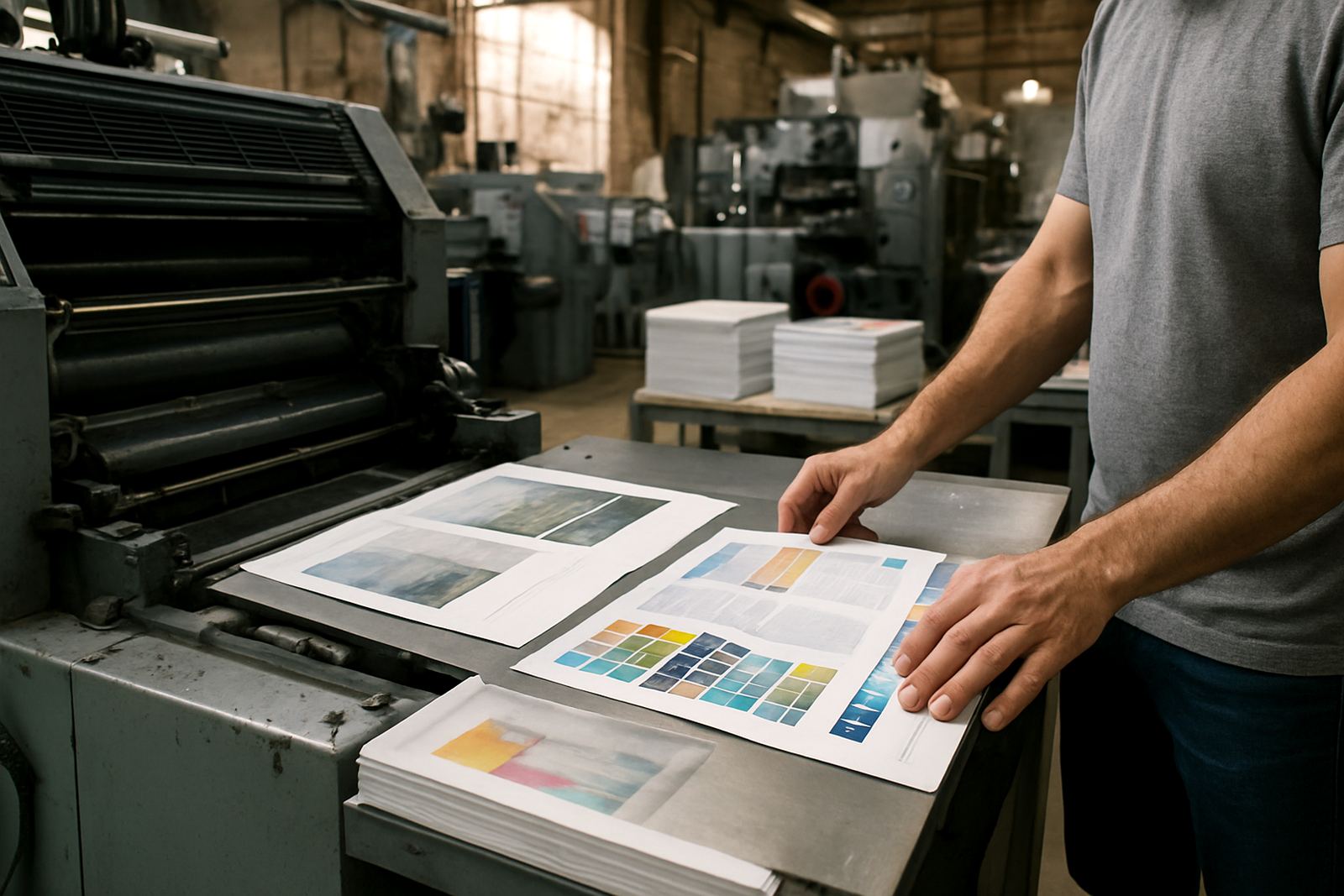
Good file preparation also helps with colour proofing. A monitor can only show so much, but a printed proof shows how the final pages will behave on the chosen stock. This is especially useful for covers, photos and pages with heavy ink coverage. If the book is for a publisher, author or company in another province, ask for proof approval before production starts so that there are no surprises when the job reaches bindery.
- Use the correct page size with bleed
- Keep images sharp enough for print
- Check page order, margins and page numbers
- Approve proofs before the main run starts
Select the binding that suits the page count
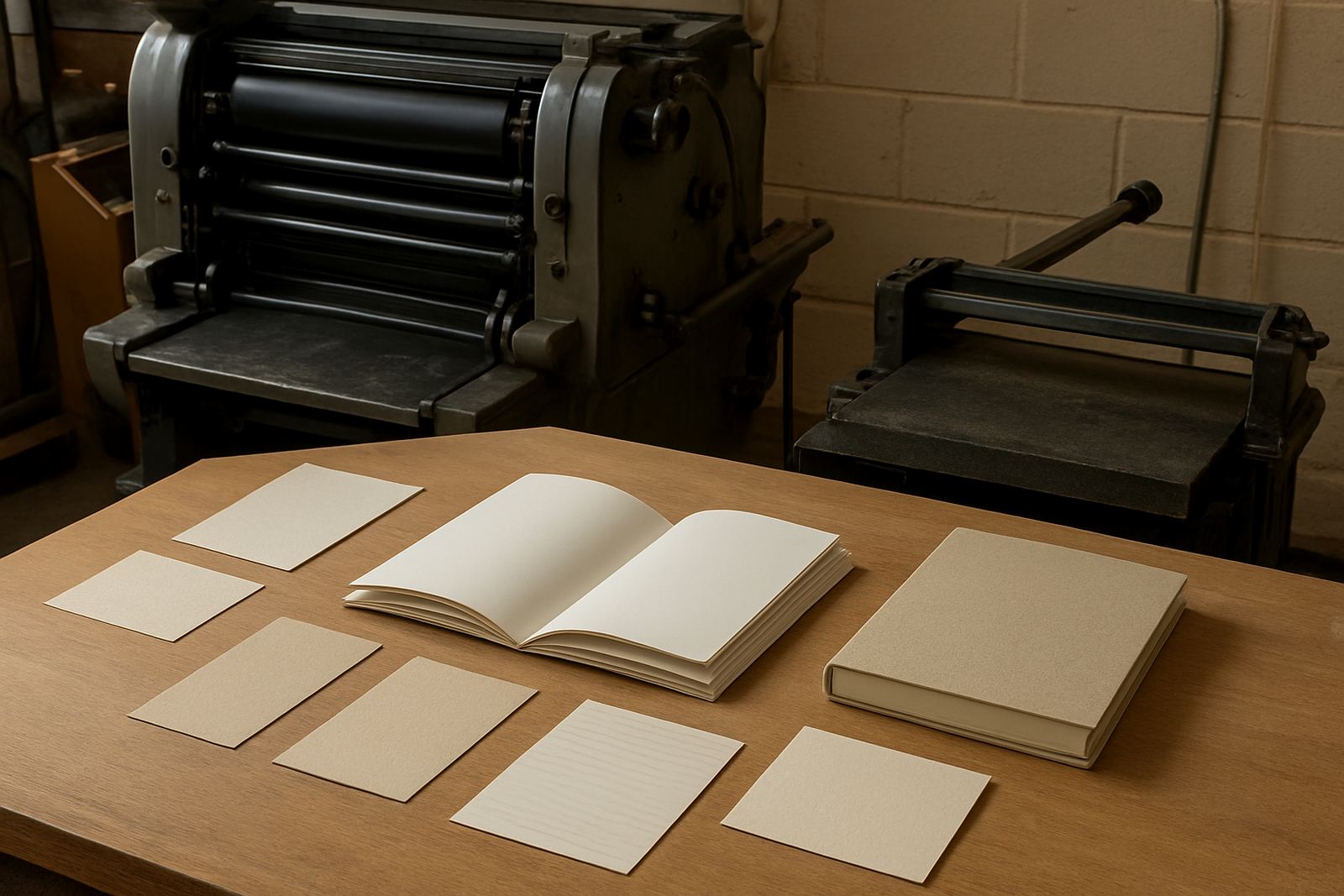
Binding changes the feel, lifespan and price of the book. Saddle stitching works well for slim booklets, magazines and brochures with a lower page count. Perfect binding gives a cleaner spine and is common for novels, manuals and reports. Case binding is the better choice when the book must last longer, such as reference material, premium publications or keepsake editions. Section sewing adds strength and is useful when the pages will be opened often. The wrong binding can make a book look tired quickly, so this step needs proper thought.
Also consider how the book will be handled after print. If it will be mailed, packed in bulk or used in humid coastal areas, binding strength and cover finish become more important. A laminated cover can help with scuff resistance, while a sewn or cased book can handle frequent use better than a basic glued option. For long books, a strong spine matters much more than many clients realise.
- Saddle stitch for slim publications
- Perfect bind for most standard books
- Case bind for premium or long-life use
- Section sew for stronger opening and durability
Add finishing that protects and presents the content well
Finishing is not just for looks, it protects the publication and makes it easier to handle. Cover lamination helps against moisture, fingerprints and everyday wear, which is useful in Johannesburg offices and in coastal areas where humidity can affect paper. Foil finishing gives a more formal presentation on covers or spine details, while die cutting can create a shaped window, thumb notch or special cover feature. These choices should support the content, not distract from it.
Keep the finish practical. A training manual might need a hard-wearing laminated cover, while a magazine may need only a neat stitched bind and clean trim. If the publication is moving through schools, retailers or trade events, the packing should be as carefully planned as the print itself. The right finish helps the book arrive looking the same as when it left the press, not bent or marked in transit.
- Choose lamination for protection
- Use foil sparingly for a formal touch
- Consider die cutting for special cover features
- Match the finish to handling and storage conditions
Plan dispatch so the books arrive in good condition
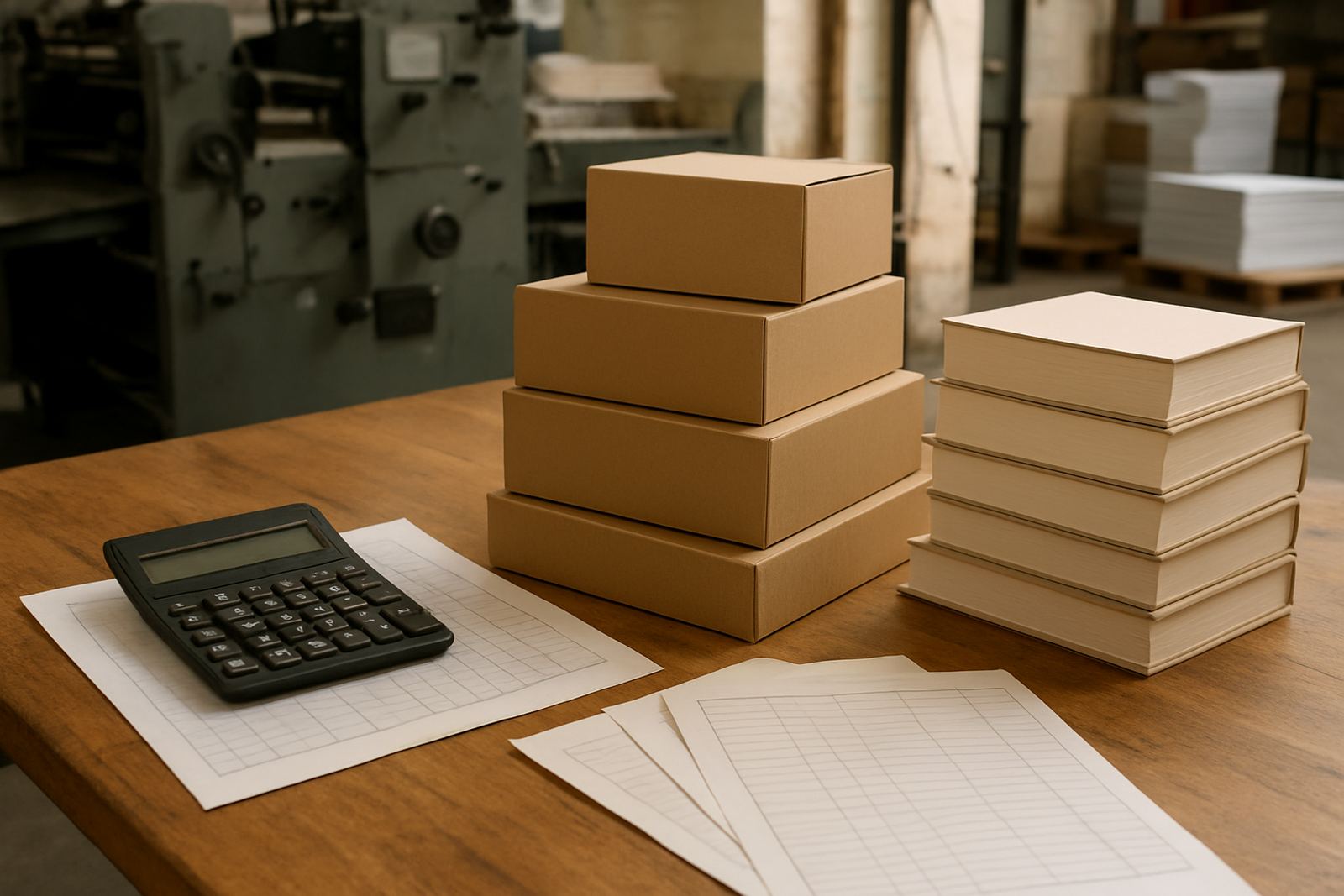
Once the books are printed and bound, packing and dispatch become the final step that protects the whole project. Books should be counted, packed by title or batch, and wrapped for transport so corners do not crush in delivery. If the order is going to multiple branches or customers across South Africa, clear labelling helps avoid delays and mistakes. A well-planned dispatch note can save hours at receiving.
In practical terms, publishers should also consider where stock will be delivered and who will unpack it. Books going to Sandton offices, Randburg distributors or Pretoria institutions may need different packing quantities from bulk stock headed to a warehouse. If load-shedding or weather may affect timing, build a little flexibility into the schedule so dispatch does not become a rush at the last minute. Leanne Naidoo in logistics would tell you the last mile often decides how smooth the job feels.
- Count and bundle books by title or batch
- Use protective packing for corners and spines
- Label delivery points clearly for nationwide orders
- Allow extra time for receiving and distribution