
Start with the purpose, not just the page count
Before you ask for pricing, work out what the print is meant to do. A limited launch title needs a very different quantity from a magazine that sits on shelves for months or a manual handed out at workshops. At Printing House in Industria, Johannesburg, we help publishers, authors and businesses match quantity to use so they do not tie up cash in cartons that sit too long. A 500 copy run may be right for a test release, while a 5 000 copy run makes sense when the title already has repeat demand.
As a simple rule, think in groups: immediate need, likely repeat orders, and a small buffer for damaged copies or late requests. If you are printing for a nationwide audience, also factor in delivery to Johannesburg Central, Sandton, Randburg, Roodepoort, Midrand, Pretoria and the East Rand, because stock moving between locations needs a bit of breathing room.
Use this quick quantity planning method
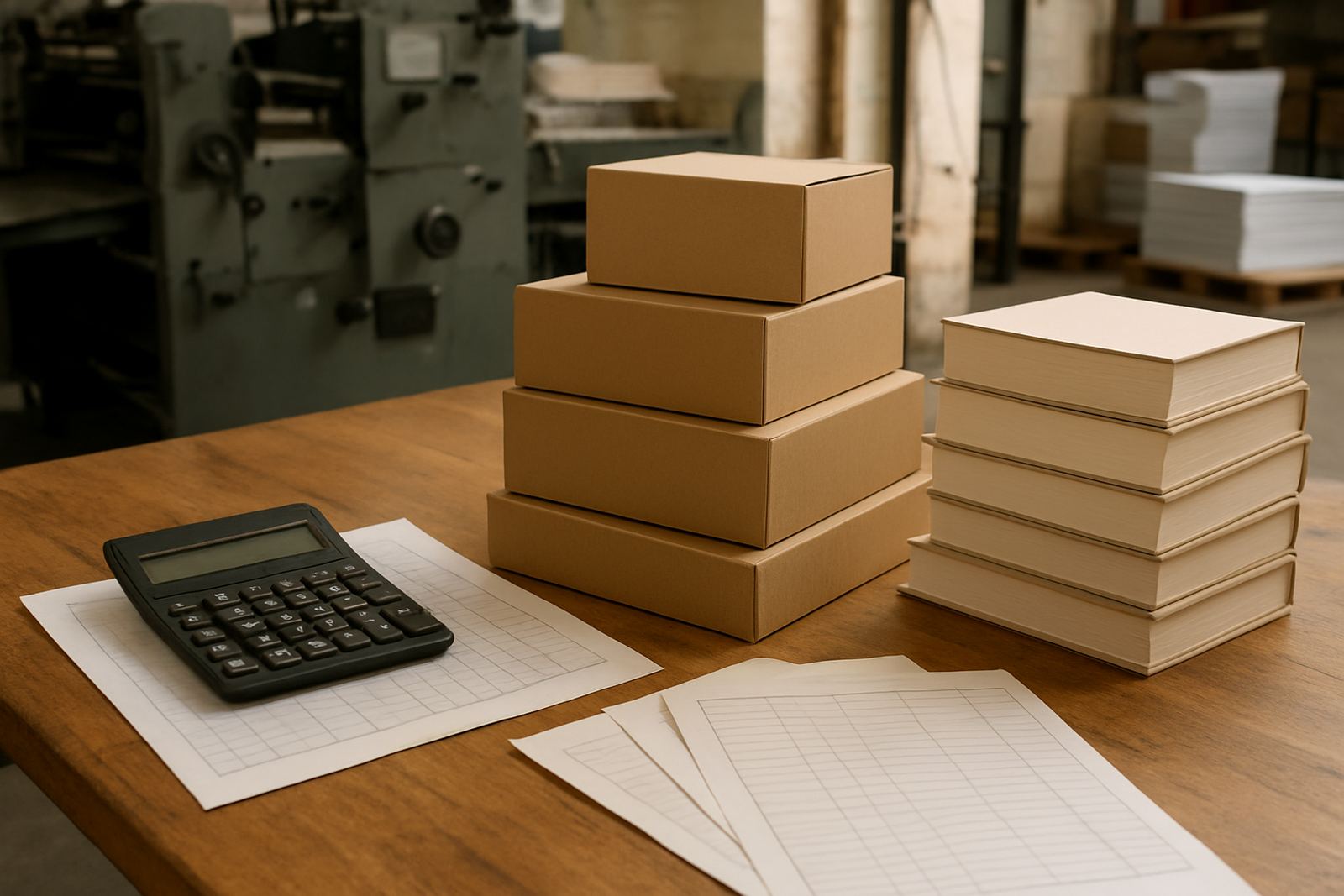
A sensible quantity comes from four questions: how many copies you need now, how many you expect to sell or distribute in the next 3 months, how many should remain for reorders, and how many extra copies cover spoilage, review copies or replacements. For book printing and magazine printing, it is better to allow a modest buffer than to stop short by 30 or 40 copies after dispatch has started.
- Count confirmed orders first, then add forecast sales for the next cycle.
- Add 5% to 10% for launch stock, replacements and packing losses.
- Round up to an efficient press quantity where possible.
- Separate copies for retail, direct supply and archive records.
If your publication goes to schools, training teams or franchise outlets, build quantities around each site rather than one combined number. That makes distribution cleaner and helps with reprints later on.
Typical quantity ranges for common South African uses
There is no fixed rule for every title, but these ranges are a practical starting point. Small launches often sit between 250 and 1 000 copies. Ongoing sales titles usually start from 1 000 to 3 000 copies if there is regular movement. Membership magazines and internal publications can range from 300 to 10 000 copies depending on the list size and whether you mail or hand out copies. Training books and manuals often work well from 100 to 2 000 copies, especially when content changes often.
For flexo printing, lower grammage product runs can be efficient at higher volumes, while offset printing usually gives strong results for book and magazine work across medium and larger quantities. The right number depends on your paper choice, finishing and how often the content changes. A perfect bound title for annual sales should not be planned the same way as a saddle stitched event booklet that expires after one month.
When to print low, medium or high quantities
Low quantities suit pilot editions, first print tests and short shelf-life content. Medium quantities are best when you have proven demand and want enough stock for a steady sales period. High quantities make sense when there is a large confirmed audience, a national rollout or strong repeat demand. The key is to avoid overprinting on titles that may need updates soon, because reworking old stock costs more than people expect.
At Printing House we often advise clients to check not only sales numbers but also storage, dispatch timing and finishing requirements. A title with foil finishing, case binding or section sewing needs careful handling, and it is worth planning stock flow around production lead times, especially during load-shedding periods or busy month end schedules. A print run that looks cheap on paper can become costly if it clogs your storeroom.
- Short-term event use: keep it lean and print close to issue date.
- Retail sales: allow for repeat demand and reorders.
- Training use: print enough for each venue plus spare copies.
- Membership or annual reports: match numbers to your verified list.
Check the production factors before you lock in numbers
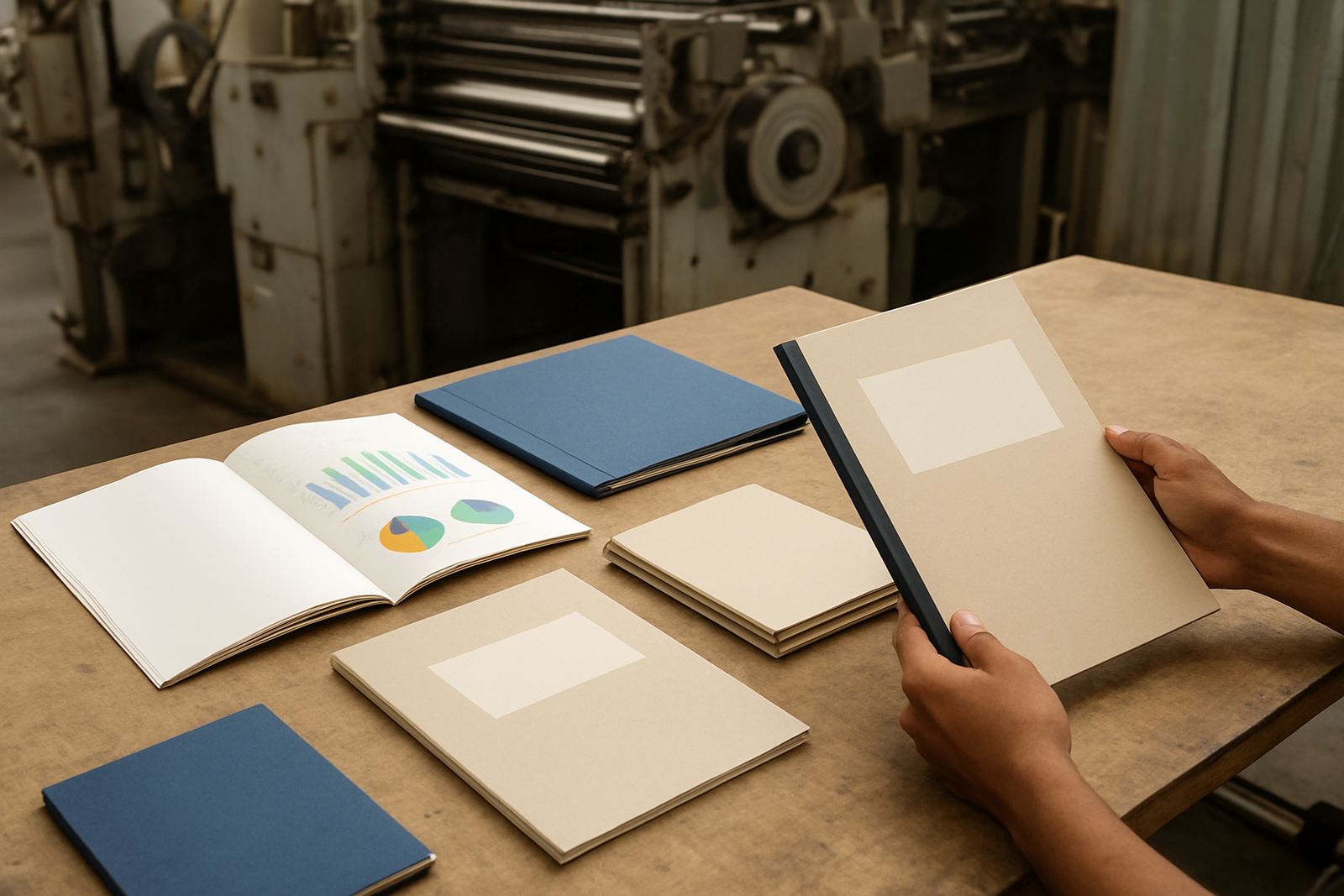
Quantity is linked to finishing, colour requirements and binding style. A cover with lamination, die cutting or foil finishing may need extra care in packing. Saddle stitching suits slimmer booklets, while perfect binding and case binding are better for thicker publications and higher perceived value. Prepress checks and colour proofing also matter, because mistakes on a large run cost more than a corrected short run. It is better to catch a typo on the proof than on 3 000 copies.
Team roles matter too. Johan van der Merwe handles prepress checks, Busisiwe Motaung oversees production, Farieda Adams coordinates bindery, and Leanne Naidoo plans dispatch so the quantity ordered can be stored, packed and sent without avoidable delays. For clients in coastal areas, humidity can affect paper handling and binding, so quantity planning should include realistic turnaround and packaging protection.
A practical checklist before confirming your print quantity
Use this checklist to confirm the right quantity before production starts. It helps keep the run practical and reduces the chance of overordering.
- Confirmed copies needed for launch or distribution.
- Expected sales or issue cycle for the next 3 months.
- Allowance for damaged or replacement copies.
- Storage space available at your office or warehouse.
- Finishing type, binding style and paper choice.
- Delivery points in Johannesburg or nationwide.
- Any content changes that may force a reprint sooner.
If you are unsure, start with a moderate run and review the numbers after the first distribution cycle. That approach suits publishers, authors and businesses who need control over costs and still want enough stock on hand. It also keeps cash available for the next title instead of sitting in unused cartons.
How Printing House supports quantity decisions
Printing House operates from Industria, Johannesburg, with nationwide delivery for publishers and businesses that need dependable print supply. Under the direction of MD Oupa Hlungwani, the team works across offset printing, flexo printing, prepress checks, colour proofing, binding and finishing to help clients choose quantities that fit the job. From Randburg to Pretoria and Midrand, we handle publication work for local and out of town deliveries alike.
When you submit an enquiry through the contact page, the team can help you compare quantity options against cost, timing and finishing. That way your print run is planned around real use, not guesswork. It saves storage space, reduces waste and keeps your publication moving where it needs to go.