
Why packaging matters before the truck leaves Industria
Finished books and magazines can take a knock during loading, line-haul travel, warehouse handling, and final delivery. If cartons are packed badly, corners crush, covers scuff, and bundles shift inside the box. That creates avoidable losses, rework, and complaints from retailers or distribution teams.
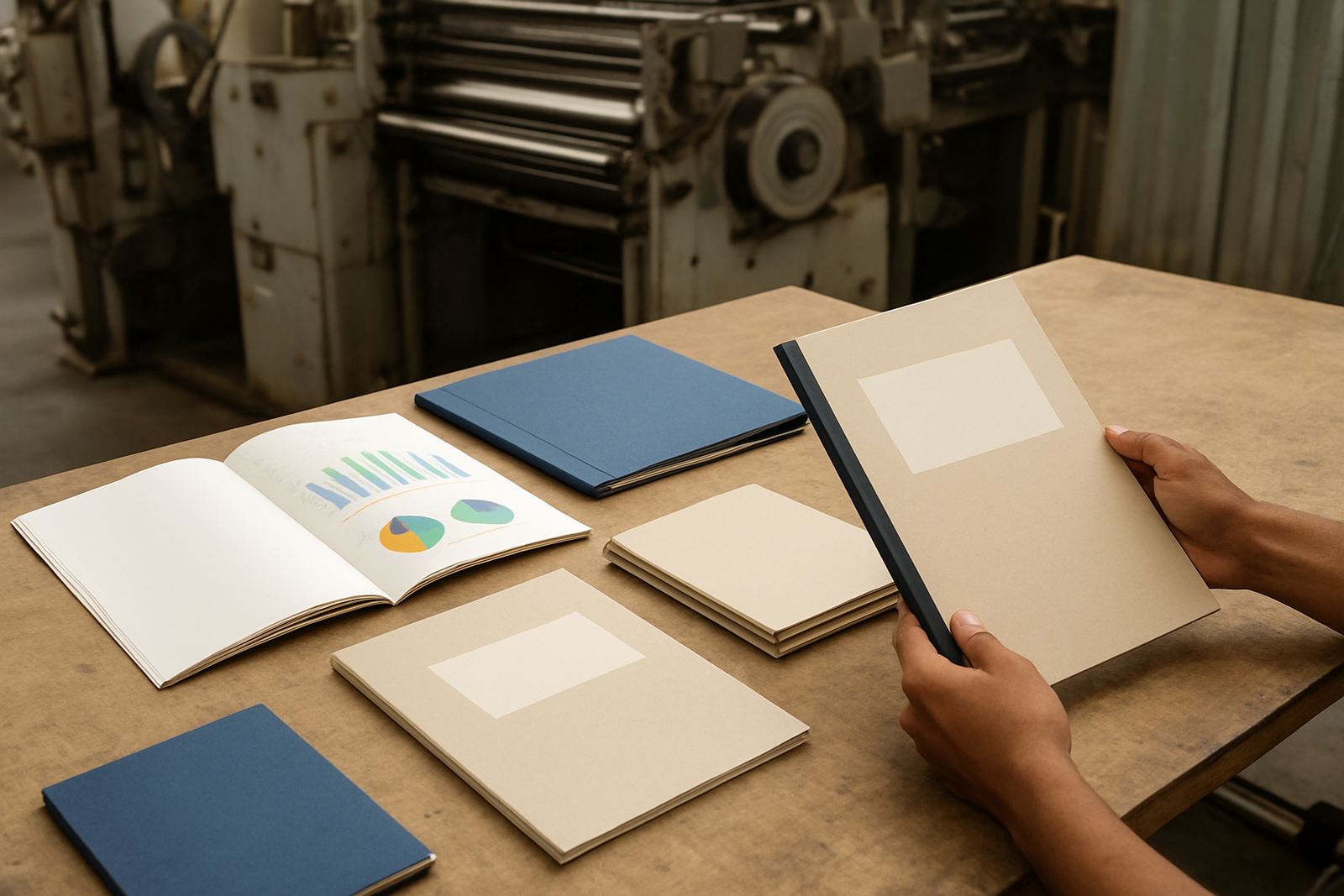
At Printing House, dispatch packing is treated as part of production, not an afterthought. Whether the job is saddle stitched magazines, perfect bound trade books, or section sewn titles with hard covers, the aim is the same: keep each copy in saleable condition until it is unpacked. In Johannesburg traffic and on long provincial routes, that extra care makes a real difference.
Choose the right pack format for the product
Different publications need different pack methods. A light magazine run does not need the same support as a heavy case bound book order. The carton size, internal packing, and stack height should suit the item, the delivery route, and how long the stock may sit in storage before distribution.
- Use snug cartons so books do not slide around during transit.
- Keep magazine bundles flat and even to prevent corner curl.
- Separate different editions, sizes, or quantities clearly.
- For heavier books, reduce carton weight so lifting stays manageable.
- Use stronger outer cartons for coastal deliveries where moisture can be higher.
For long-distance loads going out to Cape Town, Gqeberha, or Pietermaritzburg, a tighter pack spec is often worth the small extra cost. It reduces damage and keeps stock cleaner. Even in dry weather, dust and compression can mark covers, so a neat internal pack helps more than people think.
How to wrap, bundle, and layer the stock
Inside the carton, the stock should be arranged so the weight is spread evenly. Bundles need to lie flat and not bow. If a title has glossy covers or foil finish, protect the printed surface from rubbing against hard edges or tape. A small slip here can mean a whole carton looks tired before it reaches the client.
For magazine work, count the bundles carefully and keep them in consistent counts per carton. For books, alternate the spine direction only where it improves stack stability, and never force too many units into one box. Too much pressure can dent corners and stress the binding.
- Use clean wrapping material where extra surface protection is needed.
- Keep bundle counts consistent across every carton in the same batch.
- Do not mix short counts with full cartons unless clearly marked.
- Place heavier books at the bottom and lighter items above, when stacked in one outer pack.
- Check that no loose dust, chips, or offcuts remain inside the carton before sealing.
Label every carton so receiving teams can work faster
Clear labels save time at receiving, especially when stock is going to multiple branches or distributors. Every carton should be easy to identify without opening it. That matters for publishers handling mixed titles, multiple print runs, or staggered dispatches to Sandton, Randburg, Midrand, and Pretoria.
At minimum, the outside of the carton should show the title, edition or issue, quantity, carton number, and destination. If a load contains more than one pallet, the pallet label should match the carton details. Simple and consistent marking also helps when stock is stored after delivery and counted later.
- Mark carton numbers clearly, for example 1 of 18, 2 of 18, and so on.
- Show whether the pack contains books, magazines, or mixed inserts.
- Note any special handling such as this side up or keep dry.
- Use one numbering system across the whole order so nothing gets split up by mistake.
Palletising for safer transport and warehouse handling
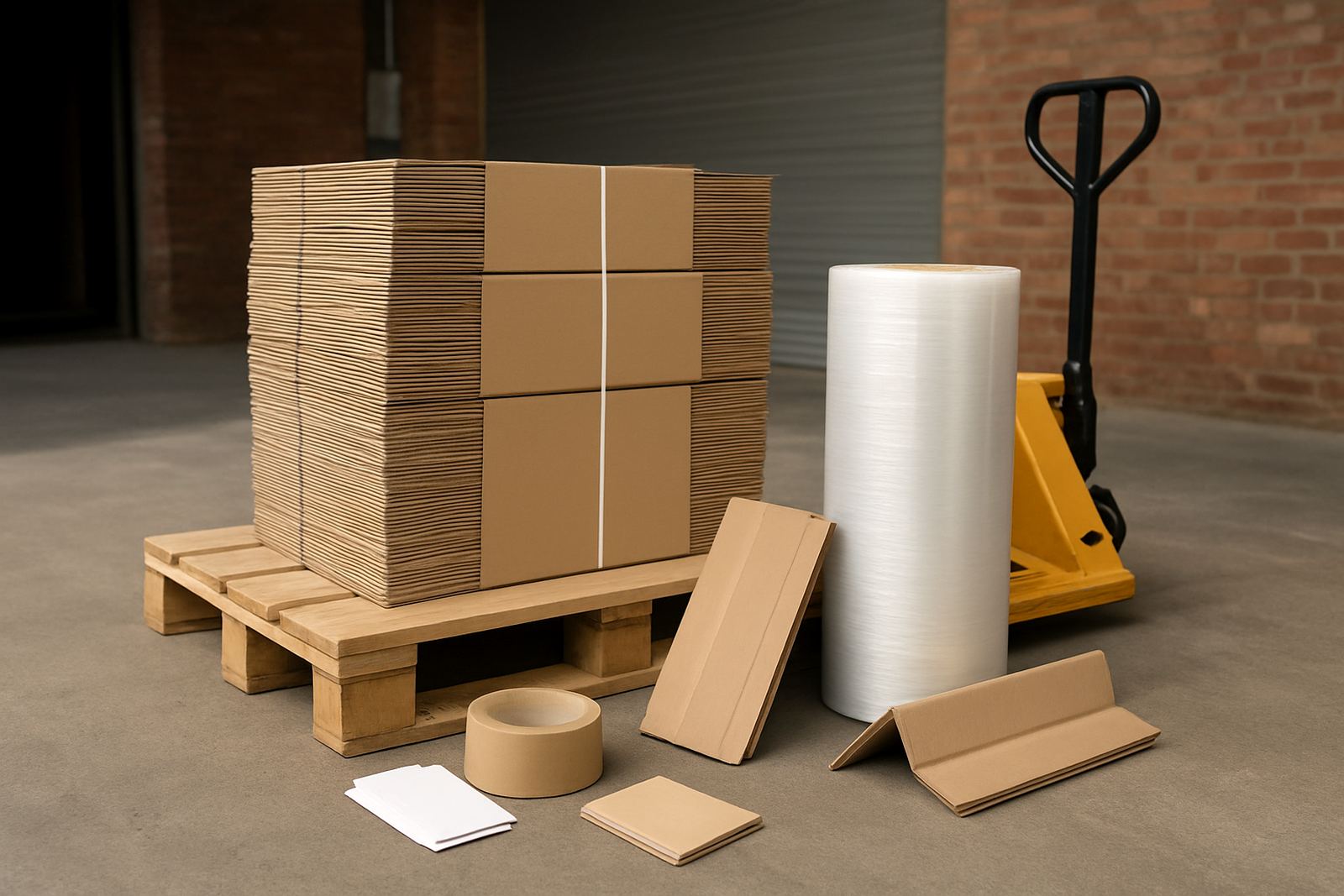
When stock moves in larger volumes, palletising is usually the safest option. It keeps cartons off the floor, makes loading quicker, and helps protect against damp surfaces in storage areas. For publishers with regular intake in Industria, Johannesburg Central, or Roodepoort, pallets also make receiving neater and easier to track.
Cartons should be stacked squarely on the pallet, with the weight distributed evenly. Overhang should be avoided where possible because it leaves edges exposed to knocks. If the load is wrapped, the wrap needs to hold the stack firmly without crushing the cartons underneath. In summer heat or during load shedding periods when warehouse movement can be slower, a stable pallet is less likely to shift while standing overnight.
- Keep the stack straight with no leaning sides.
- Do not build pallets too high for safe offloading.
- Separate different titles or destinations onto different pallets where possible.
- Use corner support on heavier loads to protect the outer cartons.
Storage checks before dispatch and after delivery
A good dispatch pack should also be easy to store. Finished books and magazines may sit in a warehouse for a few days before collection or delivery. During that time, they need protection from moisture, dust, and floor contact. In Gauteng, dry conditions are common but temperature swings and dust can still affect stock, and coastal orders need even more care.
Before dispatch, check that cartons are dry, sealed, and clearly labelled. Once the load arrives, the receiving team should inspect the pallet count, carton count, and visible condition before signing off. If anything looks crushed or wet, it should be noted straight away so there is a proper record. That makes follow-up easier and saves arguments later on.
- Keep cartons off bare floors and away from standing water.
- Store finished stock in a clean, dry area with stable stacking.
- Check that the outer wrap is still intact after loading and offloading.
- Open a sample carton if needed to confirm counts and condition.
A simple dispatch checklist for publishers
Before any publication leaves the bindery, a short final check can prevent costly problems. It does not take long, but it should be done carefully. A reliable checklist also helps when several jobs are leaving on the same day and different destinations need separate cartons or pallets.
Use this as a practical last step before collection or delivery. If one item is missed, the load can still go out but the risk rises. Better to pause for five minutes than to unpack and repack damaged stock later.
- Correct title, edition, and quantity checked.
- Binding style confirmed against the order.
- Cartons sealed properly and labelled clearly.
- Pallets stable and wrapped where needed.
- Destination details matched to the dispatch note.
- Any special handling notes visible on the outside.
For publishers sending books and magazines nationwide, proper packing is part of print quality. It protects the work done in prepress, on press, and in bindery, and it helps the final product arrive ready for shelves, storerooms and distribution.