
Start with the job, not the binding method
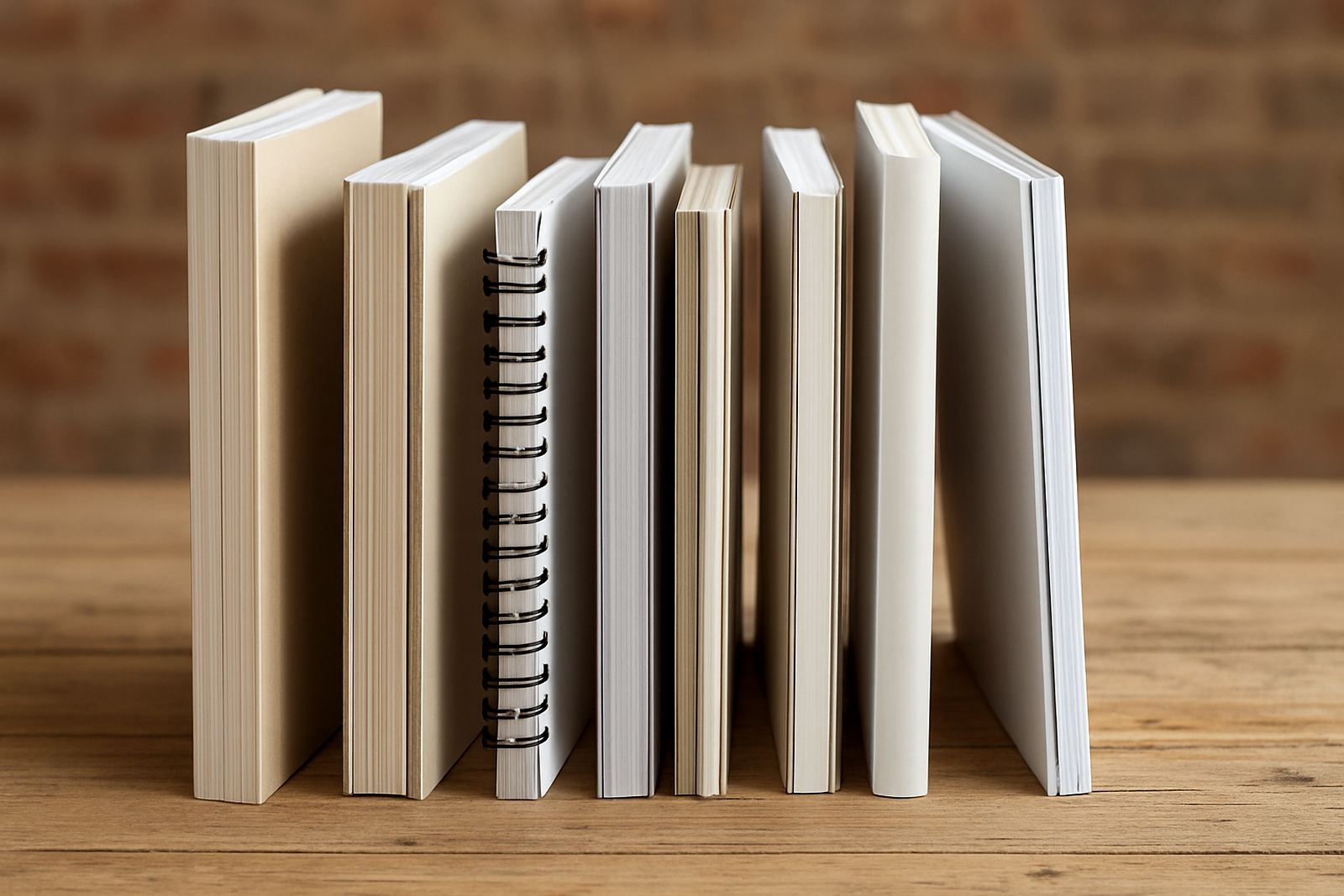
Before you choose a binding style, look at the page count, paper weight, size and how the publication will be used. A 32 page magazine for a month-end mailing has very different needs from a 240 page training manual that will sit on a shelf in Johannesburg or travel between branches in Pretoria and Midrand. The right option balances appearance, turnaround time and budget.
At Printing House, we usually begin with three questions: how flat must it open, how often will it be handled, and does it need a premium finish for clients or retail sales? That simple check avoids waste and helps keep trimming, folding and binding in line with the final use.
- Count the pages in multiples that suit the chosen method
- Check whether the stock is coated, uncoated, or a mix
- Confirm if the book must lay flat for reading or writing
- Decide if the cover needs lamination, foil or a stronger board
Saddle stitching for magazines, brochures and slim booklets
Saddle stitching is the most common choice for magazines, newsletters and short reports. The folded sections are gathered inside one another and stapled through the spine. It is neat, fast and cost effective for thinner publications, usually up to around 64 pages depending on paper thickness. For projects moving quickly through Industria, Sandton or Randburg, it is often the best balance between price and presentation.
It works well when you want a clean spine fold and a light finished product. Keep in mind that very thick saddle stitched books can creep, where the inner pages push out further than the outer pages. That is why page count and paper choice matter so much. A good prepress check will also confirm creep allowance and fold direction before the job goes to press.
- Best for: magazines, catalogues, school newsletters, small programmes
- Typical strength: light to medium use
- Finish tip: add cover lamination for extra scuff resistance
- Watch for: page creep on heavier stock or larger page counts
Perfect binding for thicker publications and reports
Perfect binding uses glue along the spine, with the cover wrapped around the text block. It gives a square, polished look that suits thicker magazines, annual reports, product catalogues and paperback books. It is a strong choice when the publication needs to look professional on a shelf, in a sales pack, or on a reception counter.
This method needs enough spine depth for the glue to hold properly. If the pages are too few, the spine will not have enough body and the result can look weak. Paper direction, trimming and milling all matter here. In humid coastal conditions, drying time and glue performance need extra attention, while in dry winter conditions or during load shedding planning, production timing becomes important.
- Best for: trade catalogues, training manuals, reports, paperbacks
- Typical strength: medium to strong use
- Finish tip: combine with cover lamination for better durability
- Watch for: spine width, paper grain and glue cure time
Case binding for hard covers that must last
Case binding is the premium option for books that must take repeated use over many years. The pages are sewn or glued into a hard cover case, giving a firm feel and better protection on shelves, in libraries and for presentation copies. It is well suited to reference books, commemorative editions and important corporate publications where appearance and lifespan both matter.
Because it uses more materials and more hand work, case binding takes longer and costs more than saddle stitching or perfect binding. It also needs accurate planning from the start, especially for spine thickness, cover board selection and endpaper setup. If the book will be couriered nationwide, the stronger cover helps reduce corner damage in transit.
- Best for: hard cover books, reference titles, gifts and special editions
- Typical strength: high durability
- Finish tip: add foil, debossing or a jacket for extra presentation value
- Watch for: longer lead times and precise spine calculations
Section sewing for better opening and stronger books
Section sewing is used when signatures are sewn together before the cover is added. It creates a very strong book block and helps the pages open more naturally than some glued options. This is useful for books that will be handled often, such as technical manuals, learner guides and archival publications.
Compared with purely glued binding, sewn sections can offer better long term strength, especially where books are opened flat on work benches or used in training rooms. It is slower and more costly, so it is usually chosen when the book needs more durability than standard trade binding can give. For publishers in Gauteng and beyond, it is worth considering when the content has a long shelf life and the budget allows it.
- Best for: manuals, reference books, premium editions
- Typical strength: very high
- Finish tip: pair with case binding for a premium hard cover result
- Watch for: extra production time and planning around folding sections
A practical checklist before you approve the bind
Once the binding method is selected, the final checks should happen before print and finishing. This is where small problems are caught early, such as an incorrect spine width, awkward page imposition, or a cover that is too heavy for the chosen method. A proper prepress review and a clear proof can save a full rerun.
For clients ordering from Johannesburg Central to the East Rand, it also helps to confirm packing and dispatch needs early. Books that are going into stores, conferences or subscriber packs may need carton labelling, batch separation and delivery timing that matches the receiving team. Good planning keeps the whole job moving cleanly.
- Confirm page count and section order
- Check spine width against the final paper choice
- Approve cover finish, lamination and any foil details
- Ask how the job will be packed for delivery
- Set a realistic turn around time for binding and drying
How Printing House helps you choose the right finish
Printing House works with publishers, authors and businesses from our base in Industria, Johannesburg, with delivery across South Africa. Our team looks at the full job, not just the bind, so the print method, finishing and dispatch plan all work together. Busisiwe Motaung oversees production, Johan van der Merwe checks prepress detail, and Farieda Adams coordinates bindery work so the final result holds together properly.
Whether the job is a short-run magazine for Sandton, a perfect bound catalogue for Roodepoort, or a hard cover title for nationwide distribution, the aim is the same: clean trim, solid binding and reliable delivery. Oupa Hlungwani leads the business with a practical focus on quality, and our client services team helps keep communication clear through the enquiry form on our contact page.
If you are unsure which binding method suits your pages, start with the size, use and budget. The best choice is the one that fits the job and stands up to real handling, not just the one that looks nicest on paper.