
Start With the Right Issue Size and Page Count
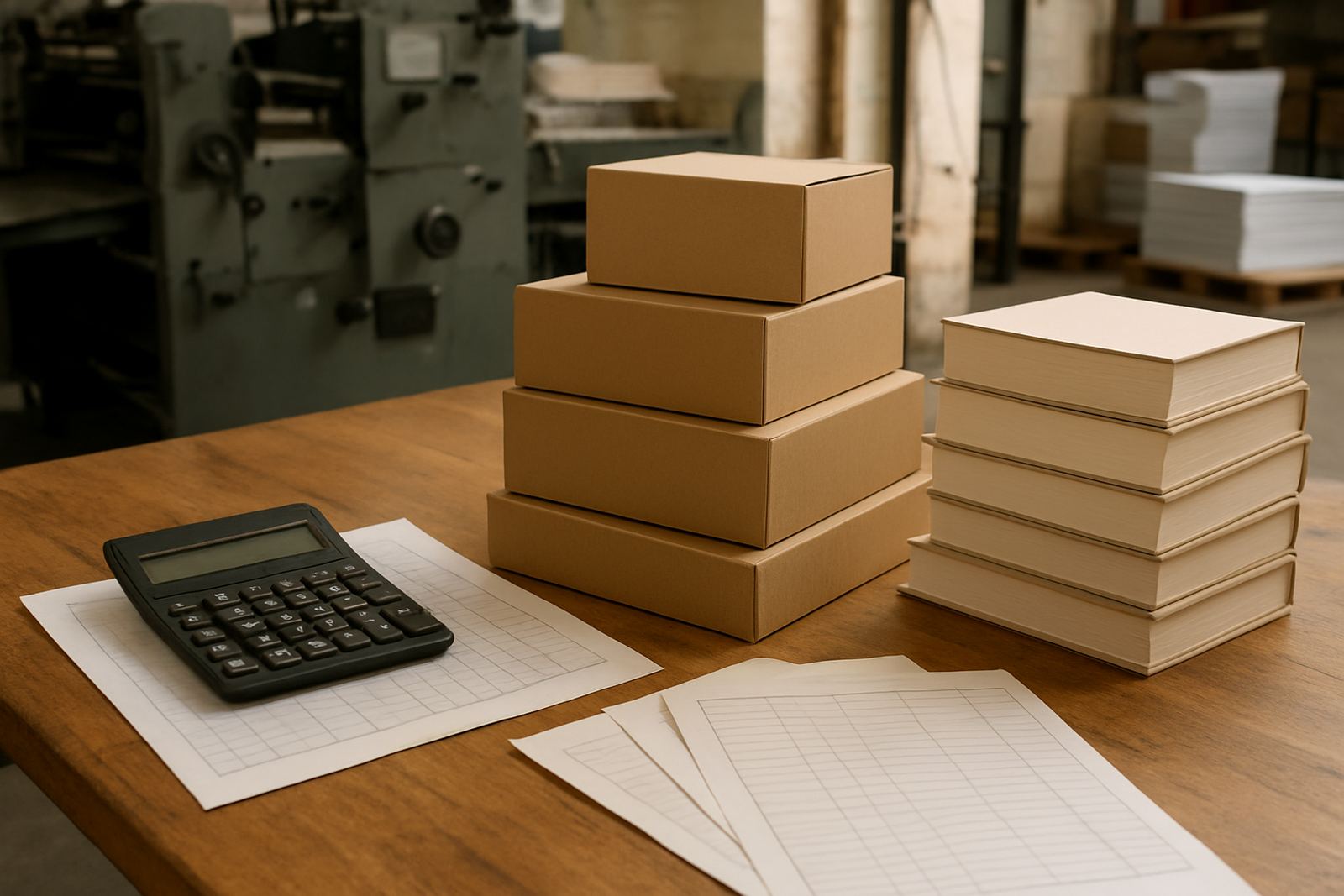
Before you request quotes, fix the basics: finished size, page count, print quantity and whether the title is monthly, quarterly or a once-off special edition. Common magazine sizes in South Africa include A4 and A5, but custom trim sizes can work well if your content, adverts and binding choice suit them. A small change in size can affect paper use, trimming waste and packing, so it is worth confirming early.
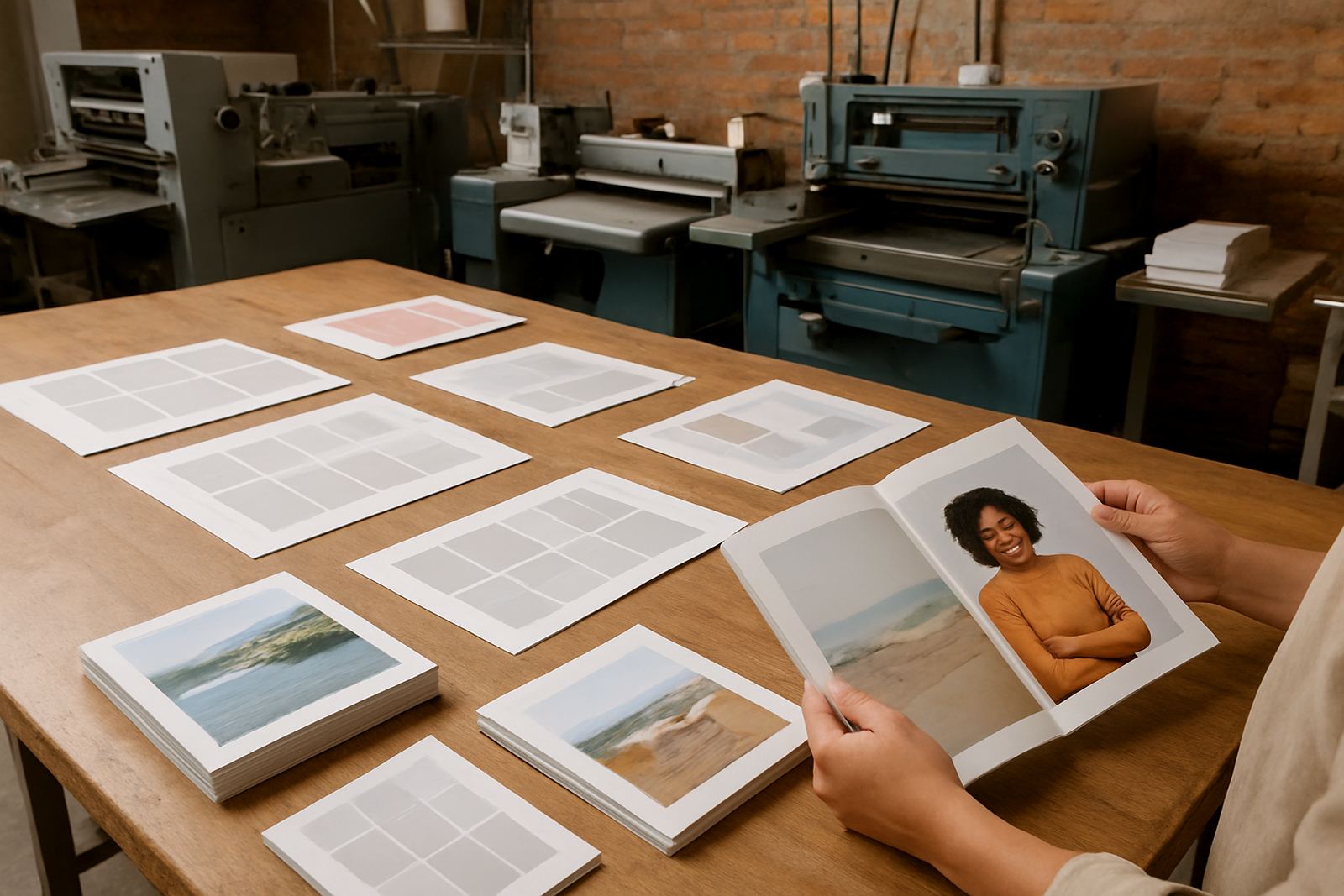
Think about how the magazine will be handled. A 48-page internal newsletter for a Johannesburg corporate office has different needs from a 120-page lifestyle title headed to Sandton stockists and distribution points in Cape Town, Durban and Gqeberha. If your pages carry heavy photography or full-page adverts, allow space for image bleed and keep key text away from the trim edge. That saves trouble at prepress and keeps the final copy clean.
- Confirm finished size in millimetres, not only A4 or A5.
- Count all pages, including cover, inserts and advertorial pages.
- Set the final print run and allow a small overage for spoilage and replacements.
- Check whether any editions need regional inserts or price changes.
Choose Paper That Matches the Reader and the Budget
Paper choice shapes the feel of the magazine and also the cost per copy. Gloss art paper gives strong colour for fashion, retail and product-led titles, while matt or silk finishes can be easier to read for long interviews and business content. The inside pages and cover do not have to be the same weight, and in many cases they should not be.
A lighter text stock can keep postage, packing and courier costs down for publishers sending nationwide. A heavier cover adds strength, especially when magazines are stored in humid coastal areas or stacked in distribution points around Johannesburg and Pretoria. For titles with many pages, a slightly lighter inner paper may help the spine stay neat after binding. Balance is important here, becasue a magazine that feels too thin can look underpowered and one that is too heavy can blow the budget.
- Ask for paper samples before approving the final stock.
- Match the paper finish to the amount of photography and fine text.
- Consider how the magazine will travel in packing cartons and on courier routes.
- Check whether recycled or uncoated papers suit the editorial style and print method.
Match Printing Method to Quantity and Colour Use
Offset printing is usually the right choice for magazines that need consistent colour across a larger run. It handles full-colour covers, advertising pages and repeat issues well, especially where image quality matters. Flexo printing can suit certain publication formats and packaging-linked print work, particularly when quantities, materials or production timing point that way.
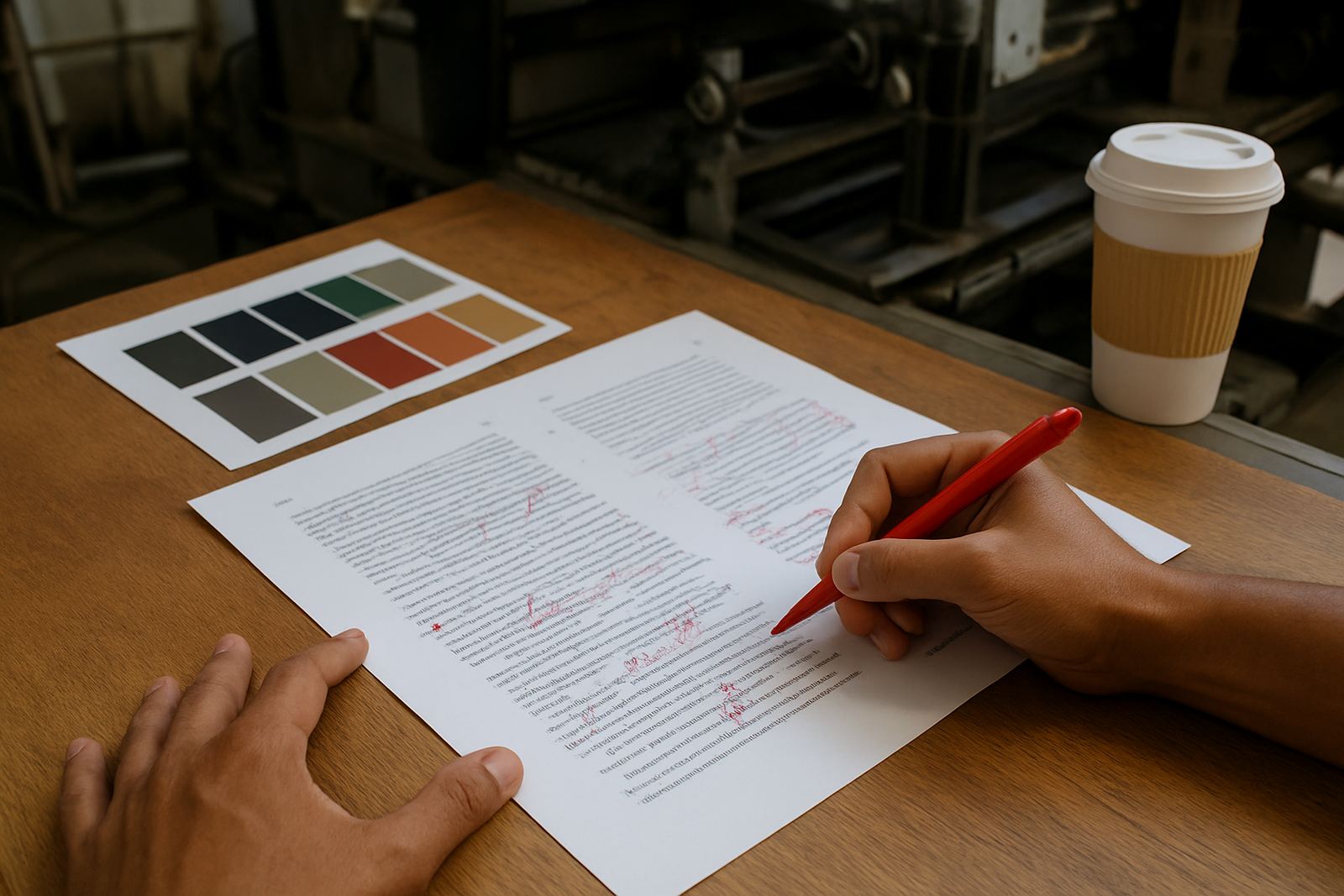
If your issue includes sponsor ads, product pages or retail promotions, build a colour plan before print day. Keep an eye on brand colours, skin tones and dark backgrounds, and make sure all images are supplied at print quality. Prepress checks help catch low-resolution files, missing fonts and page order mistakes before plates are made. That saves time and avoids costly reprints.
For publishers working to tight issue dates in Industria, Midrand or Roodepoort, it helps to finalise approvals early. Load-shedding, courier delays and last-minute advert changes can compress the schedule, so a clear sign-off process matters. One missed correction can push a whole release date, and nobody wants that.
Pick the Binding That Fits Page Count and Use
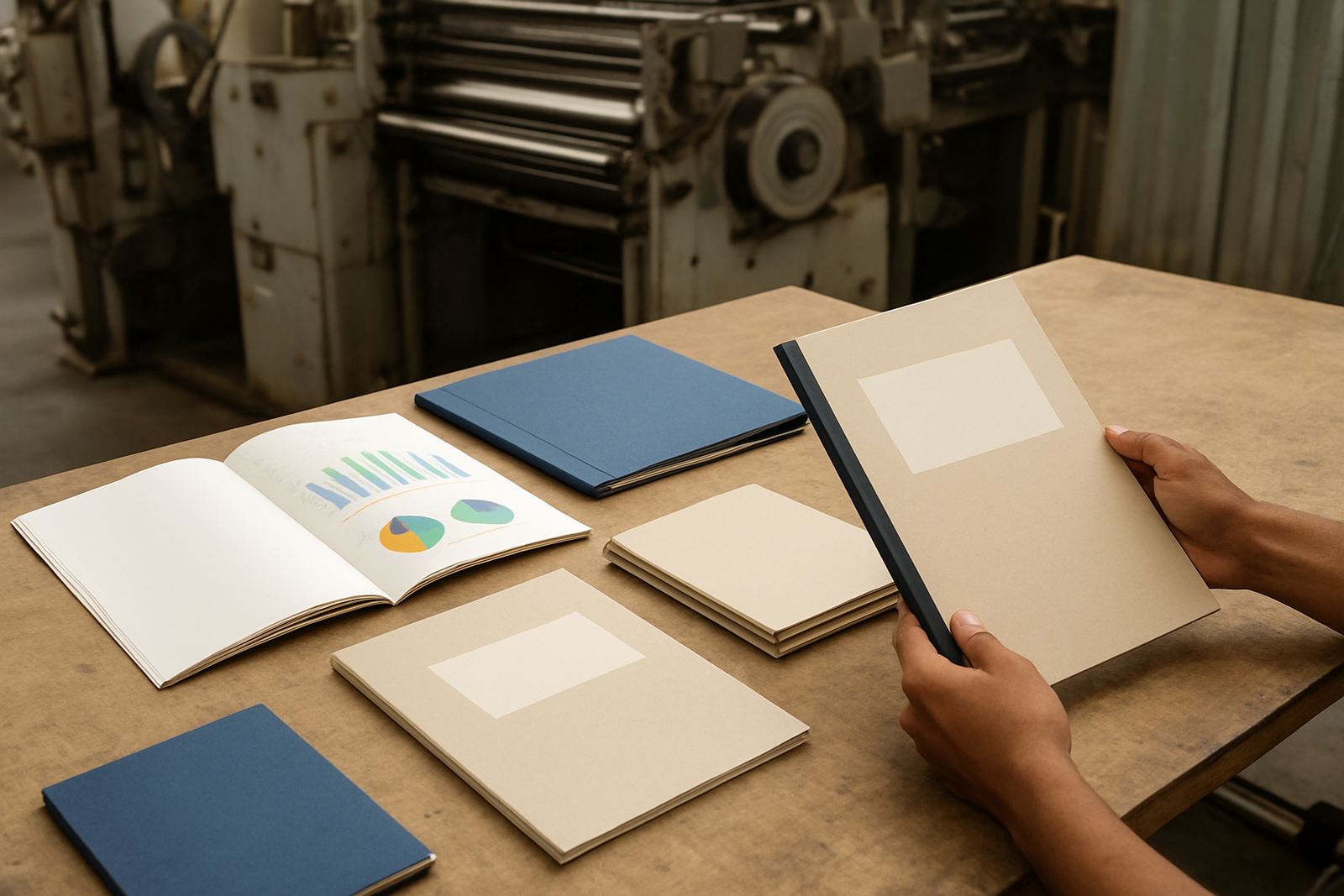
Binding is not only about finish, it also affects how the magazine opens, lies flat and lasts in hand. Saddle stitching works well for shorter magazines, usually those with a lower page count. Perfect binding is a strong choice for thicker publications and gives a neat square spine that suits shelf display. Case binding is more suited to premium or long-life publications that need extra durability.
Section sewing can be useful where the publication is thick and should withstand frequent handling, such as annual reviews or special interest titles. The right binding also depends on paper weight and page count, because some combinations simply do not fold or trim cleanly. If the issue includes a heavy cover or special finishes, the binding line must be planned around that from the start.
- Saddle stitch: best for slimmer magazines and fast production.
- Perfect binding: good for thicker issues and a smarter spine.
- Case binding: used for premium, long-life or archive copies.
- Section sewing: adds strength to heavier publications.
Use Finishing to Improve Shelf Appeal and Handling
Finishing is where a magazine starts to look complete. Cover lamination can protect against scuffing during packing and courier movement. Foil finishing adds emphasis to titles, anniversary issues or special covers, while die cutting can create windows or shaped covers when the concept calls for it. These extras should support the content, not fight with it.
For magazines sold through retailers or handed out at events, the cover has to survive transport, stacking and repeated handling. In humid areas such as the coast, lamination can help prevent the cover from curling or marking. For business magazines going to offices in Sandton, Pretoria and Johannesburg Central, a clean spine and crisp cut lines make a strong first impression on the shelf or reception counter.
Keep the finishing plan practical. Every extra process adds cost and time, so only choose what the issue really needs. A well printed, neatly trimmed magazine with accurate colour often does more than a crowded cover full of effects.
Build a Print Checklist Before You Approve the Job
A simple checklist before release can prevent errors and reduce waste. This is especially useful when several people handle content, adverts, proofing and distribution. It keeps production moving and helps the team check what has been approved, what still needs correction and what must be packed for each destination.
- Final page count and page order checked.
- All images supplied at print quality.
- Advert pages confirmed by the client or sponsor.
- Bleeds, trims and margins checked on every page.
- Paper choice approved for cover and text sections.
- Binding method confirmed against the page count.
- Delivery addresses and quantities split by branch or region.
If your title goes to publishers nationwide, allow time for packing and dispatch after print. Some deliveries may go to Industria for collection, while others move to Randburg, East Rand, Midrand or Pretoria. Clear labels and carton counts help the logistics team keep the run organised and reduce mix-ups.
Plan Your Timeline Around Approvals and Distribution
Magazine printing works best when deadlines are set backwards from the release date. Build in time for content sign-off, prepress checks, proof approval, printing, binding and delivery. If your team also handles subscriptions or regional stock, add a buffer for packing and dispatch. A late advert or changed cover can affect the whole schedule, so make approvals firm.
For Johannesburg-based publishers, it often helps to keep one person responsible for final sign-off. That avoids conflicting instructions from editorial, marketing and sales. Oupa Hlungwani and the production team at Printing House work with publishers, authors and businesses who need practical control over issue quality and turnaround, without unnecessary back-and-forth. When the process is clear, the print run moves smoothly and the final magazine lands where it should, on time and in good condition.