
Start With The Right Print Brief
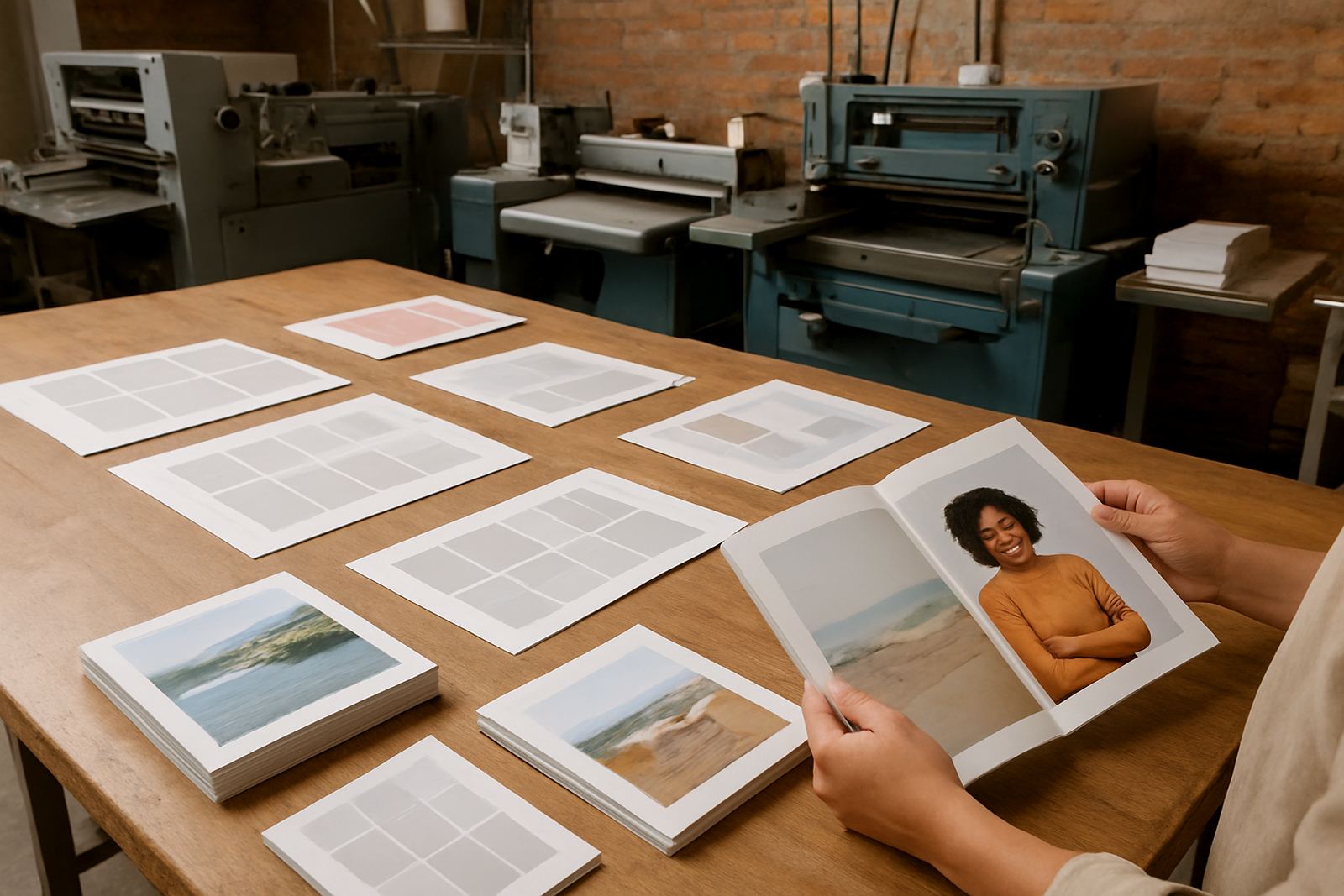
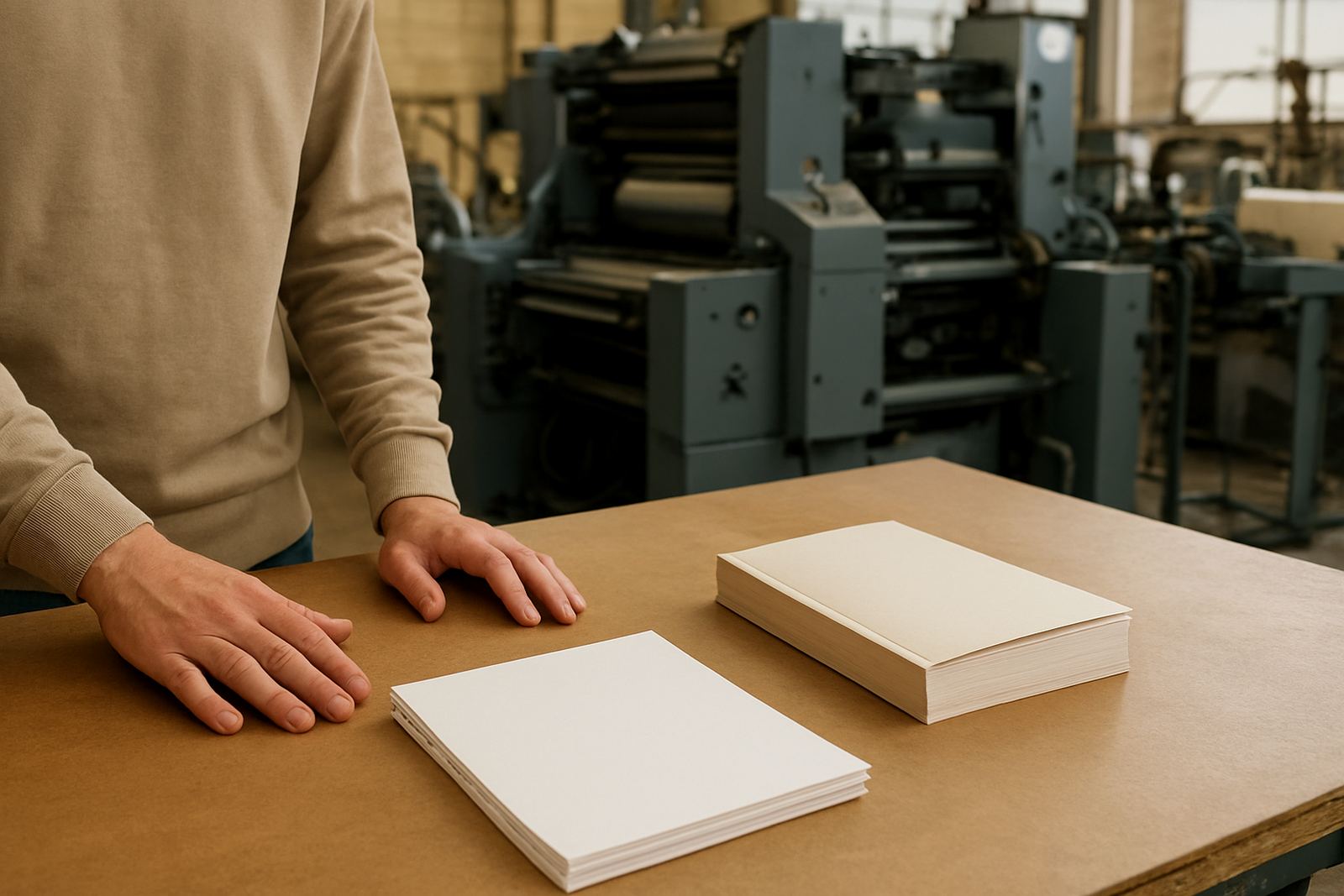
Before any pages go to print, set out the basics clearly. Your brief should cover trim size, page count, paper preference, binding style, print quantity, and where the books need to be delivered. If you are a first-time author, it also helps to note whether the book is text heavy, image heavy, or a mix of both.
For South African publishers and independent authors, the brief should also take distribution into account. A short run for a local launch in Johannesburg is handled differently from stock that needs to move to Pretoria, Durban, Cape Town, or smaller towns nationwide. The more exact your brief, the easier it is to quote correctly and plan production.
- Final title and author name spelling
- Trim size in millimetres or centimetres
- Interior page count and whether pages are full colour or black only
- Cover finish and binding choice
- Quantity required for launch, sales, or storage
Prepare Files That Print Cleanly
Good print starts with clean files. Pages should be set up at final size with correct margins, bleed, and page order. Images must be sharp enough for print, and any charts, logos, or illustrations should be supplied in usable format. Low-resolution images may look fine on a screen but they soften badly on paper.
Text should be checked for missing words, repeated lines, and layout problems before release. A proper prepress check can catch issues like overprints, incorrect page numbers, and text that sits too close to the trim line. That step saves time later, especially when schedules are tight and a launch date is fixed.
- Use the correct page size from the start
- Include bleed on full-page artwork
- Embed or outline fonts as required
- Check page numbers, chapter breaks, and contents pages
- Save final print-ready files separately from working files
Choose The Binding That Suits The Book
The binding should match the page count, use, and price point of the book. Saddle stitching works well for slim booklets, magazines, and shorter publications with fewer pages. Perfect binding suits paperbacks, reports, and longer magazines that need a neat square spine. Case binding is better for hardcovers, reference books, and titles that must stand up to repeated handling.
Section sewing adds strength for books that will be opened often or kept for years. It is common for premium editions, collectors' titles, and books used in libraries or schools. In coastal areas where humidity can affect paper, the right binding and cover choice also helps the book keep its shape better over time.
- Saddle stitching for slim publications and short runs
- Perfect binding for paperback books and thicker magazines
- Case binding for hardcover titles and long-life use
- Section sewing for extra strength and better opening
Use Proofing To Catch Costly Mistakes
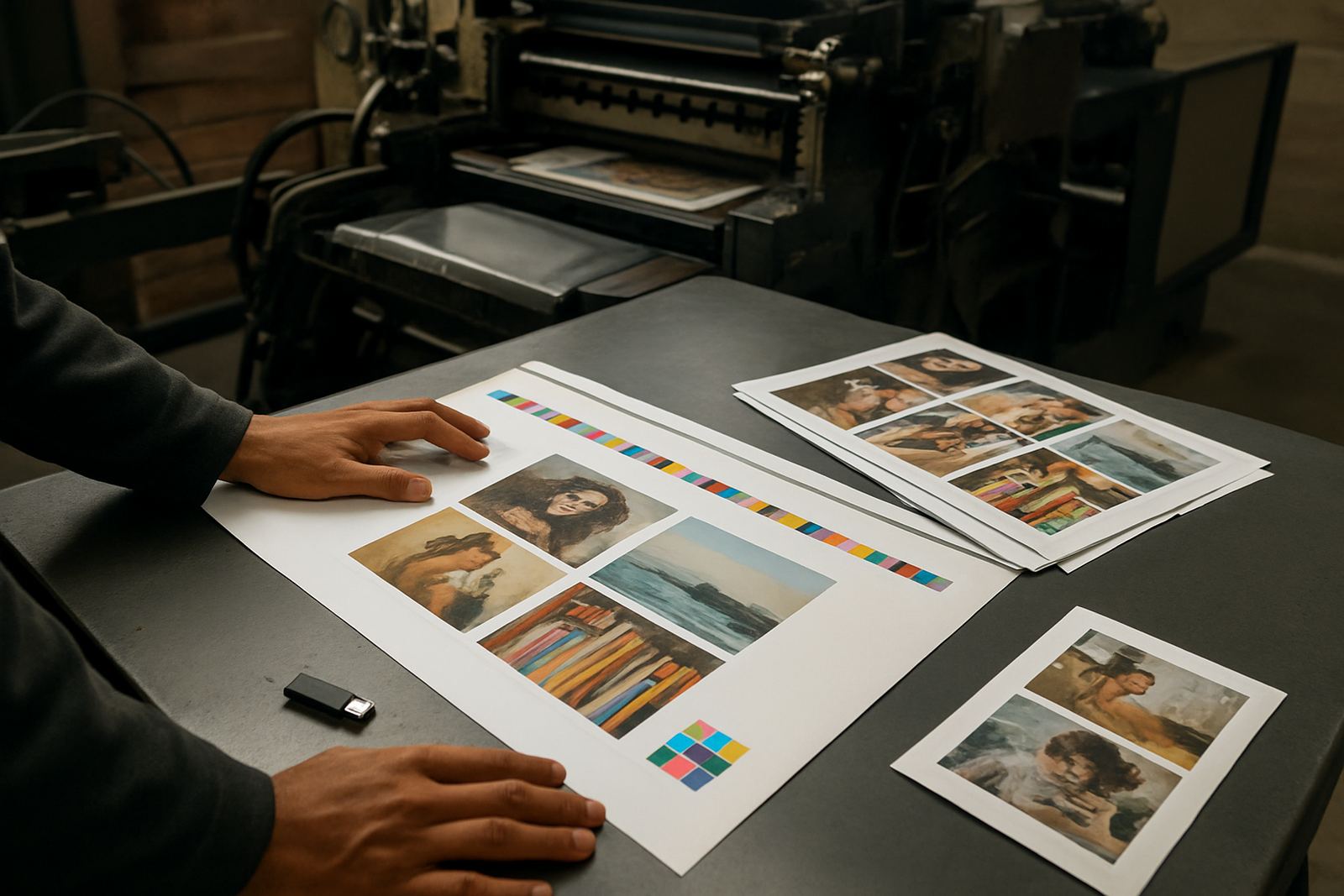
A colour proof gives you a chance to check how images, solids, and skin tones will behave on press. It is the best time to confirm that your cover colour, page layout, and image quality are where they should be. Small changes are much cheaper at proof stage than after the full run has started.
Authors often focus on the words, but print buyers must also check the physical details. Look closely at the spine text, cover fold positions, barcode placement, and any finishing details such as foil or die cutting. If your book will be sold through bookstores or sent to libraries, these small checks matter a lot.
- Compare the proof to your approved artwork
- Check cover text on the spine and back cover
- Look for colour shifts in photographs and illustrations
- Confirm page order and final numbering
- Sign off only when the proof is correct
Finishing Choices That Improve The Final Book
Print finishing adds the final polish, but it also has practical value. Cover lamination helps protect books handled by retailers and couriers. Foil finishing can highlight a title or author name, while die cutting can create a window, shape, or special detail on the cover. For magazines and reports, a clean trim and accurate folding are just as important as decoration.
If the publication will be packed into boxes and moved between provinces, finishing should be selected with transport in mind. Strong covers, neat edges, and proper packing reduce damage during dispatch. That is useful for publishers sending stock to Sandton, Midrand, the East Rand, or further afield to Durban and Gqeberha.
- Cover lamination for protection against handling and moisture
- Foil finishing for a premium title treatment
- Die cutting for special cover shapes or viewing windows
- Neat trimming and folding for a professional result
Plan Packing, Dispatch, And Delivery Early
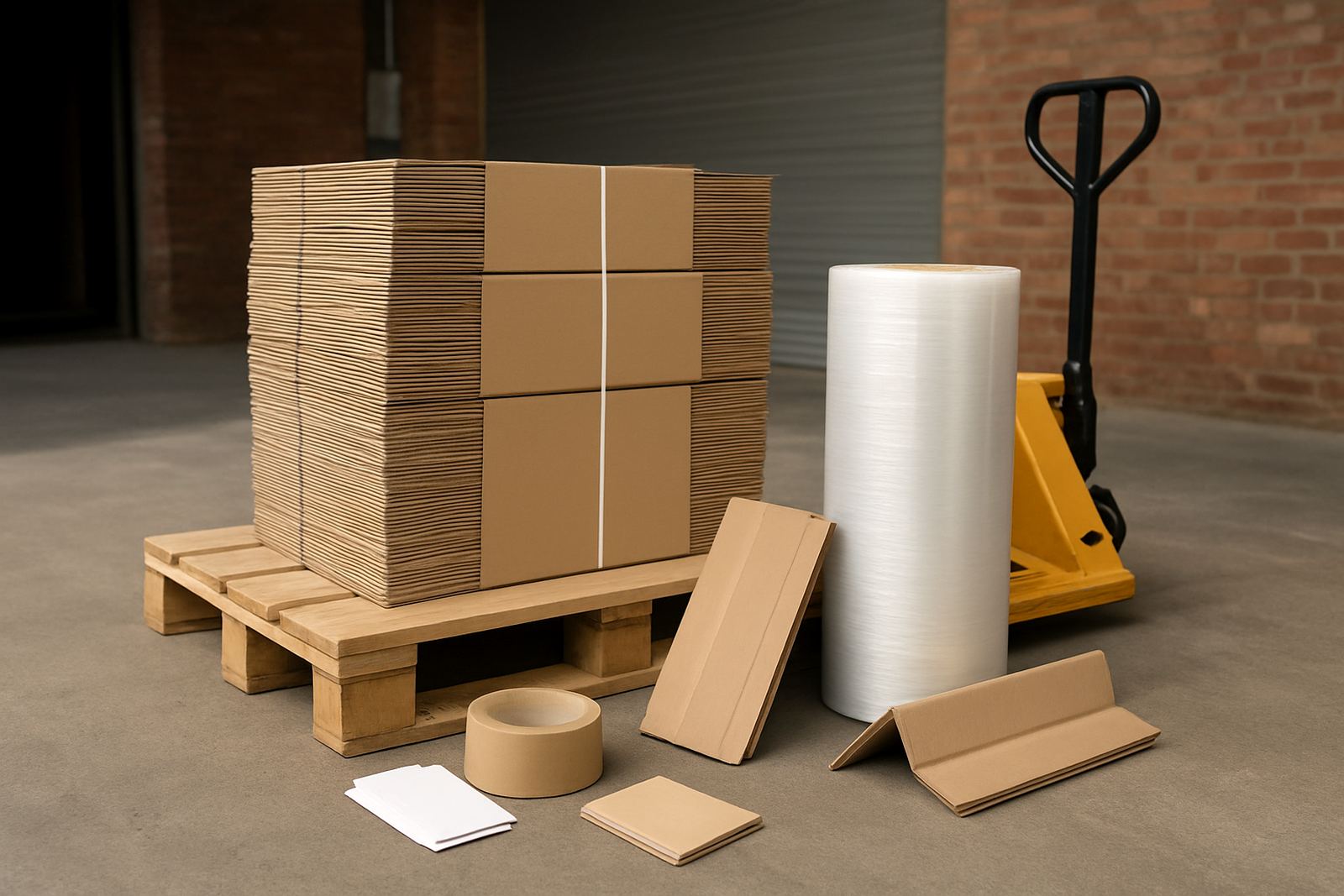
Once printing and binding are complete, the job is not finished until it is packed properly and sent to the right place. For first-time authors, this stage is often overlooked. Yet packing, labelling, and dispatch can affect whether books arrive ready for launch or arrive with bent corners and scuffed covers.
Publishers in Johannesburg, Pretoria, Randburg, Roodepoort, and other local areas may need staged delivery to offices, warehouses, or event venues. Nationwide delivery should be planned early so stock can move in line with your sales schedule. When load-shedding or municipal delays affect timing, it helps to build in a bit of extra time so the launch is not caught short.
- Confirm the delivery address and contact person
- Ask how books will be boxed and stacked
- Allow time for regional delivery if stock is going outside Gauteng
- Keep a few copies aside for author review and records