
Start With The Job The Report Must Do
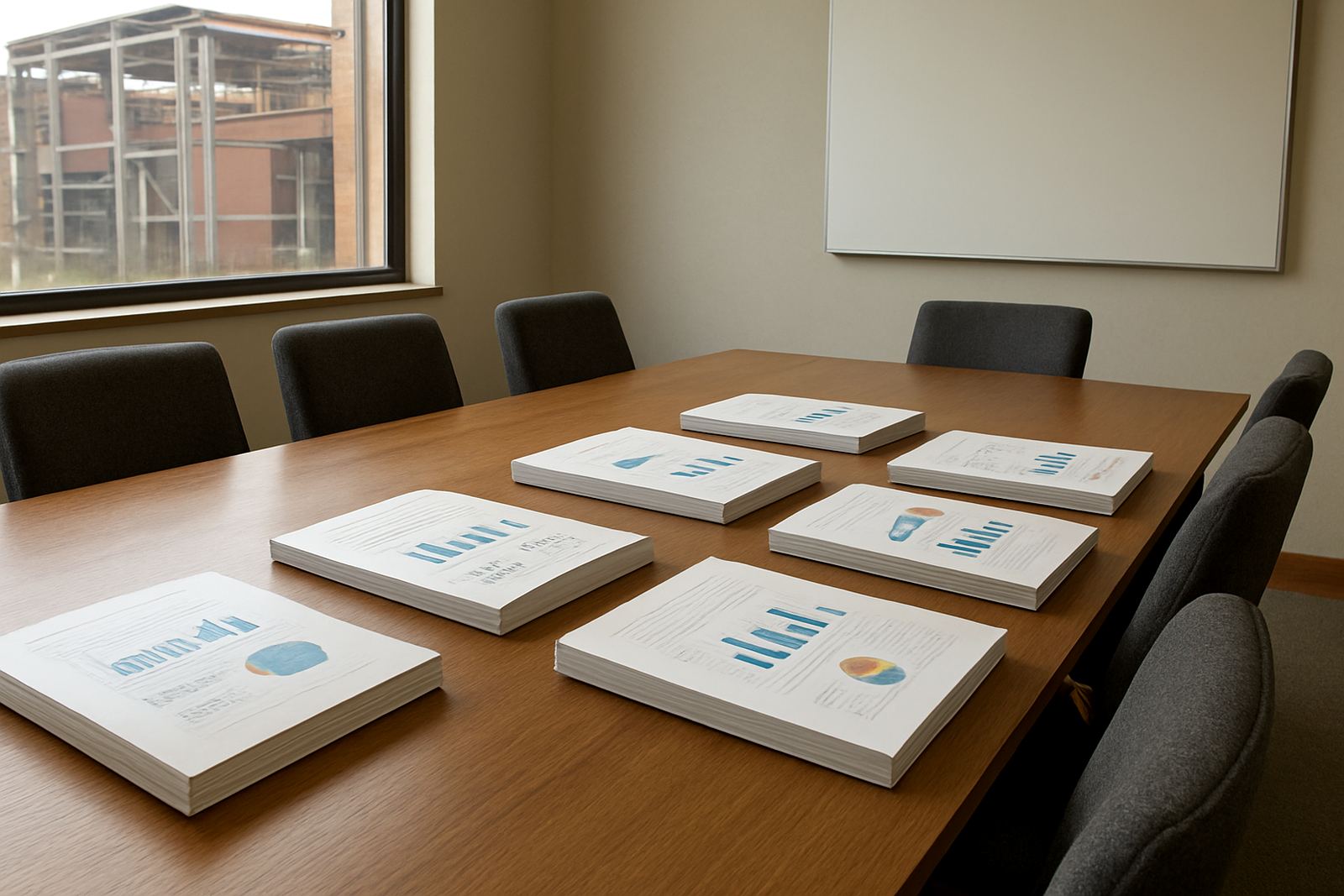
An annual report is not only a record of the year, it is also a handover document for directors, investors, staff and auditors. In practice that means the report must open neatly, lie flat enough for reading, and hold together after repeated handling. For a company in Sandton or Pretoria, that might mean a tighter corporate feel. For a publisher sending copies to Cape Town, Durban and smaller regional offices, it may also need to travel well in courier packs.
The first decision is not the cover or the binding, it is the purpose. Will the report be posted in envelopes, handed out at a meeting, or kept on a shelf for reference? That affects page count, paper weight, binding style and even whether tabs or inserts are needed. A report that is too light can feel flimsy. One that is too heavy may push up courier costs and make packing awkward during load-shedding schedule changes and after-hours dispatch. Getting that balance right saves money later.
Choose Stock That Feels Right In The Hand
Paper stock changes the whole reading experience. A lighter uncoated stock can suit text-heavy reports because it is easier on the eye and keeps page count manageable. A smoother or slightly heavier stock gives charts and photographs more body, which is useful where a report includes project images, branch photos or financial graphs. If the document will be read in bright office light, a stock with good opacity also helps reduce show-through.
South African conditions matter too. In Johannesburg, dry air can keep pages stable but can also make some papers feel more brittle during binding if stock is not selected carefully. In coastal areas, humidity can soften paper edges and make stored reports pick up curl. A practical approach is to match the stock to the storage and delivery route, not just the artwork. For reports headed to multiple provinces, we often suggest a sample check before the main run so the finish holds up in transit, stapled copies dont crease easily and colour stays consistent from the first copy to the last.
- Text-heavy reports usually need a calmer, more readable stock.
- Photo-led reports often need a smoother sheet for better image definition.
- High page counts may call for a lighter stock to control bulk and postage.
- Reports stored for months should use paper that resists curling and handling marks.
Binding Choices That Support The Content
Binding should suit the number of pages and how the report will be used. Saddle stitching works well for shorter reports and booklets where the page count is modest. Perfect binding gives a neat spine and suits thicker reports that need a more book-like appearance. Case binding is the choice when the report needs a premium, durable finish, often for board packs or limited presentation copies. Section sewing adds strength for documents that must open repeatedly without pages pulling loose.
There is no single correct answer, only the right fit for the document. A 48-page report for a Midrand business may be ideal with saddle stitching, while a 180-page annual report for a listed company could need perfect binding with a laminated cover. If the content includes inserts, pull-out financial summaries or appendix sections, the binding method has to accommodate those details cleanly. A good finishing plan means the report opens properly, folds neatly and does not fight the reader. That is basic but critical.
- Saddle stitching suits shorter, lighter reports.
- Perfect binding works for thicker annual reports with a clean spine.
- Case binding suits presentation copies and long-life reference documents.
- Section sewing is useful where durability and repeated opening matter most.
Covers, Lamination And Finishes That Add Authority
The cover is the first point of judgement. A plain cover can work if the brand language is restrained, but many annual reports benefit from a heavier cover stock and a protective laminate. Lamination helps with handling, scuff resistance and moisture from frequent movement between offices or courier depots. In Gauteng especially, documents are handled often and sometimes rushed, so a cover that resists fingerprints and corner wear is worth the extra step.
Foil finishing can be used carefully on a title, logo or year mark to give the report a more formal character. Die cutting may suit a custom opening or tabbed section, though it must be planned early so page layout and binding line up properly. The aim is not decoration for its own sake, but clarity and presence. When the cover is right, the document feels considered before anyone reads the first paragraph. If the report has to sit beside tender files or board packs, that first impression matters a lot.
Prepress Checks That Save Time And Reprints
Annual reports carry a lot of detail, and that is where prepress matters. Page numbers, captions, tables, charts, spelling, colour values and image placement all need checking before plates or print files are finalised. A small error in one figure can lead to a reprint or a correction sheet slipped into every copy. That costs time and money, especially when dispatch is already planned for multiple destinations.
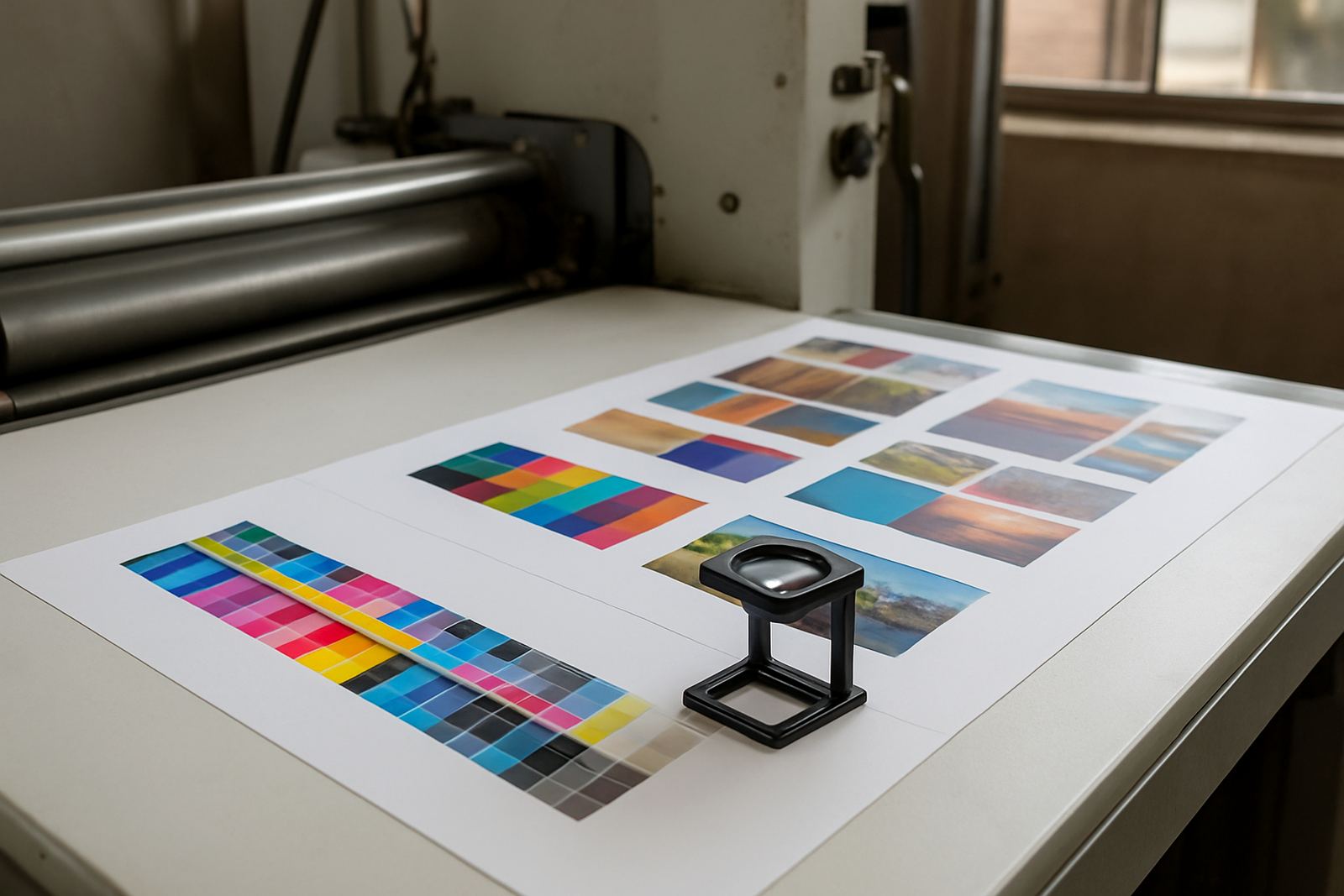
Colour proofing is useful where brand colours need to stay steady across photos, graphs and section breaks. It is also worth checking how blacks print in body text and whether fine lines remain clear after folding or binding. For publishers and businesses working to a fixed deadline, prepress checks are what keep a report from becoming a rush job. A proper sign-off process should include the final proof, the page sequence and the cover finish, otherwise problems show up at the worst possible stage.
Packing, Dispatch And The Reality Of Nationwide Delivery
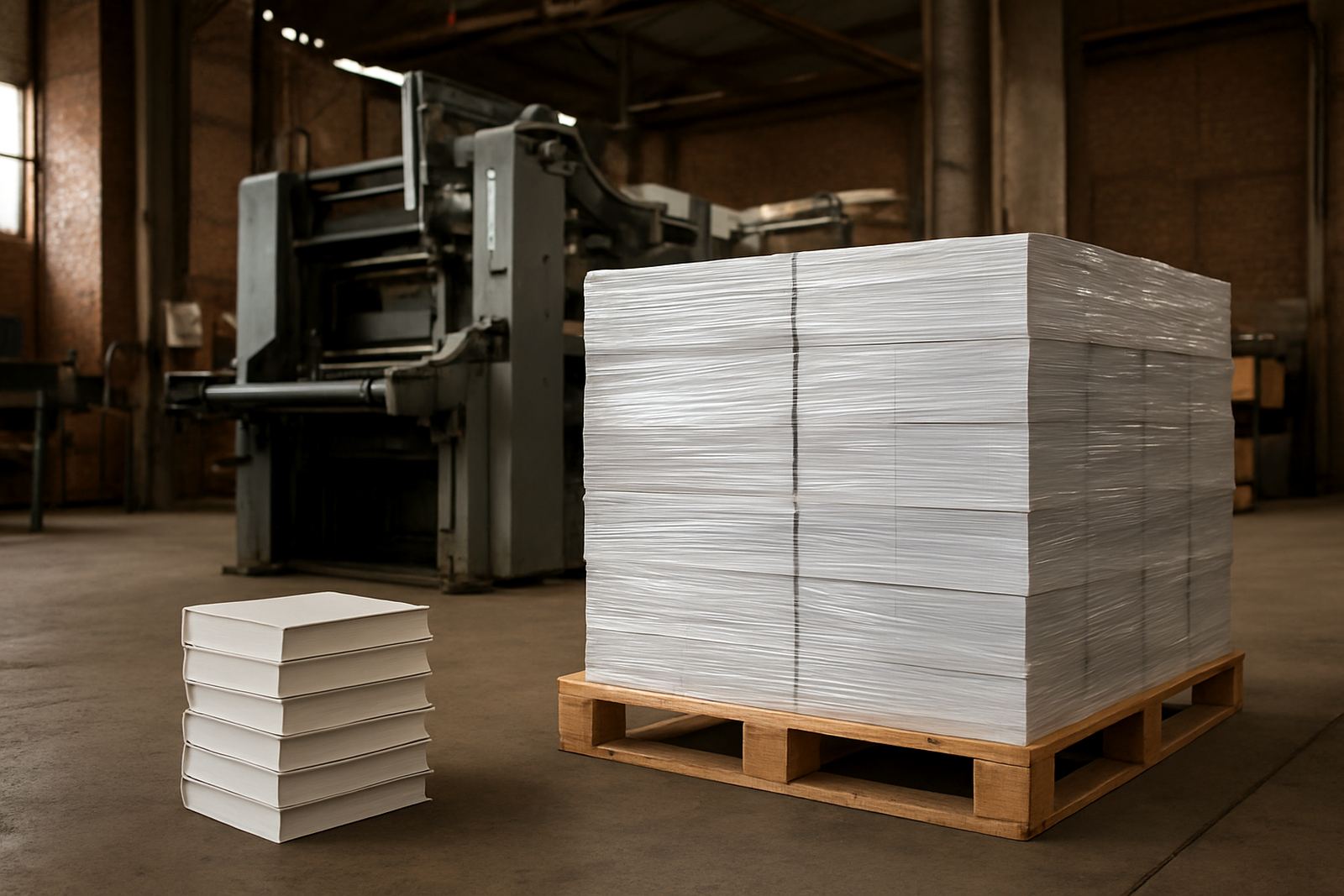
Once the report is printed and bound, packing becomes the next test. Copies need to be boxed so spines do not rub, corners do not bend and moisture does not sneak in during transit. For national delivery, especially to publishers with multiple offices, packing should be marked clearly by quantity and destination. That helps receiving teams in Johannesburg Central, Randburg, Roodepoort, East Rand and beyond count stock quickly and store it properly.
Dispatch planning also has to work around local conditions. If load-shedding affects collection times or warehouse work, the packing schedule should still protect deadlines. Reports headed to Pretoria or more distant routes may need an extra buffer for courier delays. It is simple stuff, but this is where jobs are won or lost. A well-made annual report can still disappoint if it arrives dented, miscounted or late. Good packing and dispatch keep the print quality intact from Industria to the final boardroom.
A Practical Johannesburg Example For Better Results
Consider a Johannesburg company preparing 400 annual reports for board members, regional managers and archive copies. The main content is text and financial statements, with a few colour charts and staff photographs. In that case, a smooth text stock for the inside pages, a heavier laminated cover, and perfect binding would give a clean result without overcomplicating the job. If the archive copies need extra durability, a small batch can be finished differently with stronger binding for long-term storage.
That approach keeps the production sensible. It lets the design do its job, keeps print costs under control and gives the client a report that feels deliberate rather than rushed. For businesses across Sandton, Midrand and the wider Gauteng area, the best annual report is the one that looks good on the table and still holds up after months of use. Done properly, the stock, binding and cover choices all work together and the report reads as carefully as it was written.