
Why run length changes the real cost of print
At first glance, a bigger print run looks cheaper because the unit price drops as quantity rises. That part is true, but it does not tell the full story. For books and magazines, the first copies carry the setup cost for plates, prepress checks, proofing, ink wash-ups, trimming and binding setup. Once those are paid for, each extra copy costs less to produce.
Short runs suit publishers and businesses that need lower stock on hand, tighter budget control or frequent content changes. Long runs suit titles with steady demand, national distribution and content that can stay current for longer. In Johannesburg, where many publishers work to firm release dates and storage space can be tight, the best choice is often the one that keeps the project moving without tying up too much cash in cartons on a floor.
Short runs make sense when content moves fast
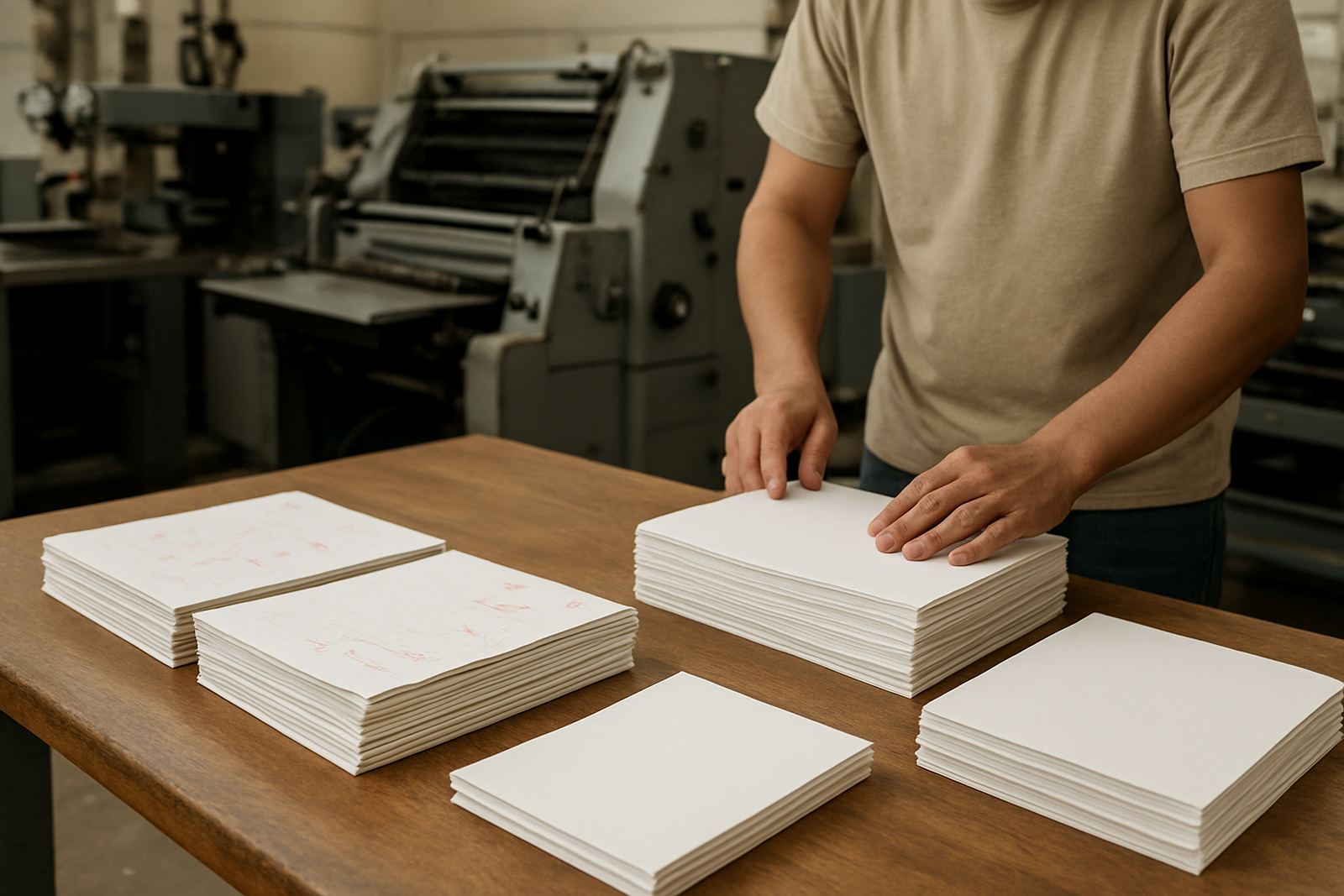
A short run is usually the safer choice if your title is seasonal, test-market focused or likely to change after the first issue. It also works well when you are launching a new publication and want to avoid overprinting before sales are proven. That is common for author launches, conference magazines, internal company publications and niche titles with a narrow readership.
Short runs can also reduce storage pressure, which matters when books are moving through offices in Sandton, Midrand or Pretoria and no one wants cartons sitting around in a hot storeroom. Coastal humidity is not a Johannesburg issue, but many clients still distribute to Durban, Gqeberha and Cape Town, so less stock also means less risk of damp, warped covers or damaged edges in transit. If you are revising a price list, changing a sponsor page or correcting a small text error, a shorter run keeps the risk manageable.
- Lower upfront spend for smaller projects
- Less stock to store, count and insure
- Faster reaction if content needs updating
- Useful for pilot editions and first print tests
Long runs pay off when demand is steady
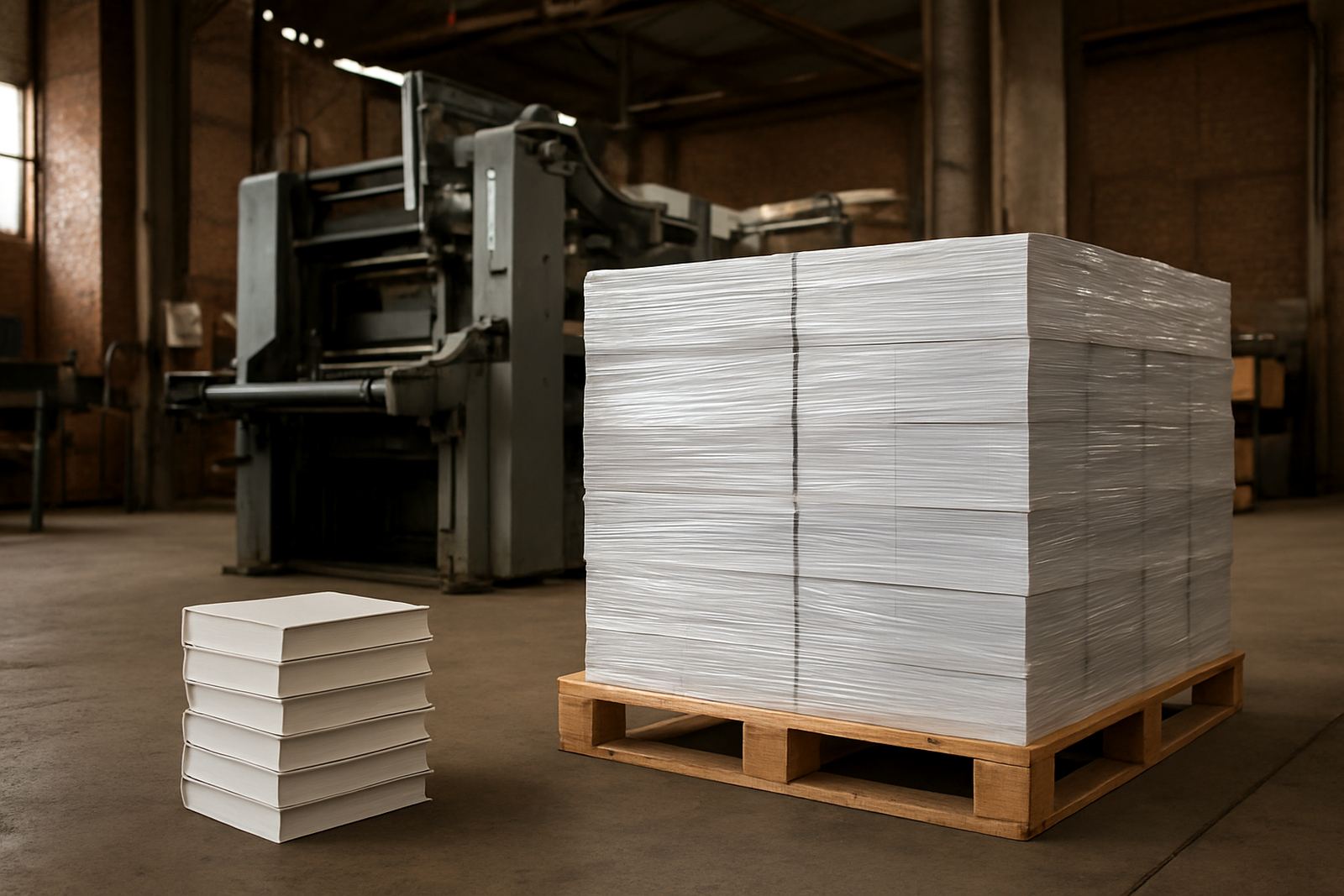
Longer runs are the better fit when your publication has repeat demand and the content will stay relevant for months, or even a full year. School books, trade magazines, membership journals and catalogues often fall into this category. When the run is large enough, the setup cost is spread over many copies and the average price per book or magazine comes down.
That lower unit cost can matter a lot for national publishers sending books to stores, agents and distributors across Gauteng, KwaZulu-Natal and the Western Cape. It can also help when your title uses special finishing such as foil, cover lamination or case binding, because the setup effort is shared across more copies. The trade-off is simple: you need storage space, firmer forecasting and confidence that the content will not date too quickly. If demand drops, the savings on print can be swallowed by leftover stock.
- Best unit price when the edition is stable
- Useful for wide distribution and repeat orders
- More efficient for bulk packing and dispatch
- Works well when storage and sales planning are under control
Paper, binding and finishing can shift the break point
The run length is only one part of the cost equation. Paper choice, number of pages, colour coverage and binding method all affect where the break point sits. A 64 page magazine with saddle stitching behaves very differently from a 240 page book with perfect binding or a hard cover edition with section sewing and case binding. Heavy covers, laminated jackets and foil details add value, but they also add setup and handling time.
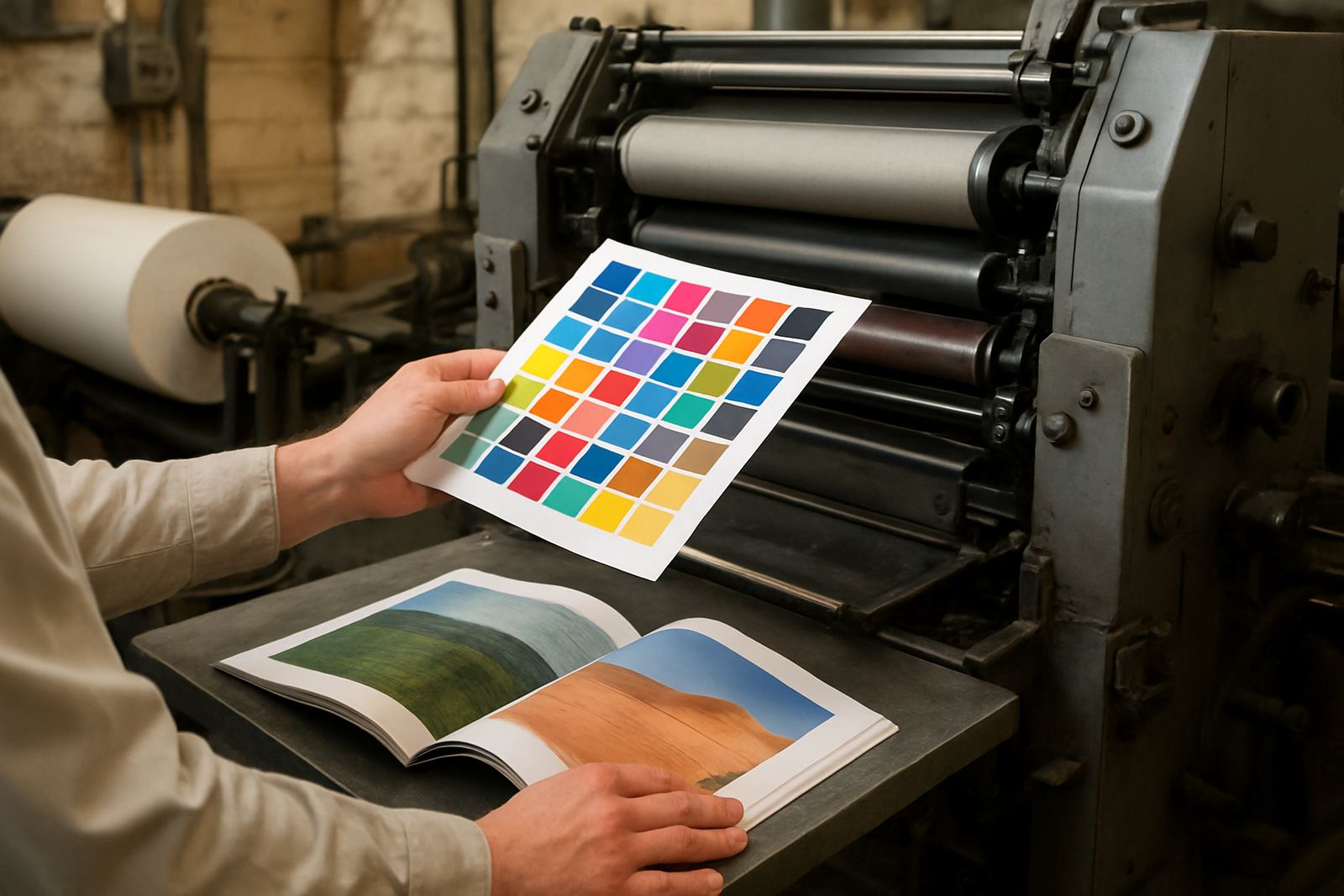
For example, a short run of a premium publication may still make sense if it needs a strong presentation for investors, donors or retailers. On the other hand, a long run of a simple black-and-white title can remain affordable even at a larger quantity. The point is to match the finish to the use case, not just to the budget. Our production team checks the files, colour proofing and finishing plan before the job starts, because one wrong assumption on page count or trim size can affect the whole run.
What publishers in Johannesburg should budget for
In Industria, many print buyers compare quotes only on the printing line and miss the hidden costs around the job. Real budgeting should include prepress checks, proofing, finishing, packing and delivery. If the job is urgent, you may also need to allow for split dispatches or a tighter production window. Load-shedding can slow a schedule too, especially if you are trying to hit a launch date in the same week as a book fair or a corporate event.
A practical budget should look at more than the unit price:
- Setup and prepress work
- Paper and board specifications
- Binding method and finishing steps
- Packing, labelling and dispatch to the right provinces
- Storage space if you are printing ahead of demand
If you are based in Johannesburg Central, Randburg, Roodepoort, Sandton or East Rand, it can be tempting to choose the cheapest quote and hope for the best. That usually costs more later if the colour is off, the binding fails or the carton count is wrong. A clear production plan saves time and keeps the print run from becoming a storage problem.
A local example: one title, two ways to print it
A 96 page business magazine for a Gauteng association may suit a short run when the edition is meant for a single event and the content changes every quarter. You print only what is needed, deliver to the venue and hold back from tying up money in unsold copies. If the same title has a stable advertiser base and is delivered nationwide, a longer run may cut the cost enough to improve your margin.
In practice, the best answer often lands in the middle. Many clients split their print plan into a core run and a smaller reprint. That way they benefit from better pricing on the main quantity while still keeping room for updates, corrections or extra demand. It is a sensible approach for publishers working from Sandton to Pretoria, where schedules are tight and storage is rarely unlimited.
How to decide before you commit
Before you choose between short and long runs, ask a few plain questions. How steady is the demand, how long will the content remain relevant and where will the stock be stored. Will the publication need a quick reprint if sales go better than expected, or is this a one-off issue that must be printed once and moved out. If the answer changes from one title to the next, the run length should change too.
For publishers and businesses across South Africa, the best print plan is the one that fits the actual use of the publication. A short run protects you from waste and stale stock. A long run rewards good planning with a lower unit cost. If you want a clear recommendation for your book or magazine, send the details through the enquiry form and we can compare the options against your page count, binding style and delivery needs.