
Start with how the magazine will be read
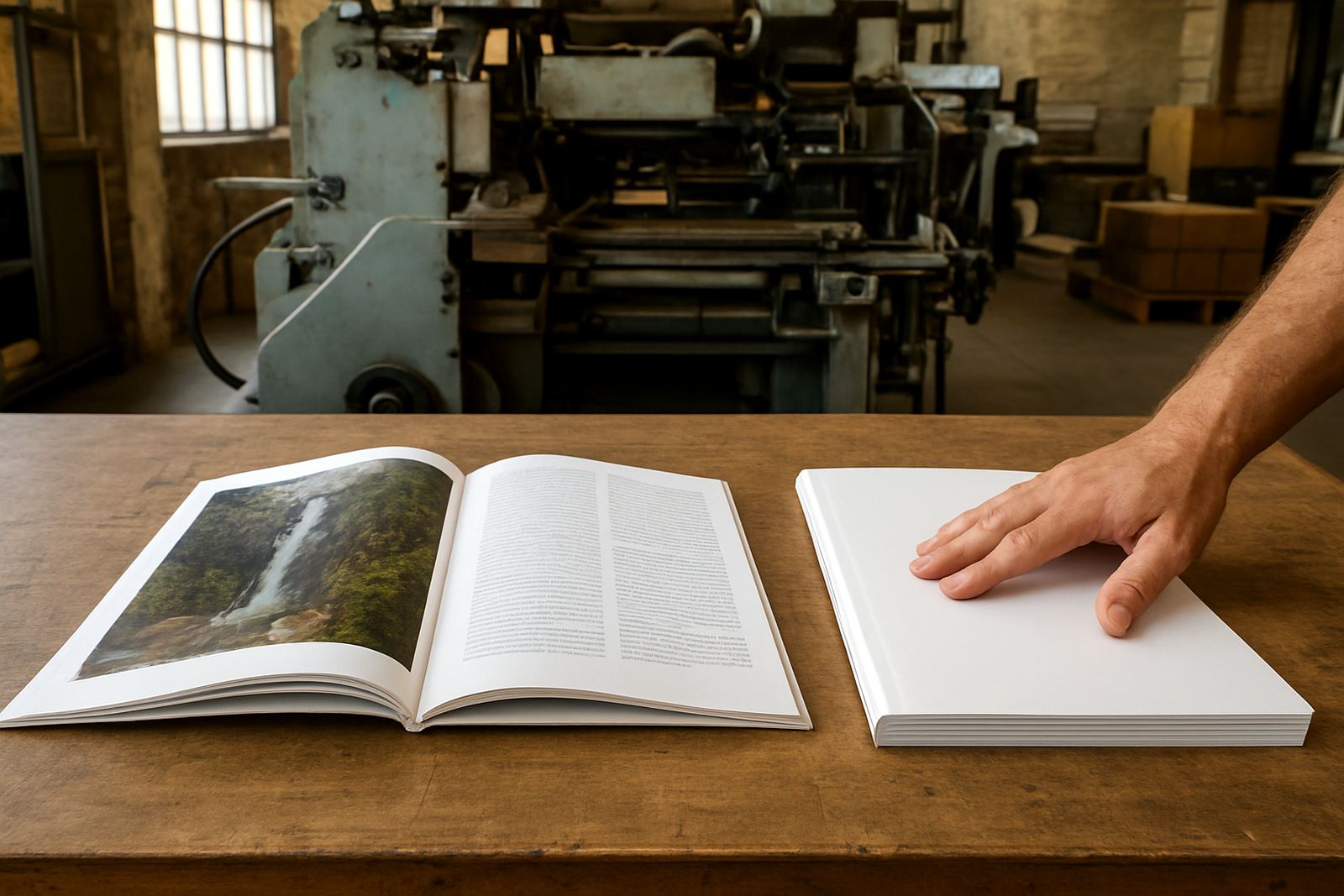
Before you choose a binding method, think about the reader. A slim internal newsletter, a seasonal catalogue, and a 120 page publication do not need the same treatment. If the magazine is for quick reading, event handouts or inserts that are posted in bulk, stitched binding often makes sense. If it is a premium publication that must sit neatly on a shelf or coffee table, perfect binding gives a more book like finish.
The other question is frequency. A monthly magazine that must be easy to post, stack and open flat may suit stitching. A quarterly publication with more pages, stronger cover stock and a longer shelf life may justify perfect binding. In practical terms, the binding should match the life of the magazine, not just the look you want on press day.
- Short run and light reading often suits saddle stitching.
- Longer page counts usually need perfect binding.
- Magazines kept for reference need a stronger spine and cover.
What stitched binding does best
Saddle stitching uses wire staples through the spine and works well for magazines with fewer pages. It is cost effective, quick to produce, and a sensible choice when you need clean folding, neat trimming and easy distribution. For many South African publishers, this is the practical option for issues that go out to members, clients or event guests.
It is also a good fit where the magazine must open flat, such as a product guide, training booklet or programme. Pages move easily, which helps when the publication includes forms, schedules or price lists. In humid coastal areas, a stitched magazine can also be easier to pack and handle in bulk, since there is no glue spine that needs extra cure time.
- Best for magazines with a lower page count.
- Works well for fast turnaround and distribution.
- Ideal when flat opening matters.
There are limits though. Once the page count climbs, the folded sections begin to push against each other and the spine can swell. That affects the trim and can make the magazine look uneven. If the issue is thick, stitched binding may not be the right answer even if the artwork is strong.
When perfect binding is worth it
Perfect binding uses glue along the spine, with the cover wrapped around the pages to create a square backed finish. It gives magazines a more substantial feel and is often chosen for premium publications, reports, branded magazines and annual editions. If your title needs to look polished on a shelf or in a reception area, this finish carries weight.
In Johannesburg and Pretoria, many publishers choose perfect binding for issues that are sold rather than handed out. The spine gives the publication presence, and it also gives space for a title, issue number and date. That helps with filing and storage, especially for libraries, offices and institutions that keep copies for later use.
Perfect binding does need careful planning. The paper stock, cover thickness and spine width must all be measured properly. If the content changes late in the process, the spine calculation must be checked again. A rushed adjustment can leave the cover too tight or too loose, which is not something you want on a paid publication.
- Suitable for higher page counts.
- Better for retail copies and premium presentation.
- Allows spine text for filing and display.
Page count, paper and cover choices all affect the result
Binding is not decided by finish alone. Page count, paper weight and cover stock all affect the final outcome. A 48 page magazine on lighter text paper behaves very differently from an 80 page title printed on heavier sheets. The same applies to covers. A laminated cover gives more protection in handling and delivery, especially if the magazines are going to Durban, Port Elizabeth or coastal areas where humidity can be a factor.
A useful way to weigh up the binding options:
- If the issue is slim, stitched binding is usually the first option to consider.
- If the issue needs a spine, perfect binding is more practical.
- If the magazine must survive transport, shelf time and repeated handling, use a stronger cover and finishing plan.
At Printing House, we check the job from prepress through to final packing so the binding choice suits the print method as well. Offset printing is often used for consistent quality on larger runs, while flexo printing can suit certain publication components and packaging related print work. The important part is that the finish is matched to the job, not copied from the last issue.
Finishing touches that shape the response
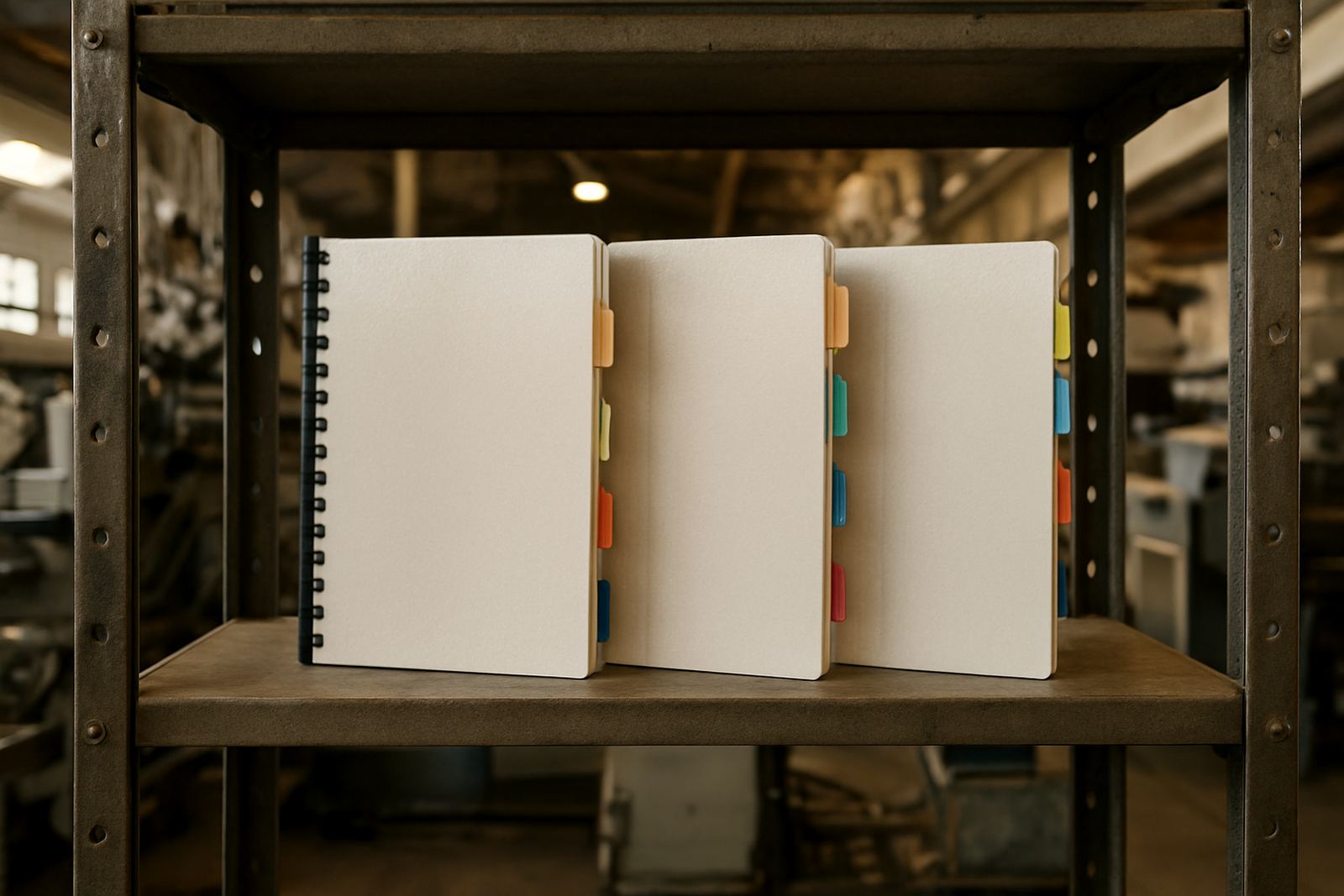
Once the binding method is chosen, finishing helps the magazine hold up and present well. Cover lamination gives extra protection against scuffing and finger marks. Foil finishing can be used for titles, special covers or annual editions where the client wants a more formal look. Die cutting is useful when a magazine needs a shaped opening, tab, or special cover detail.
These extras should be used with care. A magazine for schools or bulk distribution in Gauteng usually needs durability first. A high-end house magazine for a brand launch may justify more finishing work. The key is to avoid adding features that do not serve the reader or the budget.
- Use lamination for handling and surface protection.
- Use foil sparingly for emphasis on covers or titles.
- Use die cutting when the shape or access adds real value.
Good finishing is not about making the job busy. It is about making the publication hold together, look tidy and read properly from first page to last.
A Johannesburg example: one issue, two binding routes
Consider a publisher in Sandton preparing a 40 page event magazine and a 96 page annual review. The event issue needs fast packing, low postage and easy handout at a venue in Midrand, so saddle stitching is the practical choice. The annual review will sit in offices across Johannesburg Central and Pretoria for months, so perfect binding gives it better shelf presence and a stronger spine.
That kind of split is common. A single publication house may produce different titles with different requirements, even when the branding stays the same. The smart move is to assess the use of each issue before production begins. It saves time and avoids paying for binding that does not suit the job.
For publishers working to tight dates, a local production team also matters. If changes come in late, you need prepress checks, colour proofing and bindery coordination to happen in order. That helps keep the issue on schedule, even when the load-shedding timetable or courier cut-off makes the week awkward.
Choosing the right partner for print and binding
Magazine binding is a technical decision, but it should still feel straightforward. You want clear advice, accurate page calculations, neat trimming and reliable dispatch. That matters whether the job is going to Industria, Randburg, Roodepoort, the East Rand or anywhere else in South Africa.
Printing House works with publishers, authors and businesses that need practical guidance on binding, finishing and delivery. The team checks the file, confirms the page count, plans the binding method and then handles packing and dispatch with the final use in mind. That approach keeps the process tidy and helps avoid costly rework.
- Ask how the magazine will be used and stored.
- Confirm page count before choosing the binding method.
- Check whether the cover finish needs extra protection.
If you are deciding between stitched and perfect bound magazines, the best answer is usually the one that fits the reader, the page count and the budget all at once. That is the sort of decision that pays off issue after issue.