
Why factory manuals fail when the pages are hard to use
A factory manual is not a marketing piece. It sits on a bench, gets thumbed through by shift teams, marked with notes and carried from one machine to the next. If the type is too small, the headings are unclear or the page order slips, people start skipping steps. That is where mistakes happen.
In Johannesburg plants, especially in Industria, manuals often need to work for more than one department. Maintenance, dispatch, stores and production may all refer to the same book. A good layout keeps each section easy to find, even when someone opens the manual in a rush during a breakdown or changeover.
- Use clear section heads for safety, operation, cleaning and fault finding.
- Keep numbering consistent from cover to final page.
- Leave writing room in the layout for notes made on site.
Layout choices that help operators on the floor
The best manuals are built around how people actually read them. In a workshop, no one has time to hunt for a paragraph hidden in a block of text. Simple typography, strong contrast and a sensible page grid make a big difference. This is where prepress checks matter, because a small layout problem can become a costly print run error.
We often see manuals that need a mix of text, tables and diagrams. That calls for careful page planning so illustrations sit next to the right instructions. If a machine has multiple set-up stages, each stage should have its own heading and step list. The result is fewer calls to supervisors and fewer avoidable stoppages.
- Choose font sizes that remain readable under factory lighting.
- Keep diagrams close to the related steps, not separated by pages.
- Use colour only where it has a job, such as warnings or section dividers.
Binding that can handle oil, dust and constant handling
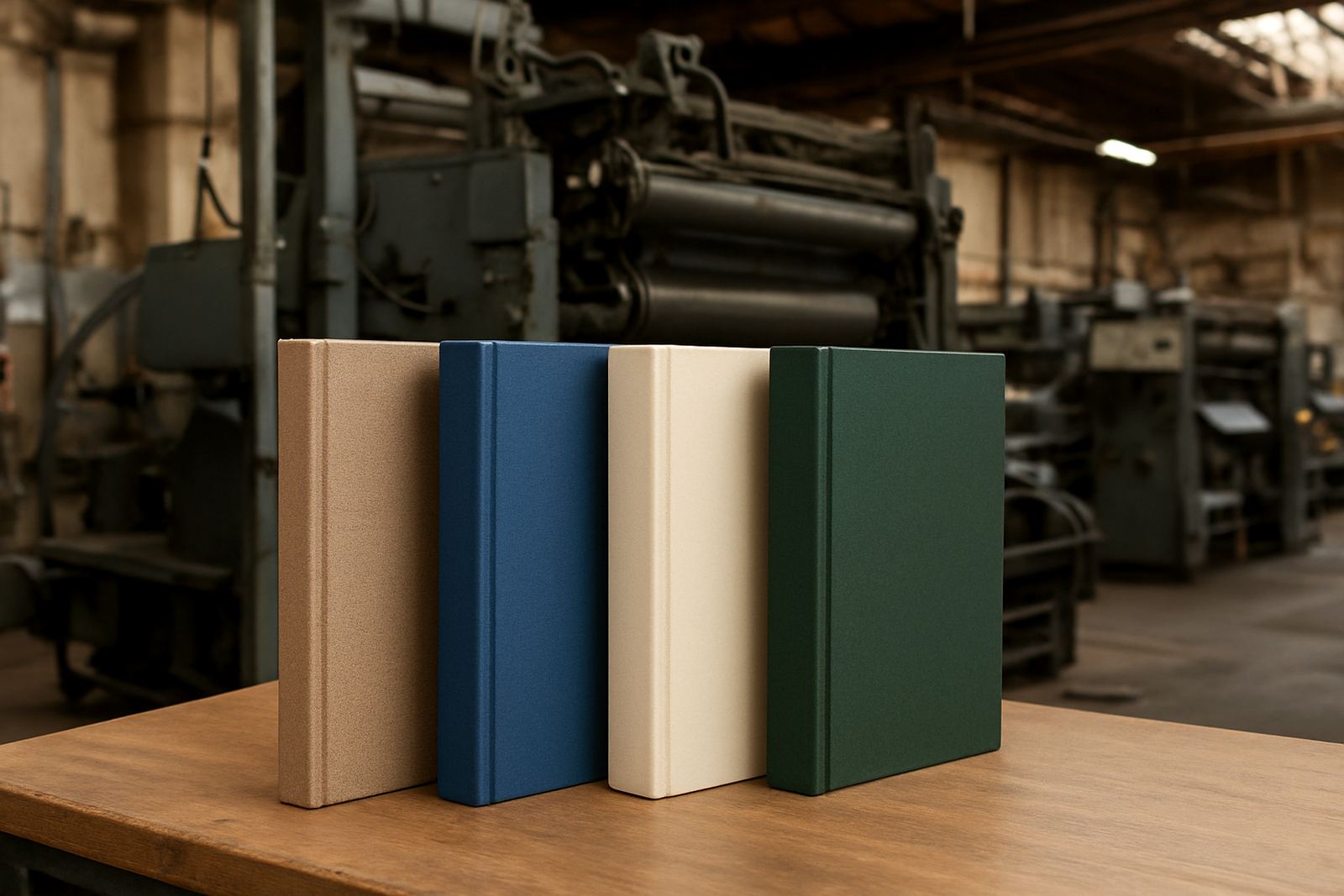
A factory manual that falls apart after a few weeks is poor value, even if the print quality looks good on day one. Binding must suit the use case. For slimmer manuals, saddle stitching can be practical. For thicker instruction sets, perfect binding or section sewing gives better strength. When manuals are updated often, the format must also allow for reprints without making the whole set awkward to replace.
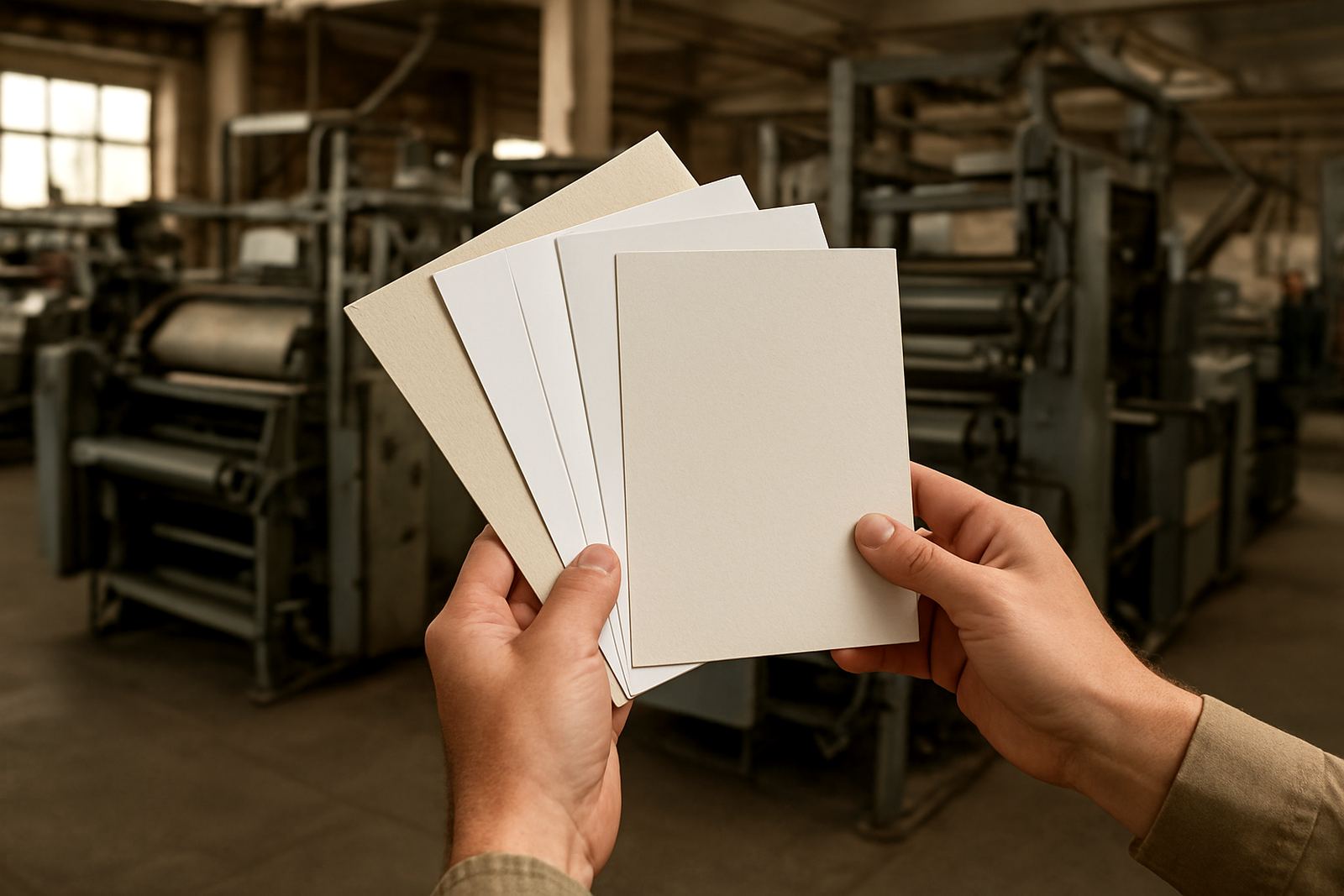
Cover choice matters as well. A laminated cover helps resist grime, light moisture and scuffing from workbenches. In some plants near the coast, humidity can curl lighter paper if stock selection is too thin. That is why material choice needs to match the environment, not just the page count.
- Use heavier cover stock for manuals kept near production lines.
- Choose binding methods that stay flat when opened repeatedly.
- Allow for tabs, inserts or revision pages if procedures change often.
How proofing prevents expensive reprints
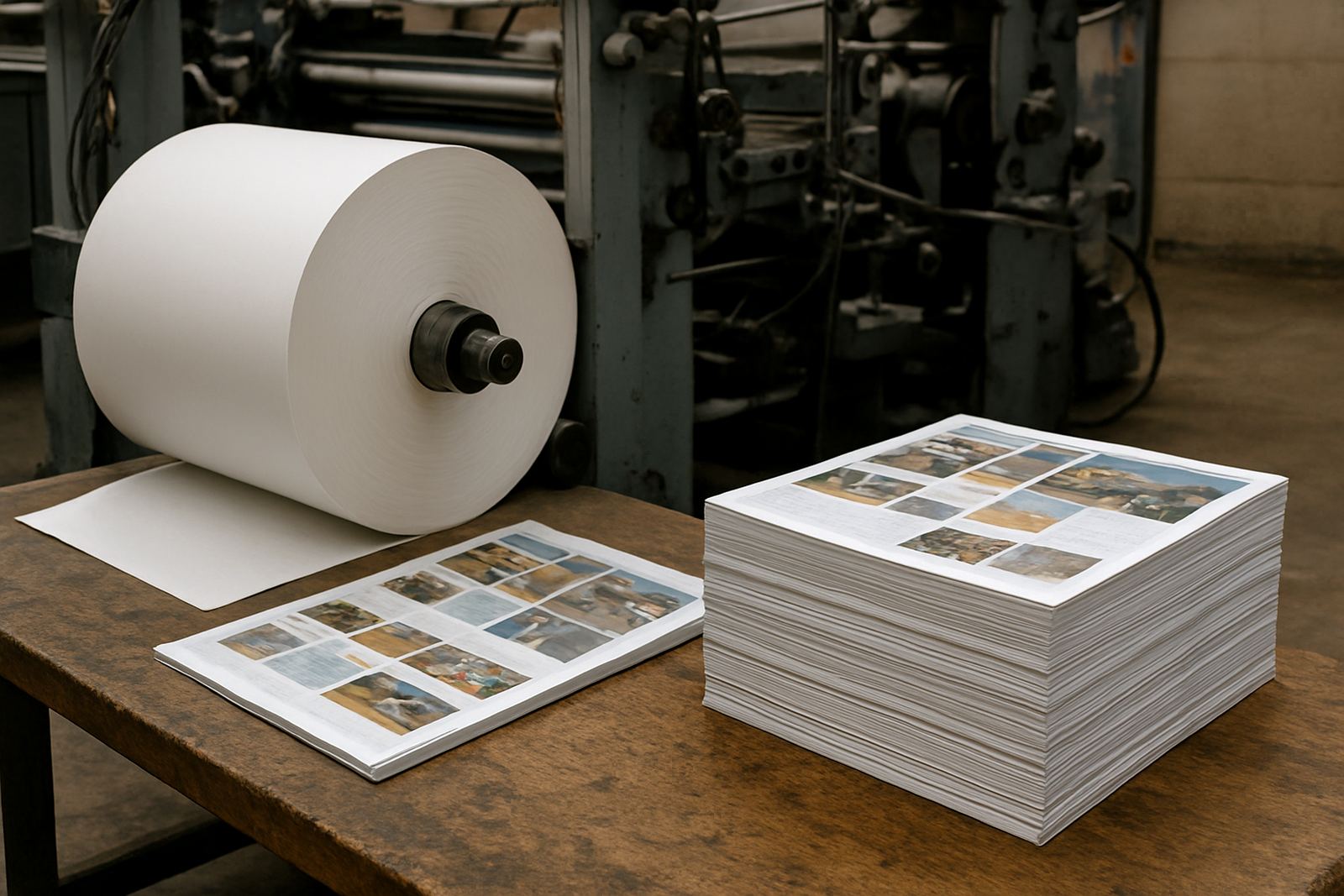
Factory manuals leave little room for error. A swapped part number, wrong setting value or missed warning can lead to downtime or safety issues. Proper colour proofing and prepress checks are not extras, they are part of getting the job right. Before any run starts, every table, label, image and page reference should be checked against the source copy.
For manuals with technical illustrations, a proof also helps confirm that fine line work and symbols reproduce cleanly. If a page includes a process flow or maintenance chart, clarity must hold up when the book is handled on site. One missing page can throw off the whole sequence, so pagination and section order need extra attention.
In our experience, it is often the small details that cause trouble, like a unit of measure written once as mm and again as cm, or a diagram label sitting too close to a fold. Catching those before print saves time, paper and frustration.
Finishing options that protect manuals in South African conditions
South African factories face a mix of dust, heat, transport movement and sometimes power interruptions that affect storage and handling. A manual packed for delivery to Midrand or the East Rand may need to travel further and survive more handling than one kept in a head office filing room. Good finishing keeps the pages intact through all of that.
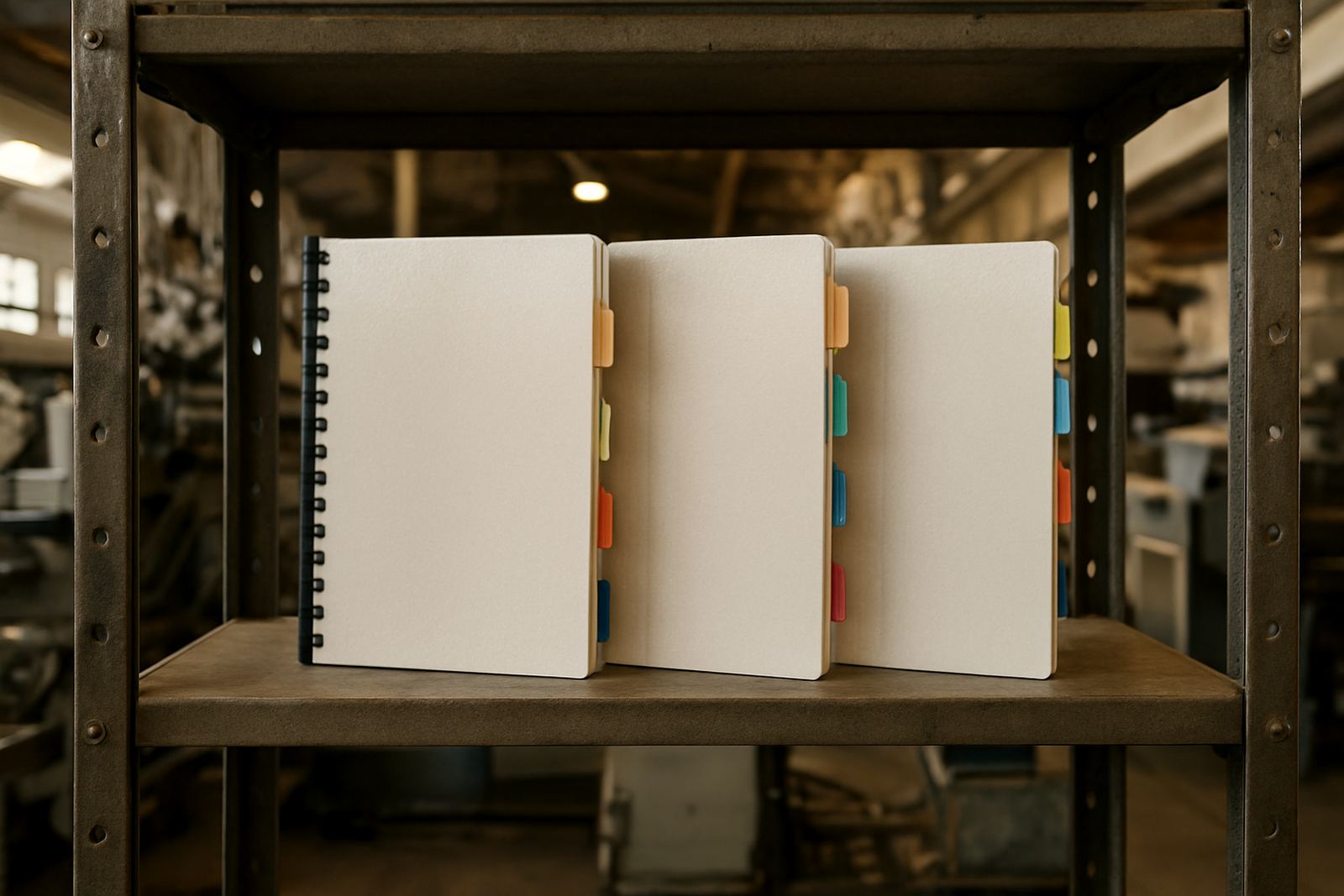
Finishing choices should match the job, whether the manual is for a single site or for branches across Pretoria, Randburg and Roodepoort. Die cutting can help with dividers or tabbed sections. Foil finishing can be used sparingly for section marks or document identification, while packing and dispatch must protect corners and edges so the books arrive neat.
- Lamination helps with surface wear on covers and frequently used guides.
- Die cutting supports quick navigation with tabs or indexed sections.
- Careful packing reduces bent corners and crushed spines during courier delivery.
A Johannesburg example: from shop floor notes to a usable manual
Take a parts manufacturer in Industria updating its machine operating manual. The old version had long paragraphs, a thin cover and no clear section breaks. Operators kept phoning the supervisor for the same answers, and new staff took too long to get comfortable with the process. After the content was reorganised into shorter steps, clean tables and a clearer contents page, the manual became much easier to use.
The print spec then matched the use on site. Stronger paper, a laminated cover and a binding method suited to frequent opening made the manual last longer on the line. Copies were packed for delivery to different branches, so each site received the same standard. That kind of consistency helps when one business has teams moving between Johannesburg Central, Sandton and Pretoria.
For publishers and businesses producing operational guides, this is the simple truth: good manuals are not just printed, they are engineered for daily use. That means readable layout, durable stock and finishing that holds up under pressure. Not fancy, just practical and dependable.
What to prepare before sending a manual to print
The smoother the source material, the cleaner the final book. Before production starts, it helps to gather the final text, image files, revision notes and any page size requirements. If the manual will be updated later, think about how new sections will be inserted or replaced. A little planning now can save a full reprint later.
When clients send manuals through the enquiry form, it helps to mention the intended use, the expected page count and whether the books will live on the floor, in an office or in both places. That tells the print team what sort of paper, binding and finishing will hold up best. It also helps us plan packing and dispatch for nationwide delivery.
- Confirm the final page count before proofing starts.
- List any special symbols, warning blocks or colour-coded sections.
- State whether the manual is for regular use, training or compliance records.