
Why a good fold matters before any binding starts
A publication can have strong writing and good artwork, but if the fold is out by even a few millimetres the pages will not sit properly. That shows up in uneven margins, creeping images, page pairs that do not line up and covers that look slightly off centre. For publishers, authors and businesses, that means more spoilage and more time spent correcting work that should have moved straight into finishing.
Fold accuracy matters on short-run booklets just as much as on larger magazine runs. When sheets are folded cleanly, the next steps are easier: saddle stitching sits neater, perfect binding trims better, and case-bound sections stack more evenly. It also helps keep page numbers in order, which is important when you are running inserts, supplements or training manuals with mixed page counts.
How fold accuracy is checked in a working print run
At print level, folding is not treated as a quick final step. The sheet size, paper bulk, grain direction and imposition all affect the outcome. Heavier stock behaves differently to lighter magazine paper, and a coated cover needs different handling to an uncoated text sheet. In Johannesburg’s dry winter air, static can also create feeding issues, while in coastal areas delivered work may need a bit more care before finishing if the stock has picked up moisture.
- Checking the fold line against the printed page layout before the run starts
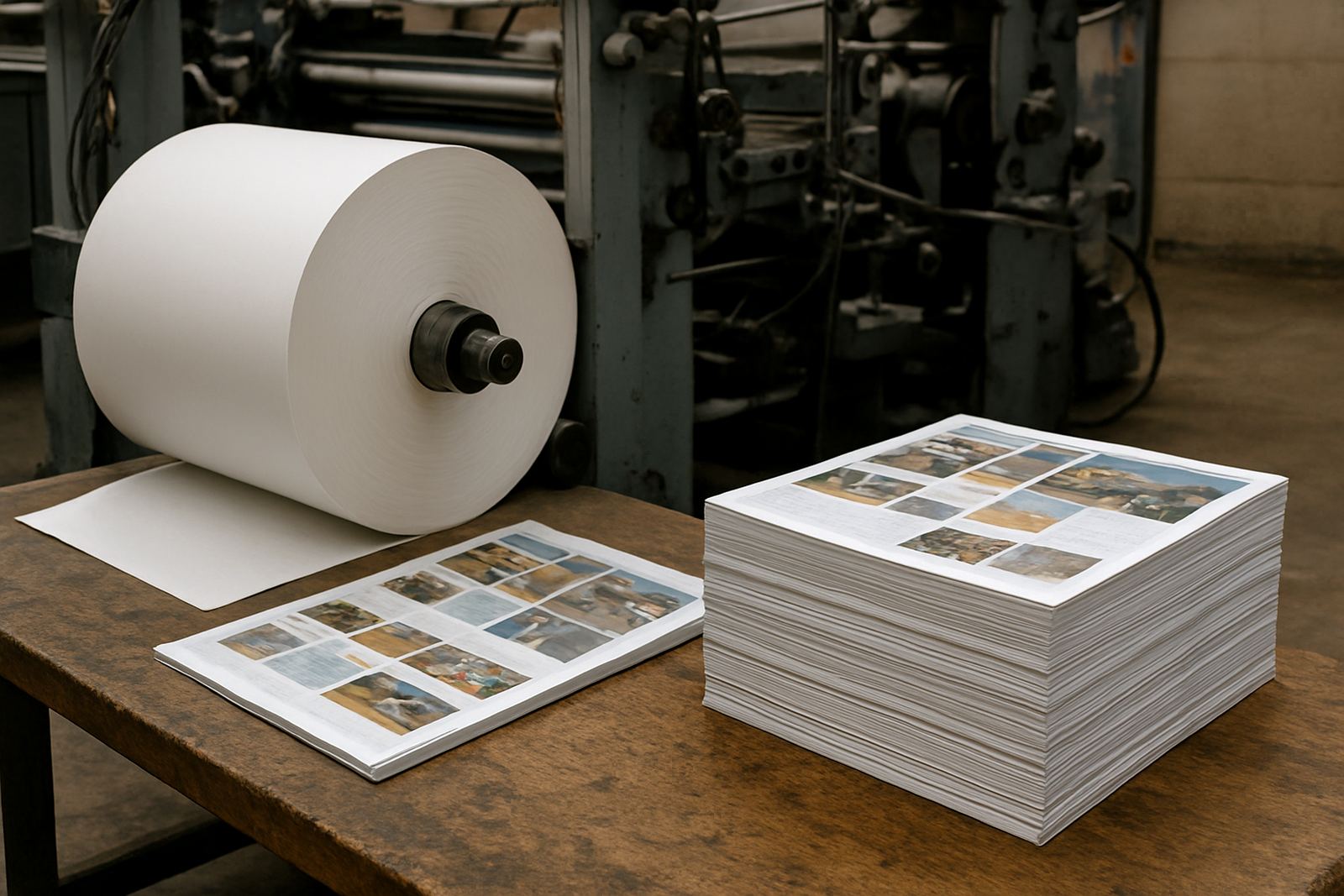
- Watching for creep on multi-signature booklets and sewn sections
- Testing the first folded samples for square edges and even panels
- Confirming that trims will leave all pages within the safe area
- Keeping an eye on paper grain so the fold does not crack or spring open
Common causes of poor fold results and how to avoid them
Most folding problems are preventable if the job is planned properly. Some happen because the page layout was set too close to the trim line, while others come from paper that is too thick for the fold structure chosen. If a magazine is packed with inserts or has several sections, the fold sequence has to be planned in advance or the pages will build up unevenly.
Load-shedding can also interrupt a run, so finishing teams need to restart carefully and recheck the first folded copies after power returns. A machine that was running well before the outage may need a fresh setup once it comes back online. That small pause is often worth it because it protects the job from misfeeds, skew and wasted sheets.
- Allow enough inside margin so text does not disappear into the spine
- Match the paper weight to the fold style and binding method
- Do not force very heavy boards through a light magazine fold setup
- Recheck tension and guides after any stoppage or power cut
What magazines and booklets need in real South African conditions
Local publishing work often travels far after it leaves Industria. A magazine headed for Sandton offices, school packs in Pretoria or product guides for East Rand distribution must arrive flat, square and easy to open. If the fold is slightly off, the whole stack can look untidy before it even reaches the reader.
We often see this with programmes, catalogues and community newsletters where the print run is modest but the presentation still matters. A local example would be a 48-page community event booklet going to schools and sponsors across Johannesburg Central and Midrand. If the fold marks are not accurate, the stitched spine can drift and the cover may not sit true. That is the difference between a professional handout and one that feels rushed.
Folding for saddle stitching, perfect binding and sewn sections
The fold has to suit the finish. Saddle stitched work needs a sharp clean fold so the pages lie well on the wire and the spine closes properly. Perfect bound books depend on square folded sections so trimming leaves a neat text block. For section sewn books, each folded section must line up before sewing begins or the final book may open unevenly.
- Saddle stitching: best for magazines, event guides and slim catalogues
- Perfect binding: suited to thicker reports, manuals and journals
- Section sewing: useful where durability and flat opening matter
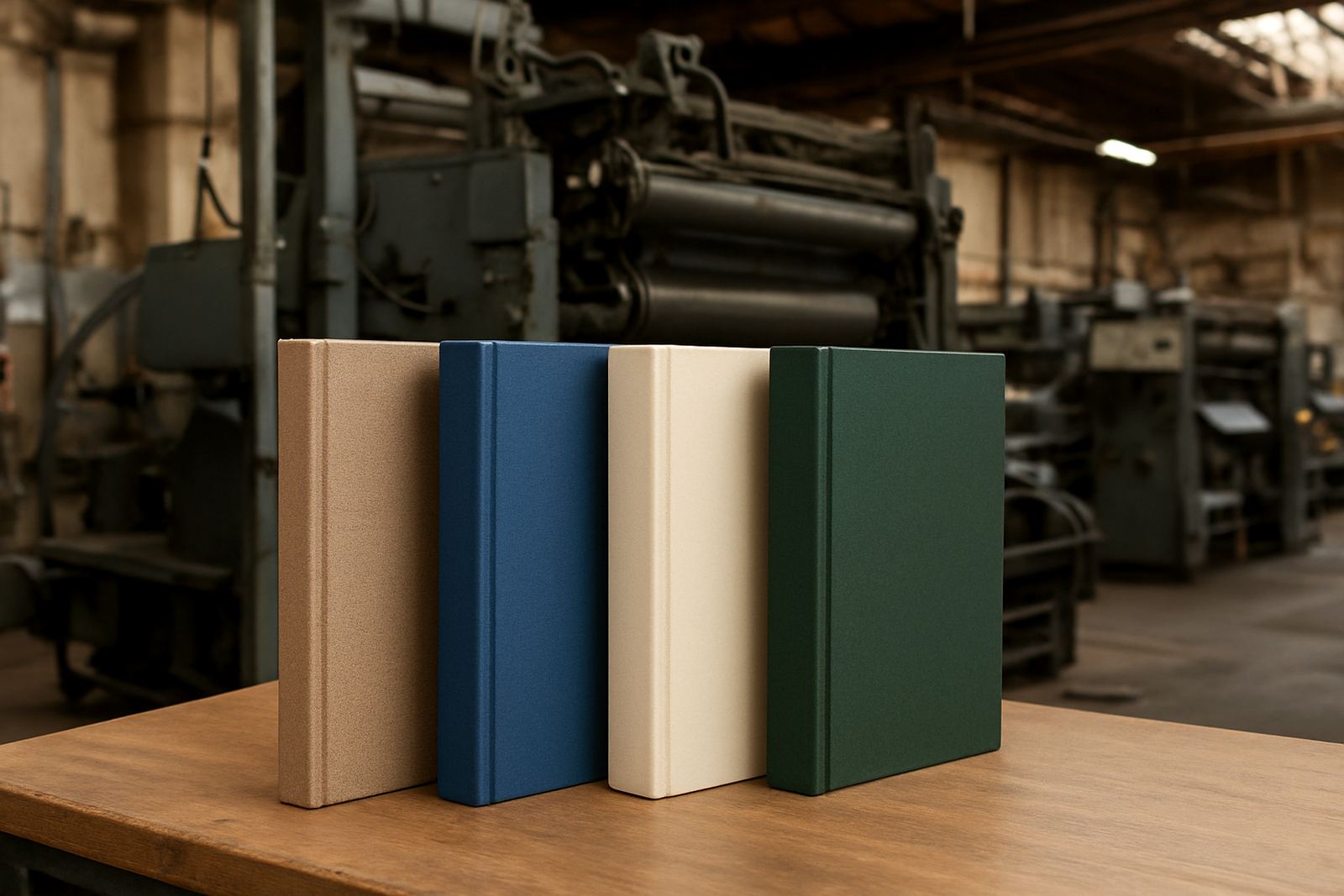
- Case binding: needs careful folded sections before the hard cover stage
When the fold supports the chosen binding method, the publication opens better and wears better. It also helps the bindery team work faster, because the sections are already aligned and easier to manage.
A practical check list before your file goes to print
If you want folds to come out right, start with the layout and make sure the file is set up for the finished size. Keep text and key images clear of the spine area, especially on booklets with many pages. If the job includes lamination, foil or die cutting, those finishes must be planned around the folded format so the final product still sits square.
- Confirm finished size and page count before release
- Allow for creep on thicker magazines and books
- Check that covers and text sections use the same trim plan
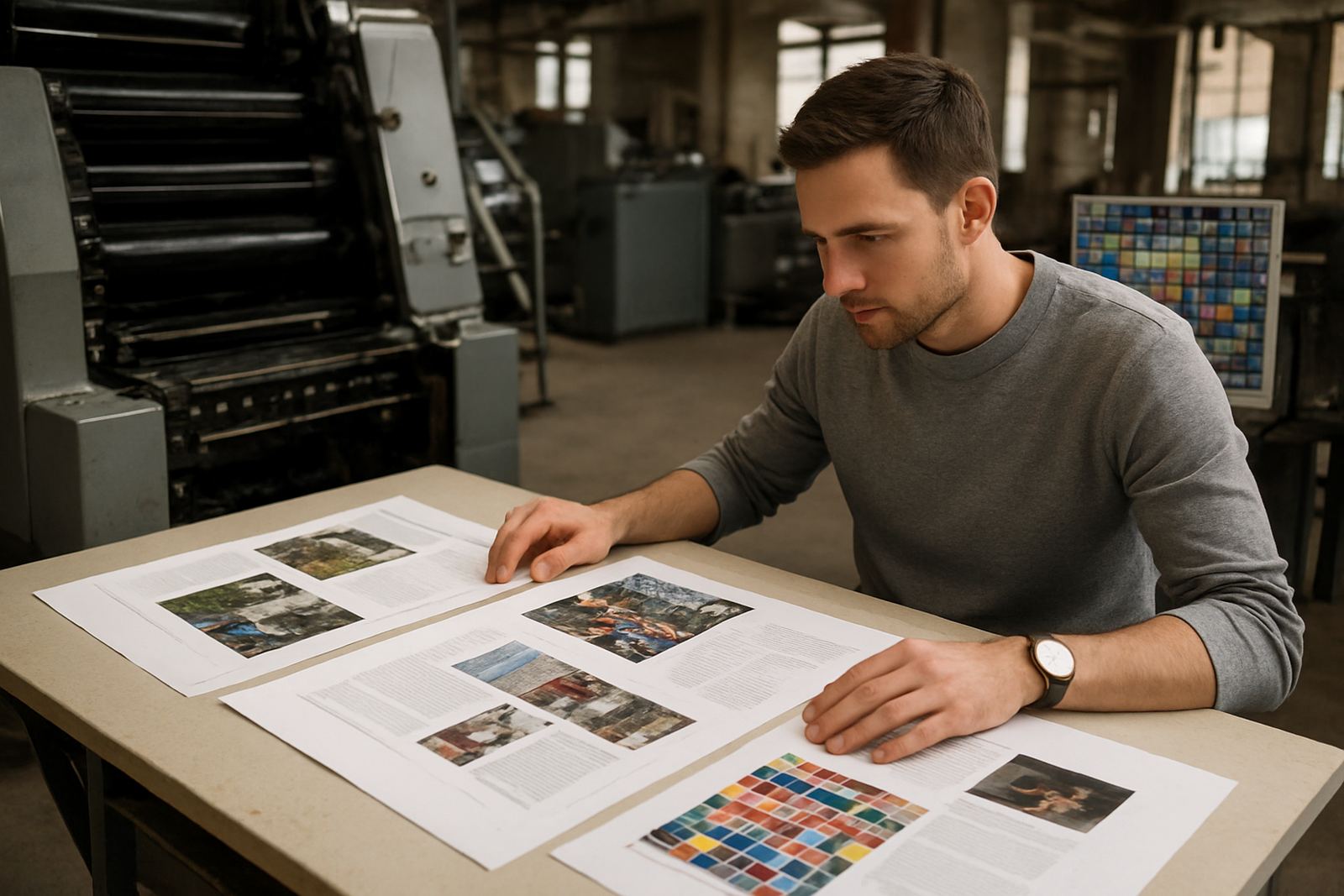
- Ask for proofing on jobs where folding accuracy is critical
- Plan packing and dispatch so folded work is not crushed in transit
Printing House works with publishers and businesses nationwide from Industria, and our production team checks folding as part of the wider print and bind process. That means the job is considered from prepress through to packing, so the final publication lands in good shape whether it is going to Randburg, Roodepoort or beyond.