
Why packing matters as much as print quality
When a magazine leaves the bindery, it is not finished until it has made the trip without bent corners, crushed spines or damp edges. Publishers often focus on paper, ink and binding, but the final handover to transport is where a lot of damage starts. A neat stack can still arrive looking tired if it was packed too tightly, shifted in transit, or exposed to moisture at a loading bay.
In Johannesburg, dispatch has to handle more than distance. You get warehouse dust in Industria, stop-start traffic toward Sandton or Midrand, and long routes to coastal towns where humidity can work its way into cartons. Good packing is not only about looking tidy on the pallet. It is about keeping the publication flat, clean and countable when the customer opens the box.
For publishers, that means treating packing as part of production, not an afterthought. The right method saves reprints, lowers complaints and makes bulk delivery easier to receive at schools, bookshops, offices and distribution centres.
Choose the pack method that suits the publication
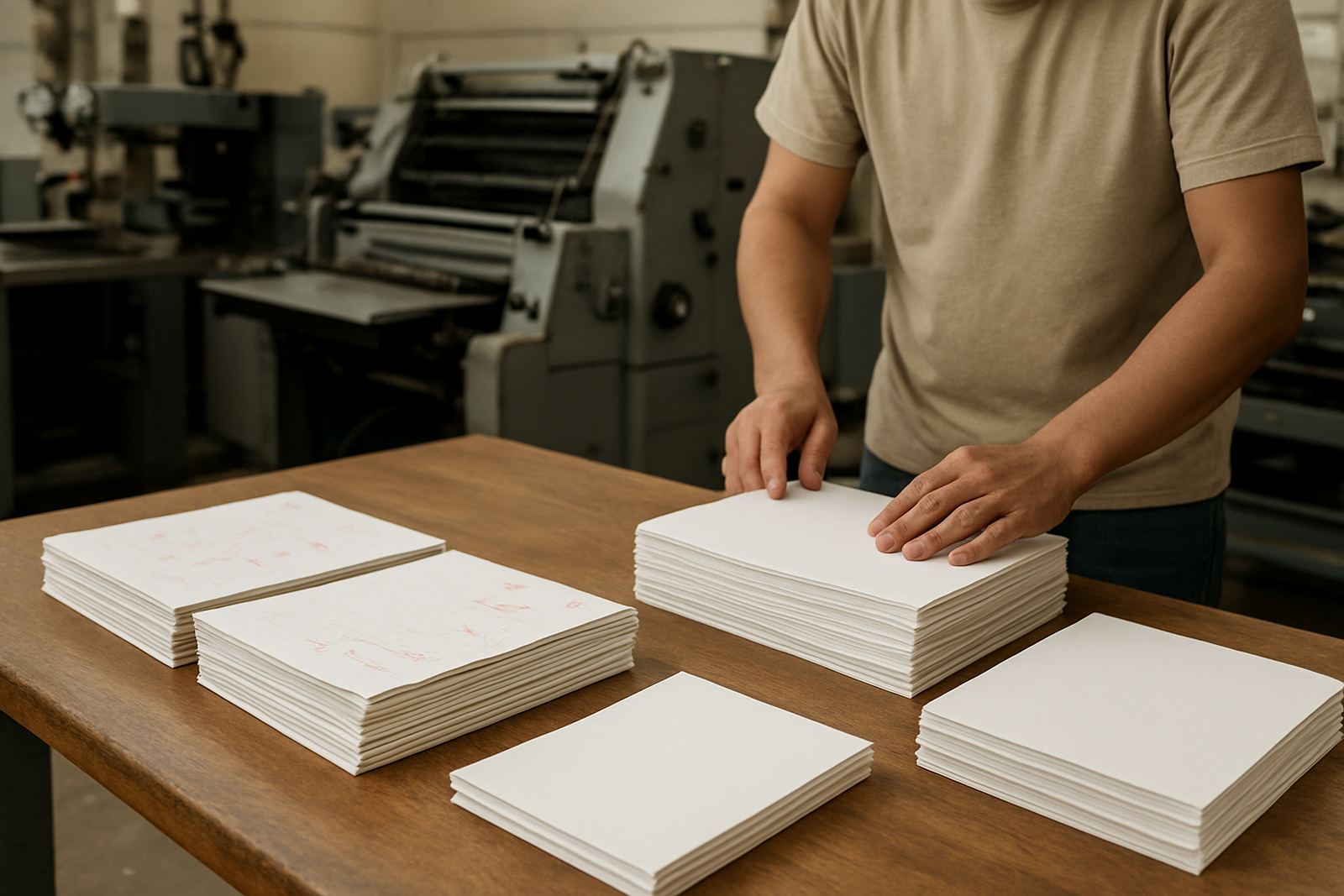
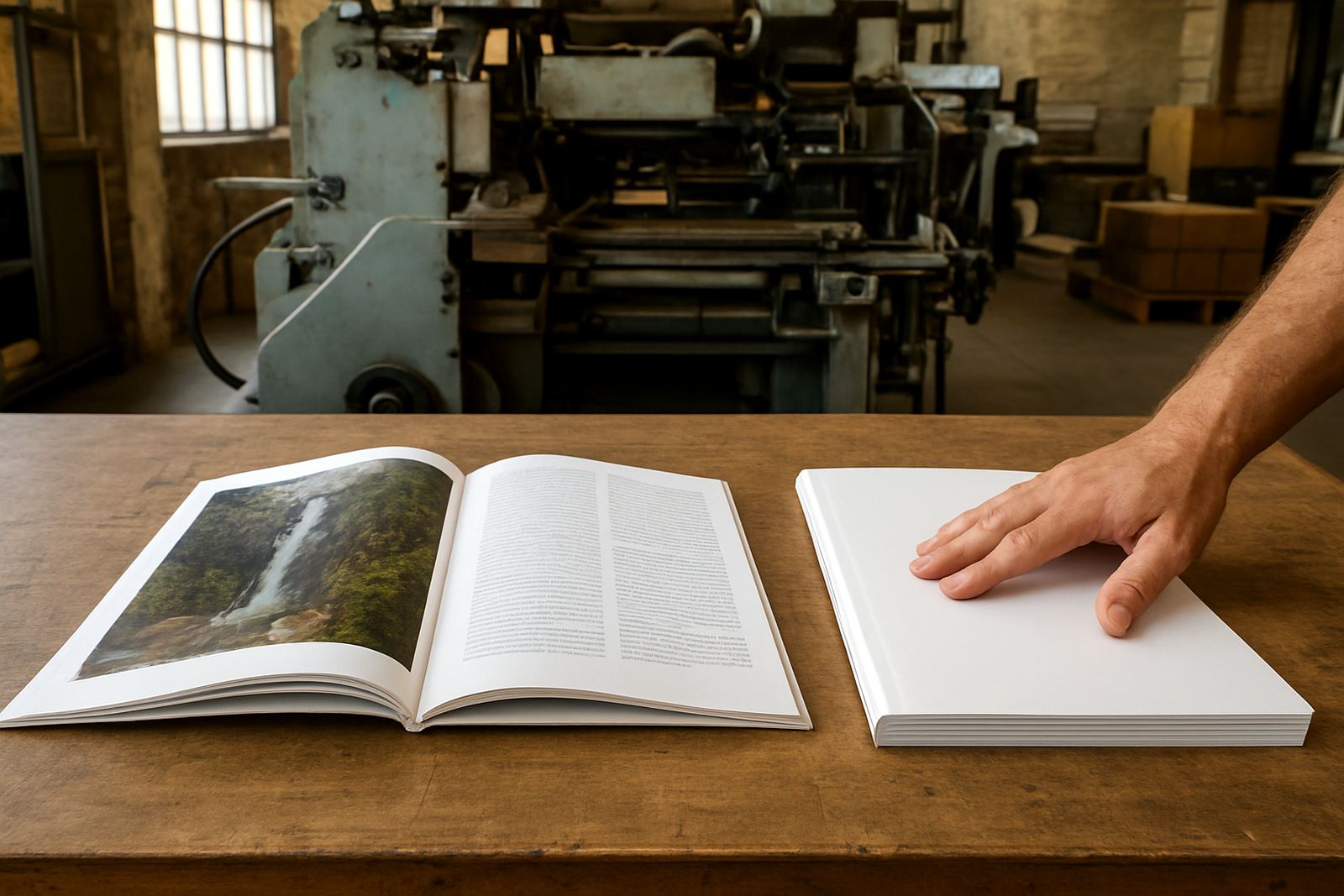
Not every title should be packed the same way. A thin 32-page magazine for a regional campaign needs different handling from a 240-page case bound book headed to libraries or corporate clients. Weight, binding style and page count all affect how a carton should be filled and sealed.
As a rule, lighter work can be packed in tighter bundles, while heavier books need support on the base of the carton and a stronger outer pack. Saddle stitched titles should stay square so the fold does not flare. Perfect bound and case bound books need edge protection so the corners do not get bruised in transit. If the pack is too loose, items move around. If it is too tight, corners warp and spines take pressure.
- Use smaller cartons for heavier books so the base does not collapse.
- Keep magazines face-to-face with clean slip sheets where needed.
- Separate mixed titles clearly, especially when one order includes several editions.
- Match the pack count to the final destination, not only to production convenience.
Moisture, dust and rough handling need simple defences
South African dispatch teams deal with a mix of dry inland air, summer rain and coastal humidity. A carton that looks fine in Industria can pick up moisture on the way to Durban, Gqeberha or Cape Town if it is not sealed properly. That is why wrap, liner quality and pallet protection matter. Even a short delay on a loading dock can cause edge swelling if the pack is exposed to damp air.
Dust is another everyday issue. Open trucks, warehouse floors and busy receiving areas can leave a fine layer on cover stock and lamination. If the publication is carrying foil finishing or a soft-touch cover, the surface should be handled with clean hands and protected before dispatch. The same applies when the load has to pass through several depots or couriers before it reaches the final client.
In practical terms, a few basic measures go a long way:
- Use clean outer wrap on finished cartons and pallets.
- Keep packs off the floor and away from standing water.
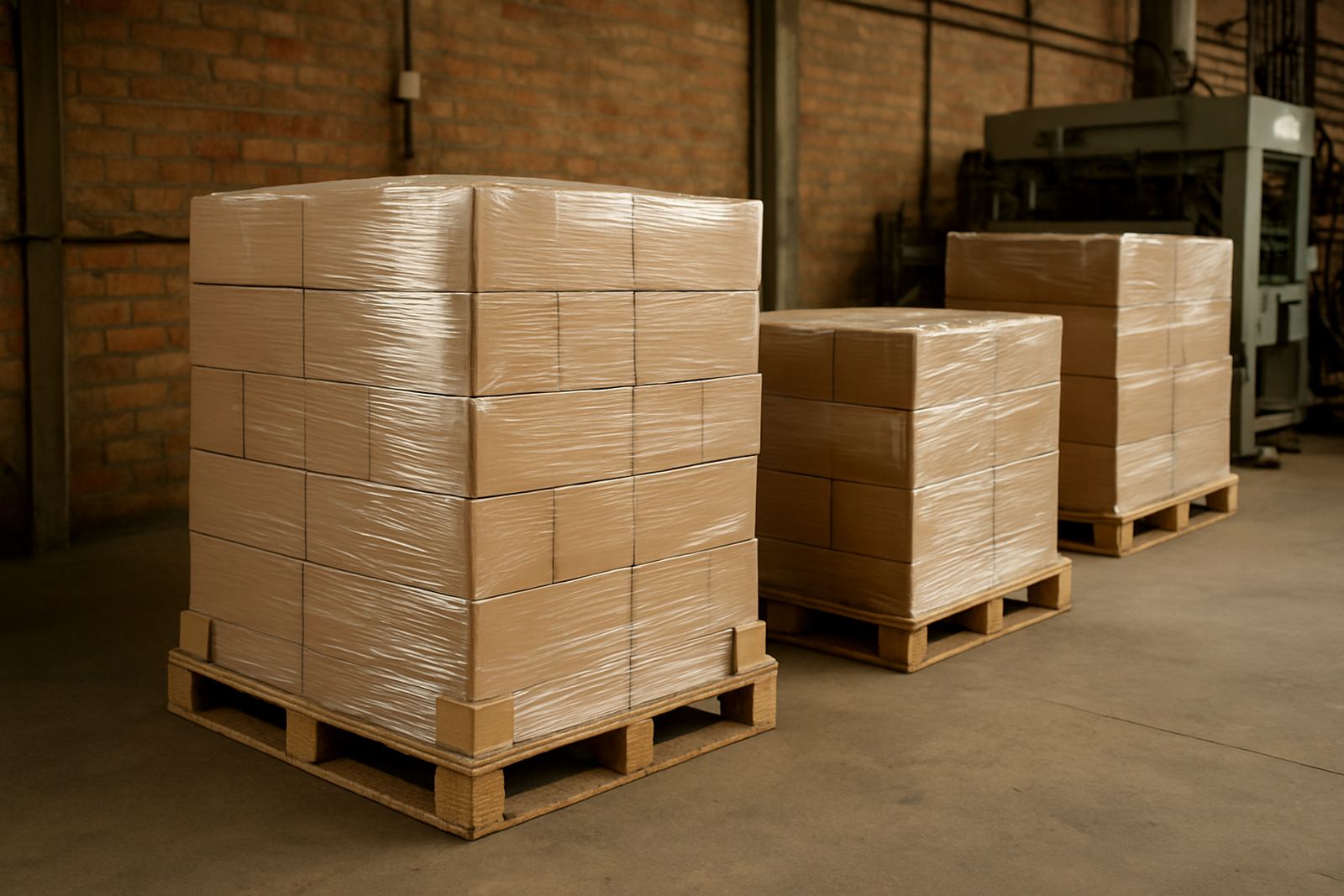
- Place heavier cartons lower on the pallet for stable stacking.
- Stretch-wrap the pallet so the load does not shift during braking or cornering.
Labelling saves time at receiving and on the road
Most dispatch problems do not start with damage. They start with confusion. If a pallet arrives at a publisher, printer or distribution point with unclear labelling, the receiving team has to open boxes to check quantities and titles. That slows everything down and increases the chance of mishandling. Clear labels are a small step, but they make the difference between a smooth handover and a noisy receiving bay.
Every carton should show the title, edition if there is more than one, quantity inside, and the delivery destination. For larger runs, a pallet label should list the total count and any split destination details. If the order is going to Johannesburg Central, Randburg, Pretoria or East Rand, the route note should be easy to read at a glance. This matters even more when stock is moving to several branches in one day.
It also helps to keep the pack list consistent with the finished goods count from production. A mismatch between the printed count and the dispatch count is one of the fastest ways to lose time. One missing carton can delay an entire release, and nobody wants that on a Friday afternoon.
Pallets, cartons and handover points must be planned together
Books and magazines travel best when the entire chain has been planned. That includes how they are carton packed, how the cartons sit on a pallet, and where the handover takes place. A loading bay with no cover can undo careful packing if the truck arrives during a rain shower or if the shipment stands in direct sun for too long. Adhesives, shrink wrap and paperboard all react to heat and moisture in different ways.
At Printing House, dispatch planning starts with the finish specification. A laminated cover may resist scuffing better, but the rest of the pack still needs support. Section sewn titles have different spine behaviour from saddle stitched work, so they should be packed with enough room for the bindery finish to hold its shape. The aim is simple: keep the product looking like it left the machine, not like it had a rough trip through Gauteng traffic.
For bigger publisher orders, split loads can also help. Rather than sending every carton at once, it may be better to stage the load by destination or by release date. That way the receiving team only opens what they need, and the remaining stock stays protected until it is required.
A local dispatch example from Industria to coastal stock rooms
Consider a magazine run packed in Industria for delivery to a publisher with receiving points in Sandton and Durban. The Johannesburg cartons can go in smaller numbers for quick handover, while the coastal stock needs stronger outer wrap because the trip is longer and the air is wetter. If the Durban cartons are packed too loosely, the first transfer between vehicles can leave the top layer marked or bent. If they are overfilled, the spine edges press against the carton wall and the corners start to curl.
In that kind of order, the smartest approach is to keep the cartons uniform, mark each destination clearly and load the pallet so the heaviest boxes sit at the bottom. The driver then knows what must come off first, and the receiving team can count it without opening every single box. It sounds basic, but it prevents a lot of complaints and back-and-forth.
For publishers working nationwide, that level of care is what turns printing into a dependable supply chain. Whether the delivery goes to Pretoria, Roodepoort, Midrand or further afield, the same rule applies: good packing protects the publication, and good dispatch protects the schedule.
What publishers should ask before the load leaves
Before any books or magazines leave the production floor, it helps to run a last practical check. This is where small mistakes are caught early, before they become costly returns or damaged stock claims. A few minutes at dispatch can save days of complaint handling later.
- Are the cartons sealed, labelled and counted against the job sheet?
- Has the load been protected against rain, dust and shifting during transport?
- Are the correct quantities going to each branch or delivery point?
- Has the pallet been wrapped well enough for road vibration and braking?
- Is the receiving team expecting the shipment and ready to check it on arrival?
At Printing House, packing and dispatch are handled with the same attention given to offset printing, flexo printing and finishing. That matters because the job is not complete until the publication arrives in good condition. From prepress checks to packing methods, each step has to support the one after it. When that happens, publishers get fewer surprises, cleaner deliveries and better looking stock at the end of the trip.