
Why pagination checks save time and money
Pagination is more than counting pages. It is the point where text, images, adverts and blank pages must all line up with the binding method, the trim size and the final page count. If that stage is rushed, the job can still print but it will not bind correctly, and that means delays, wasted paper and extra finishing costs.
For publishers in Johannesburg, Pretoria and further afield, those mistakes are harder to fix once a truck has already been loaded for dispatch. A missing page in a 128 page magazine or an extra spread in a 64 page catalogue can change the whole imposition plan. That is why we check pagination before a job is approved for press, not after the sheets are printed.
- Check the final page count against the approved spec
- Confirm the trim size and bleed on every page section
- Match page order to the binding method
- Look for blanks, repeats and missing folios
Common mistakes that catch out print jobs
Many pagination issues come from simple file handling errors. A book can look fine on screen, but if page numbers shift after last minute edits, the content may no longer sit where it should. We often see front matter running long, chapter openings landing on the wrong side and adverts being placed without checking the final signature plan.
Another common problem is a mismatch between the manuscript and the printer's layout. A client may send text ready for 96 pages, then add two pages of acknowledgements and a new image spread the day before print. That sounds small, but it can affect saddle stitching, perfect binding or section sewing, depending on the job.
- Page numbers that do not run in sequence
- Chapter starts on the wrong page side
- Missing running heads or folios
- Unplanned blanks at the back or front
- Image spreads split across the gutter
How pagination checks differ by binding style
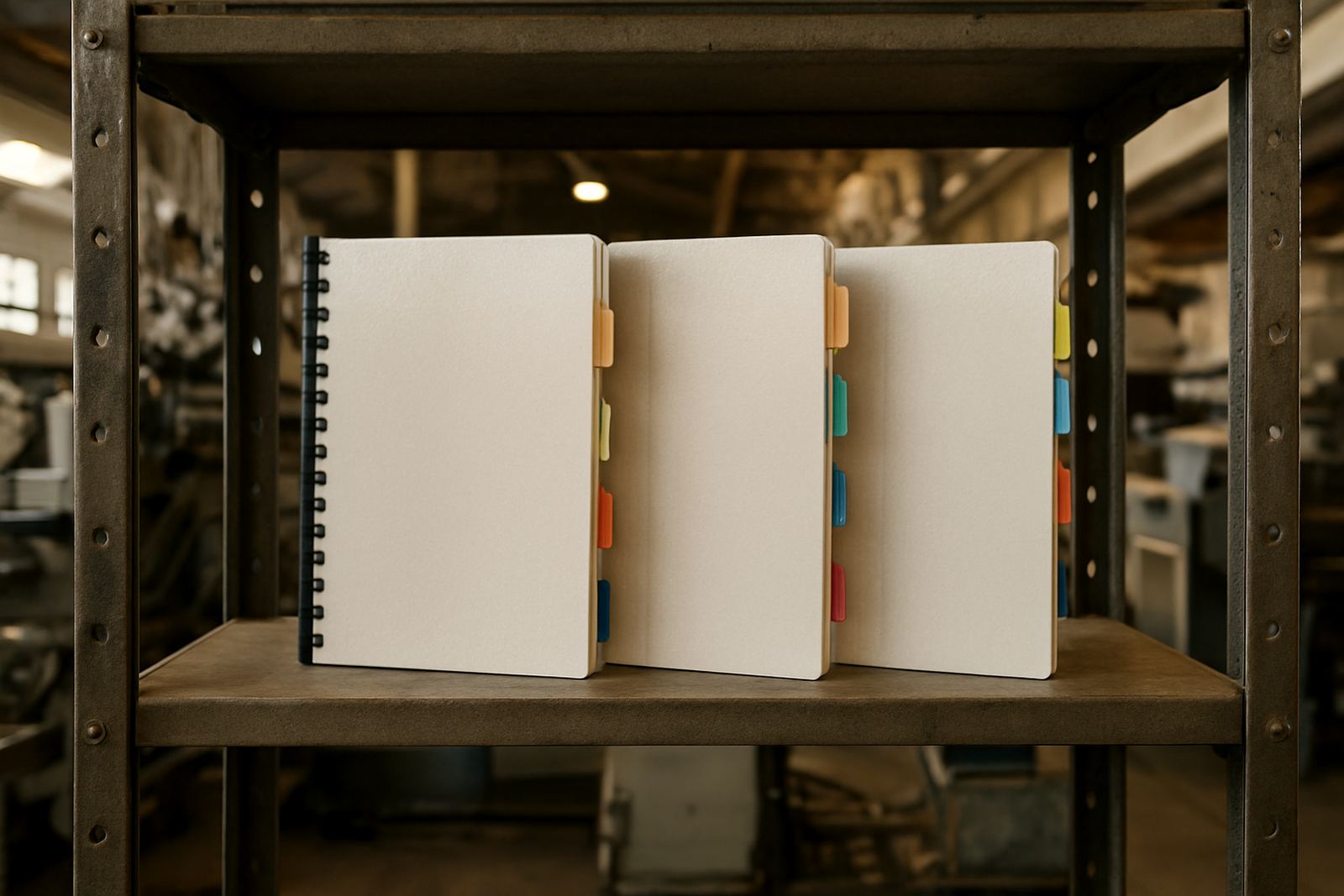
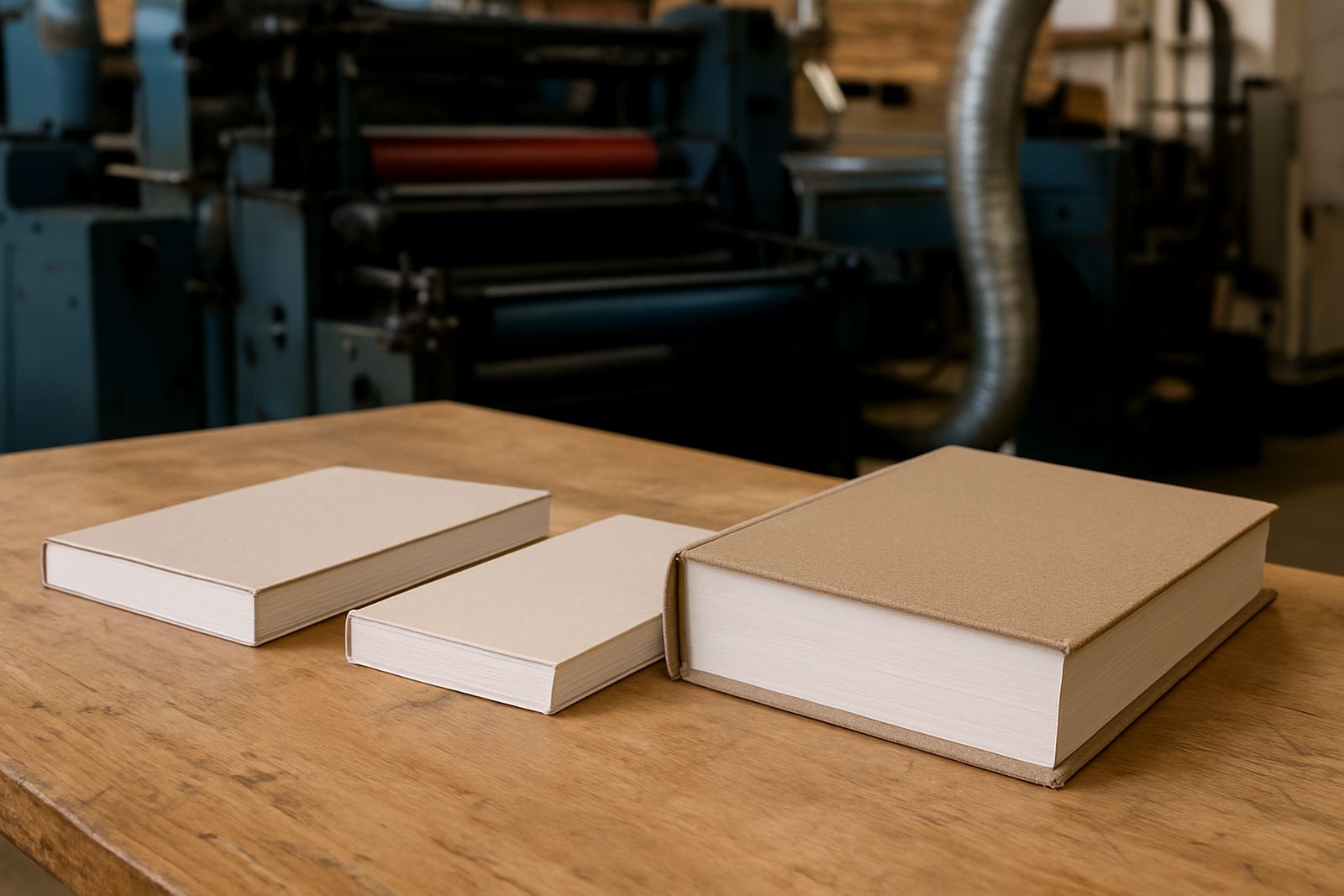
Different binding methods need different pagination discipline. A magazine for saddle stitching must usually work in page groups that suit the fold and staple positions. A perfect bound book needs the spine allowance, page count and cover wrap checked together. Case binding adds another layer because endpapers, section sewing and board cover allowances all have to line up neatly.
For flexo printed wraps and labels, pagination may sound less important, but sequential artwork and panel order still matter. If a pack insert is numbered wrongly or a fold-out panel is out by one position the whole pack can look unprofessional. That is why we treat pagination as part of the production plan, not just a proofing exercise.
- Saddle stitching: page count must suit the fold and staple positions
- Perfect binding: spine width and page count must be checked together
- Case binding: endpapers, sections and cover build must match
- Section sewing: signatures must be complete and in order
What we inspect before a job goes to press
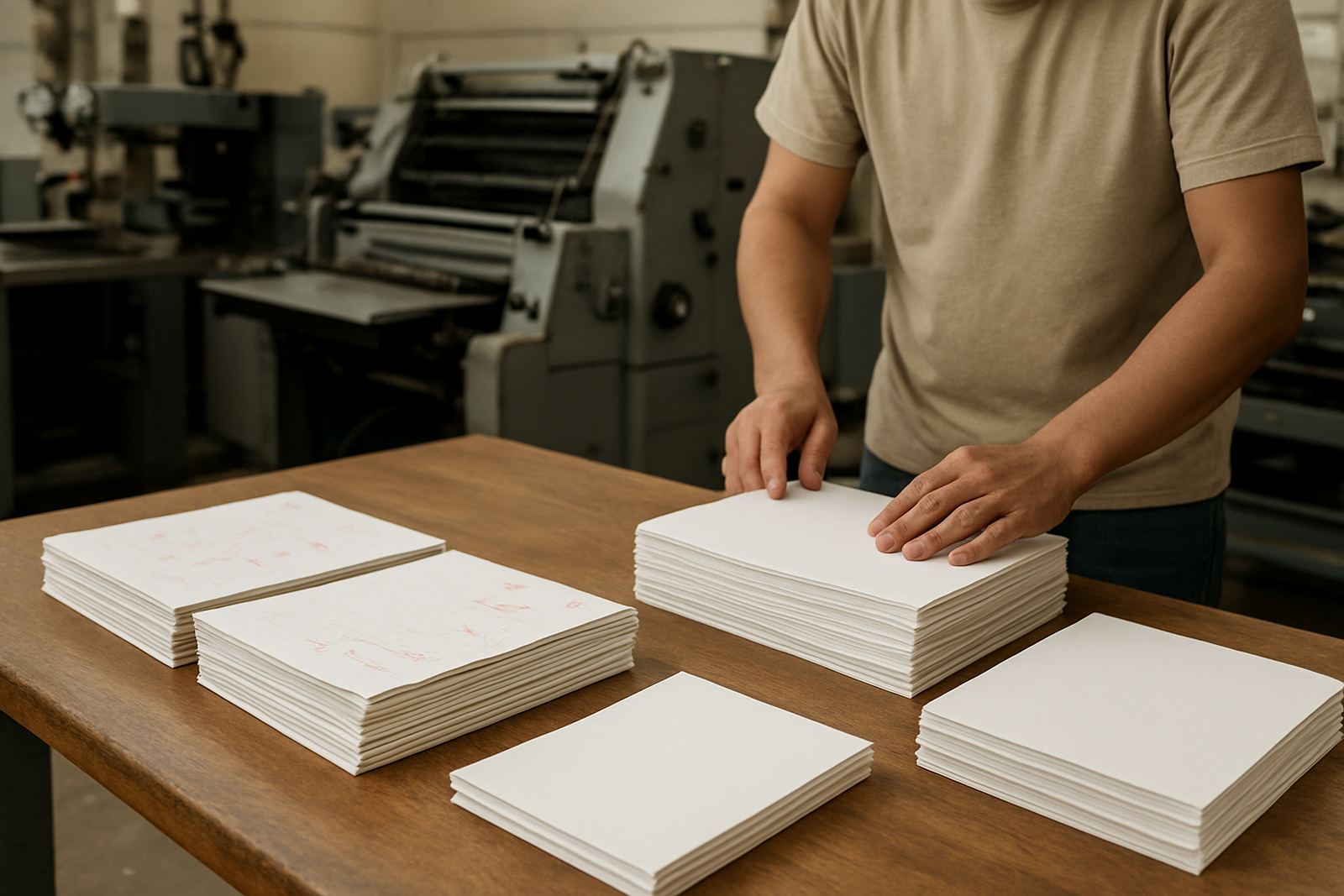
Before plates are made, our prepress team checks the pagination against the supplied layout and the production spec. Johan and the prepress counter look at folios, section breaks, bleeds and image placement. Busisiwe then checks whether the job will run cleanly through the press and finishing line, especially if there are complex folds, foils or lamination later on.
We also confirm whether the publication needs special handling for colour proofing or a packed dispatch schedule. If a title is going to Sandton on Monday and Durban on Wednesday, the pagination has to be locked early enough to keep the delivery plan on track. A small numbering error caught at this point is easier to fix than a full reprint.
- Final page count and section order
- Running heads, page numbers and chapter openings
- Spine and cover allowances for bound work
- Blank pages that are intentional, not accidental
- Adverts and inserts in the right positions
A Johannesburg example from a magazine run
A publisher in Johannesburg Central once sent through a 72 page magazine with four advert pages added after the first proof. The new pages pushed a feature article onto the wrong spread and created a mismatch in the centre section. The content still looked fine in isolation, but the pagination no longer suited saddle stitching and the inner spread would have opened awkwardly.
We adjusted the imposition, checked the page flow again and flagged one image that was crossing the gutter too tightly. That saved the client from a late rerun and kept the magazine on schedule for delivery into Randburg and Midrand. Small fixes like that matter, especially when a print window is tight and the press schedule is already full.
In practice, pagination checks are about catching these details early so the rest of the job can move without drama. It is the sort of work that is easiest to overlook and hardest to recover after the press starts rolling.
A simple pagination checklist for publishers
If you are preparing a manuscript, catalogue or magazine for print, use a clear checklist before sending the files through. The fewer assumptions made at this stage, the fewer expensive corrections later. This is especially useful for self publishers, corporate teams and magazines that work with changing advertising pages every issue.
- Lock the final text and images before handing over files
- Confirm whether the publication starts on a right hand page
- Check all section openings, chapter breaks and inserts
- Review the proof on screen and on paper if possible
- Make sure trims, bleeds and margins suit the chosen finish
- Sign off only when the page order matches the approved plan
In South African print work, that discipline helps keep costs under control when paper prices, transport and turnaround times can shift quickly. It also means your publication reaches the binding stage ready for packing and dispatch without last minute corrections.