
When Hardcover Earns Its Keep
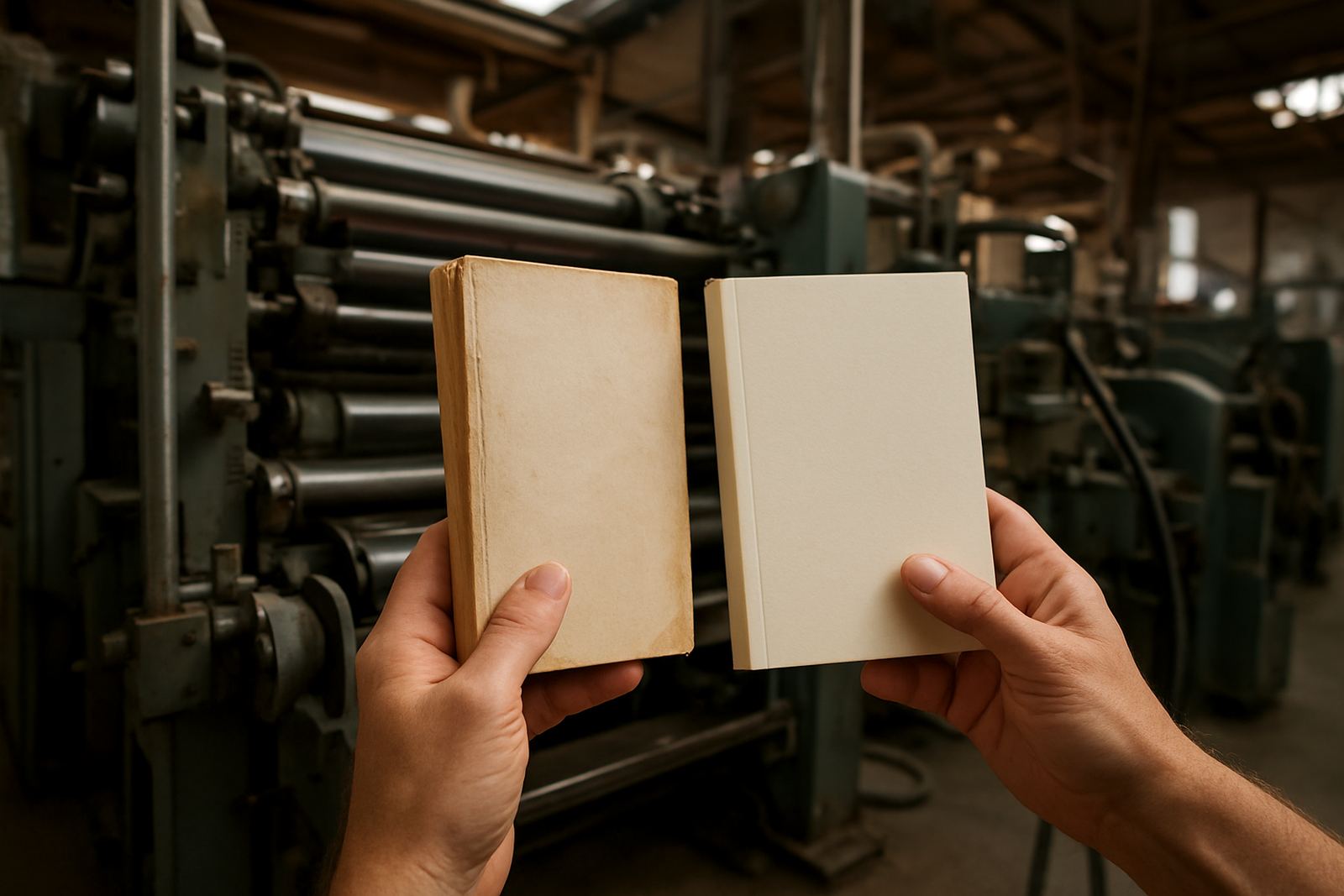
Hardcover is usually the right call when the book needs to look important and survive years of use. That includes corporate histories, school reference books, annual reports with a strong editorial section, gift books, branded publications and titles sold through bookshops where shelf presence matters. A softcover can do the job for short-life material, but if the book is meant to be kept, displayed or passed on, hard cover starts making more sense.
At Printing House in Industria, Johannesburg, the extra cost of hardcover printing is often weighed against the value it creates at retail and in the hands of the buyer. A well-made casebound book feels substantial, and that matters when people are paying for more than just the content. It also gives better protection to the inner pages during transport and storage, which helps in humid coastal deliveries and in busy distribution channels around Gauteng.
- Best for books that should last 5 years or longer
- Useful for high-value gifts and prestige launches
- Good for reference material handled often
- Helps strengthen perceived value at retail
What Hardcover Adds That Softcover Cannot
The value of hardcover is not only about looks. The board, case binding and finishing all work together to protect the book block and keep the spine square. That means less curling, less corner damage and better shelf life. For books with heavier page counts, sewn sections or frequent opening, hardcover can handle wear better than a glued perfect bound book alone.
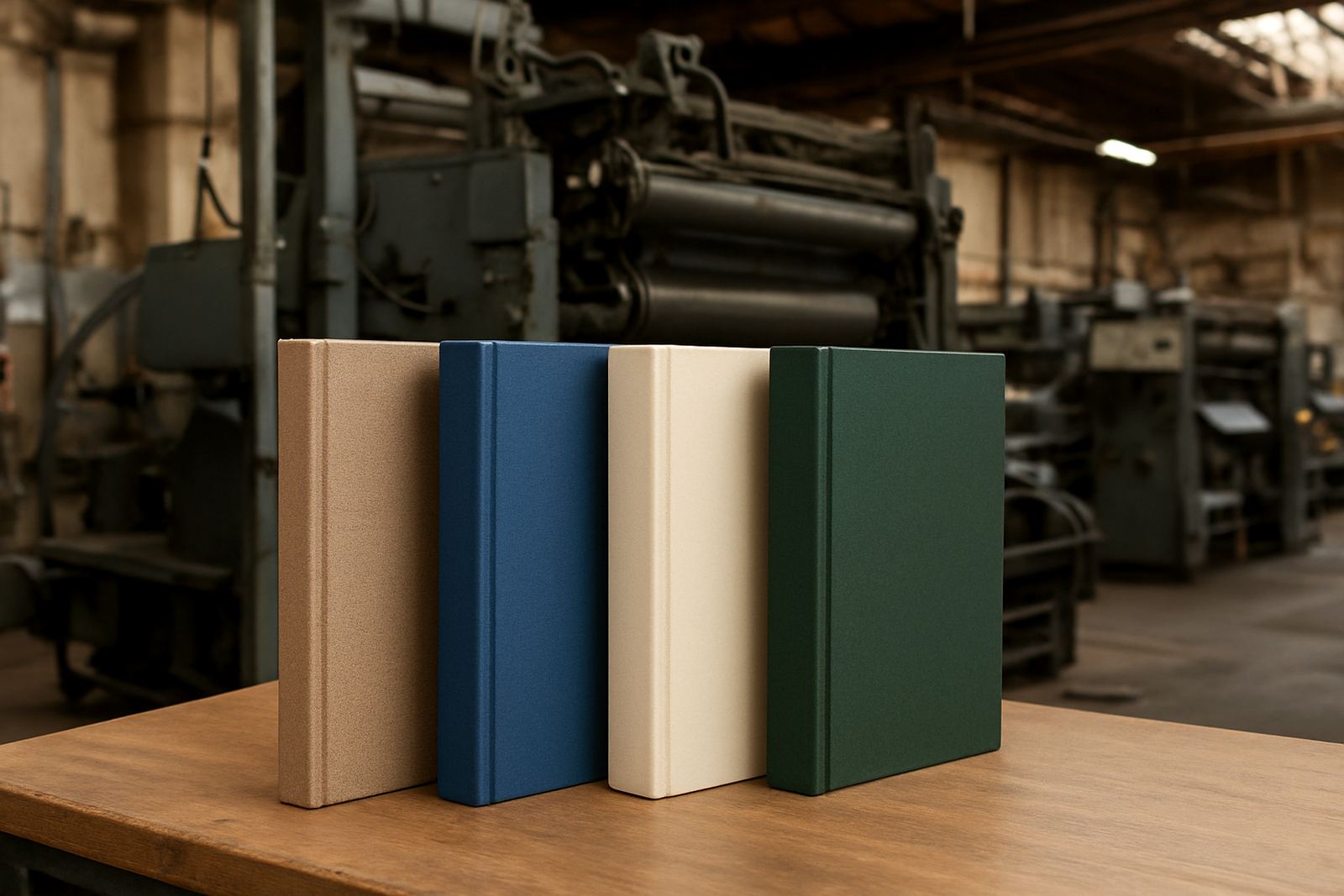
Printing House offers case binding, section sewing, cover lamination and foil finishing, so the finished book can be tailored to the title. A business publication may need a clean laminated cover with foil detail on the title, while a collector edition might need cloth or paper-wrap styling depending on the brief. A hardcover also gives more room for premium finishing without the book feeling flimsy.
- Better protection for spine and corners
- More stable for heavy page counts
- Supports foil, lamination and special cover treatments
- Improves handling in libraries, schools and boardrooms
Picking the Right Binding for the Page Count
Not every title needs the same structure, and binding choice should match the page count and use. A slim commemorative title with 48 pages may not need the same treatment as a 240-page company history. For some projects, section sewing gives better durability before the case is attached. For others, the best route is to combine careful prepress checks with the right adhesive and spine build so the book opens well and stays together.
Our production team in Johannesburg checks the file, paper choice and binding plan before the press run starts. That helps avoid common issues such as creep, weak spines or cover misalignment. If a title will be handled a lot, stored in hot offices, or sent to coastal towns, the construction needs to be chosen with that in mind. We have seen books fail early because the build was chosen for price only and not for actual use.
- Thin books may suit a shorter casebound build with lighter boards
- Medium and heavy page counts often benefit from section sewing
- Reference books need strong opening and repeated handling tolerance
- Premium titles may combine hardcover with foil and lamination
Cost Versus Value: Where the Numbers Make Sense
Hardcover costs more to produce, but the real question is what the book must achieve. If a title is sold once and read once, the added cost may not pay back. If it is a prestige publication, a client gift or a product that supports brand authority, the extra rand per copy can be justified by better margins or stronger buyer response. Publishers often find that a hardcover can support a higher cover price and more confident positioning in the market.
For example, a Johannesburg firm launching a 100-page anniversary book may choose hardcover for their Sandton clients and board members, while a companion softcover edition is used for wider internal distribution. That way the right audience gets the right format. Delivery from Industria to Pretoria, Midrand or the East Rand is easier when the production plan is clear and the dispatch schedule is matched to the launch date. Load-shedding planning also matters, so print and finishing slots are arranged with that in mind.
Things that affect the final cost include:
- Page count and paper weight
- Board thickness and case material
- Laminate, foil or die cutting on the cover
- Quantity ordered and packing requirements
- Whether the title needs urgent dispatch to multiple areas
How Printing House Handles Hardcover Jobs
Hardcover production needs tight control at every step. Printing House manages offset printing, prepress checks, colour proofing, binding and dispatch from Industria, with service to publishers and businesses across South Africa. The process starts with file checks and proofing so the cover spine, text placement and colour work properly before plates are made. That prevents waste and saves time later in the run.
Our bindery team, led by Farieda Adams, coordinates the case binding, sewing and finishing stages, while Johan van der Merwe checks the prepress side and Busisiwe Motaung oversees production flow. For titles moving in larger quantities, Leanne Naidoo plans packing and dispatch so the books reach Johannesburg Central, Randburg, Roodepoort, Sandton, Midrand, Pretoria and further afield in good condition. A hardcover should arrive clean, square and ready for the shelf, not scuffed from poor packing.
We also advise on finishes that make sense for the title rather than adding extras that do not earn their place. A little restraint can improve the result. In print, overworking a cover often looks less considered, not more.
A Practical Rule for Choosing Hardcover
If the publication needs to last, needs to impress, or needs to justify a higher price point, hardcover is worth serious consideration. If the title is short-lived, heavily updated, or distributed mainly as a low-cost handout, another binding style may be a better fit. The best choice comes from how the book will be used, stored and sold, not from trend or habit.
Printing House works with publishers, authors and businesses that want a reliable print partner for book and magazine work. Based in Industria, Johannesburg, we supply nationwide and keep the focus on the practical side of print: the right bind, the right finish and the right dispatch plan. That is where hardcover earns its value.
- Choose hardcover for longevity and presentation
- Match the binding to how often the book will be used
- Plan the finish around the audience and price point
- Use prepress checks to avoid avoidable errors