
Why the printing method matters before you lock in a run
Most print problems start before a sheet goes through the press. If the format, substrate and finishing are not matched to the right process, you can end up with poor colour, wasted stock or a finish that does not suit the product. For publishers and businesses in Johannesburg and beyond, the choice between offset and flexo is usually about what you are printing, how many units you need, and what the finished item must do in daily use.
Offset printing is often chosen for pages, covers and publications where image quality and fine detail matter. Flexo is better suited to certain high volume items, packaging-style work and continuous runs on rolls. At Printing House in Industria, we look at the actual job first. A 96 page magazine for Sandton is not the same as a folded insert for a distributor in Midrand, and the printing method should reflect that.
Where offset makes the most sense for books and magazines
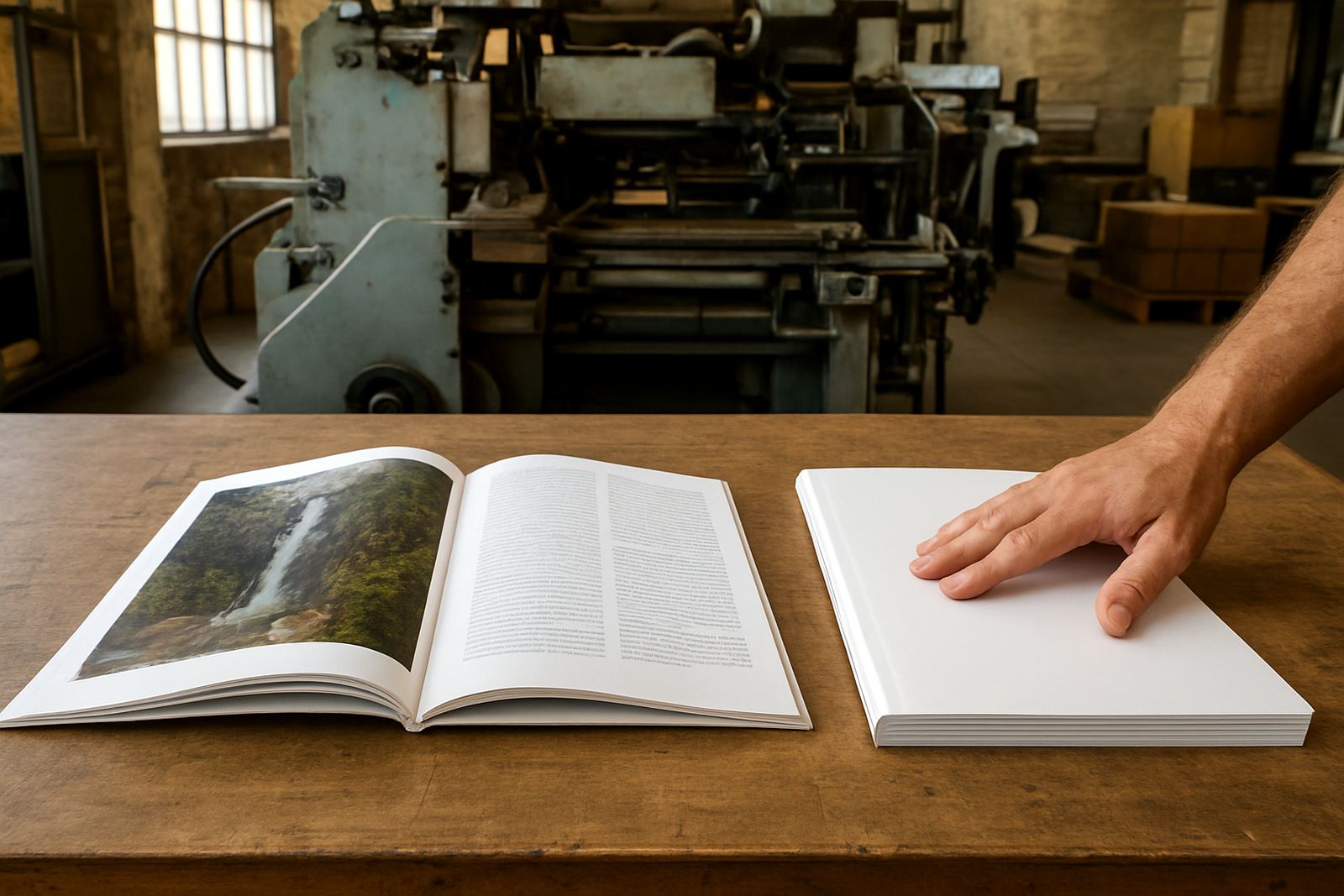
Offset printing is the standard choice for many books, magazines and catalogues because it handles text, photographs and solid blocks of colour very well. It gives consistent results across longer runs, which matters when you need the same shade on page one and page one hundred. It also works well with the finishing options that publications often need, such as saddle stitching, perfect binding, section sewing, cover lamination and foil finishing.
For publishers, offset is especially useful when you need crisp type, controlled colour and a clean professional look. It also supports paper choices in different weights and finishes, from lighter magazine stocks to heavier cover boards. If you are printing a title for distribution in Pretoria, the East Rand and Cape Town at the same time, offset gives you a reliable base for colour matching across the full run.
- Best for books, magazines, catalogues and annual reports
- Good for detailed images and fine text
- Suitable for medium to high volume print runs
- Works well with binding and finishing after printing
Where flexo fits better in a busy production schedule
Flexo printing is different in how it applies ink and handles the print surface. It is commonly used for continuous production work and items that need to run efficiently in larger quantities. When the job is more about speed, repeat volume and practical use than about page detail, flexo can be the better fit. That makes it useful for certain business print items, wraps and repeat production items that need to move quickly through packing and dispatch.
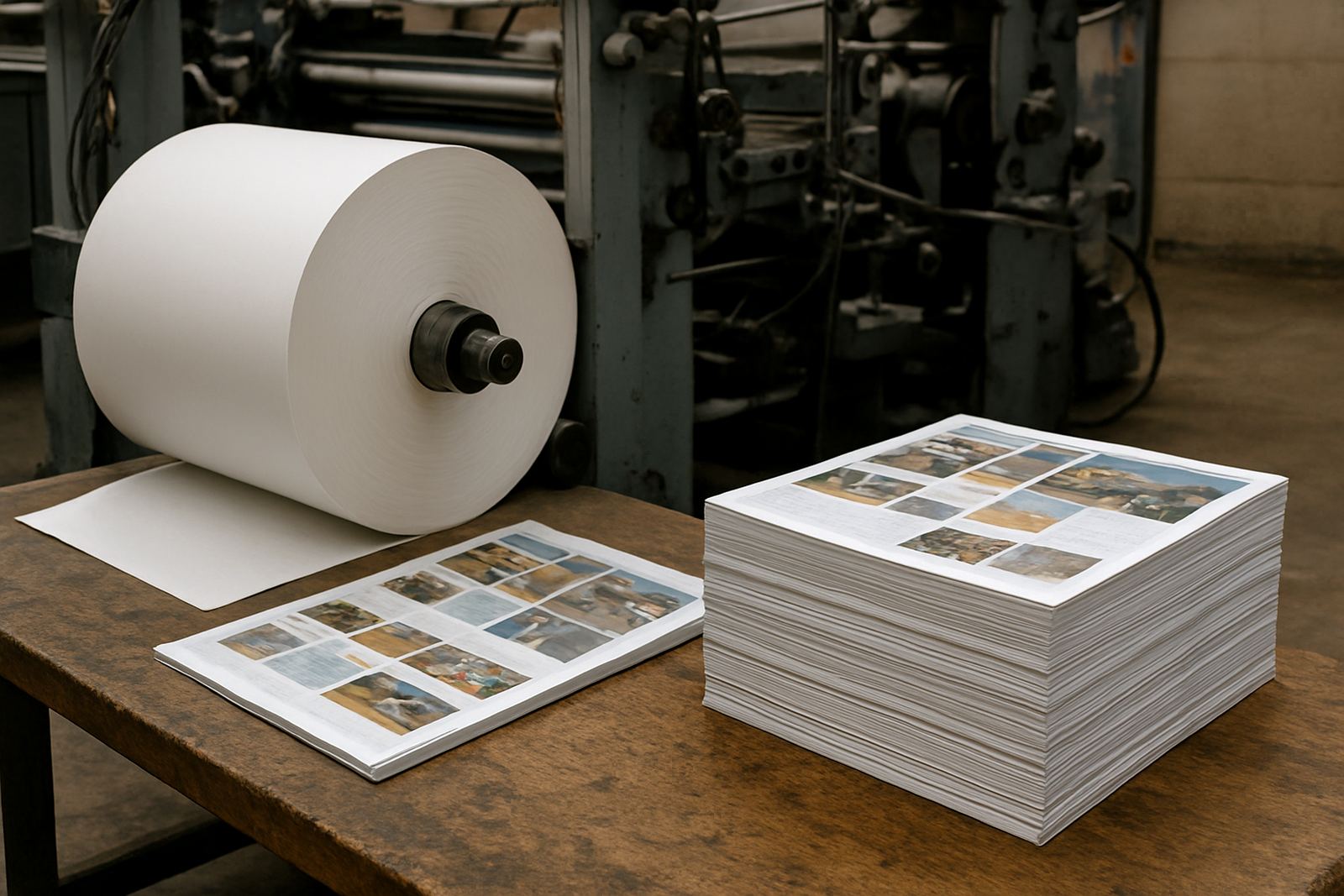
Flexo is often chosen where the stock needs to be handled in roll form or where the job is designed around high throughput. In the local market, that can matter a lot. A client in Roodepoort may need a repeated order every month, while a publisher in Johannesburg Central may need a long run that is packed and dispatched into different provinces. Flexo can suit those workflows when the job brief is clear from the start.
- Useful for repeat high-volume production
- Works well on certain roll-fed materials
- Can suit practical, fast-turnaround applications
- Often selected when production efficiency matters most
How to decide between the two without second-guessing yourself
The simplest way to choose is to think about the end use. If the piece will be read closely, handled as a publication, or judged on visual finish, offset is usually the safer option. If the job is more about volume, repeated supply and efficient production, flexo may be more appropriate. The right answer also depends on bindery needs, packing, delivery points and whether the item must hold up under transport or shelf use.
There is also the matter of cost per unit. Offset often becomes more economical as quantities rise, especially when the same pages repeat across a long run. Flexo can work well where the production method and material are matched early, reducing handling steps later. A good prepress check helps here because small issues on artwork or layout can create delays on press, and no one wants a load waiting in Industria because a file needed correction at the last minute.
- Choose offset when appearance and page detail are key
- Choose flexo when production speed and volume are the priority
- Consider storage, packing and delivery before confirming the method
- Ask for colour proofing when brand colours must stay consistent
What prepress checks should happen before the job goes live
Good print starts with proper file preparation. Before any job is approved, the pages should be checked for trim, image resolution, page order, bleed and colour setup. That is especially important for magazines and books with many pages, because a small error can repeat across the full run. In our experience, fixing something at prepress is far cheaper than correcting it once paper has been fed through the press.
For publishers working on a tight schedule, prepress checks also help avoid delays linked to load-shedding or late sign-off. If a file is clean and approved, the production team can move faster when the press window opens. We also advise checking the paper choice and finish against the climate. In coastal areas, and even during damp Johannesburg weather, some stocks need proper handling before lamination, binding or packing. colour control and paper stability matter more than people think.
A Johannesburg example that shows the difference clearly
Say a publisher in Randburg needs a 5,000 copy magazine with photographs, editorial pages and a laminated cover. Offset is the better choice because the images must reproduce clearly, the type must stay sharp and the finished magazine will be handled by retailers and distributors. The job may then move into saddle stitching or perfect binding depending on the page count, followed by packing and dispatch to branches in Midrand, Pretoria and the East Rand.
Now compare that with a higher volume repeat item that is designed around continuous production and practical use. Flexo may suit that better because the setup and production flow are different. The key is not to force one process onto every brief. A local print plan should reflect the paper, the quantity, the delivery route and how the product will be used once it leaves the bindery.
How Printing House handles offset and flexo work for publishers
At Printing House in Industria, we handle both offset and flexo work with the same focus on accuracy, finishing and delivery. Our team, led by Oupa Hlungwani with support from Busisiwe Motaung, Johan van der Merwe, Siyanda Ramaboa, Farieda Adams, Siphamandla Ngwenya and Leanne Naidoo, works through the job from prepress to packing. That means your print brief is checked properly before the run begins, whether the end product is a book, magazine or another print item.
We supply publishers nationwide, so the process also has to work across distance. A clean production plan matters when the job is heading to Johannesburg Central, Sandton or a warehouse in another province. If you need advice on whether offset or flexo is the better fit for your next print run, the enquiry form on our contact page is the place to start. A short brief is usually enough for us to point you in the right direction.