

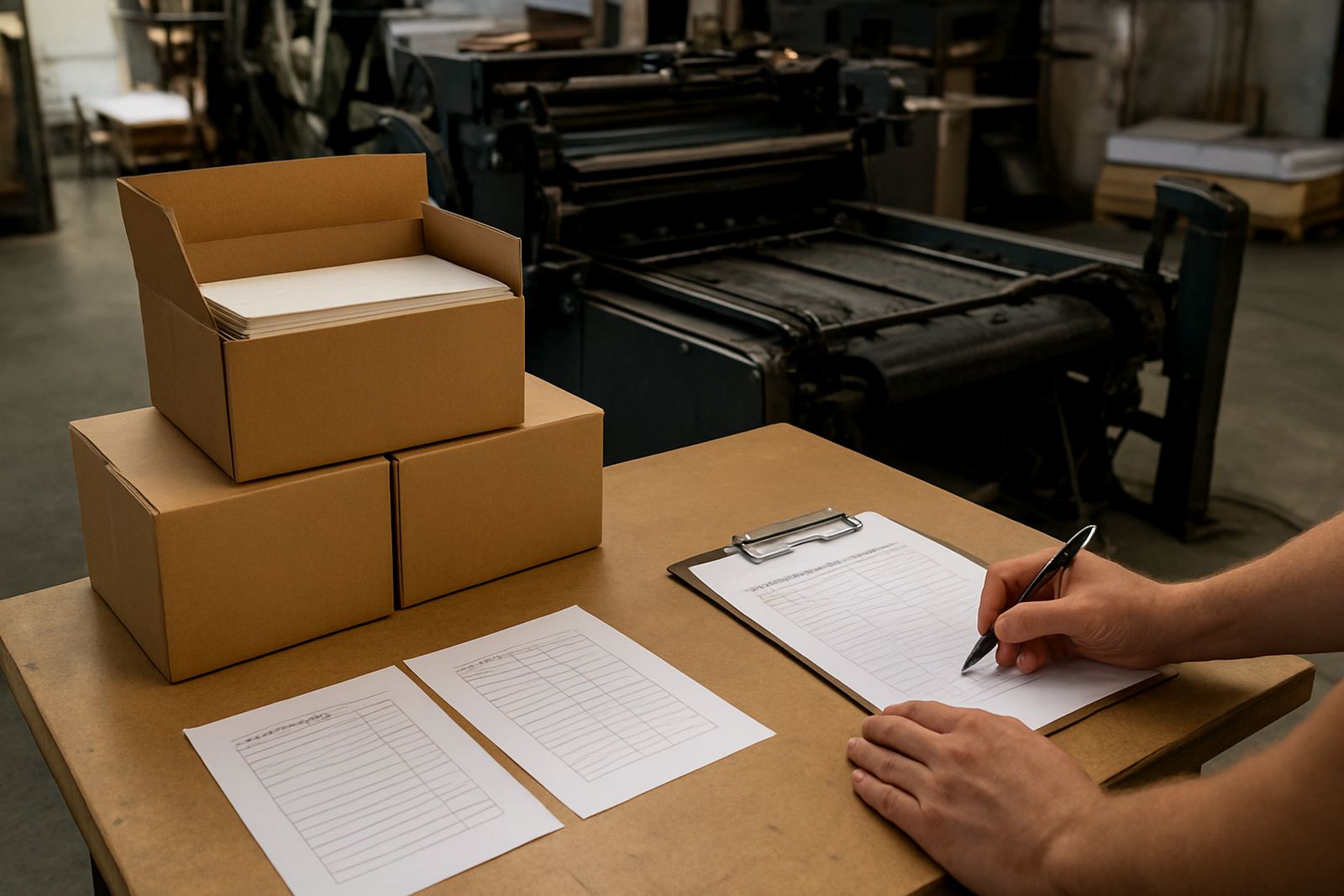
Watch the sell-through rate before the last carton is gone
The clearest signal is often the simplest one. If sales are moving at a steady pace and the remaining stock is already down to a level that would not carry you through your next selling period, the reprint conversation should start now, not later. Many publishers wait until the final pallets are nearly empty, then discover they have not allowed enough time for prepress, proofing, printing, binding and delivery.
A practical rule is to compare the last 6 to 8 weeks of sales with the stock still in hand. If the monthly sell-through is close to or above what you have left, you are already on the back foot. That is especially true for school material, seasonal magazines and title ranges that move faster in Johannesburg, Pretoria, Sandton or coastal areas where orders can spike at different times. Planning early also gives room for corrections if there is a pagination change or a cover update.
- Check current stock against average weekly sales
- Look at the next 8 to 12 weeks of demand, not just this week
- Build in extra time for proof approval and finishing
When lead times start meeting real demand, you are late
Lead time matters just as much as volume. A book or magazine that took 10 days to print last year might now need longer because of finishing, packing, or the press schedule. If your warehouse in Industria is holding only a few weeks of supply, a delayed reprint can lead to missed orders, split deliveries, or rushed transport that costs more than planned. Load-shedding can also affect schedules, so it is safer to allow a buffer rather than hope everything runs on the same day.
For publishers delivering nationwide, the warning sign is when your dispatch window gets too tight. If stock has to move from Johannesburg to Durban, Cape Town, Gqeberha, Polokwane or smaller towns and still arrive before a launch or school intake, you need enough production time to avoid stress. A reprint is due when your current inventory cannot comfortably cover production plus delivery time.
- Review how long each step actually takes, not the original estimate
- Allow extra days for binding, lamination or section sewing
- Keep a buffer for road delays and municipal delivery restrictions
New orders from retailers and institutions are a strong clue
Reprint timing is often driven by the kind of orders coming in. If repeat buyers start asking for larger quantities, or if institutions place the same order every term or quarter, that is a sign the title has reliable demand. Businesses sometimes treat these requests as isolated, but they are really a pattern. The moment a pattern becomes visible, reprint planning should move onto the schedule.
In practical terms, if Sandton clients are asking for more copies for client packs, or if a publisher in Randburg has had several school or campus orders in the same period, stock can disappear faster than expected. Even modest growth matters. A 15% uplift over a few months can be enough to empty a title before the next print slot opens. That is why ordered reprints should be scheduled from actual demand, not wishfull thinking.
- Track repeat orders by area and customer type
- Separate one-off bulk purchases from ongoing demand
- Notice when customers ask about availability before ordering
Damage, fading and outdated content can force an early rerun
Sometimes the reprint signal is not about sales volume at all. If stock is getting damaged in storage, bent in transit, or affected by humidity in coastal delivery routes, replacement copies may be needed sooner than expected. Magazine covers can scuff, glued spines can weaken, and poor packing can leave edges marked. Once the stock no longer looks sellable, your usable quantity is lower than the carton count says.
Content changes are another trigger. A price list, contact detail, legal note or product specification that has changed should not stay in circulation just because there are copies left. If the material is used for business, training, or public information, outdated pages can cause confusion and wasted money. In these cases it is often better to reprint a smaller run now than to carry unusable stock for months.
- Inspect cartons for crushing, moisture and edge wear
- Pull out any copies with fading or print defects
- Reprint sooner if information has changed and old stock cannot be used
Choose the right print method before you order the next run
The correct reprint plan depends on quantity, finish and turnaround. Offset printing is usually the right route for larger runs where consistency across thousands of copies matters. Flexo printing can suit certain continuous or specialist print jobs, while finishing choices such as saddle stitching, perfect binding, case binding, cover lamination, foil finishing and die cutting affect both lead time and the final presentation.
Before you place the next order, check whether the title still matches the original spec or whether the run should be adjusted. A reprint is not just a repeat job. It is a chance to correct a weak cover stock, improve durability, or fine tune packing for dispatch. That can save money over time and reduce returns.
At Printing House in Industria, Johannesburg, we often see publishers who want to hold stock across Gauteng and beyond, but only after the final boxes are nearly finished. A better approach is to reprint while there is still enough time for prepress checks, colour proofing and delivery into Johannesburg Central, Midrand, Pretoria, the East Rand, Roodepoort and further afield. It keeps supply stable and avoids last minute pressure on everyone involved.
- Match the print method to the run size and product type
- Confirm the binding and finishing before approving the order
- Review packing and dispatch needs for nationwide delivery
A simple reprint checklist that keeps stock moving
A good reprint decision comes from a few clear checks, not guesswork. Keep a running stock record, watch sales velocity, note any returns or spoilage, and factor in production lead time. If two or more of those checks point the same way, it is usually time to act. Waiting for a perfect moment often means missing the practical one.
For publishers and businesses, the aim is not just to avoid running out. It is to keep the supply line steady so customers can order with confidence. In Johannesburg, where release schedules, school calendars and trade orders can move quickly, that kind of planning makes a real difference. Once your stock has dropped below the level needed to cover your next cycle, the reprint decision is already due.
- Track stock weekly, not only monthly
- Set a reorder point based on lead time plus delivery time
- Keep one person responsible for flagging low stock early