What a Paperback Book Is and Why It Works
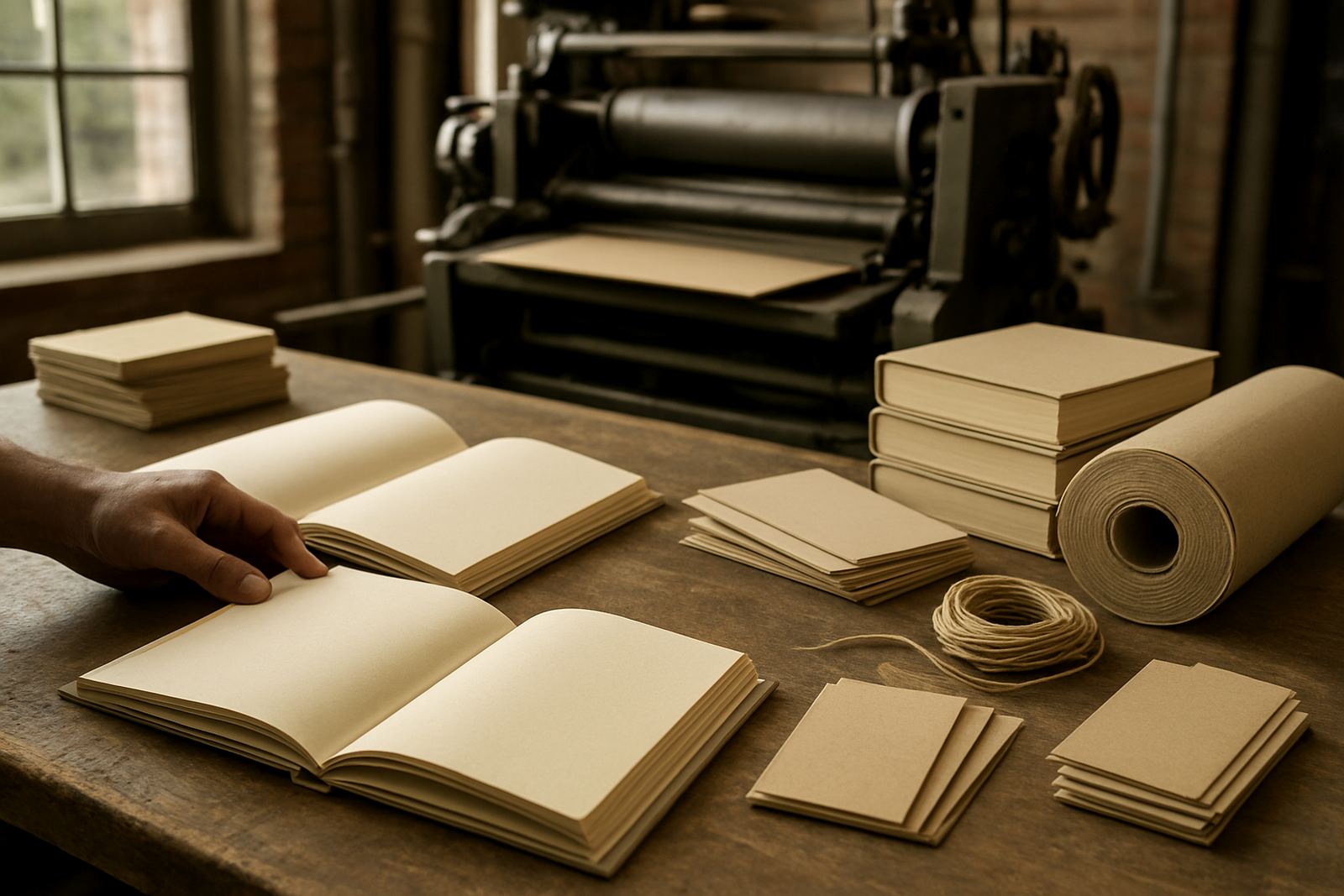
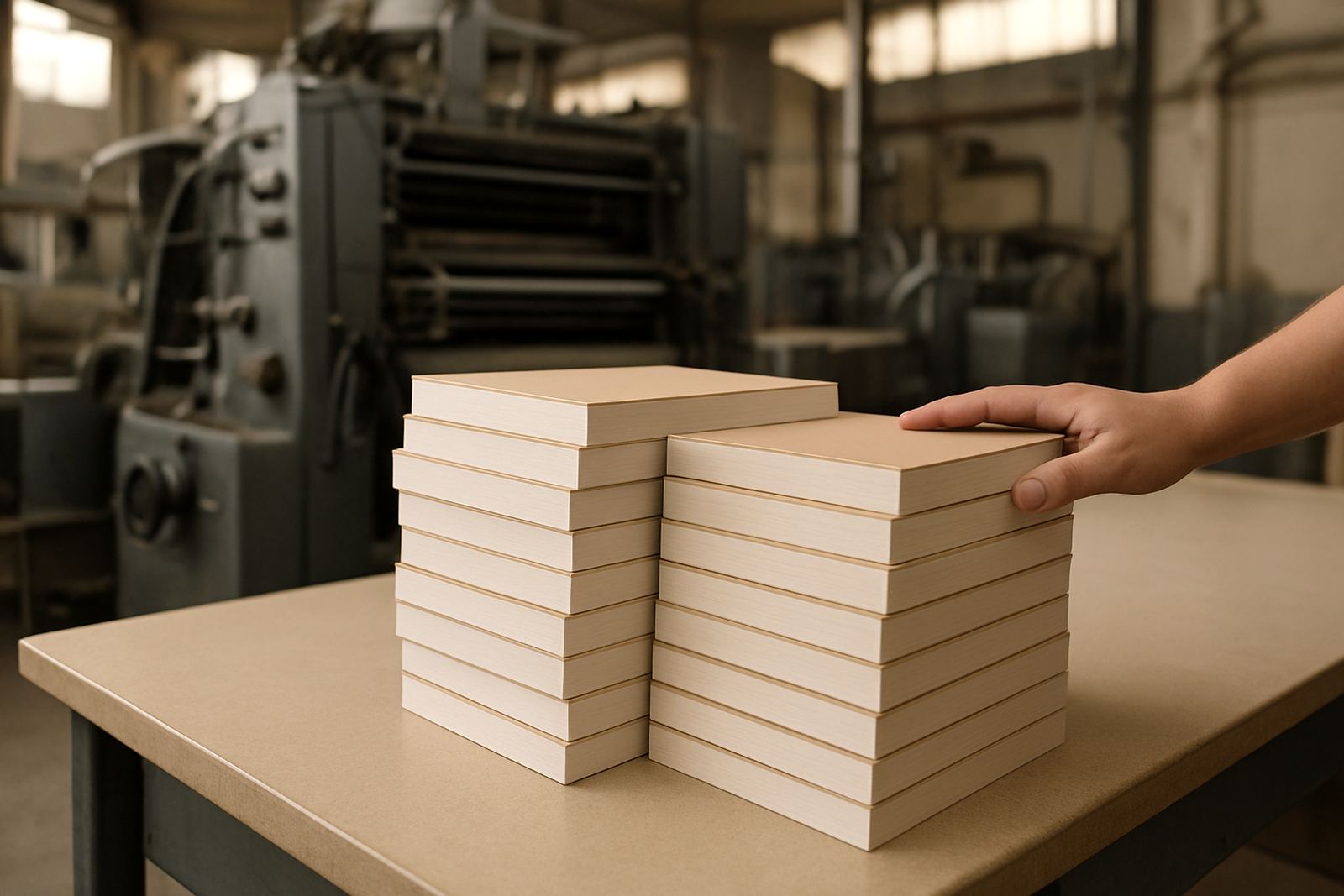
A paperback book is a soft cover publication with a printed cover and a glued spine, usually finished with perfect binding. It is the format many publishers choose when they need a clean shelf presentation at a sensible print cost. The cover gives room for title, author name, publisher details and barcode, while the inside pages can be printed in black only or full colour depending on the title.
Paperback books are used for fiction, non-fiction, manuals, workbooks and educational titles because they are light to carry and easy to distribute. They also suit mail order, school supply channels and retail sales where a neat, professional finish matters. For short to medium run books in South Africa, this format often gives the best balance between appearance, turnaround and cost per copy.
Sizes, Page Counts and Paper Choices
We print paperback books in a range of common trim sizes, from pocket-sized editions through to standard trade formats and larger educational books. The right size depends on the content, how the book will be read, and the page count. A longer manuscript can handle a wider spine and heavier paper, while a slim guide may need a lighter stock to stay easy to hold.
Typical options include:
- A5 for novels, manuals and study notes
- 210 x 210 mm or similar square formats for image-led titles
- 148 x 210 mm for compact trade paperbacks
- Custom sizes for special publishing requirements
Inside pages can be printed on uncoated or matte paper for easy reading, or on a smoother stock where colour images and charts need sharper reproduction. Cover paper is normally heavier and may be laminated for extra protection against handling, moisture and scuffing. In Johannesburg and coastal delivery routes, lamination helps a lot where books may be stored in changing humidity.
Finishing Options That Improve the Final Book
Perfect binding gives paperback books a flat spine and a tidy edge, which is ideal for stacked display and shelving. Where the title needs a different structure, we can also advise on section sewing for stronger lay-flat performance, though most paperback work uses glued perfect binding for speed and cost control. Extra finishing can be added to improve both look and durability.
Available finishing options include:
- Cover lamination for added protection
- Foil finishing for title accents and spine detail
- Die cutting for windows, tabs or special cover shapes
- Saddle stitching for shorter companion booklets where required
If you are producing a series, keeping the same trim size, laminate type and spine treatment across the range makes packing and reordering easier. It also helps books sit evenly on a shelf, especially for publishers supplying bookshops and education depots nationally.
Where Paperback Books Suit Best
Paperback books suit a wide range of uses because they are easy to price, easy to ship and simple to hand out at launches, training sessions or events. They are a strong option when you want a professional publication without the weight and cost of a case bound edition. For businesses, paperbacks work well for company handbooks, product guides, internal manuals and annual content packs.
They are also a good fit for publishers who need stock moved quickly to Johannesburg, Pretoria, Midrand, Sandton, Randburg, Roodepoort, the East Rand and further afield. Because the finished product is lighter than a hard cover book, transport costs are usually lower and dispatch is simpler. That matters when copies are going to schools, distributors or retailers in different provinces.
Paperback books are especially useful for:
- Fiction and literary titles
- Textbooks and learner support material
- Training manuals and technical guides
- Catalogues and information books
Artwork, Prepress and Production Checks
Good paperback printing starts with clean files and proper prepress checks. Before printing, we review trim size, bleed, spine width, image resolution, page order and binding layout. This is important because a small error in the spine or page count can affect the whole run. Our prepress team checks that the cover wraps correctly and that text does not sit too close to the spine fold.
Colour proofing is recommended for books with photos, illustrations or branding elements where colour accuracy matters. For black text titles, the main focus is readability, ink density and page contrast. We also check that the final file includes enough margin for trimming and binding, especially on thicker books where the inner margins need extra room. A little care here saves time later and avoids costly reprints.
When you are ordering, make sure you confirm:
- Final page count and trim size
- Paper type for text and cover
- Binding style and spine thickness
- Whether lamination or foil is needed
- How many copies are required per delivery point
Care, Storage and Dispatch Across South Africa
Paperback books do not need special site power, gas or installation. Once printed and packed, they are ready for dispatch or shelf storage. What they do need is sensible handling, especially on long transport routes or in warehouses where dust, heat and humidity can affect the covers over time. Books should be stored flat or upright in clean cartons, away from damp floors and direct sunlight.
If your copies are travelling to coastal areas, keep in mind that humidity can cause slight waviness in paper and cover stock if cartons are left open too long. For large orders, good packing makes a real difference. We pack for local collections and nationwide delivery from Industria, with dispatch planning that suits publishers sending books into Johannesburg Central, Sandton, Pretoria and beyond. Load-shedding does not affect the finished product, but it can slow production planning if deadlines are tight so it helps to book in early.
For ongoing titles, ask for consistent reprints using the same approved files, paper and finish. That keeps your series looking the same from one print run to the next, which matters when matching copies need to sit together on the shelf.
Key facts
| Product type | Perfect bound paperback books |
|---|---|
| Common sizes | A5, 148 x 210 mm, 210 x 210 mm and custom trims |
| Page count range | Typically from 48 pages upward, depending on spine width |
| Print methods | Offset printing for longer runs and flexo options for suitable work |
| Finish options | Matte or gloss lamination, foil finishing, die cutting |
| Dispatch area | Industria, Johannesburg and nationwide delivery across South Africa |