
A Boksburg manual run with strict internal use in mind
This project came from a manufacturing business in Boksburg that needed to update its internal policy manuals for supervisors, admin teams and floor staff. The client was rolling out revised procedures across several departments and wanted a printed manual that people could use daily without pages loosening, covers curling or sections getting mixed up. The brief was simple in one sense, but tight in another: produce a neat, durable manual that was easy to read, quick to file and consistent across the full print run.
The manuals had to suit a working environment where hands are not always clean and documents move between offices, stores and production areas. That meant we focused on binding strength, cover choice and a finish that would hold up in regular handling. We also had to keep the text sharp and the section breaks very clear, because the client was replacing older copies with updated procedures and could not afford confusion between versions.
Brief, constraints and what had to be controlled
The client supplied the final text and a page plan with section headings, but the material needed careful prepress checks before print. We checked pagination, page numbering, image placement and the consistency of tabs and headers. There were also a few tables and forms inside the manual, so line weights and grey tints had to reproduce well on press. In a manual like this, even small shifts can make a page look untidy, so the setup stage mattered a lot.
Because the manuals were for internal policy use, the client asked for a professional finish without excess cost. That meant choosing the right balance between durability and budget. We recommended a format that would stand up well in offices and store rooms, but would still allow the full run to be printed and finished within the required lead time. Load-shedding was also a practical concern, so we planned the production slot carefully to avoid delays at binding and packing stage.
- Client type: manufacturing business
- Town: Boksburg
- Use: internal policy and procedures manual
- Key constraint: durable finish for repeated handling
- Production note: time-sensitive rollout across departments
Print specification and binding choice
For this run we produced the manuals in a standard A4 format with a clean text block and a sturdy cover, then bound the books so the pages would stay aligned in daily use. The inner pages were printed with sharp black text and clear section structure, while the cover received a tougher finish to help protect the spine and front face. The manual needed to open easily on a work surface but still close neatly when stacked or filed.
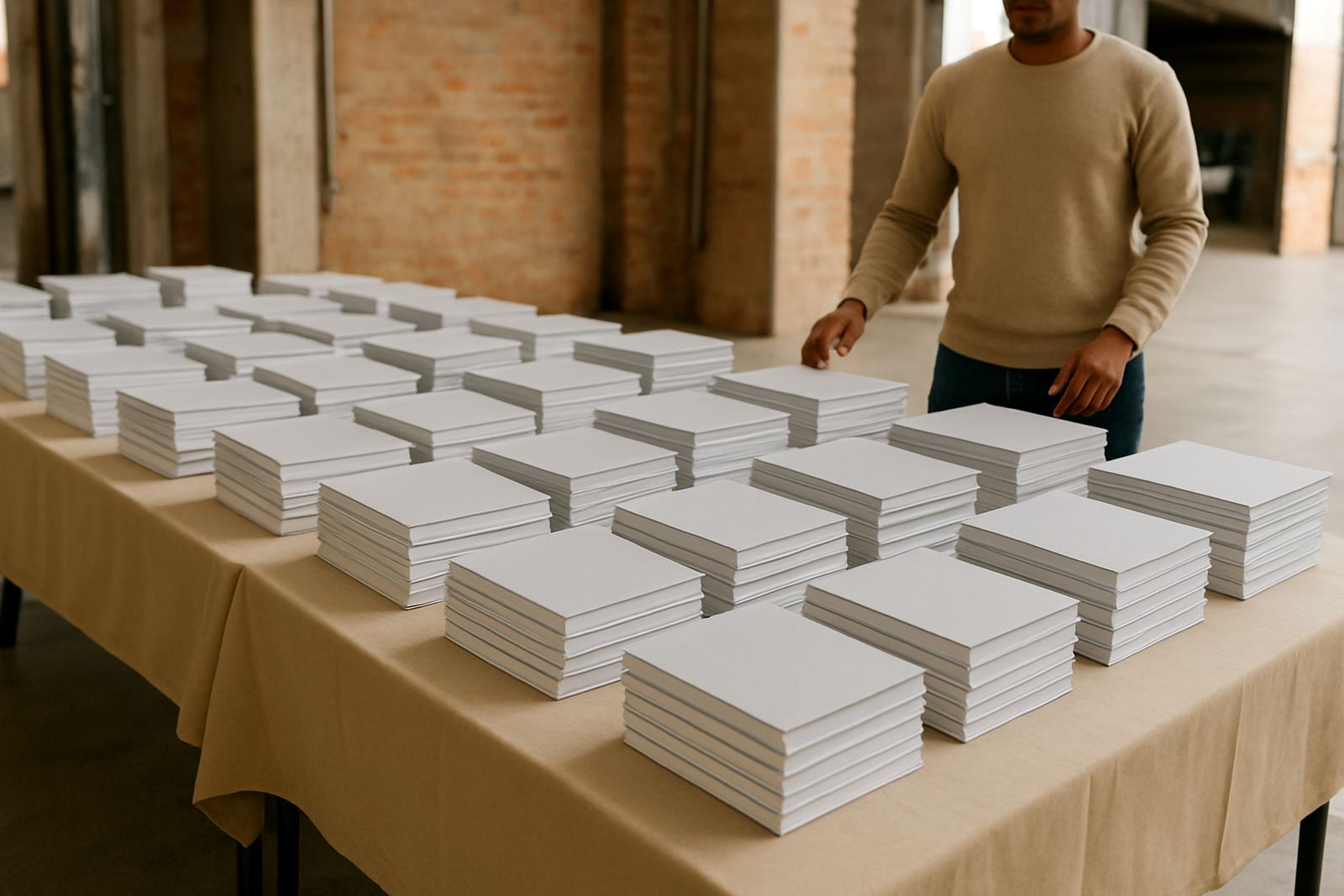
We used offset printing for the body of the work because it gave us consistent page density and good control over fine type, lines and shaded areas. The finish included trimming to final size, binding and packing by set. Where sections had to be separated for easier reference, we made sure the order was checked twice before final assembly. That step may sound basic, but it saves problems later when a manager picks up the wrong copy or a department receives a mismatched set.
- Format: A4 manual
- Print method: offset printing
- Finish: durable cover with bound inner pages
- Use case: repeated handling in a manufacturing setting
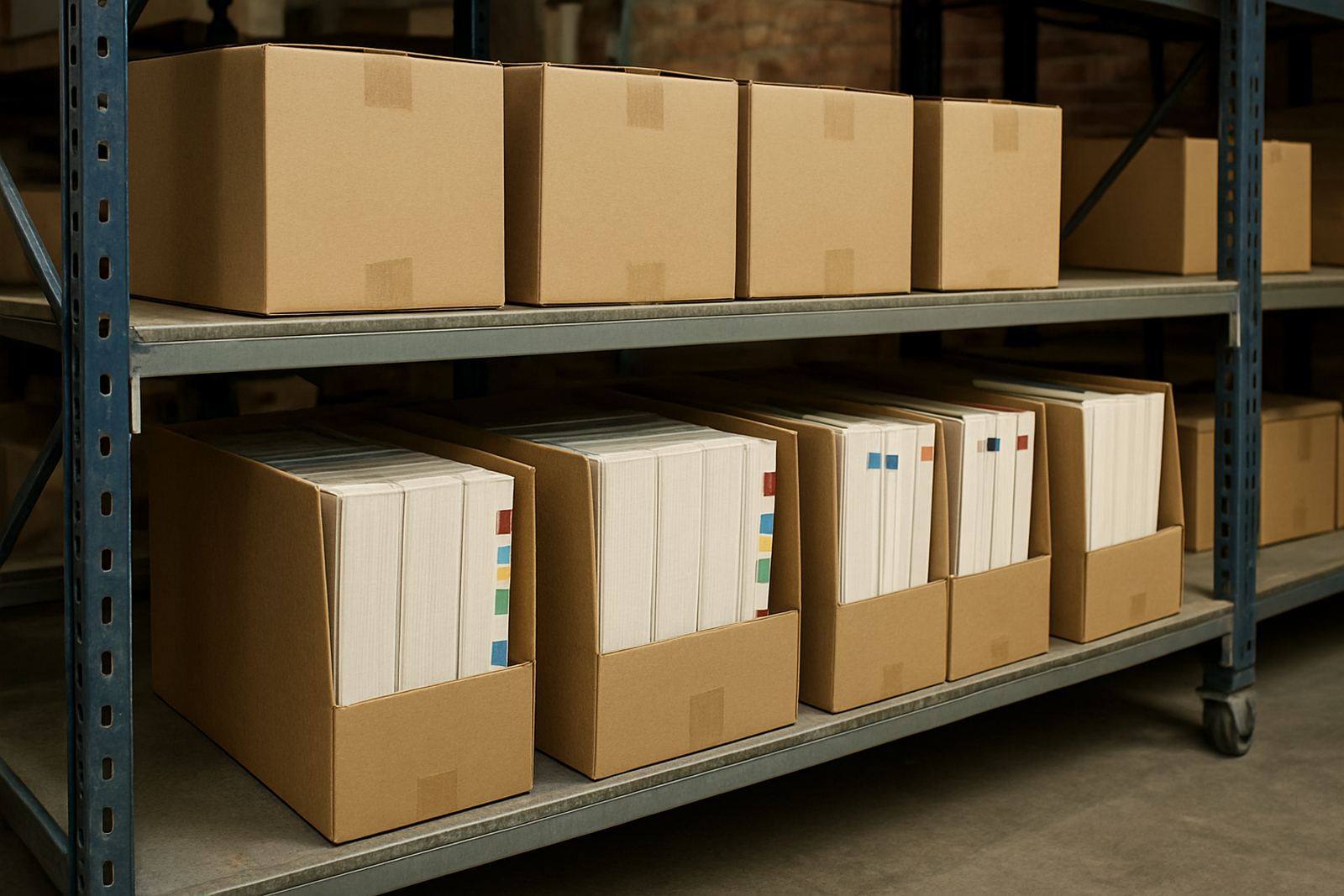
- Output: boxed and counted by pack
Prepress checks before the plates were made
Before printing, Johan van der Merwe and the prepress team checked the supplied files for layout accuracy, margins and page flow. Policy manuals often include long lists, references and numbered sections, so the main task is to keep everything in order from start to finish. We reviewed page breaks, ensured the headings stayed with the correct copy and checked that no content sat too close to the trim area. That sort of work is not flashy, but it is what keeps a printed manual usable.
Colour proofing was also part of the process, even though this was a mostly text-based run. Any logo, rule box or diagram had to sit correctly on the page. We prepared proofs for approval and made one set of practical adjustments before production. The client wanted a clean final result with no wasted time on back-and-forth corrections, so the proofing stage was handled with that in mind. In the end, the approved files went into production without any last-minute surprises.
- Prepress check: pagination and numbering
- Proofing: one approval round with minor corrections
- Control points: margins, section order and trim safety
- Staff involved: prepress and client services
Production, binding and finishing on a tight timetable
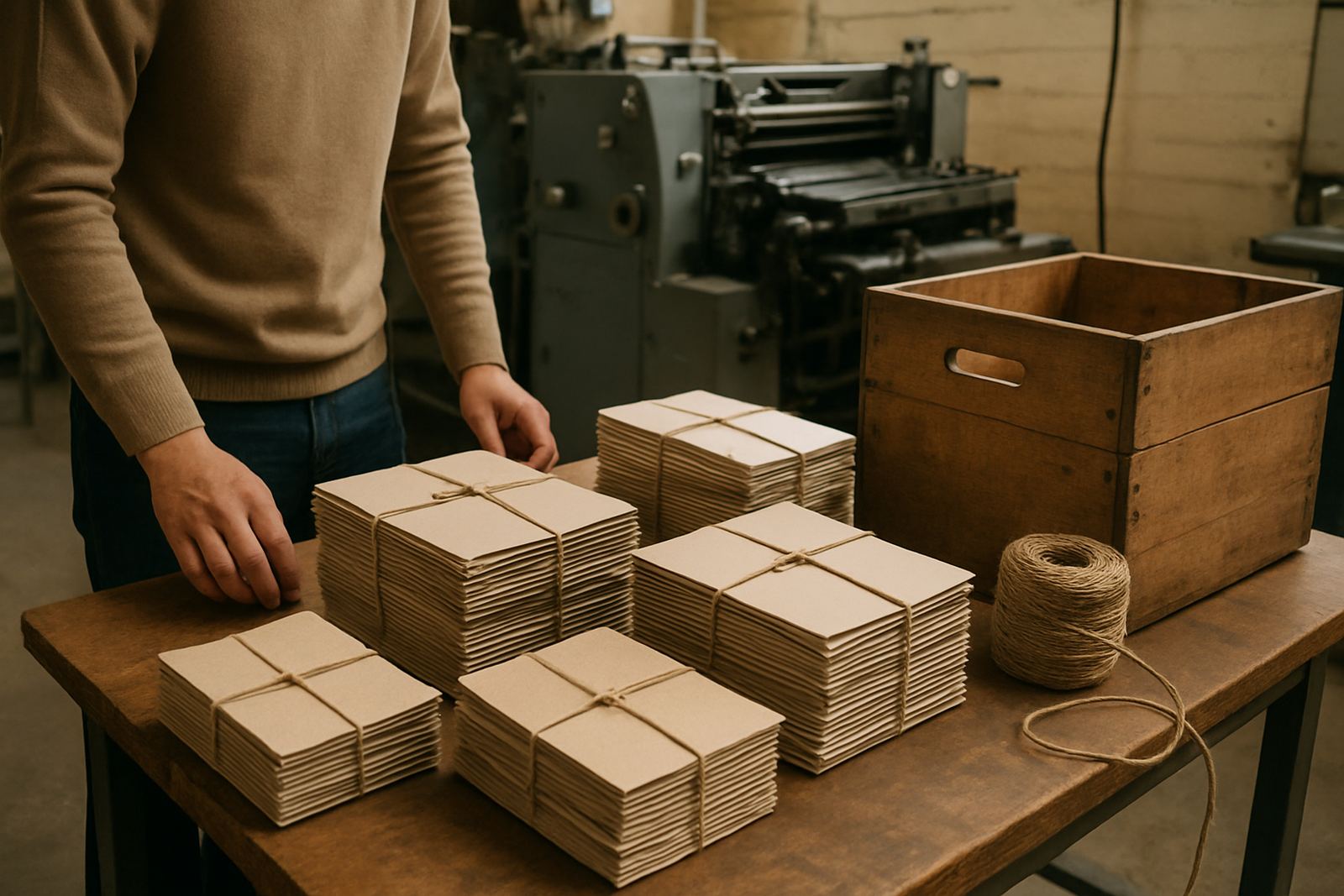
Once approved, the job moved through print, finishing and packing in a planned sequence over two weeks. Siphamandla Ngwenya managed the press side, while Farieda Adams coordinated the bindery schedule and Busisiwe Motaung oversaw the production flow. This was the kind of job that needs steady handovers between teams, because any delay at one stage can affect the next batch. We kept the work moving in the right order and monitored the bindery output carefully.
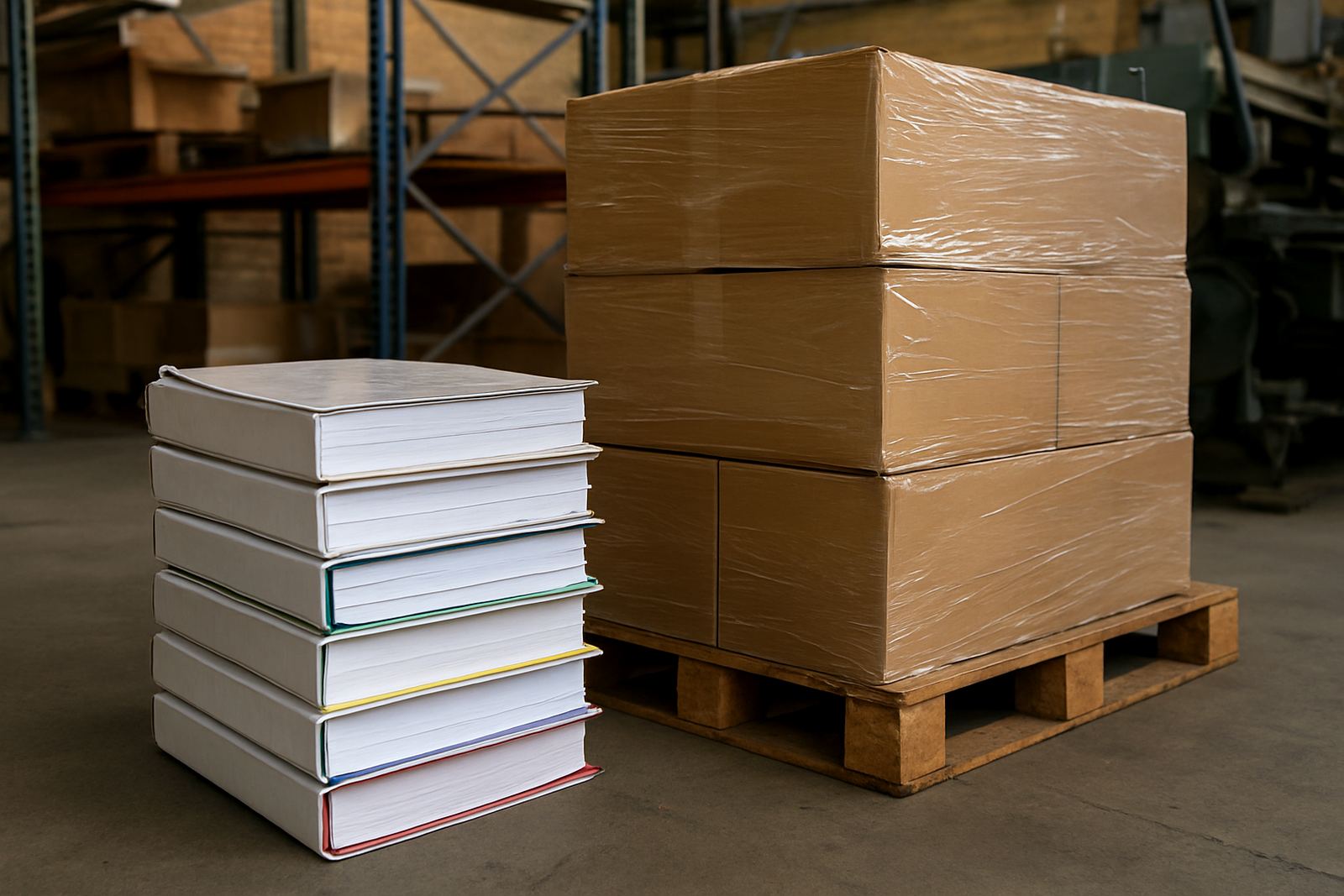
The manuals were then finished with a clean trim and binding that suited the number of pages in each book. After that, the completed sets were counted, packed and prepared for delivery. The client needed the copies distributed to more than one office, so the final packing note had to be accurate. Packing and dispatch may be the last step, but it is where the job is either made easy for the client or turned into a headache. We kept it simple and clearly marked, which made receipt on the other side much easier.
Siyanda Ramaboa handled client updates through the job, giving clear progress points so the manufacturing team could plan its rollout. The result was a clean handover with no confusion about quantities or destinations. It is a small thing, but when policies are being updated across sites, knowing exactly what arrived and where it went saves a lot of time.
Delivery across Johannesburg and to the client’s sites
Our base in Industria, Johannesburg allowed us to get the finished manuals out quickly, whether the delivery point was in Boksburg or further afield. The client needed copies moved into its internal network, and we coordinated dispatch so the right sets reached the right people without delay. For a manufacturing business this is practical work, not a branding exercise. The manuals need to land on the correct counter, in the correct store or office, and they need to arrive in usable condition.
The job also showed why nationwide print support matters. Some clients want one batch sent to head office, others need staged delivery to different branches. We handle that every week, so the packing format is planned around the final destination rather than treated as an afterthought. If a document is going to a plant in another province, a warehouse in Gauteng or an admin office in Johannesburg Central, the packing note and dispatch detail have to be right first time.
- Base: Industria, Johannesburg
- Delivery: Boksburg plus other client sites as required
- Dispatch focus: counted packs and clear labels
- Support areas: Johannesburg Central, Sandton, Randburg, Roodepoort, Midrand, Pretoria and the East Rand
What the client received and what we would carry into the next run
The finished manuals gave the client a practical tool for rolling out updated internal procedures without confusion between old and new versions. The copies were neat, durable and easy to work with, which matters in a manufacturing setting where books are opened, carried and referred to many times a day. The client also appreciated that the job stayed on schedule, because the policy update was tied to a wider internal rollout and could not drift.
If we were repeating the project, we would handle it the same way: early prepress checks, clear proof approval, a binding choice that suits the manual thickness and a packing plan matched to the delivery points. For a project like this, the best result is not just a good-looking book it is a manual that survives actual use. That is exactly what this run was meant to do, and it did the job well.
Oupa Hlungwani and the team keep this approach in place for many similar runs, from internal policy books to training packs, technical guides and staff manuals. When the content needs to be clear and the binding needs to last, we build the job around those two requirements from the start.
Key facts
| Client type | Manufacturing business in Boksburg |
|---|---|
| Project | Internal policy manuals |
| Format | A4 |
| Print method | Offset printing |
| Binding | Durable bound finish with trimmed edges |
| Turnaround | 2 weeks from approval to dispatch |