Agency print jobs that need clean handover and tight control
When an agency is managing a publication for a client, the pressure is usually on the final mile. The creative team may have handled concept, copy and layout, but the print stage still needs careful file checks, correct impositions, reliable proofing and a binding choice that suits the page count and budget. If the publication is going to a boardroom in Sandton, a retail launch in Pretoria or a distributor in Cape Town, the print spec must be right the first time.
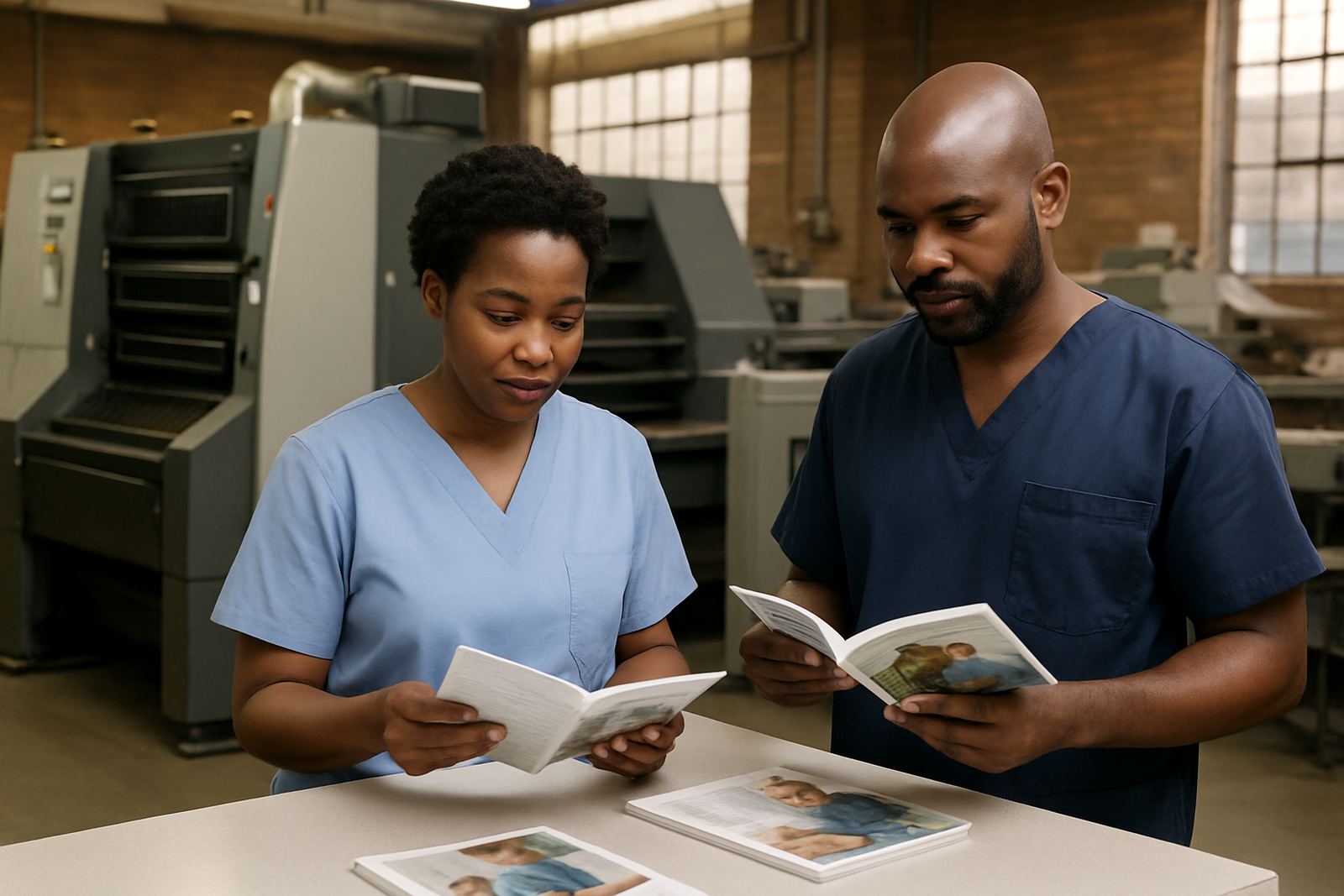
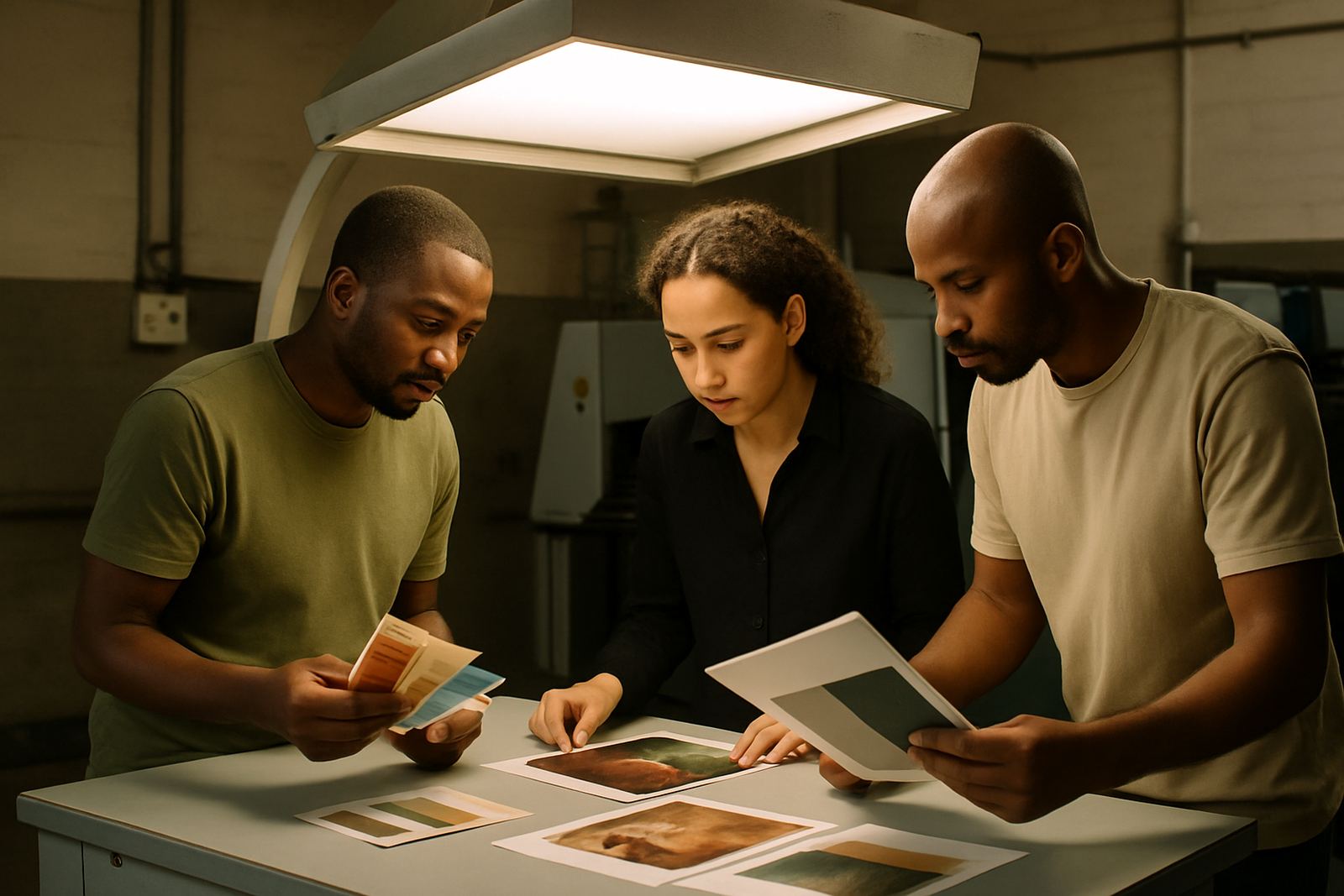
Printing House in Industria, Johannesburg handles book and magazine printing for agencies that need a steady production partner rather than a once-off supplier. Our team works with prepress checks, offset printing, flexo printing where suitable, colour proofing and several finishing options. That means your job can move from final artwork to packed and dispatched copies without lots of back and forth. It also helps when a client asks for a last-minute quantity adjustment or a split delivery to more than one branch.
For agencies, the real value is in predictable handling. You can plan around quantities, timing and final presentation, while we manage the print detail and binding method. Some jobs need a clean, simple finish. Others need heavier covers, sewn sections or a stronger spine for repeated handling. A good production plan saves money, avoids waste and keeps the client confident.
What agencies should prepare before the files go to press
Most agency publication jobs use a fairly standard set of equipment and finishing stages, but the sequence matters. Offset printing is often the best fit for medium to larger runs where colour consistency and page quality matter. Flexo printing can suit certain packaging-linked print requirements and repeat production where a different format is needed. After printing, the publication may move to folding, stitching, gluing, trimming and packing. The choice depends on the page count, paper type and how the finished piece will be handled.
For magazines, saddle stitching is common on slimmer issues and booklets. Perfect binding suits thicker publications with a square spine and a more formal presentation. Case binding is used when the publication needs a hard cover and longer shelf life. Section sewing is useful for stronger opens and better durability on heavier books. Cover lamination and foil finishing can improve handling and presentation, especially for client gifts, annual reports or premium launches. Die cutting may be used for custom covers, tabs or special reveal effects.
We keep the process practical. If the job is going to a publisher nationwide, we can pack and dispatch in a way that makes storage and distribution easier on the other side. That matters when an agency is supplying a head office plus multiple regional teams. Proper carton labelling and neat palletising help reduce damaged copies and make receiving faster.
Budget ranges agencies can plan around
Print budgets vary a lot, but agencies usually need enough guidance to scope a job before the client signs off. Smaller booklet runs can start in the low thousands, while larger magazine or book projects can move into the tens of thousands depending on page count, cover finish and quantity. If special binding, foil or die cutting is added, the total rises quickly. It is better to budget for the actual use of the publication rather than only the unit cost.
As a working guide, simple short-run publications may sit around R3 500 to R12 000, depending on size and finish. Mid-range magazine or book runs often land between R12 000 and R45 000. Higher volume or more complex publication work, especially with hard covers or multiple finishing steps, can exceed R45 000. These ranges are broad because paper choice, colour coverage and packing requirements all affect the final figure.
Agencies should also plan for proofing, freight and any extra packaging needed for long-distance delivery. If a client wants rush turnaround, expect added production pressure and possibly a higher cost. A well planned brief usually saves more money than aggressive last minute changes. It also helps keep the final print quality where it should be.