
What our colour proofing covers
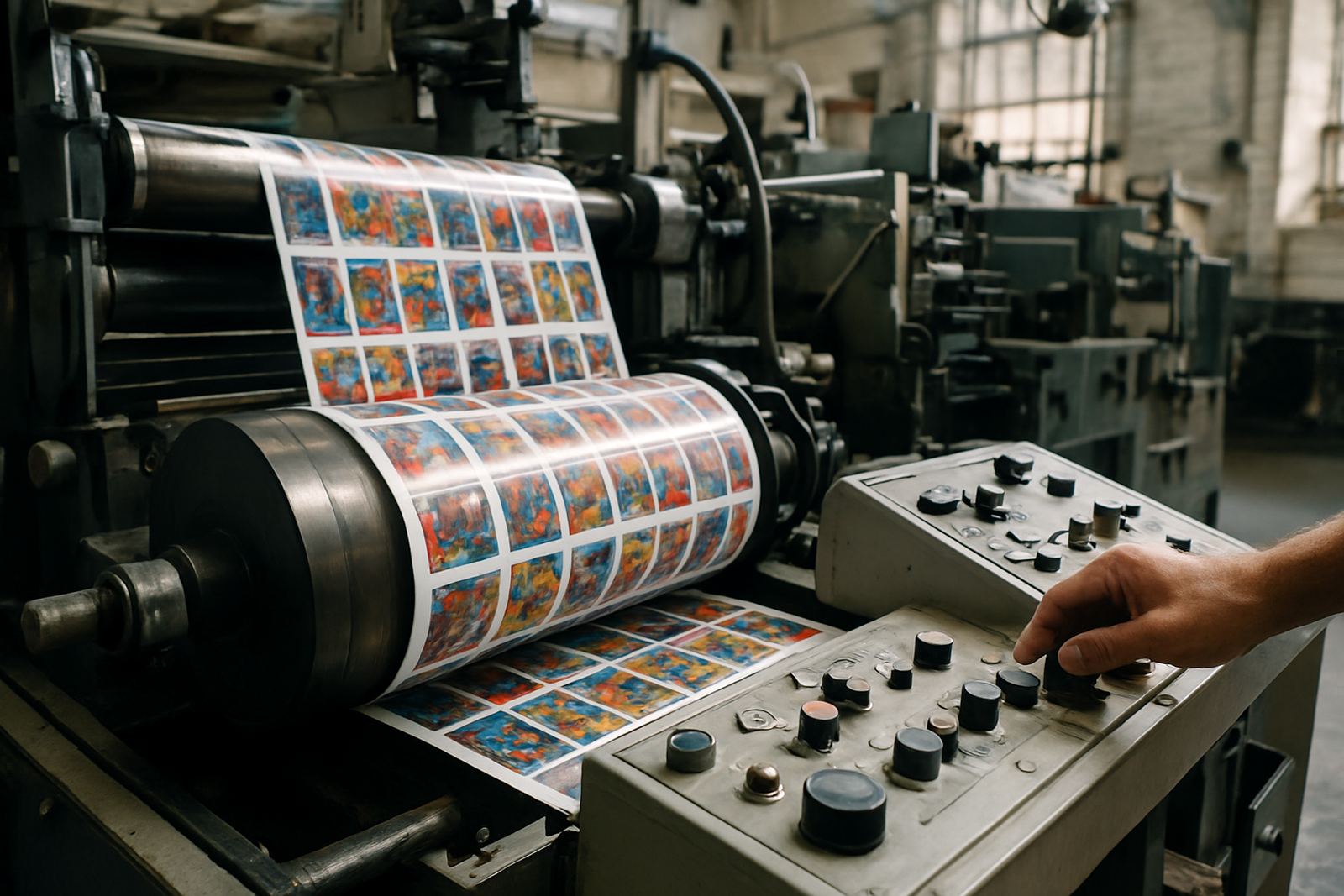
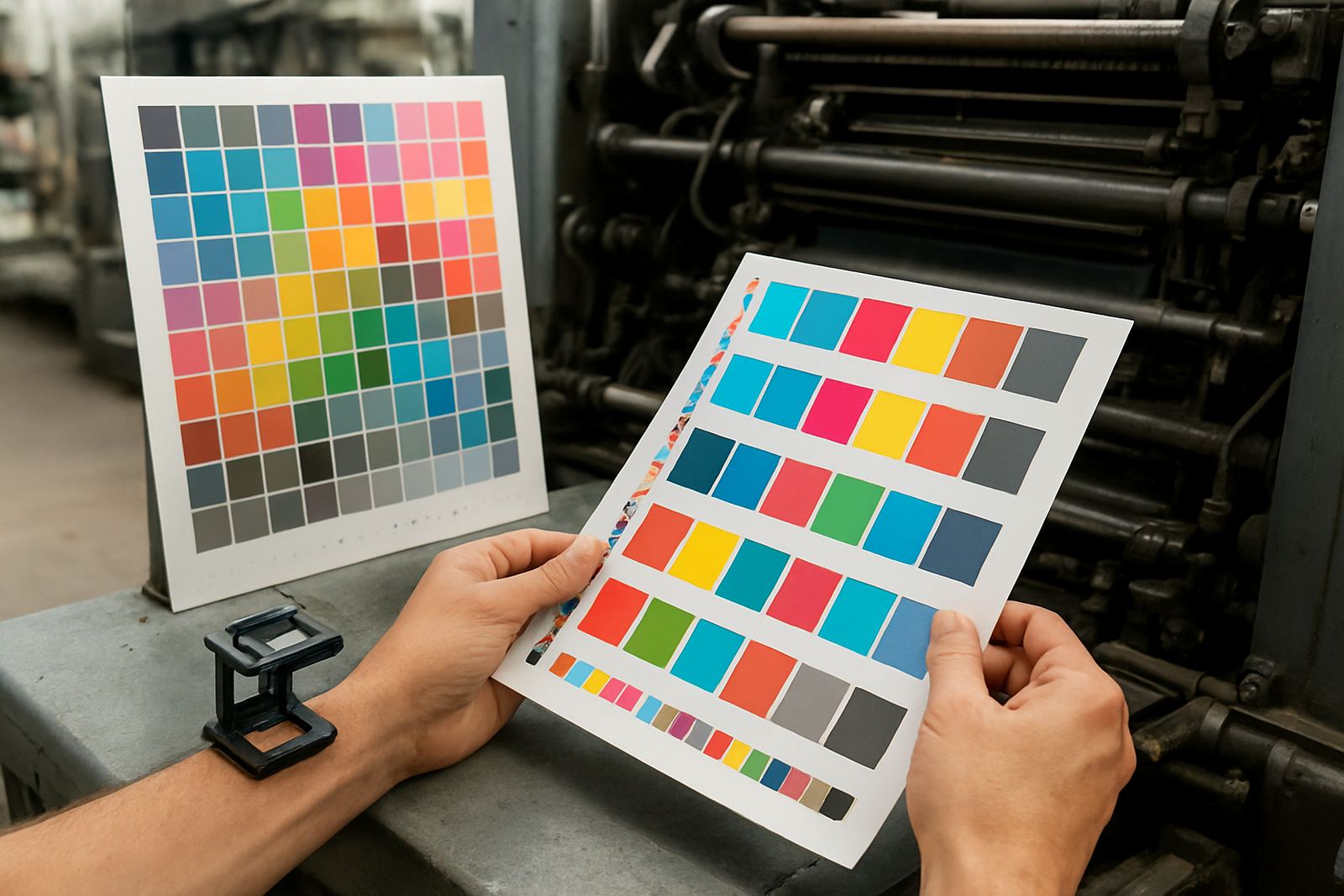
Colour proofing is the stage where we check how your pages will reproduce on press, so there are fewer surprises once production starts. At Printing House, we use proofing to compare images, solids, text blacks, tints and overprints against the approved artwork. This is especially useful for magazines, annual reports, catalogues and illustrated books where one off shade shift can affect the whole run.
Our team in Industria, Johannesburg reviews files for a practical production result, not just a pretty screen view. We look at skin tones, brand colours, greys, shadow detail, image sharpness and page-to-page repeatability. If a spread needs correction, we flag it early so your run can stay on schedule. That saves paper, time and waste, and it helps keep costs under control.
- Image and colour balance checks for CMYK work
- Page consistency across chapters, signatures and sections
- Spot colour guidance where a project uses named inks
- Review of text blacks, tints and fine detail
- Checks for bleed, trim, traps and overprint settings
How the proofing process works
We keep the process straightforward. Once your files arrive, our prepress team checks setup first, then prepares proof output for review. If artwork has issues like low resolution images, missing fonts, incorrect page size or unsafe bleed, we will advise before proofing moves ahead. That early check is important because fixing a problem at proof stage is usually quicker than fixing it on press.
After proof preparation, we send the pages through a controlled review step. Depending on the project, that may include hard copy proofs, digital proofs, or a combination of both. Your team can then mark changes such as colour shifts, caption edits, page order or image replacement. We build in time for one or more revision cycles where needed, though complex jobs may need extra rounds if the source material changes a lot.
- Step 1: file receipt and preflight review
- Step 2: proof output and page comparison
- Step 3: client comments and amendment round
- Step 4: final approval before print release
Proofing standards for books, magazines and short runs
Different print jobs need different proofing controls. A 32 page magazine with rich photography needs a tighter eye on colour drift than a text heavy booklet, while a coffee table title needs careful handling of shadows, flesh tones and dark backgrounds. For publishers working with multiple contributors, proofing also helps keep page furniture, captions and chapter openers consistent from start to finish.
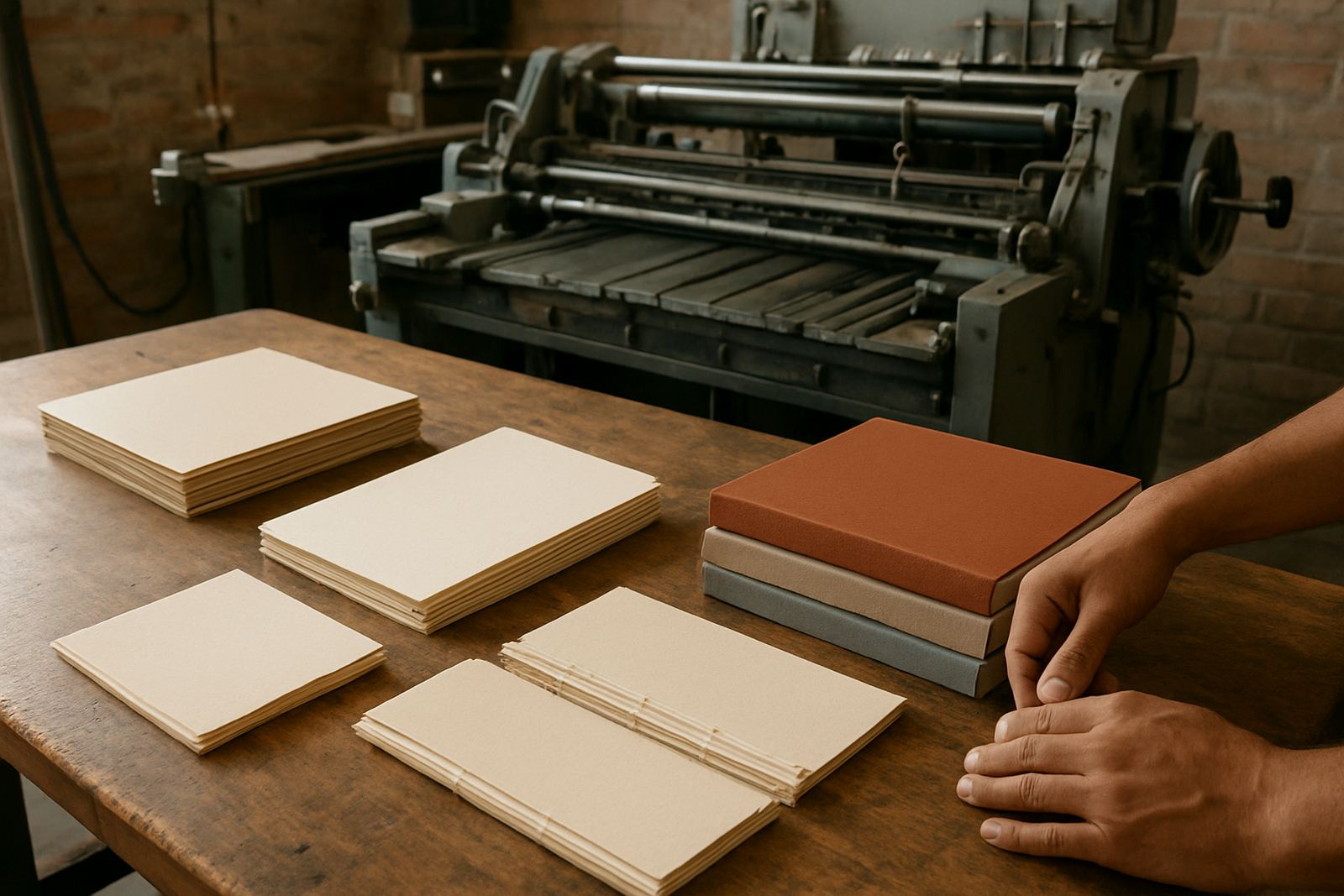
We work to practical print specifications that suit offset and flexo production. Typical checks include resolution at 300 dpi for images, correct bleed of 3 mm, safe text margins, embedded profiles where supplied, and page sizes set to the final trim. If a title has section sewing or perfect binding later on, we also consider spine allowance and creep where relevant. It sounds technical, but it is the sort of detail that keeps the final book neat and readable.
- 300 dpi image guidance for most print projects
- 3 mm bleed recommended on trimmed pages
- Final page size confirmed before proof sign off
- Spine and gutter checks for bound publications
- Consistency checks for covers, inserts and adverts
Turnaround times and scheduling
Turnaround depends on file readiness, page count and how many correction rounds are needed. A simple proof for a short brochure can be prepared quickly, while a large magazine or book with multiple sections will need more review time. For urgent work in Johannesburg Central, Sandton, Randburg, Roodepoort, Midrand, Pretoria or the East Rand, we try to fit proofing into the production plan without cutting corners.
In most cases, the fastest jobs are those that arrive print ready, with all images supplied, text finalised and page order confirmed. If there are many contributors or late editorial changes, we suggest allowing extra time for the proof cycle. This is especially important near month end when publishers are pushing to meet shipping dates and press bookings fill up fast.
- Short, print-ready jobs may be proofed same day or next day
- Longer publication jobs usually need a planned review window
- Final approval should allow time for press booking and finishing
- Rush work is possible where production capacity allows
Pricing approach and what affects the cost
Our pricing is based on the real work involved in the proofing stage, not on guesswork. The main factors are page count, number of versions, file condition, proof type, and how many corrections are needed before approval. If a job has several cover options, advertiser changes, or different language versions, the proofing effort increases and the price will reflect that.
We quote clearly so you can see where the money goes. That usually includes file checking, proof output, review time and amendment handling where agreed. For publishers with repeat titles, we can often keep the pricing structure stable from issue to issue, which helps with budgeting. Where pages are already well prepared, costs stay lower because less correction is needed, simple as that.
- Single proof or multi round proofing options
- Pricing influenced by page count and file condition
- Repeat publications can follow a consistent quote structure
- Extra changes after approval may affect the final cost
Keeping proofing accurate over repeated issues
For magazines, annual reports and serial publications, accuracy has to hold from one issue to the next. We keep proofing records so future editions can be compared against the approved standard. That means colour references, finishing notes and layout decisions are easier to match when the next run comes through. It also helps when the same title is printed months later and the client expects the same look.
We also recommend routine maintenance checks on the proofing workflow itself. In practical terms, that means regular calibration, device checks and file standard reviews so colour stays dependable. For ongoing publication work, a monthly check is sensible, with a fuller workflow review every quarter or when there is a change in artwork software, paper stock or press specification. On coastal humidity jobs and winter dryness can both affect handling, so keeping the system checked matters. A small drift caught early is better than reprinting a whole batch later.
- Monthly calibration checks for ongoing publication work
- Quarterly workflow review for repeat titles
- Extra checks after software, stock or press changes
- Stored approval records for future reprints
Key facts
| Service area | Industria, Johannesburg with delivery to publishers nationwide |
|---|---|
| Proof types | Digital proofs and hard copy proofs where required |
| Colour focus | CMYK balance, spot colour guidance and image consistency |
| File checks | Bleed, trim, page order, resolution and overprint settings |
| Typical print prep | 300 dpi images and 3 mm bleed on trimmed pages |
| Typical review cycle | Initial proof plus 1 to 2 amendment rounds, depending on job complexity |