
Custom shapes that suit books, magazines and inserts
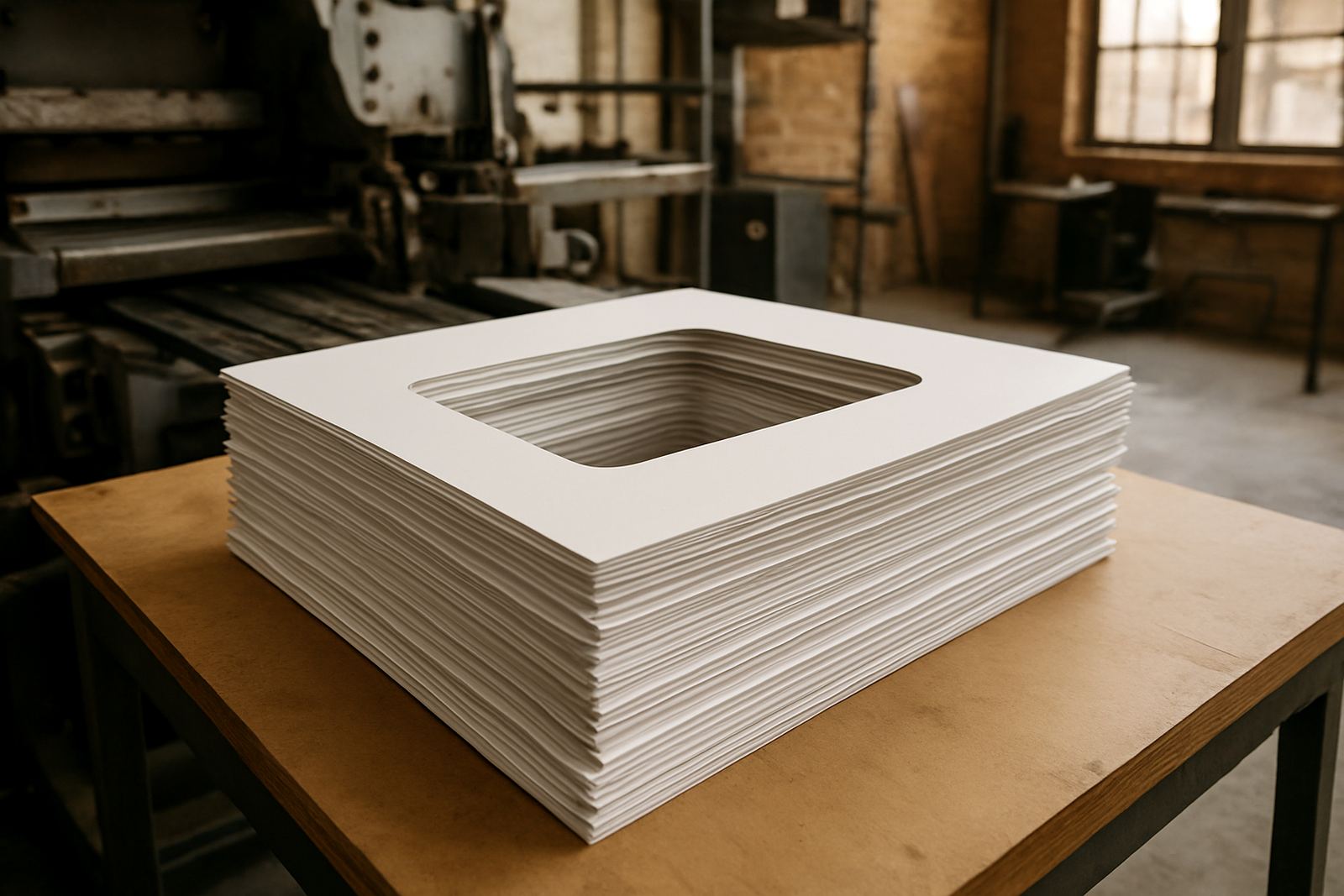
Die cutting is used when a printed piece needs more than a straight trim. It can create window cut-outs, display flaps, finger pulls, rounded corners, reveal panels and shaped covers for special editions, inserts and promotional packs. For publishers, it is often the step that turns a standard printed item into something easier to handle and more useful on shelf or in hand.
We work on short-run and larger volume jobs, whether the stock is folded board, coated paper, uncoated cover stock or laminated material. The aim is clean edges, repeatable cuts and good registration with the printed artwork. On publication work, that matters because even a slight shift can affect the binding line, the trim or the finished look of a cover spread.
In Johannesburg and across Gauteng, many clients ask for die cutting on items that must travel well, stack neatly or survive handling during distribution. That includes book covers, magazine wraps, promotional inserts, folder-style handouts and stand-out components that need to hold their shape after packing and dispatch.
What the die cutting service includes
Our die cutting service is set up to support the full print run, from prepress checking through to post-cut inspection. We confirm the artwork layout, check the cut line against bleeds and folds, then prepare the job for the right cutting tool and press setup. If a piece needs scoring before cutting, we plan that in as well so the stock does not crack on heavier covers or laminated sheets.
- Artwork and cut-line review before production
- Advice on bleed, safe area and fold allowance
- Cutting for covers, inserts, tabs and shaped pieces
- Scoring and creasing where the stock needs to fold cleanly
- Sampling and approval on first-off pieces when required
- Inspection for edge quality, registration and consistency
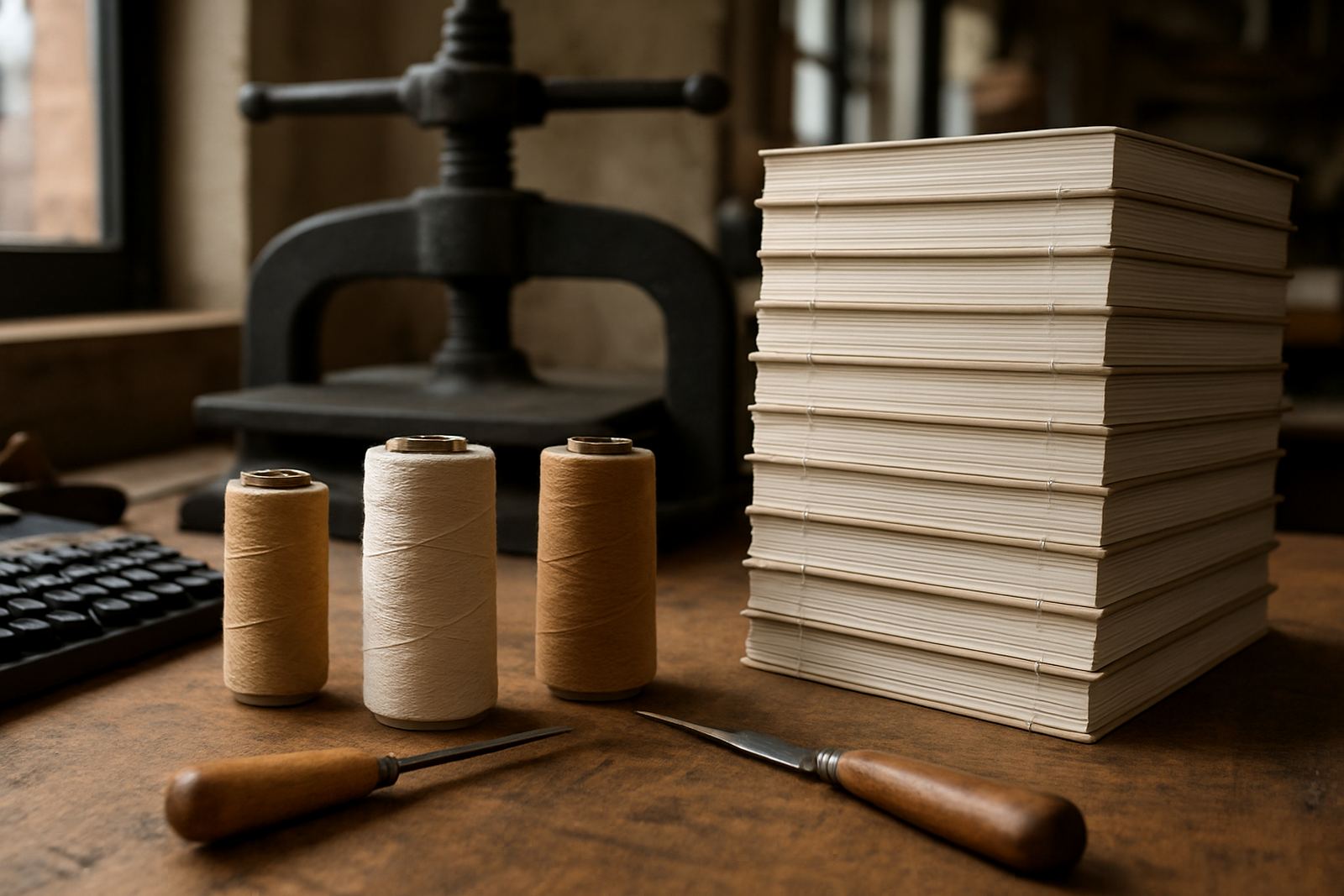
We also check how the finished pieces will move into the next stage, whether that is saddle stitching, perfect binding, case binding or packing for despatch. That saves time later and reduces the risk of rework, especially on jobs that must be delivered to printers, publishers or distributors in more than one province.
Step-by-step production from file to finished piece
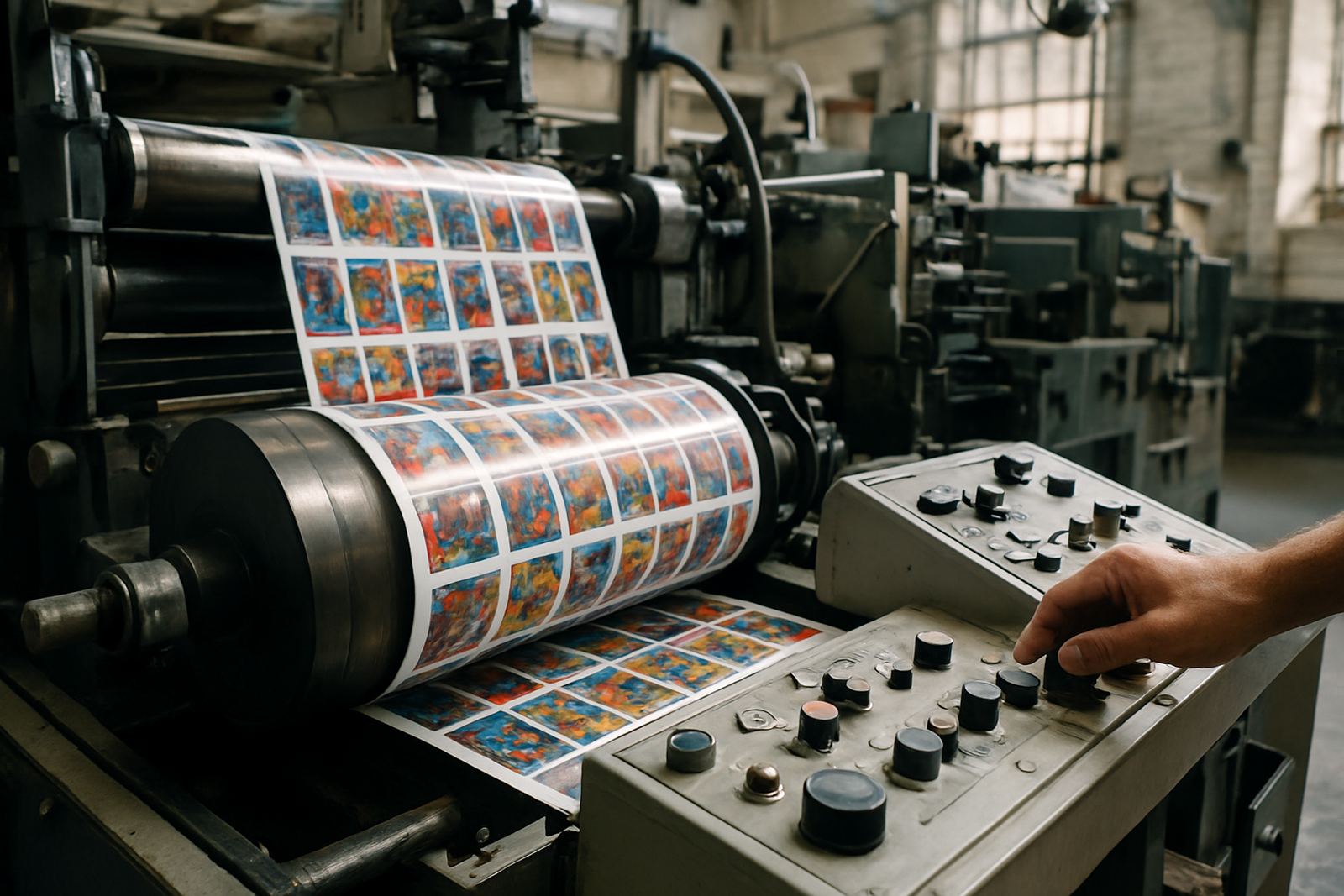
The process starts with the printed art file and the specification for the final size. Johan van der Merwe and the prepress team review the dieline, trim marks and any fold or stitch allowances. If the cut needs to align with a cover image or a magazine insert, that is checked before the job reaches the press floor. It is better to catch a mismatch then than after the first batch has been cut.
Once approved, the correct cutting form is prepared and the job is set up on the cutting equipment. The stock type and thickness guide the pressure and registration settings. Thicker board, laminated covers and coated stocks need a different setup from lighter inserts. After the first pieces are cut, we inspect the edges, corners and fold lines. If the job includes a complex shape, we check the repeat carefully across the sheet because one misfeed can affect several finished pieces at once.
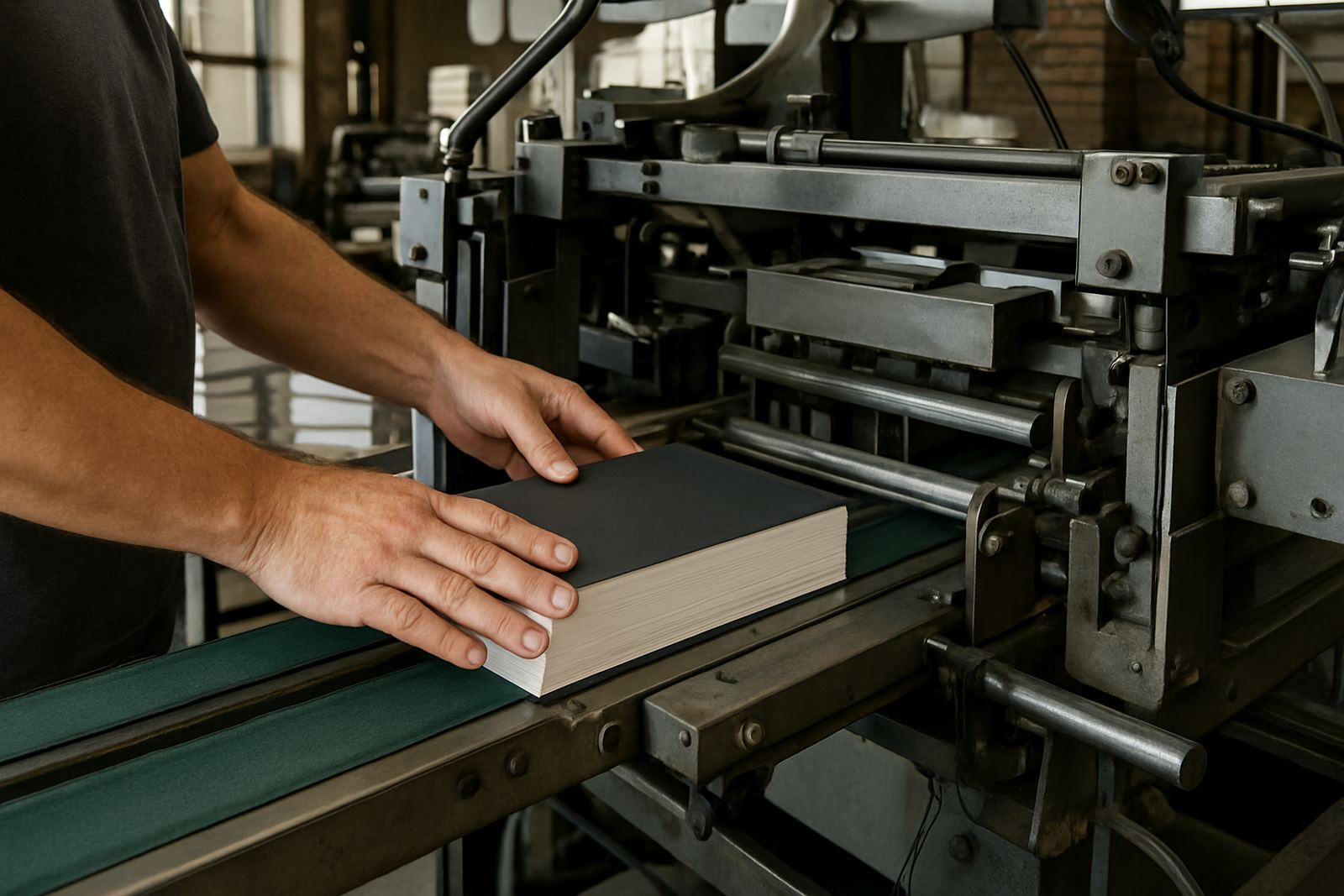
After cutting, the components are counted, packed and sent for the next stage or prepared for dispatch. For publishers who work with tight release dates, this is often the most useful part of the service, since the cut pieces can move directly into binding or fulfilment without extra handling.
Sizes, stock limits and finishing specifications
Die cutting works best when the stock and artwork are matched to the job. For publication work, we commonly handle standard magazine covers, folded inserts, chapter tabs, promotional sleeves and shaped components for gift packs or special editions. The exact result depends on the stock thickness, fibre direction and the size of the shape being removed.
- Suitable for paper, board, laminated stock and selected coated materials
- Best results on clean artwork with proper bleed and trim margins
- Minimum detail size depends on the stock and final cut shape
- Scoring recommended on heavier covers and folding boards
- Rounded corners and small cut-outs need careful allowance in the artwork
- Cutting tolerances are planned to suit print registration and binding requirements
In coastal humidity conditions, stock can move slightly if it is left open too long, so we keep an eye on conditioning before and after print. In winter dry spells or during load-shedding interruptions, paper handling also needs care so the sheets stay flat and the cut remains accurate. That sort of control matters on runs going to Durban, Port Elizabeth, Cape Town or inland to Pretoria and Midrand.
Turnaround, scheduling and maintenance intervals
Turnaround depends on the shape complexity, run size and how quickly artwork is approved. Simple straight-forward cuts can move quickly once the file is signed off, while intricate patterns or multi-step finishing may need a little more time. For urgent publication work, we plan the cutting slot around the print schedule so the pieces do not sit waiting on the floor.
Our team checks equipment condition at set intervals because good die cutting depends on sharp tooling, clean pressure and steady alignment. In practical terms, that means routine inspection before production, tool checks during the run and a full maintenance review after scheduled volumes or when the cut quality starts to change. On high-use periods, especially when several magazine and book jobs land together, this helps prevent rough edges, crushed fibres or uneven corners.
Clients planning a release should allow time for proof approval, print drying and finishing. If the job includes lamination or foil finishing before cutting, we will sequence the work to reduce marking and keep the cut line clean.
Pricing approach for publishers and business print runs
Die cutting is usually priced on setup, complexity and volume. A simple rectangular cut with a few rounded corners will cost less than a detailed shape with multiple windows, scores and fine registration points. Larger quantities can lower the unit cost, while short runs may carry a higher setup share because the cutting form still has to be prepared and checked.
We quote after reviewing the final size, stock choice, artwork and any linked finishing such as lamination, foil or binding. That gives a fairer figure for publishers and businesses that need accurate budgeting before a release goes to press. If the work is part of a broader production plan, such as a book cover and insert pack, we can quote the finishing as one job so the stages are easier to manage.
For customers in Johannesburg Central, Sandton, Randburg, Roodepoort, Midrand, Pretoria and the East Rand, collection and delivery can be organised to match the print schedule. National clients also use our packing and dispatch service when the finished pieces need to reach more than one destination.
Cut Finishing Matched To Print And Binding
Printing House works from Industria in Johannesburg, and our team treats die cutting as part of the full print and binding process. It has to fit the print method, the binding style and the way the publication will be handled once it leaves the press. Busisiwe Motaung oversees production flow, Farieda Adams coordinates bindery work, and Leanne Naidoo manages logistics so the finished pieces move out on time.
We are used to working on publication runs where accuracy matters more than flair. A clean cut on a magazine cover, a properly scored folder or a neatly shaped insert can make the difference between a piece that feels finished and one that looks rushed. That practical approach is what clients expect when they are preparing a launch, reprint or seasonal publication.
- Based in Industria, Johannesburg with nationwide delivery
- Suitable for publishers, authors and business print projects
- Integrated with offset printing, prepress and binding
- Careful handling for coated, laminated and heavier stocks
- Ordered production flow from approval to despatch
If you need die cutting for covers, inserts or a custom publication component, send the job through the enquiry form and we will assess the print file, stock and finish requirements before production starts.
Key facts
| Service area | Industria, Johannesburg with delivery nationwide |
|---|---|
| Typical materials | Paper, board, laminated stock and selected coated materials |
| Common applications | Book covers, magazine wraps, inserts, tabs and shaped components |
| Linked finishes | Scoring, lamination, foil finishing, binding and packing |
| Turnaround | Depends on artwork approval, run size and cutting complexity |
| Pricing basis | Setup, shape complexity, stock type and volume |