
What Cover Lamination Does For Your Printed Covers
Cover lamination adds a thin protective film over the printed cover, which helps guard against scuffing, finger marks, light moisture and general wear. It is a practical choice for books, magazines, catalogues and reports that move through warehouses, offices, schools and retail counters, especially where items are packed tight or handled often.
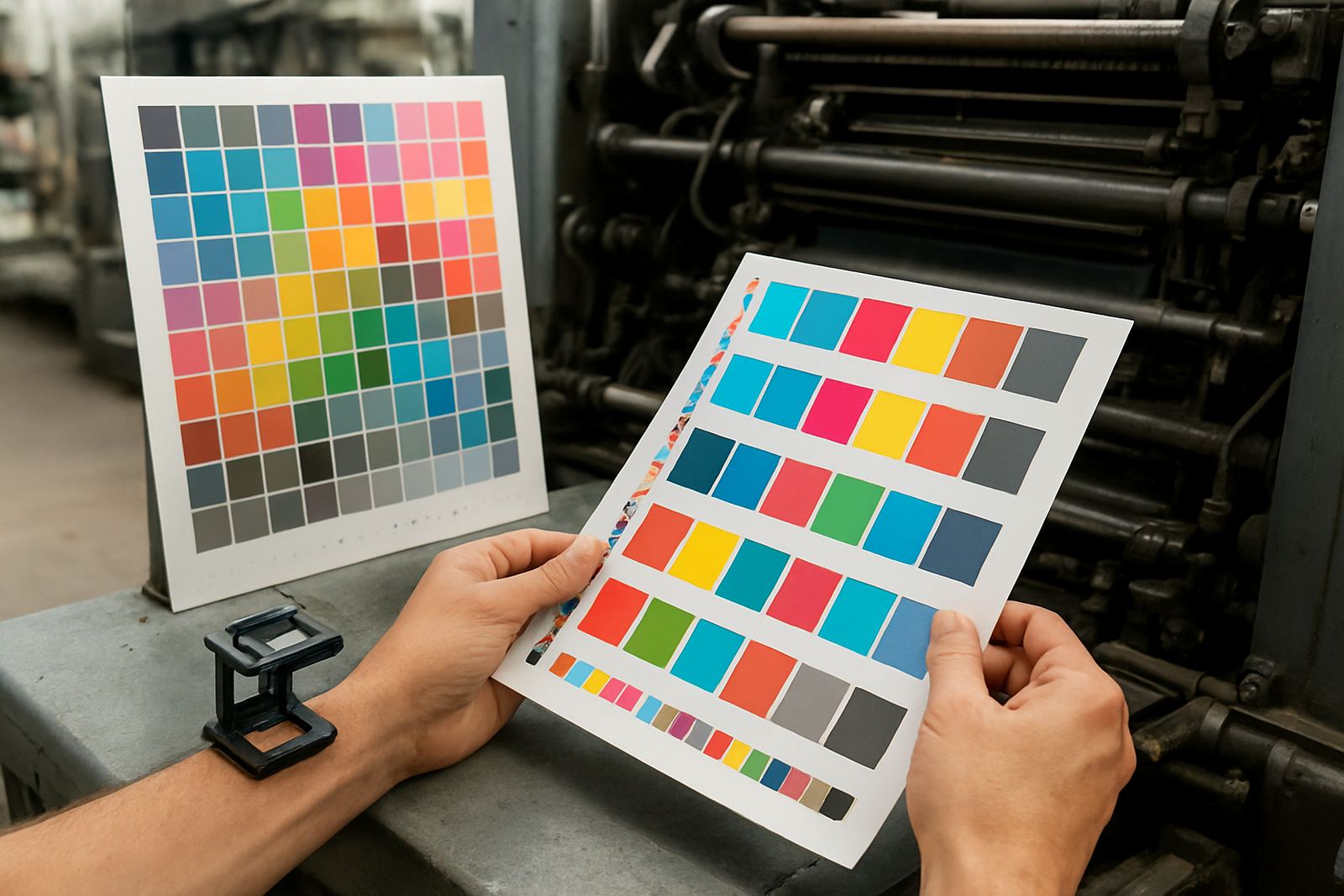
Gloss lamination gives a brighter finish with a sharper colour pop, while matte lamination offers a softer look with less reflection under office lighting or retail display lights. For publishers in Johannesburg, Pretoria, Randburg or further afield, the choice often comes down to the kind of use the publication will get and the visual effect needed on shelf.
Lamination Options And Where They Work Best
We apply lamination to covers only, not to the inner pages, and can advise on the best match for your paper stock, ink coverage and binding method. The finish should suit the publication, not just the artwork. A dense, full-colour cover may need a different treatment from a simple text-heavy jacket or a special edition magazine cover.
- Gloss lamination: best for colour-rich covers, promotional magazines and titles that need a bright, polished finish.
- Matte lamination: suited to premium books, corporate publications and covers where a low-sheen finish is preferred.
- Short-run and longer-run work: suitable for small author print runs as well as regular publisher volumes.
- Single or double-sided coverage: applied to the outer cover surface as specified for the job.
We also consider how the cover will be folded, trimmed and bound. If a title is going through saddle stitching, perfect binding or case binding, the lamination needs to sit properly at the spine and trim edges so the final book stays neat and opens well.
How The Cover Lamination Process Is Managed
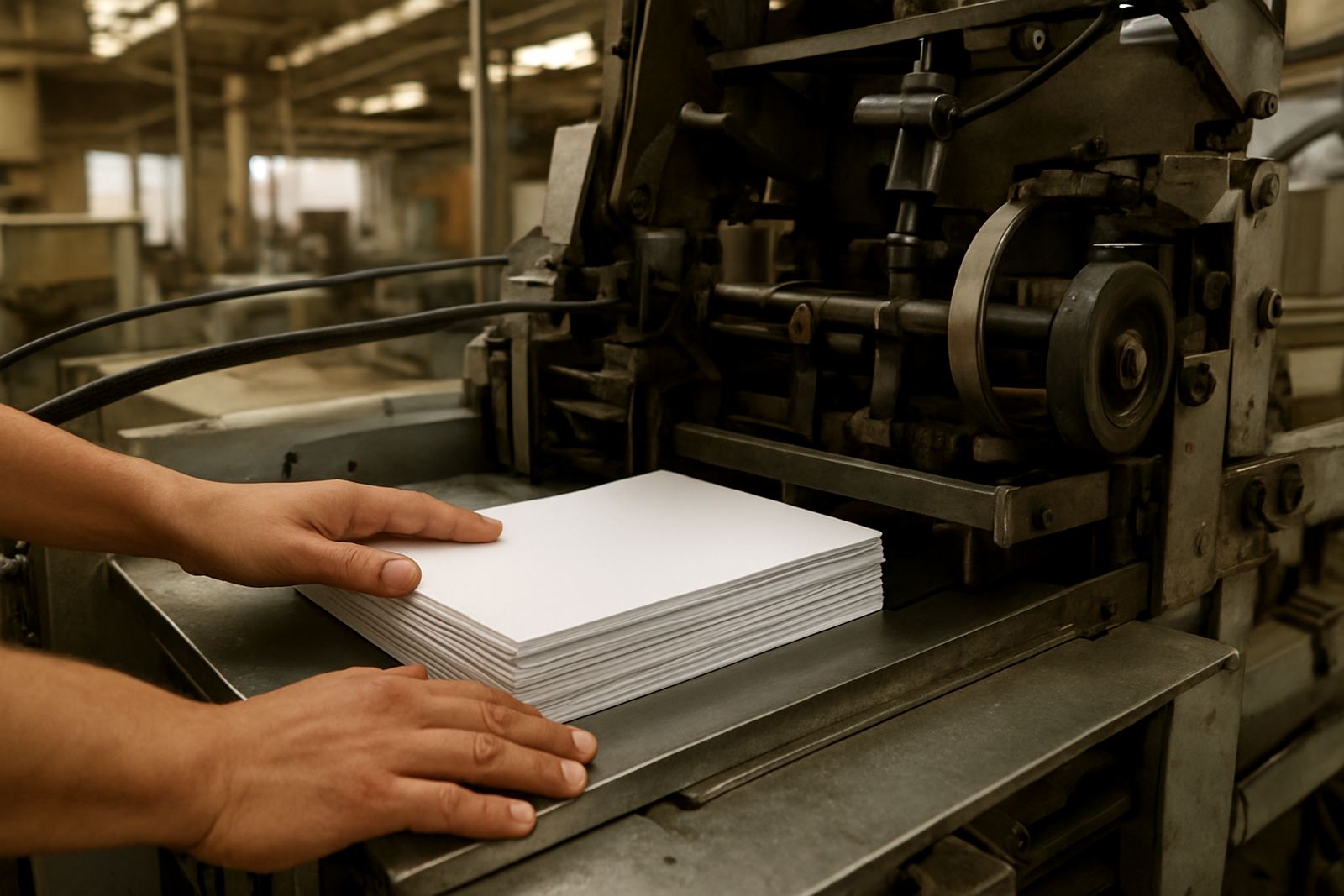
Every lamination job starts with a prepress check. We confirm artwork size, trim allowance, spine width, grain direction and the final binding plan before anything goes to press finishing. That saves time later and helps prevent lifting, cracking or uneven edges once the book is assembled.
- Artwork and file checks are completed before print production.
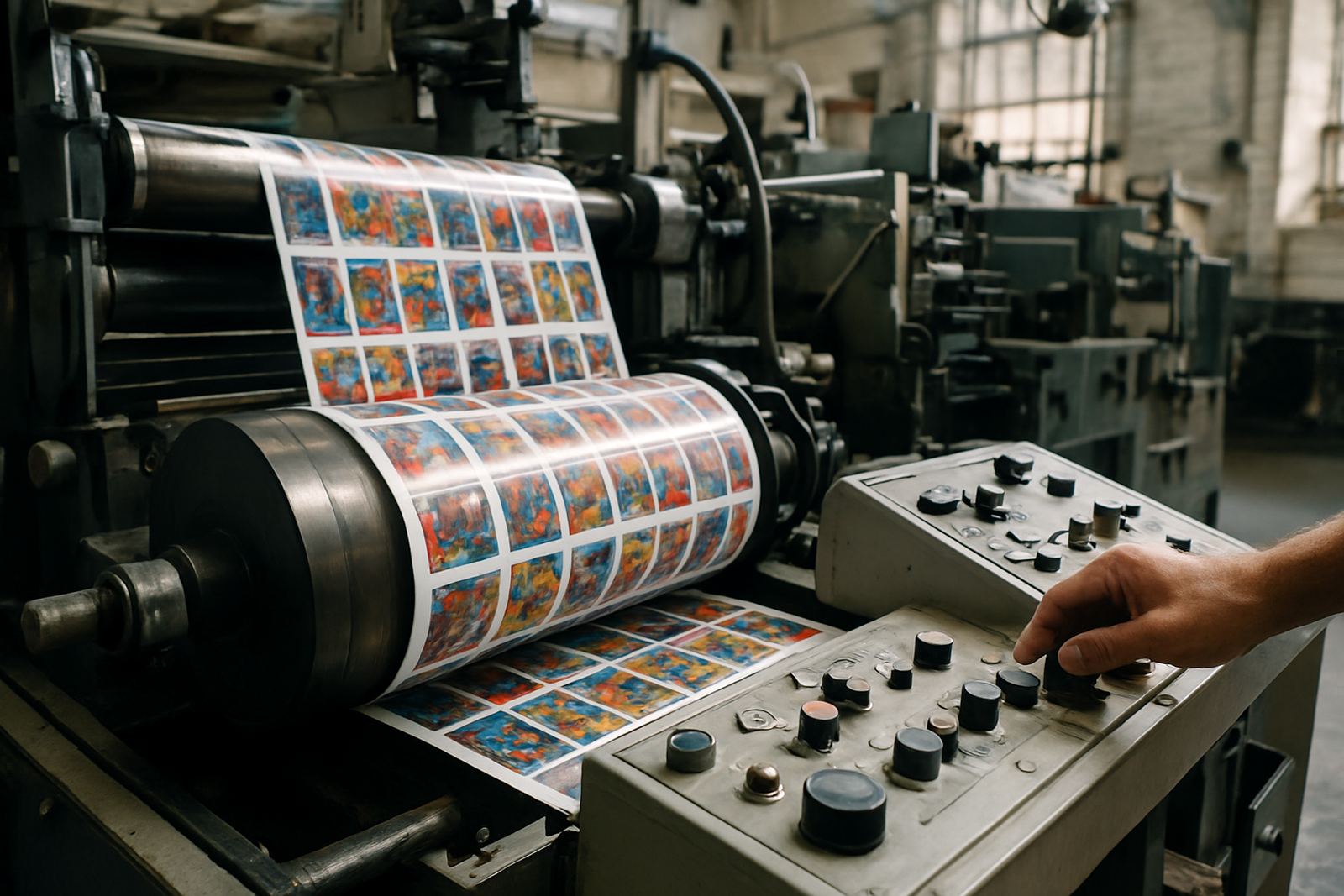
- Printed covers are allowed to dry properly before lamination.
- The correct film weight and finish are selected for the job.
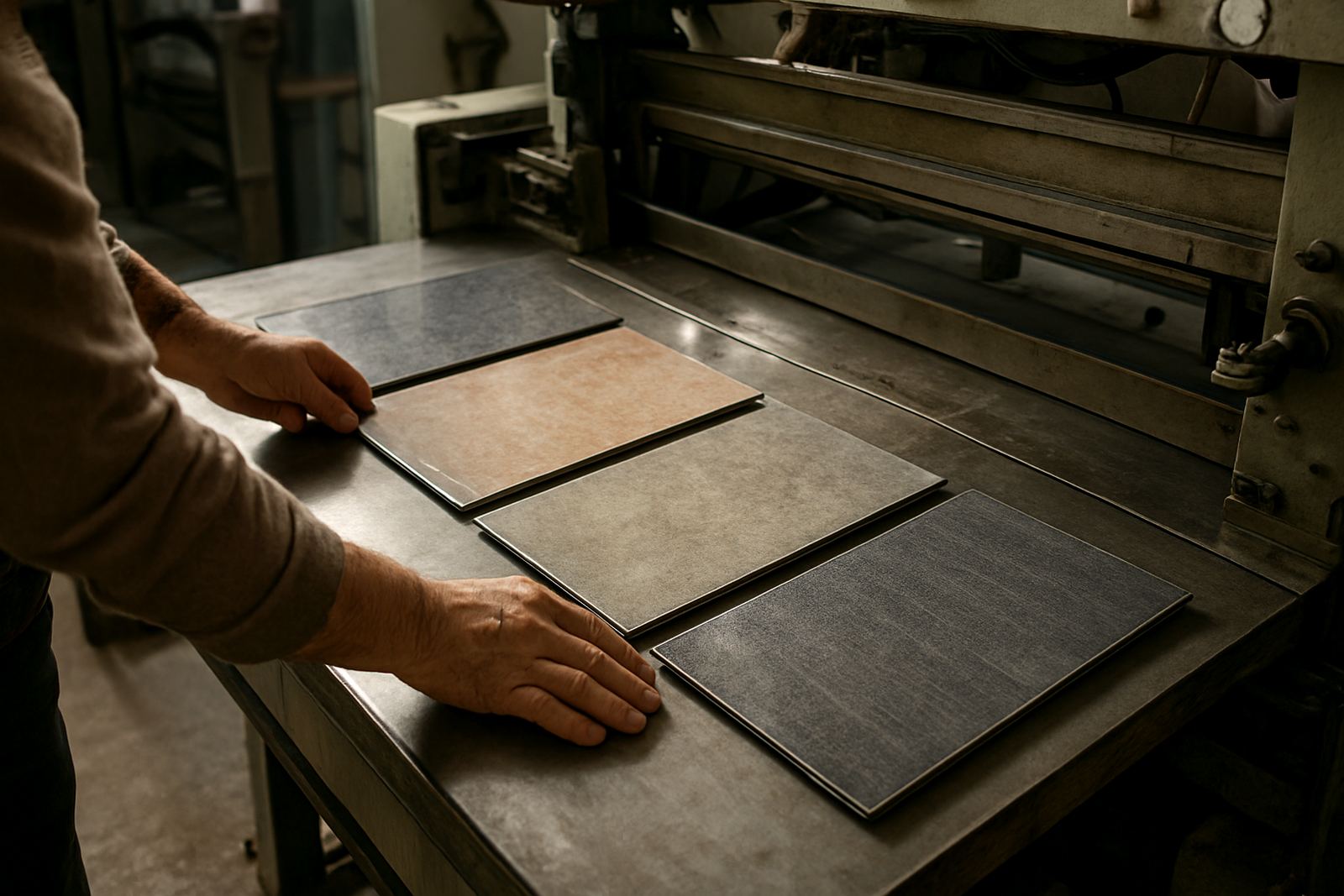
- Lamination is applied under controlled pressure and heat.
- Covers are trimmed and moved on to the next finishing stage.
Our production team, including Johan van der Merwe in prepress and Farieda Adams in bindery coordination, keeps a close eye on the handover between print, lamination and binding. That matters when a job has tight delivery dates or when a publisher needs multiple titles packed for dispatch in the same week.
Turnaround Times For Local And National Orders
Turnaround depends on run size, paper stock, drying time and whether the covers are being laminated before saddle stitching, perfect binding or case binding. Smaller jobs can often move through quickly once print and drying are complete, while larger publisher orders need a proper production window for batching and packing.
For Johannesburg and nearby areas such as Industria, Sandton, Midrand and Roodepoort, collection or delivery can be planned to suit your schedule. National publishers also use our delivery service, so work can be sent to Cape Town, Durban, Gqeberha, Bloemfontein and other centres without the need for extra handling by third parties.
Load-shedding can affect production planning, so we build in realistic timeframes and keep clients updated if a print window shifts. That way the lamination stage is not rushed and the finish stays consistent across the full run.
Pricing Approach For Lamination Jobs
Cover lamination pricing is usually based on sheet size, film type, quantity, print coverage and whether the job needs extra finishing such as die cutting or foil work. A single title with a simple wraparound cover will price differently from a magazine run with heavy ink coverage and multiple finishing steps.
- Run volume: higher quantities generally lower the unit cost.
- Finish choice: gloss and matte are priced according to material and process.
- Cover size: larger formats use more film and handling time.
- Binding sequence: jobs requiring more finishing stages need more production control.
We quote according to the actual job requirements, so you get a clear figure before production begins. There are no surprises added at the end, and if a project changes after sign-off, we will explain the effect on cost before moving ahead.
How To Keep Laminated Covers Looking Good
Laminated covers are easy to maintain, but they still benefit from sensible storage and handling. Keep cartons off damp floors, away from direct sun and away from hot vehicle cabins where possible. In coastal areas like Durban or East London, that extra care matters because humidity can affect stored print over time.
For books and magazines kept in office cupboards, showrooms or retail stock rooms, check the outer cartons every few months for crushing or moisture. If a title is stored for a long period, a quick inspection at 3 to 6 month intervals is useful. This is less about the laminate failing and more about keeping the full publication in good condition from print through to distribution.
If your publication is handled often, matte lamination can show less glare and gloss lamination can wipe clean more easily. Either way, the film protects the cover better than untreated stock, and that helps the publication look acceptable for longer on shelves, at events and during dispatch.
Key facts
| Finish options | Gloss or matte cover lamination |
|---|---|
| Typical film thickness | 25 to 30 micron film |
| Supported formats | Books, magazines, catalogues and reports |
| Compatible binding | Saddle stitch, perfect binding and case binding |
| Production location | Industria, Johannesburg |
| Delivery coverage | Nationwide delivery to publishers and businesses |