
Offset printing for publication runs
Offset printing suits longer publication runs where consistent colour, sharp text and steady page registration matter. It works well for novels, annual reports, magazines, catalogues, newsletters and educational titles. For publishers in Johannesburg, Pretoria, Midrand, the East Rand and further afield, it remains a dependable option when you need repeatable results across hundreds or thousands of copies.
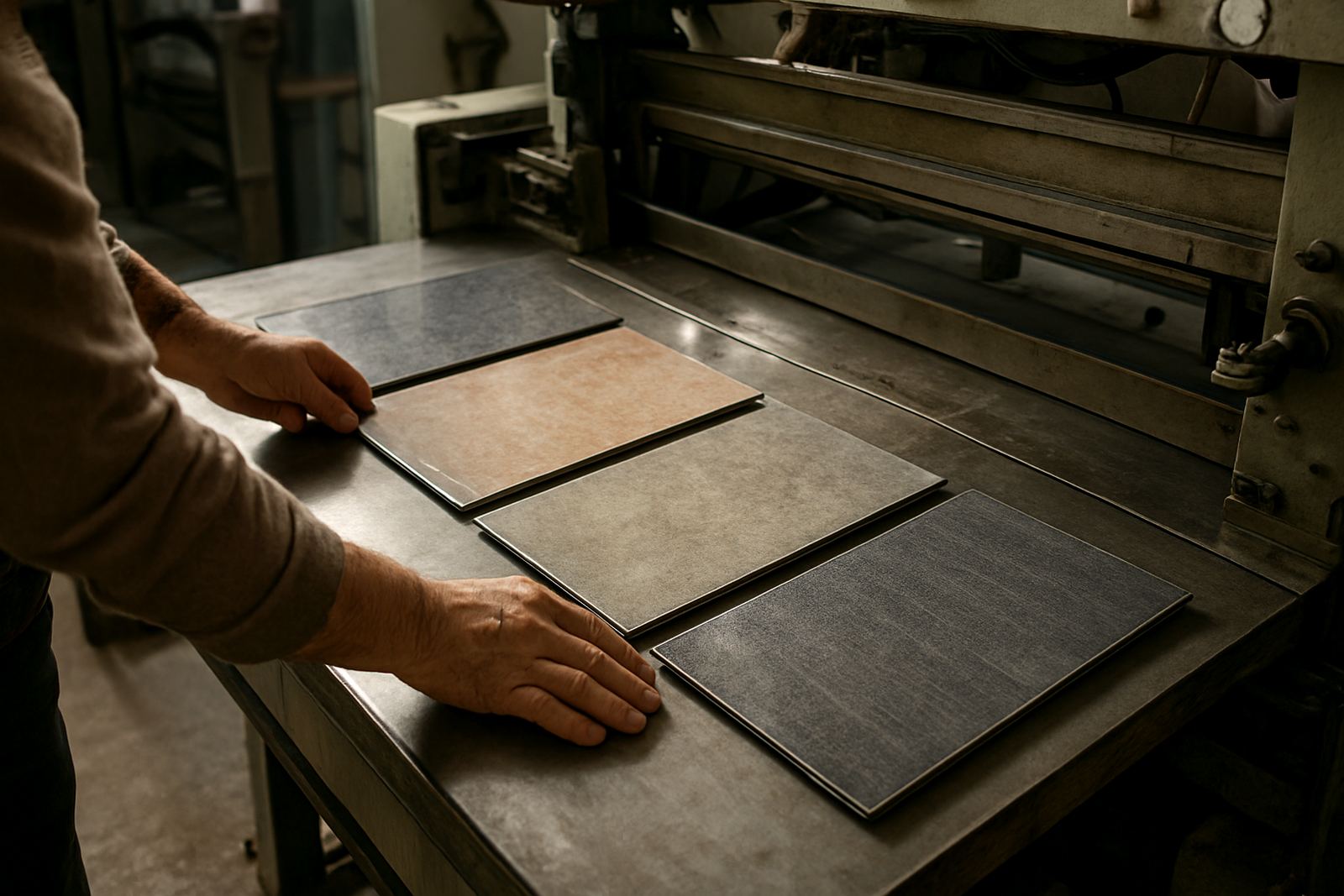
At Printing House, offset work is planned around the job size, paper stock, page count and finishing requirements. We print black only jobs, full colour interiors, and covers that need heavier board or a coated stock. Common specifications include 70 gsm to 120 gsm text paper, 128 gsm to 250 gsm cover stock, trim sizes from A4 and A5 through to custom formats, and saddle stitched, perfect bound or case bound output. Press choice, ink coverage and drying time are matched to the paper so the finished books and magazines stay neat in South African humidity and during summer deliveries.
- Ideal for medium to long runs with repeat orders
- Suitable for books, magazines, catalogues and brochures
- Supports single colour, two colour and full colour work
- Works with a wide range of coated and uncoated papers
What is included in an offset print job
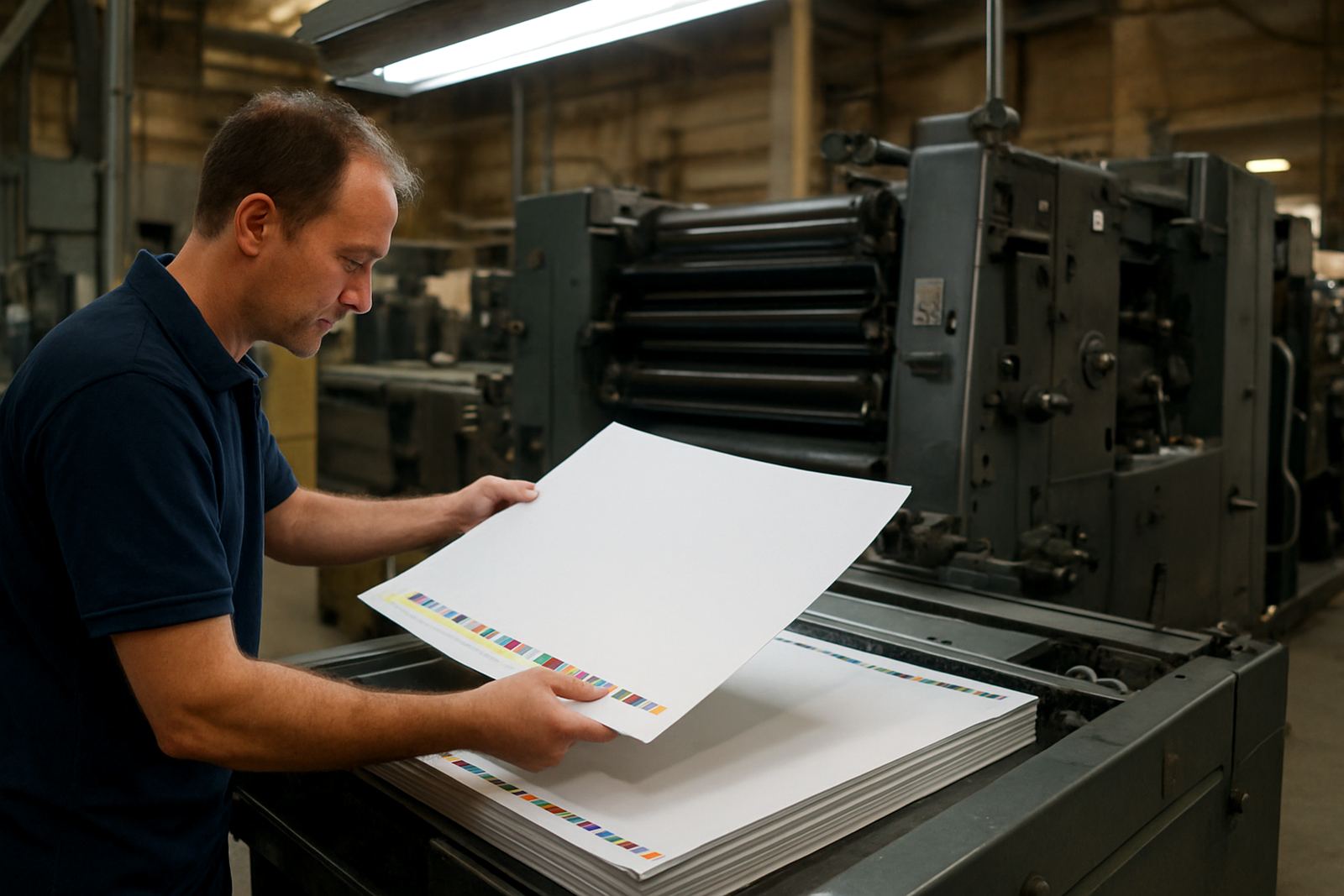
Each project starts with a proper print brief and a file check. We review page count, size, margins, bleed, image quality and page order before anything goes to press. That saves time later and helps avoid misprints, missing pages or incorrect folds. Where needed, we prepare proofing for colour approval so publishers can check tone, contrast and image placement before the full run begins.
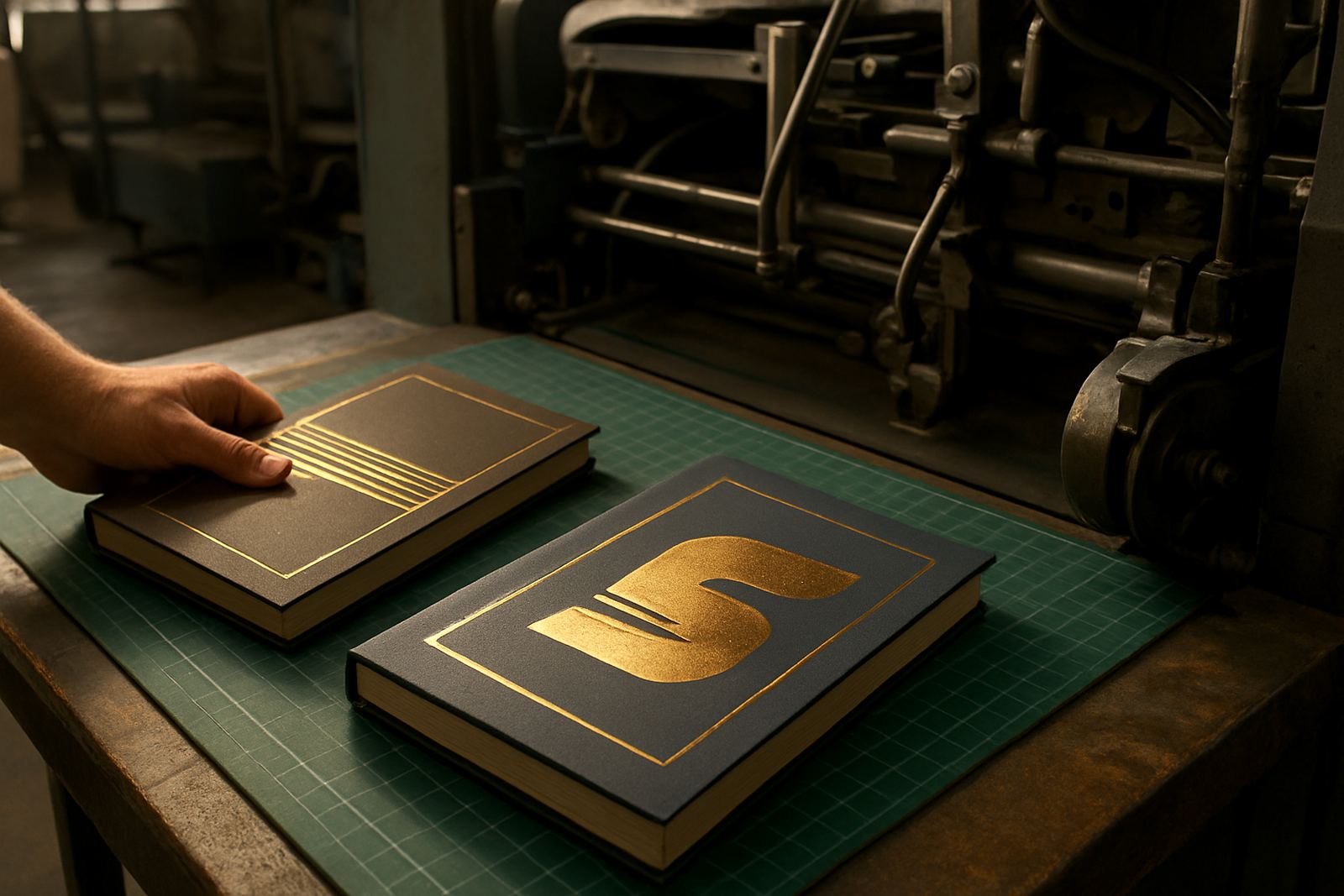
The service includes plate preparation, press set-up, ink matching, press checks, trimming allowances and packing for dispatch. If the publication needs a polished finish, we can add lamination, foil finishing, die cutting or binding after printing. Publications can be supplied flat, stitched, glued or sewn depending on the intended use and the number of pages. For books that will be handled often, such as training manuals or reference material, we usually recommend stronger binding and a cover that can cope with regular use.
- Prepress checks and page order review
- Colour proofing before bulk production
- Press set-up with calibrated ink and registration
- Finishing, packing and dispatch to one or multiple delivery points
How the printing process runs from file to dispatch
Once your files are approved, the process moves in a clear sequence. First we confirm the format, paper and quantity. Then the prepress team checks the artwork, embeds the correct settings and prepares the plates. Johan van der Merwe and the prepress crew pay close attention to image resolution, fold allowances and section order, because a small issue at this stage can create waste on press.
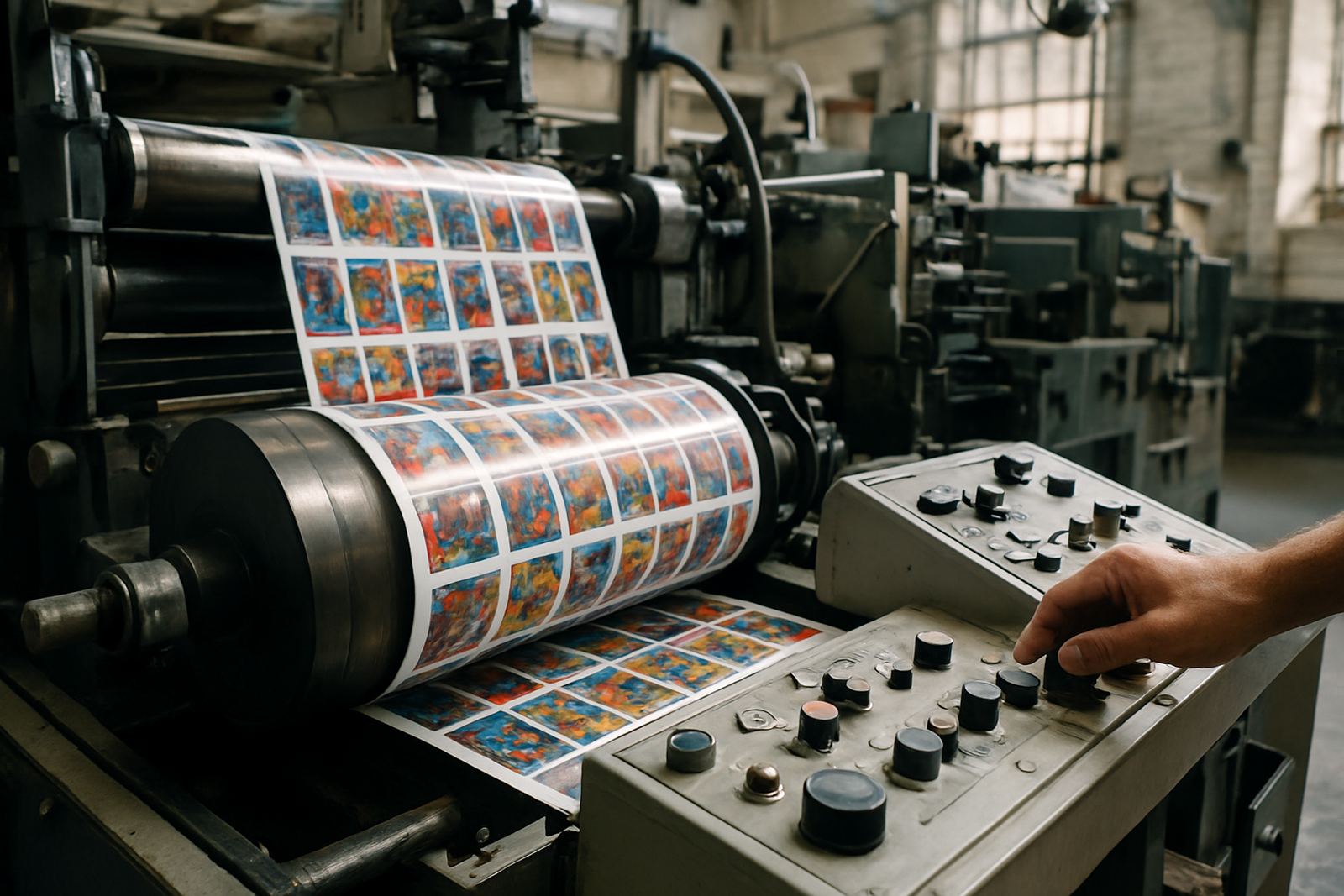
On press, the operator checks colour density, registration and ink balance while the sheets run. This is important for books with solid colour covers, magazine pages with photos, and catalogues that must keep a consistent brand look from page 1 to the final page. After printing, the sheets are allowed to dry before they move to cutting, folding, stitching, binding or packing. Busisiwe Motaung oversees production flow, while Farieda Adams coordinates bindery so the printed sheets move through cleanly without delays.
- Artwork and prepress review
- Plate making and press set-up
- Test sheets and colour approval
- Production run and drying time
- Finishing, packing and dispatch
Turnaround times that suit real publishing schedules
Turnaround depends on page count, quantity, paper availability and finish type. Shorter black and white runs can move quickly, while full colour magazines and bound books need additional time for drying, trimming and binding. We plan production so that publishers can work with realistic handover dates, not wishful ones. If a job is required for a launch, book fair or retail drop, tell us early so we can schedule the press and bindery around it.
For larger runs, it is common to print in stages if the title has multiple editions or delivery points. This helps when you are supplying bookstores, schools, distributors or branch offices in different provinces. Leanne Naidoo manages dispatch planning so pallets are wrapped, labelled and sent according to the destination. In Gauteng, we can often coordinate quicker handover times than in outlying areas, but every job is assessed on its own merit and not on promises that will not hold up.
Load-shedding, transport timing and paper availability can all affect production windows, so we build in practical buffers where needed. That way your copies arrive ready for packing, sale or distribution rather than sitting unfinished because of a rushed schedule.
Pricing approach for offset work
Offset printing is priced on a few main factors: quantity, page count, paper specification, colour usage, size, finishing and delivery location. The bigger the run, the better the unit cost usually becomes. A 1,000 copy magazine run will not price the same way as a 10,000 copy catalogue, because set-up, ink coverage and finishing time all change the calculation.
We quote in a straight, practical way so you know what is included. That usually covers prepress checks, plate work, printing, basic trimming and the agreed finishing. If you need special paper, extra proofing, foldouts, foil, die cutting or multiple dispatch addresses, those items are added clearly. Printing House is based in Industria, Johannesburg, but we supply publishers nationwide, so transport and destination costs are considered from the start rather than added as an afterthought.
For repeat titles, we can keep the same specifications on file which helps maintain consistency and can reduce set-up time on later printings. Siyanda Ramaboa in client services helps keep repeat orders organised, especially for monthly or quarterly publications that must stay on schedule.
Press upkeep and quality control between runs
Good offset printing depends on equipment that is kept clean, calibrated and checked at set intervals. Press cylinders, rollers and feed systems need regular attention, while plates, blankets and cutting equipment must be inspected before and after a run. In practical terms, that means cleaner sheets, steadier registration and fewer marks on the final publication.
We use maintenance intervals that suit the workload, not just the calendar. A busy period with multiple magazine runs may call for more frequent checks than a quieter week with a few book titles. Siphamandla Ngwenya monitors press performance during the run, while the finishing team checks folding, trimming and stitching so issues are caught before packing. For coastal deliveries and storage in warm conditions, we also keep an eye on drying times and packaging so the printed stock stays in good condition on the road.
- Routine press cleaning and calibration
- Blanket, roller and feed checks
- Finishing equipment inspection
- Quality checks before dispatch
Key facts
| Print method | Offset lithographic printing |
|---|---|
| Typical products | Books, magazines, catalogues, annual reports and newsletters |
| Paper range | 70 gsm to 250 gsm depending on content and cover use |
| Common sizes | A4, A5 and custom trim sizes |
| Finishing options | Saddle stitching, perfect binding, case binding, lamination, foil and die cutting |
| Service area | Industria, Johannesburg and nationwide delivery across South Africa |