
Start With the School Calendar, Not the Cover
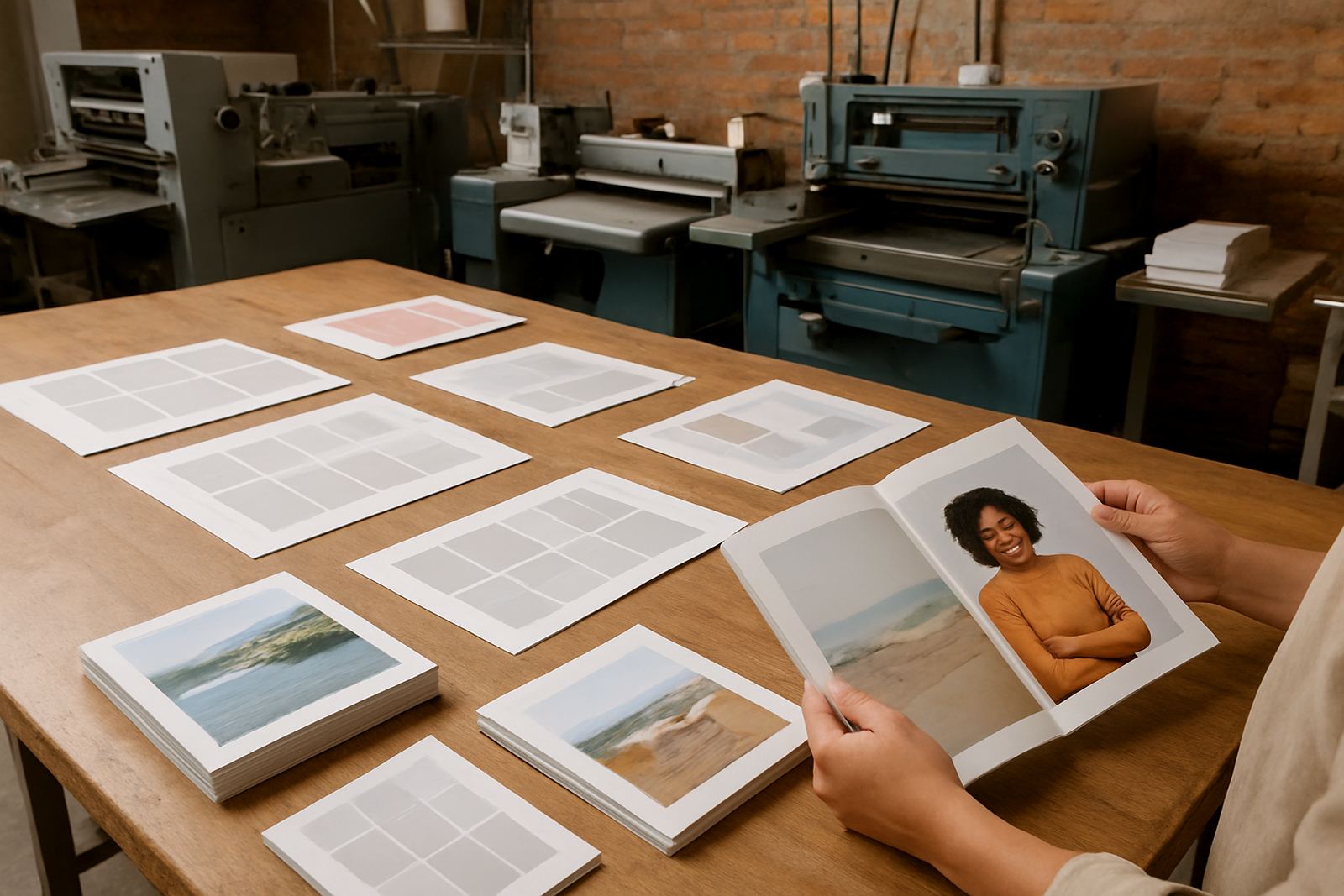
Yearbook planning works best when the production plan is set against real school dates. Work backwards from speech nights, prizegivings, matric farewells and final exam dates, then build in time for photo collection, edits, approvals and binding. For most schools, a 10 to 14 week window is safer than trying to finish in the last month.
In Johannesburg and surrounding areas, late changes often arrive after reports, sports finals and touring photos are already done. That is normal. The key is to name one person to control submissions and one person to sign off on every round of text and image checks. Without that control, the file gets noisy fast and small errors become expensive to fix.
- Set a final content deadline for learners and staff
- Allow time for proofing before any print run
- Keep one approval point for the principal or editor
- Plan delivery at least 7 to 10 working days before the event
Set a Realistic Quantity Before You Design
Do not wait until the end to decide how many books to print. Yearbooks are usually ordered by class count, alumni requests, staff copies and a small buffer for late sales or damaged copies. For many schools, 5 percent to 10 percent extra is enough, but larger institutions may need more if the book also goes to sponsors or parents who buy late.
If you are serving multiple campuses, confirm each site separately. Schools in Pretoria, Sandton, Randburg and the East Rand can have different enrolment changes by the time printing starts. A clean quantity list helps with paper use, binding selection and packing. It also matters for cost because a short run and a long run are not priced the same.
- Count confirmed learners first, not hoped-for enrolment
- Add staff, governing body and archive copies
- Keep 5 percent to 10 percent reserve copies where possible
- Separate school orders from parent sales orders
Use Image Standards That Print Well
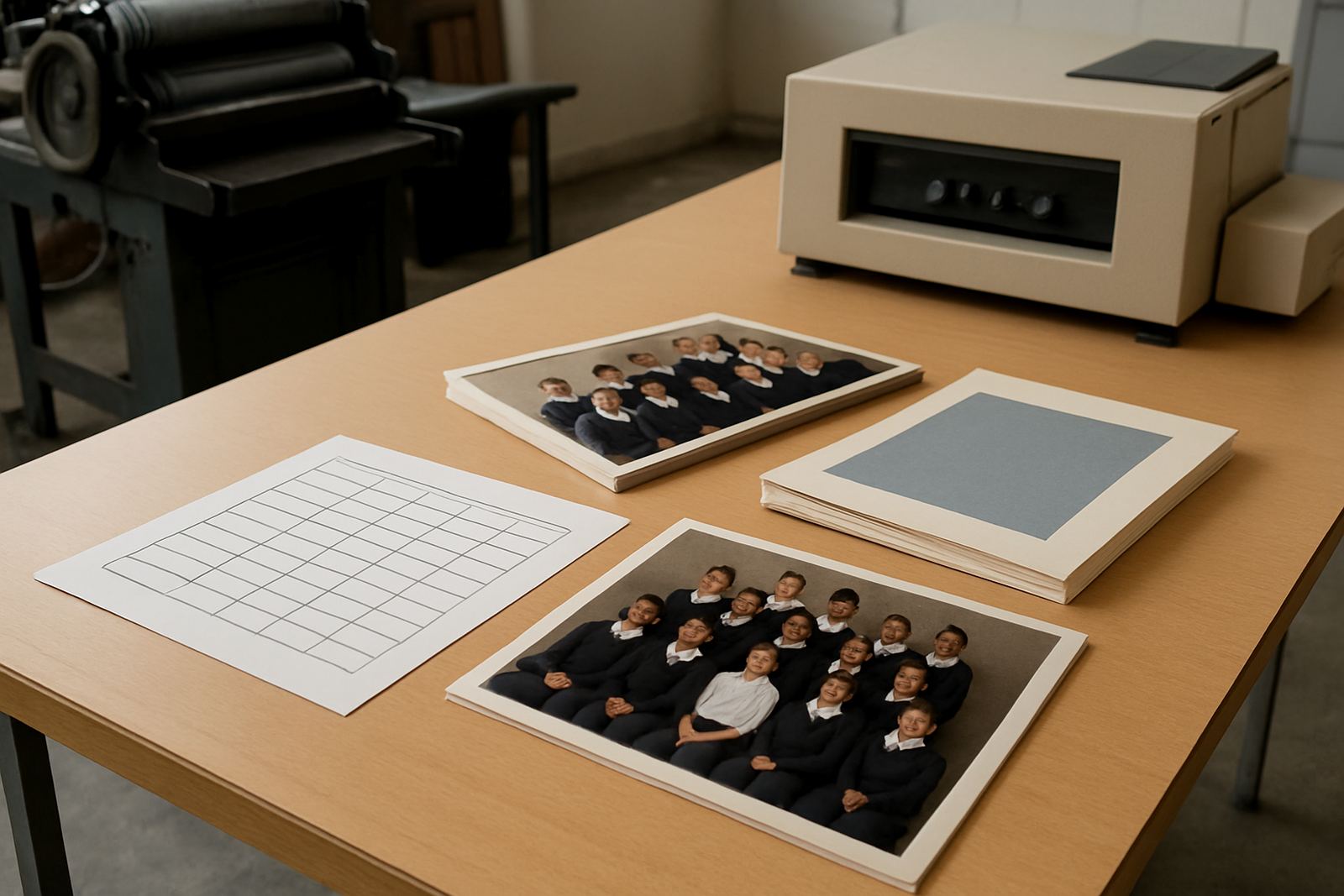
Clear images make a yearbook feel organised and worth keeping. Ask for original photos where possible, not pictures forwarded through multiple phones. Blurry group shots, dark hall photos and cropped social media images can print poorly, especially on glossy or laminated covers. For sports and graduation pages, try to collect images taken in daylight or under even indoor lighting.
Check that uniforms are neat, logos are visible and all names match the right faces. A photo can look fine on a screen but still show weak detail when printed at book size. In yearbooks, small image flaws repeat many times across pages, so fixing the source files early saves a lot of time.
- Use high-resolution originals where possible
- Avoid screenshots and compressed messaging-app images
- Keep the same aspect ratio for group pages
- Request captions and names with every image batch
Choose the Right Binding and Finish for the Use Case
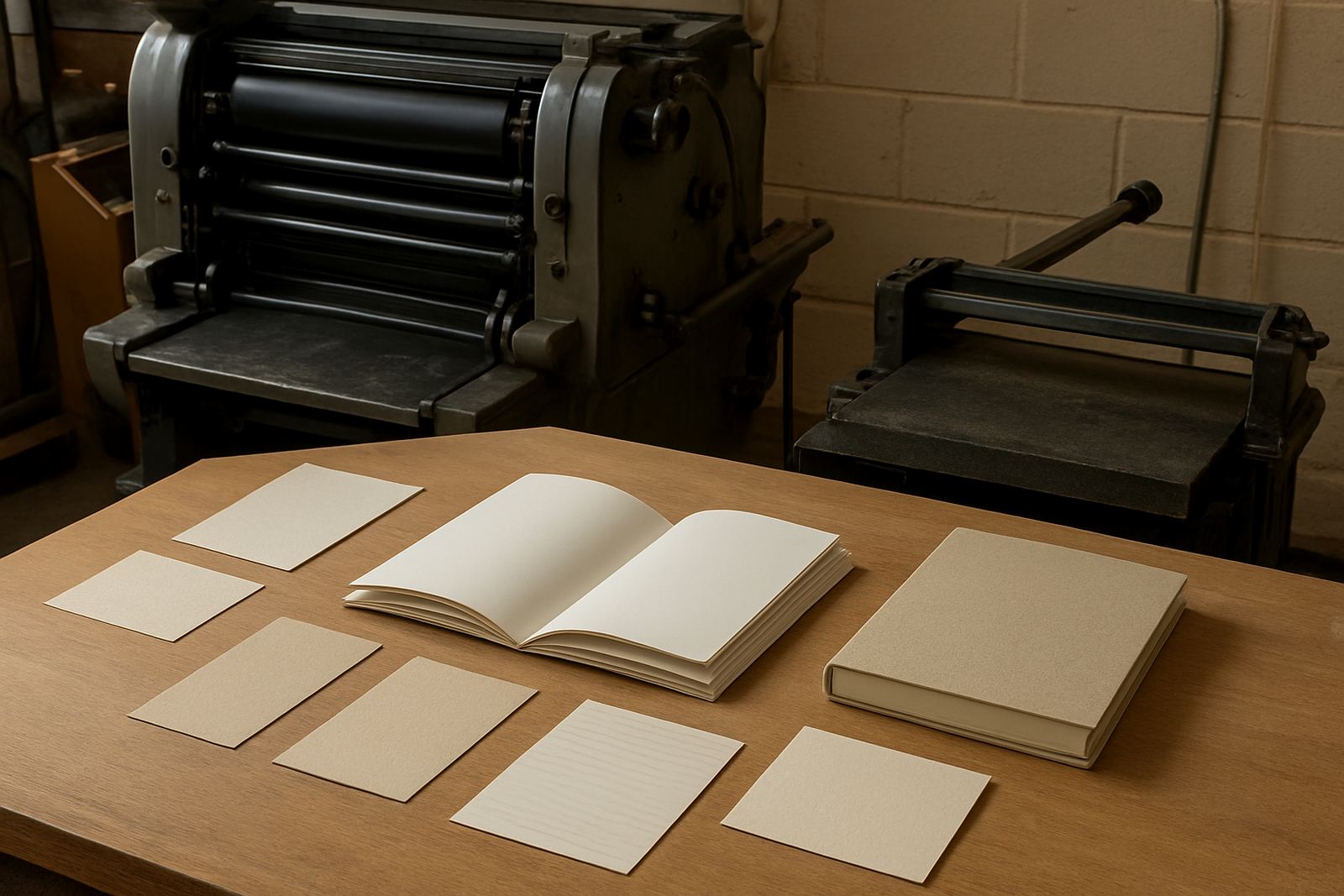
The binding choice should match how the yearbook will be used. Saddle stitching works well for slimmer publications and lower page counts. Perfect binding suits thicker yearbooks that need a neat spine and a more formal shelf presence. Case binding is stronger for commemorative books that will be kept for many years, though it needs more planning and a firmer budget.
For schools near the coast, humidity can affect stock if books are stored badly before handover. A laminated cover helps protect against scuffing, while foil finishing can mark awards pages or special editions. If the book is being handled at sports days or open evenings, a tougher finish often pays off. We can also advise on section sewing where added strength is needed for heavy use.
- Saddle stitch for smaller books and fast turnaround
- Perfect binding for thicker annuals and school histories
- Case binding for archive copies and premium editions
- Lamination for better wear in busy school offices
Build a Simple Approval Checklist
Most delays come from approvals, not printing. A clean checklist keeps the project moving and makes it easier for teachers, parents and editors to see what still needs attention. Use one master list for text, images, names, page numbers and the final cover. Once this is signed off, avoid fresh edits unless there is a serious factual mistake.
At Printing House, our prepress checks help catch common issues before plate making and press time begin. That includes spelling, page order, picture placement, bleed allowances and colour consistency. When schools in Midrand or Roodepoort send files in phases, we combine them carefully and flag any missing elements before the job goes into production.
- Confirm all names and surnames
- Check page numbers and contents pages
- Approve the cover, spine and back cover text
- Verify contact details, dates and sponsor acknowledgements
Plan Delivery, Packing and Reorders Before Print Day
Yearbooks often go to more than one address, especially when a school has branches or needs copies split between departments. Packing should be planned early so books can go straight from bindery to dispatch without extra handling. If copies are heading to a central office in Johannesburg Central or to satellite sites in Pretoria and the East Rand, label the cartons clearly and confirm who signs for each delivery.
Make space for a few reorders as well. Even careful schools sometimes need extra copies for new staff, sponsors or late-paying families. If you know the likely demand, the press setup can be planned with that in mind and the packing list can include a small reserve. That saves time when everyone is busy at the end of term.
- Confirm delivery addresses before final print approval
- Keep cartons labelled by campus, grade or department
- Plan for a small reserve stock
- Allow extra time for public holidays and month-end traffic