
What shows quality at first glance
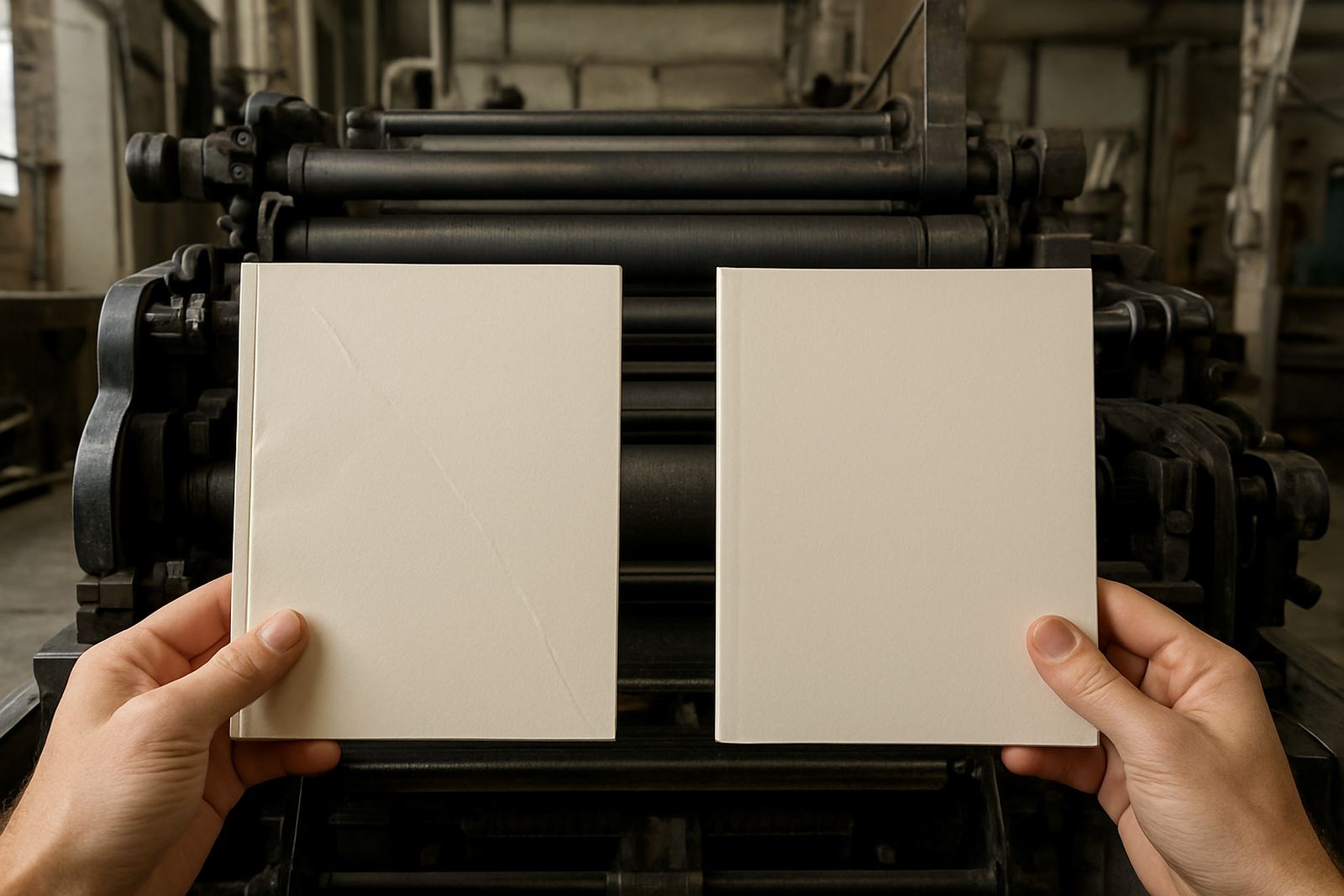
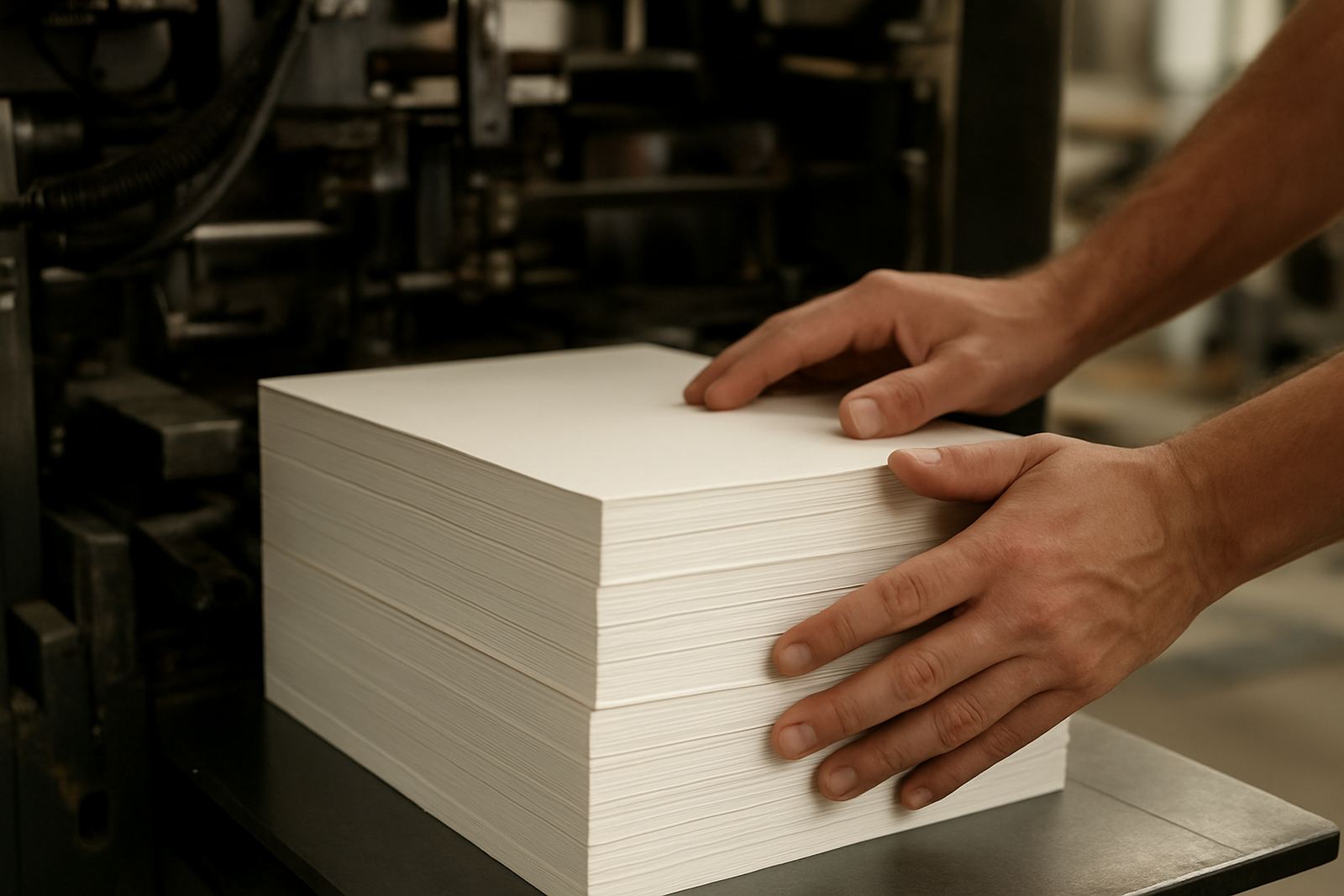
When a book lands on a table, the first quiet test is the book block. If the block is loose, stepped, or uneven, the fault may go unnamed but it will still be noticed.
For publishers and authors, this matters because the book block carries the weight of the print run. It has to survive packing, transport through Johannesburg traffic, warehouse stacking, and delivery to towns where books may sit in warm conditions before they are unpacked. A neat block is a sign that the press room, binding line, and finishing checks all worked together.
Paper consistency makes or breaks the block
A good block begins with paper that behaves the same from sheet to sheet. If the paper caliper varies too much, or the moisture content changes during the run, the finished book can look bulky in one section and thin in another. That leads to poor spine formation and uneven trimming.
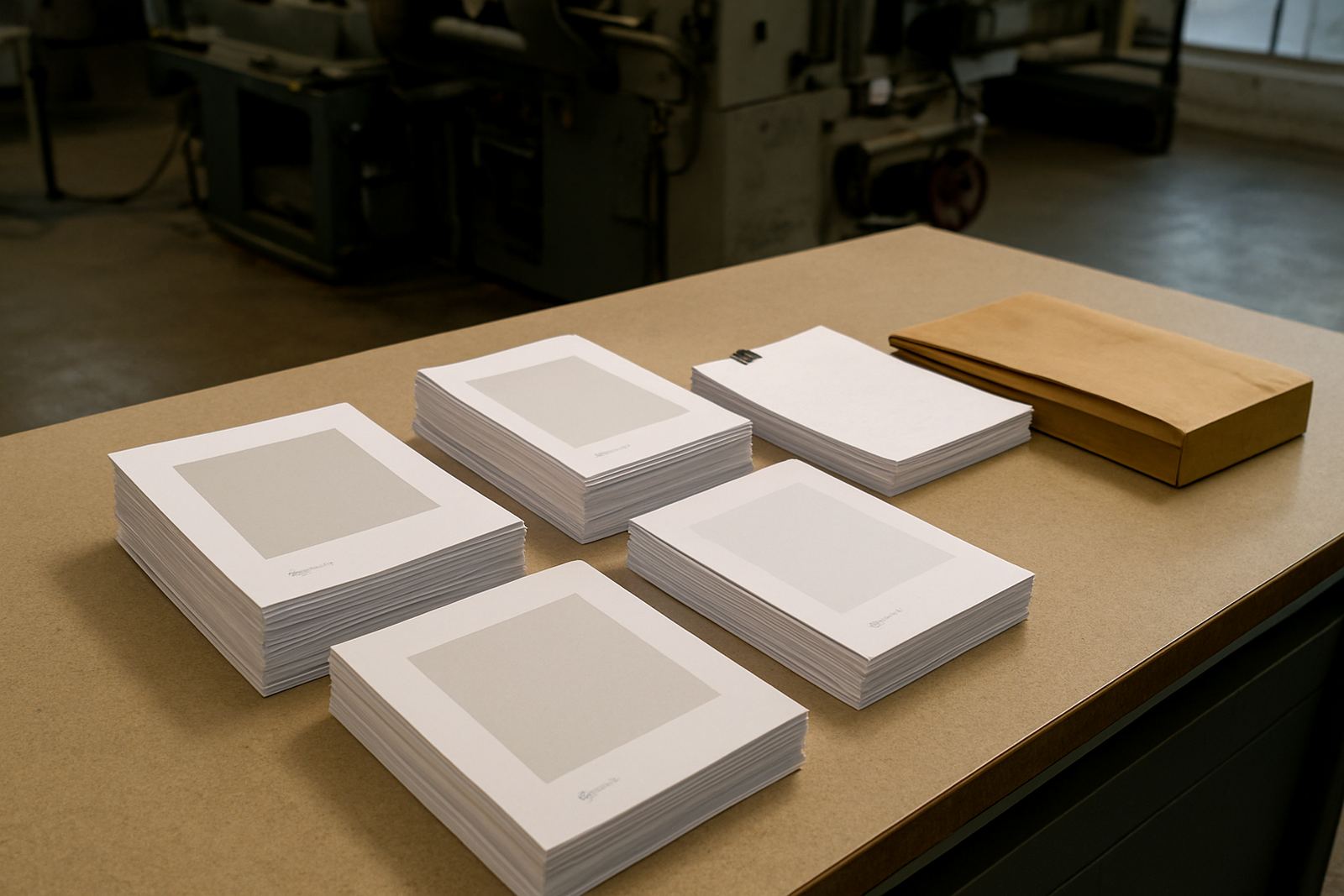
In practical terms, our team checks how the stock feeds, how it folds, and whether the signatures stay true after printing. In South Africa, this is especially important during dry winter months in Gauteng and in coastal humidity where paper can move more than expected. A careful prepress check and press setup reduce waste and help keep the block stable.
- Check paper weight and thickness before the run starts
- Allow stock to acclimatise to the production room
- Watch for curl, waviness, or edge damage after printing
- Keep folded sections in order so pagination stays correct
Why signature control matters in offset and flexo work
In offset printing, even ink laydown and accurate folding help the signatures stack neatly. In flexo printing, where packaging and short, practical publications may be part of the brief, the same principle applies: if the sheets do not register well, the block will show it straight away. Small errors at the sheet stage become visible once the book is bound.
That is why prepress checks are not just a box to tick. They confirm page order, bleeds, creep, and trim allowances before paper is committed. A book block that is built from clean signatures will bind more reliably, whether the job is saddle stitched, perfect bound, case bound, or section sewn. It also gives the finishing team less to correct later, which saves time and reduces spoilage.
Binding choices change how the block performs
Not every title needs the same bind. A slim catalogue for Sandton may be fine with saddle stitching, while a school reader headed for Pretoria or the East Rand may need a tougher spine and more opening strength. The way the block is formed should match the way the book will be used.
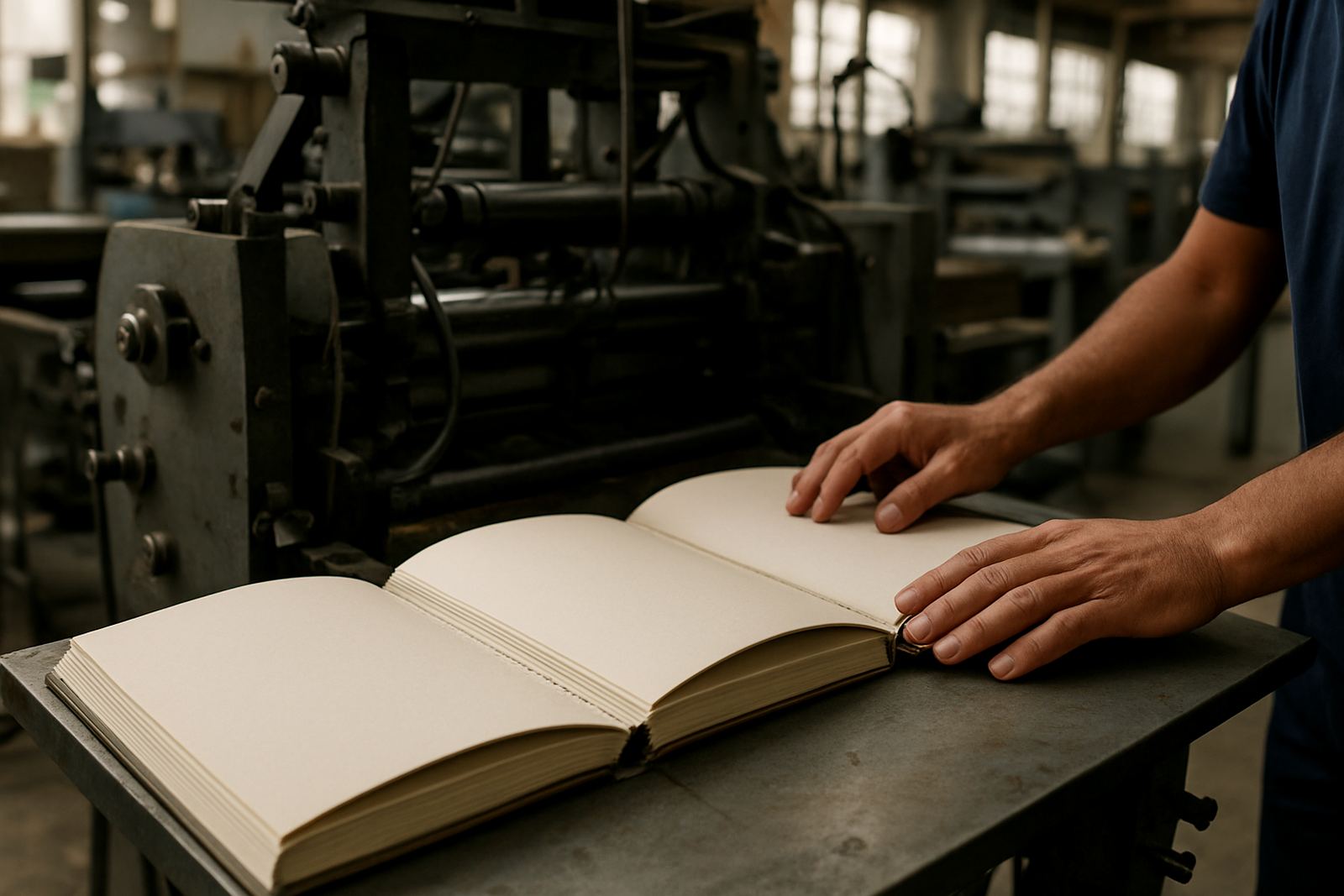
Perfect binding works well for many trade books and magazines, but it depends on a clean, even spine and enough grip on the folded sections. Section sewing gives extra durability and better opening, especially for longer reading books. Case binding is the top end when the publication must last through repeated handling. If the block is uneven, even the best bind will look tired from day one.
- Saddle stitching suits thinner magazines and booklets
- Perfect binding suits many paperback books and reports
- Section sewing improves strength for heavier use
- Case binding is useful where longevity matters most
Finishing details that protect the block
Good finishing should support the block, not fight it. Cover lamination helps resist scuffing during packing and delivery. Foil finishing can lift a title page or cover, but only if the block and cover are trimmed square first. Die cutting may be used for specialist covers or tabs, yet it needs careful handling so the edges remain true.
Trim accuracy is one of the clearest signs of production care. If the fore edge is clean, the head and tail are even, and the spine is formed correctly, the book will feel right in the hand. That is the point where quality becomes practical. The book opens well, closes flat enough, and stacks tidily on shelves or in cartons.
A Johannesburg example of careful block control
Consider a publisher in Johannesburg Central producing a 96 page regional magazine with a tight launch date. The team needs the books delivered to Midrand, Randburg and Pretoria in one schedule, with extra stock going nationwide. In that situation, a strong block matters just as much as the print image, because a damaged or uneven batch can delay dispatch and create returns from retailers or event organisers.
Our logistics planner would rather send one clean batch than rush out mixed pallets with problems hidden inside. That means checking the folded sections, keeping the bindery line steady, and packing the finished books so the spine edges are protected. In a busy production week, that carefull control makes the difference between a clean handover and a lot of rework.
What to ask before you approve a print run
If you are ordering books or magazines, it helps to ask direct questions before the run starts. Good suppliers will explain how they are checking the block, what bind is planned, and how they will handle colour consistency and trim. A proper answer should be specific, not vague.
Use this short checklist when you are comparing suppliers or approving artwork:
- Will the signatures be checked before binding starts?
- Is the paper stock suitable for the chosen bind?
- How will the spine, trim, and opening be tested?
- What finishing will protect the publication in transit?
- How will packed books be labelled and dispatched?
For publishers across South Africa, a good book block is not just neat workmanship. It is proof that the job was planned properly, printed accurately, and finished with the end user in mind.