
Why open-flat reading changes how people use a publication
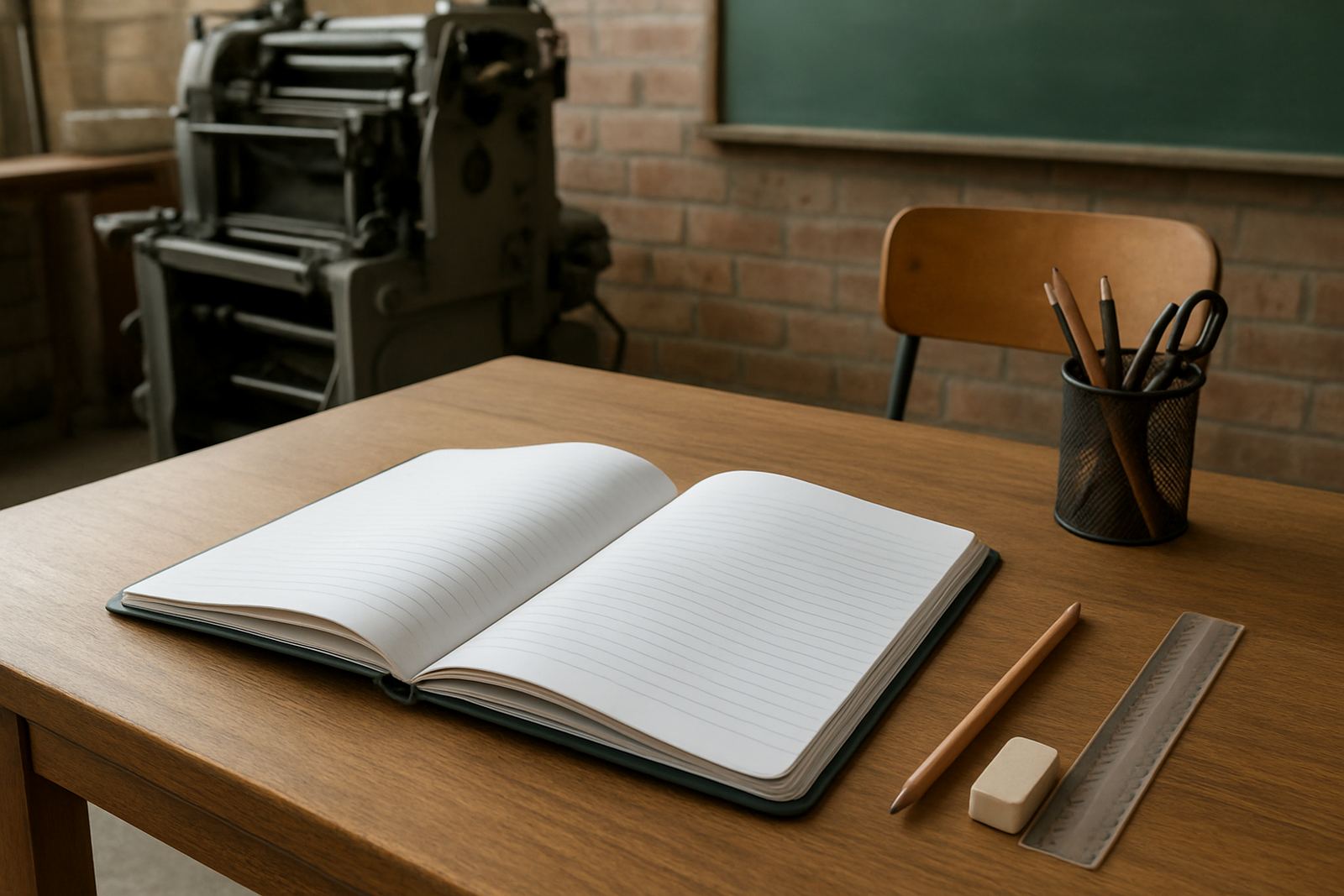
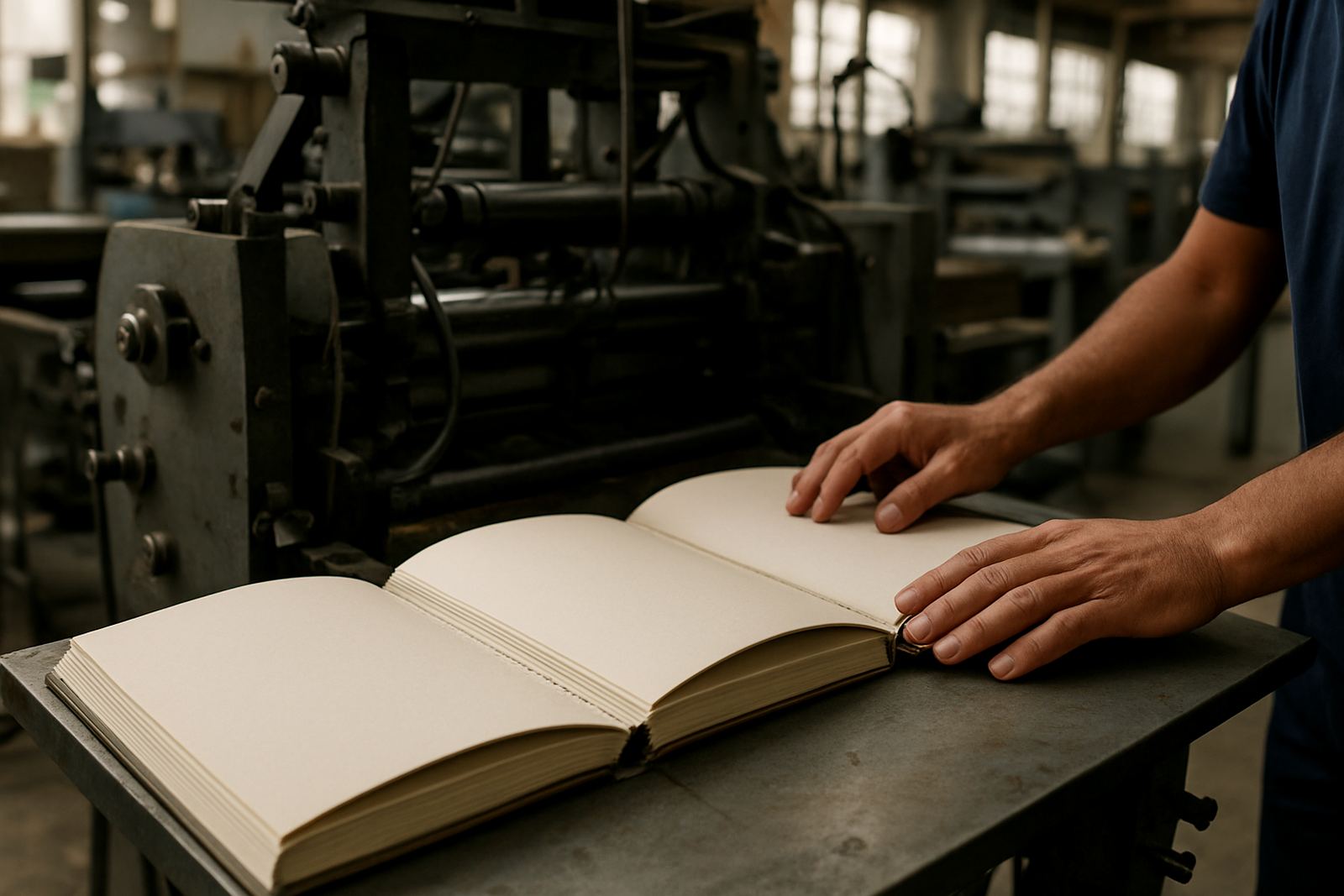
A publication that opens well is easier to read, easier to reference and less likely to be damaged in regular use. That matters for training manuals, product catalogues, cookbooks, activity books and many magazines where the reader needs both hands free or wants to keep one spread in view.
Open-flat reading reduces strain on the spine and gives better access to the inner margins. If a page sits too tightly into the fold, key text can disappear into the gutter and the book has to be held open with one hand. In busy offices in Sandton, schools in Pretoria, or a distribution pack moving from Industria to Midrand, that small detail affects how the publication performs.
Binding methods that support a better opening action
Different binding styles behave very differently once they are filled with paper, ink and finishing. Some are neat and economical. Others are built for stronger opening action and repeated use. The right choice depends on page count, paper weight, how often the publication will be handled and whether it must lie open on a counter or lectern.
- Saddle stitching works well for slim magazines and booklets. It opens easily when page counts are kept within practical limits, but it is not ideal for thick publications.
- Perfect binding gives a clean, square spine and suits thicker books, though it will not open fully flat without some resistance.
- Case binding is the strongest option for books that need long service life. With careful construction, it supports better opening and strong shelf presence.
- Section sewing improves flexibility because sections are stitched before binding, which helps the book open more naturally.
For reading that must open flat, section sewing and carefully planned perfect binding often give the best result, depending on the title and budget.
How paper, grain and cover choices affect the spine
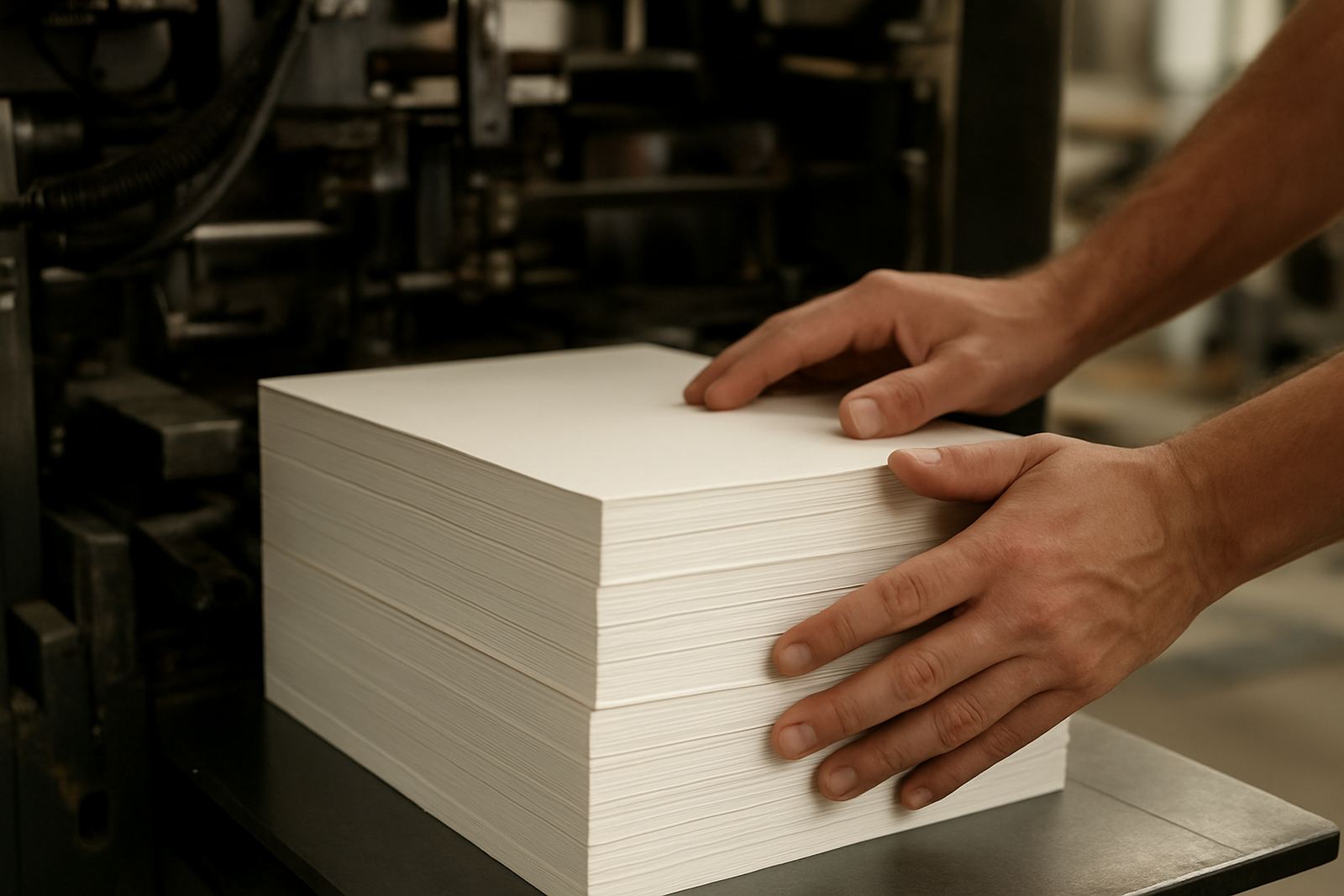
Binding is only part of the picture. Paper direction, sheet weight and cover stock all influence whether a publication opens comfortably or feels stiff from the start. When the grain runs the right way, the pages bend more naturally with the spine instead of pushing against it.
A heavier cover can give strength, but if it is too rigid for the format it may fight the opening action. Lamination also plays a part. A gloss or matt laminated cover protects the print and improves handling, yet it must be matched carefully to the binding style so the cover does not crack at the hinge after repeated use.
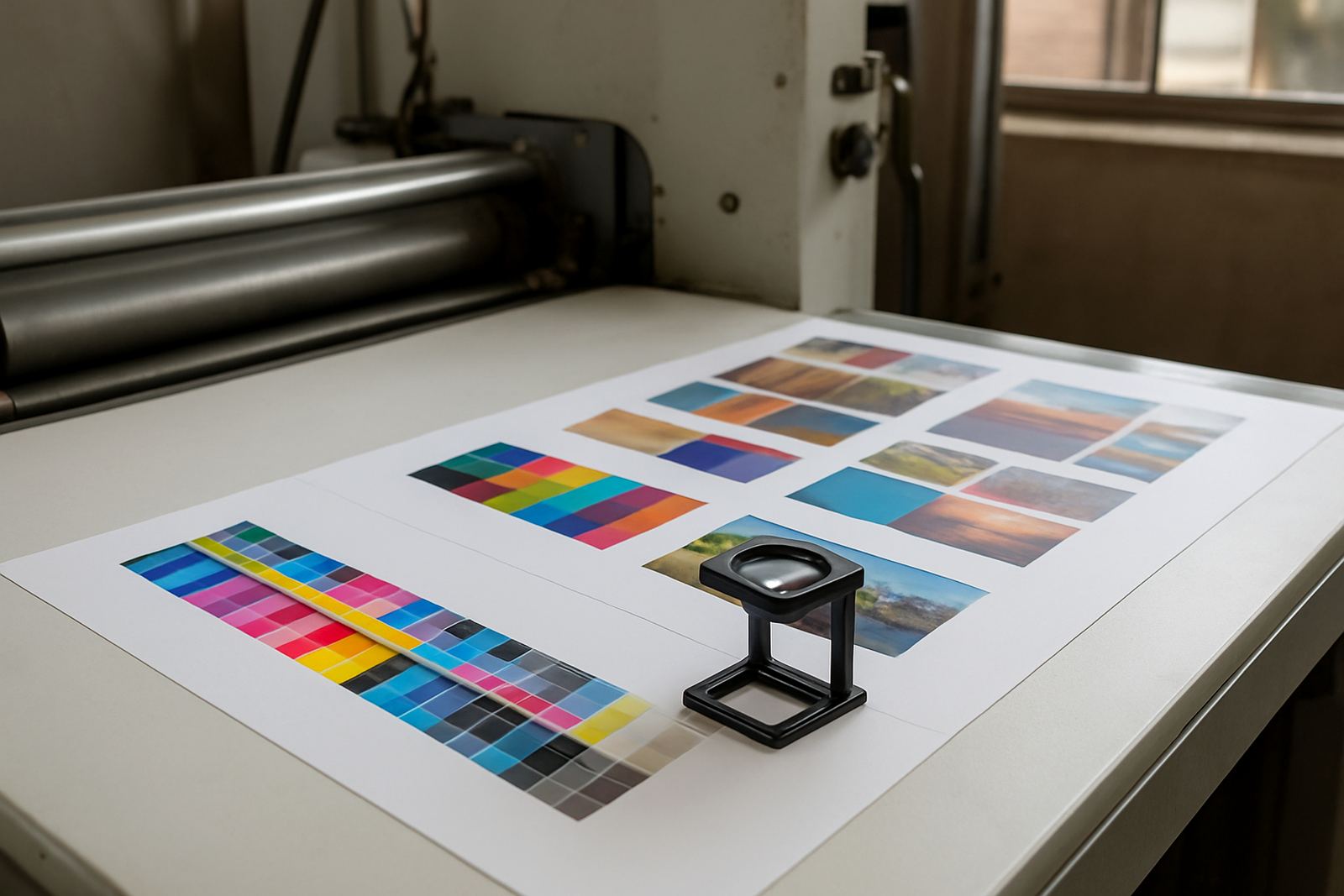
In Johannesburg’s dry winter air, paper behaviour can shift slightly during storage and finishing. Along the coast, humidity can affect curl and stiffness. That is why prepress checks and colour proofing matter before a title goes to press, especially when it is intended for regular opening on a workbench or in a retail setting.
When open-flat reading is worth the extra planning
Not every publication needs to lie completely flat, but some really do. If the reader must compare columns, follow step-by-step instructions or keep a spread open while writing notes, then the binding should be planned from the beginning rather than added as an afterthought. It saves rework and avoids disappointment when the finished title lands on the table.
- Training manuals used in workshops or classrooms
- Cookbooks where recipes stay open while cooking
- Technical catalogues with tables, diagrams and part numbers
- Church or conference materials used on a lectern
- Premium magazines with feature spreads that deserve easy viewing
For businesses across Roodepoort, Randburg and the East Rand, the question is often simple: will the publication be read once, or used many times. If the answer is many times, open-flat performance becomes a practical need not a nice extra.
Finishing details that protect the reading experience
Finishing is where a publication starts to feel complete, but it also affects usability. Foil finishing can strengthen the cover presentation on a title meant for display. Die cutting can create a neat opening or tabbed section for reference material. Packing and dispatch need to keep corners protected so the binding is not stressed before the books even reach the client.
For open-flat reading, the key is restraint. Too much bulk near the spine can make the book feel stubborn in the hand. Careful trimming, clean fold alignment and accurate binding make a real difference. Even a small shift in registration can cause a spread to sit unevenly, which is noticeable when someone is reading with the book half open on a counter.
Our production team checks each job so the binding choice supports the way the publication will actually be used. That means looking at the content, the number of pages, the paper, and the route it will travel from Industria to the client anywhere in South Africa.
A local example from brief to finished publication
A publisher in Johannesburg Central may need a 96-page trade magazine for a launch in Sandton, then a second run for distribution to Pretoria and Midrand. The magazine must look smart on arrival, open comfortably for feature reads and hold up well during repeated handling at meetings and reception counters. In that case, the production plan might combine offset printing for sharp detail, accurate colour proofing, saddle stitching or section sewing depending on the final page count, and secure packing for dispatch.
That kind of job rewards early decisions. If the content includes full-page images and side-by-side articles, the gutters need enough room. If the cover is heavier, the fold and stitch position must suit the stock. If the publication is part of a series, consistency matters from issue to issue so the reader gets the same opening feel every time.
Good print work is not only about looking neat on a shelf. It should work in the hand, on a counter, in a boardroom or on a training table, and it should do so without forcing the reader to wrestle with it.